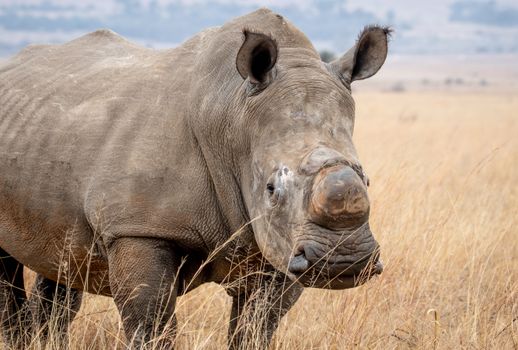
When people picture a safari, they often imagine the savannahs of East or Southern Africa. Yet organised wildlife viewing takes place on many other continents, in national parks, wetlands, forests and reserves with their own species and landscapes. Some offer jeep drives, boat trips, walking tours or elephant rides, although the last of these raises serious welfare concerns and should be approached with caution. This guide describes wildlife viewing options outside Africa, the factors that shape each experience and how to choose responsible operators.
Asia
Several parks in Asia offer safari-style tours. In India, Ranthambore National Park is known for its tigers, and visitors typically view wildlife from jeeps or canters on permitted routes. In Sri Lanka, Yala National Park is widely visited for leopards, elephants and birdlife, with game drives organised through park-authorised operators. In Nepal, Chitwan National Park offers jungle walks, canoe trips and jeep drives, and it is known for rhinos and a range of birds. Borneo offers wildlife viewing in rainforest and river settings, where orangutans, proboscis monkeys and birds may be seen, although sightings depend on the habitat and season.
Access rules and permits differ between parks, so check current requirements and book through recognised park channels where possible.
South America
The Pantanal in Brazil is one of the largest tropical wetlands in the world and a major destination for wildlife watching. Visitors often travel by boat or jeep to see caimans, capybaras, birds and, in some areas, jaguars. The dry season is commonly regarded as the best time for sightings, because animals gather near shrinking water sources, although conditions vary. Other regions, including parts of Peru and Ecuador, offer rainforest and lake-based wildlife experiences with trained local guides.
Wildlife viewing in wetlands and forests is usually slower than savannah game drives, and success depends on patience and the guide's knowledge. Plan for variable weather and insects, and bring suitable clothing.
North America and Australia
North America offers large-scale wildlife viewing in national parks, including bears, bison, elk and wolves in several regions. Many of these experiences are guided drives or walks rather than safari vehicles, and wildlife is more often seen from a distance. Australia has wildlife tours in tropical and arid regions, with kangaroos, wallabies, crocodiles and a wide range of birds. Specific opportunities depend on the park and season, so check official park information.
Costa Rica and Central America
Costa Rica's national parks and private reserves are known for birds, sloths, monkeys and reptiles. Guided hikes and boat trips are common. Because the terrain is often dense, a good local guide makes a significant difference. Many lodges are close to protected areas and can arrange tours, although operators differ in their practices and quality.
Choosing a responsible operator
Responsible wildlife viewing protects animals and their habitats. Choose operators that keep a respectful distance from wildlife, follow park rules and avoid feeding or baiting animals. Be cautious of any experience that offers close contact with wild animals, handling of cubs or interaction with captive animals presented as wild. Elephant riding and similar activities can cause animals considerable distress, and many organisations now advise against them.
Ask about guide qualifications, group sizes and vehicle use. Good operators explain animal behaviour and the limits of sightings, rather than promising a guaranteed encounter. Verify that the company holds the necessary licences and follows local regulations.
Planning your trip
Consider the season, which affects both wildlife activity and weather. Check whether parks open for particular months or have restrictions during breeding periods. Book well in advance for popular parks and lodges. Pack neutral-coloured clothing, insect repellent, binoculars and a camera with a zoom lens. Respect quiet time and do not use flash on nocturnal animals.
Practical tips
- Research the park's rules, seasons and permit requirements before you book.
- Choose operators with trained guides, licensed vehicles and clear wildlife-viewing standards.
- Avoid any activity involving close contact, feeding, handling or elephant riding.
- Pack for variable weather, including insect protection and layers for early mornings.
- Bring binoculars and keep noise and movement to a minimum during sightings.
- Be realistic about sightings, which depend on luck, habitat and season.
Common mistakes to avoid
A frequent mistake is comparing wildlife viewing outside Africa directly with the open savannah. Forests, wetlands and mountain parks offer different rhythms, with more walking, boats or patient waiting. Another error is booking unlicensed side tours or informal guides who offer access that park authorities do not permit. Travelers also tend to underestimate travel time between parks, particularly where roads are slow or flights are limited. Some people forget to check whether a park requires a permit, a registered guide or a specific entry time. Others focus only on one famous animal and leave little room for the birds, plants and landscapes that often make a trip memorable. Reviewing park rules in advance and building a realistic schedule can prevent many of these problems.
Frequently asked questions
Are animal encounters outside Africa usually close?
They vary. Some parks offer close views from vehicles or boats, while others involve distant sightings in dense habitat. Ask operators to describe typical distances.
Is it acceptable to ride elephants?
Many welfare organisations advise against elephant riding because it can cause considerable distress. Choosing operators that avoid it is a more responsible option.
Can a family take part in these trips?
Many families do, but activities, minimum ages and walking distances differ. Check the operator's guidance before booking, especially for young children.
How to decide: a simple checklist
Use these questions to judge whether a trip fits your priorities:
- Do I know the rules of each park I plan to visit?
- Is the operator licensed and transparent about its practices?
- Have I allowed time for long transfers between parks?
- Am I comfortable with uncertain sightings?
- Do my interests include birds, plants and landscapes as well as large animals?
If the answers point to a well-run park and a realistic pace, the trip is more likely to be rewarding for both you and the wildlife.
Who this suits and who it doesn't
Travelers who enjoy patient observation, varied landscapes and birdwatching are often well suited to wildlife trips outside Africa. Those who expect open grassland and large herds may be disappointed, since many habitats are dense and wildlife is harder to spot. Visitors who need very short travel days, or who want guaranteed close encounters with big animals, may find other destinations more satisfying.
Wildlife viewing outside Africa offers a wide range of landscapes and species, from tiger reserves in Asia to wetlands in South America and rainforests in Central America. The most rewarding trips combine careful research with ethical choices, so that the animals and habitats remain undisturbed for future visitors. Start with official park information, choose guides who put welfare first, and treat each sighting as a gift rather than a guarantee.