When people picture a safari, they often imagine the savannas of eastern and southern Africa. Yet many other regions offer wildlife viewing that shares the same appeal: guided drives or walks, a chance to observe animals in their habitat, and a sense of being in a landscape that is largely shaped by nature. Parks in South Asia, South America, North America, Australia and Southeast Asia each host distinctive species and ecosystems. These trips can be every bit as rewarding, though the wildlife, pace and logistics differ. This guide outlines what to consider when choosing a safari beyond Africa.
Wildlife and landscapes beyond Africa
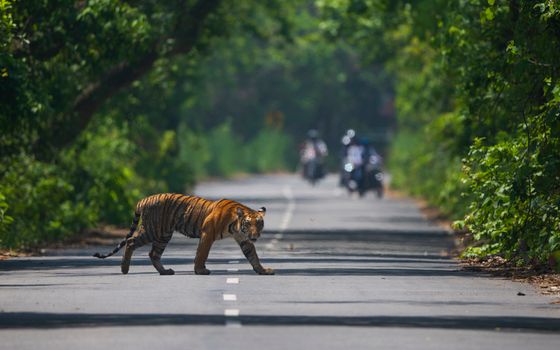
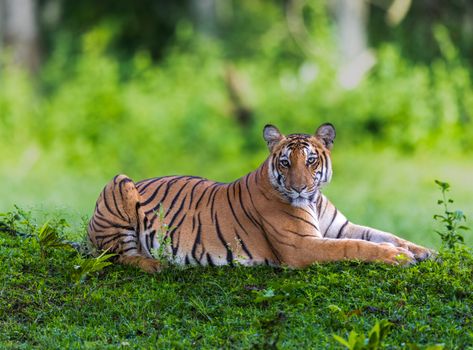
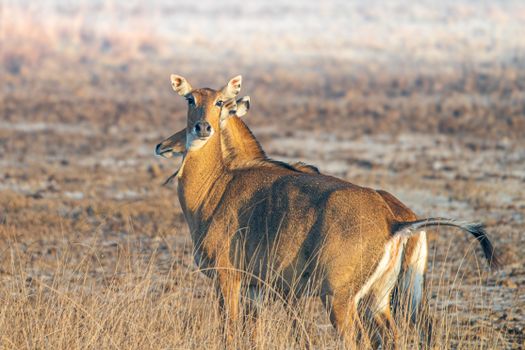
Asia is known for tiger reserves, rhinoceros parks and Himalayan foothill habitats where leopards, elephants and deer can be seen. South America's wetlands, such as the Pantanal region, are famous for birds, capybaras, caimans and sometimes jaguars. North American parks offer bears, wolves, bison and elk, depending on the season and location. Australia has wildlife experiences centered on kangaroos, wallabies and birdlife, while parts of Southeast Asia host orangutans and other primates in rainforest reserves. Each region offers a different rhythm of observation.
Choosing a reserve and season
Wildlife sightings depend heavily on season, weather and the animals' own movements. Many parks are best visited during dry seasons, when animals gather near water sources and vegetation is thinner. Wetlands often peak during flood or dry periods, depending on the ecosystem. Check the park's official calendar for closures, which often occur during breeding or monsoon periods. Ask operators about recent sightings, but remember that no guide can promise particular animals.
Types of safari experience
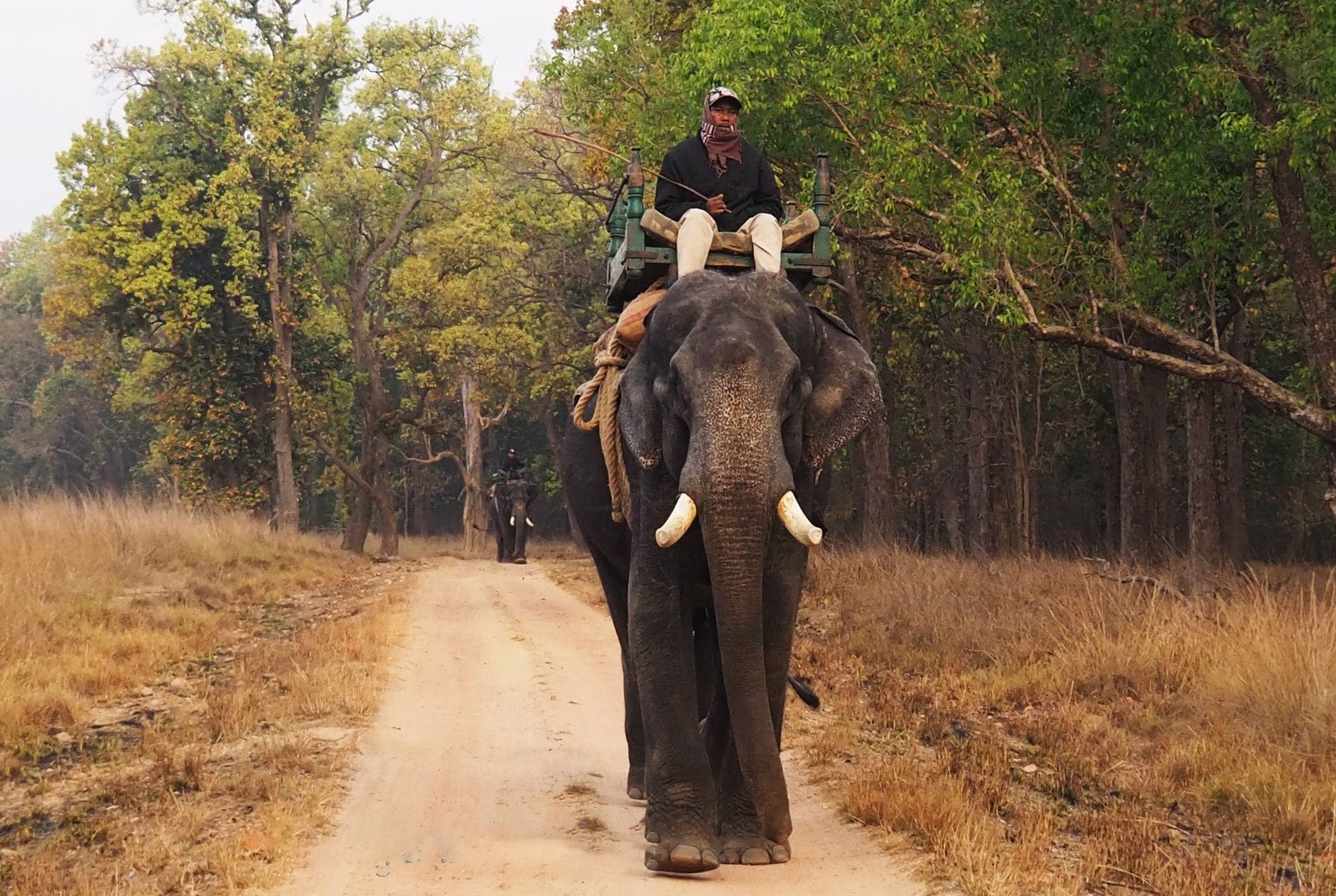
Options include vehicle drives in open or enclosed jeeps, boat trips along rivers and wetlands, guided walks and night drives where permitted. Some lodges combine several activities into one stay. Vehicle drives cover more ground, while walks reveal smaller details such as tracks and plants. Choose the format that matches your fitness, comfort and interests, and check whether the activity is suitable for children.
Judging ethical operators
Ethical wildlife tourism prioritizes animal welfare and minimal disturbance. Be wary of operators that promise close contact with wild animals, offer photo opportunities with sedated or captive animals, or encourage guests to feed or touch wildlife. Licensed guides who follow park rules, keep a respectful distance and limit vehicle numbers are usually a better choice. Ask how the operator contributes to conservation and whether it employs local guides.
Staying safe in the wild
Follow your guide's instructions at all times. Stay in the vehicle or stay with the group on foot, keep voices low, and avoid strong scents or bright clothing that may disturb animals. Check the rules on photography, drones and flash, which are often restricted. Know the emergency procedures of the park, carry a basic first-aid kit and take insect protection appropriate for the environment.
Costs and planning
Costs vary widely by destination, accommodation type and inclusions such as transfers and meals. Compare the cost of guided drives, entrance fees and lodging, and check whether the price covers park fees. Book in advance for popular parks and lodges, especially during peak seasons. Build in flexibility, since weather or animal movements can change the schedule.
Practical tips
Choose a reserve with a track record of protecting its wildlife and check its current status. Pack neutral-coloured clothing, binoculars, a camera with a zoom lens, and insect repellent. Bring a light rain jacket, a hat and sunscreen. Be patient, as wildlife sightings may take time, and enjoy the birds, plants and landscapes if animals are scarce. Respect park boundaries and never leave litter. Finally, consider whether a shorter, well-run trip is more rewarding than a crowded itinerary covering many parks.
Common mistakes to avoid
A frequent mistake is expecting the open plains of an African savanna. Wildlife outside Africa often lives in forests, wetlands or mountain habitats, where visibility is lower and sightings take longer. Another error is planning only a single day in a wetland or forest, which leaves little margin if weather or animal movements change the plan. Travelers also tend to focus on one famous species and overlook the birds, plants and smaller creatures that are often present. Some people book a park without checking entry rules, such as limits on time of day or the number of visitors. Others pack bright clothing or strong scents without realising these can disturb animals. Building flexibility into the itinerary and learning about the habitat before arrival can make a significant difference.
How to decide: a simple checklist
Answering these questions before booking helps you choose a format that fits your interests and comfort:
- Do I prefer forest, wetland, mountain or grassland habitats?
- Am I comfortable with vehicles, boats or walking?
- Have I checked park rules on photography, drones and flash?
- Can my schedule absorb weather or wildlife-related changes?
- Do I know what clothing and insect protection the habitat requires?
Frequently asked questions
Are these safaris suitable for families?
Many are, provided that the activity, walking distance and vehicle type suit the children involved. Check minimum ages and safety rules before booking.
Can I see a specific animal on every trip?
No reputable guide can promise a particular sighting. Wildlife depends on season, weather and chance, so it helps to enjoy the wider environment too.
Do I need to be very fit?
It depends on the format. Vehicle drives are generally less demanding than guided walks, while boat trips may involve climbing into and out of craft.
Safaris beyond Africa offer varied landscapes and wildlife, from wetland birds to forest primates. By choosing a reputable reserve, timing the visit well and supporting ethical operators, you can enjoy a memorable wildlife experience that respects the animals and the places they call home.