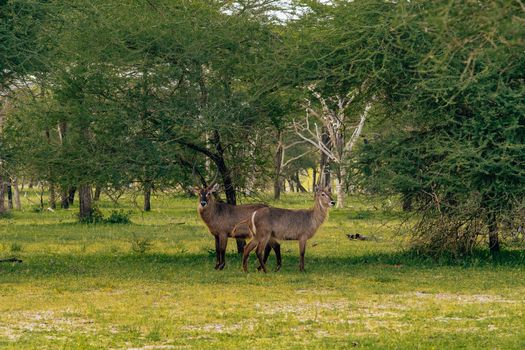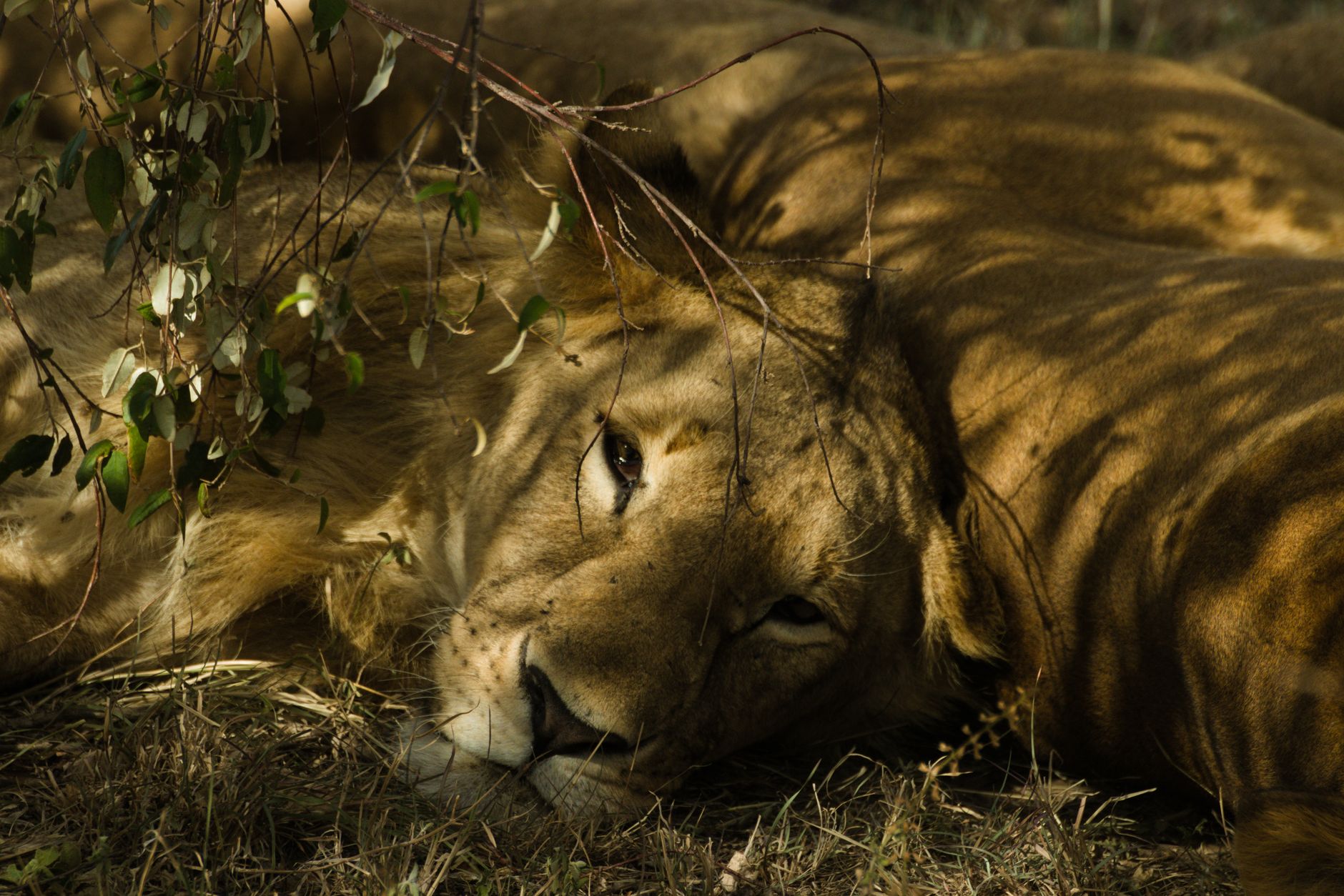
"Listen! Did you hear that?" My guide, Prakash, whispered, freezing mid-step. We were deep in the dense, emerald jungle of Ranthambore, India, the air thick with the scent of damp earth and unseen life. Above us, a cacophony of langur calls erupted, a clear alarm signal. My heart hammered against my ribs, not from fear, but from pure, unadulterated anticipation. This wasn't the sweeping savannahs of my previous Tanzanian safari; this was a different kind of wild, a more secretive, thrilling chase. And then, through a break in the foliage, a flash of orange and black – a Royal Bengal Tiger, majestic and silent, padding across our path as if we weren't even there.
That moment, almost a decade ago, shattered my preconceived notions of what a "safari" could be. It opened my eyes to a world of incredible wildlife experiences far beyond the iconic plains of Africa. Don't get me wrong, Africa is phenomenal, but if you're like me – an adventurer constantly seeking new horizons, unique species, and brag-worthy stories – then it's time to expand your safari map.
And what better time to embark on such an extraordinary journey than September 2025? It's a sweet spot for many non-African destinations, often marking the end of monsoons or the peak of dry seasons, making wildlife spotting exceptional. So, pack your binoculars, charge your camera, and get ready to redefine your safari dreams. Here’s your ultimate guide to the most epic non-African safari experiences for September 2025!
1. India: The Roar of the Royal Bengal Tiger – Ranthambore & Bandhavgarh
Forget the Big Five; in India, it's all about the Magnificent One: the Royal Bengal Tiger. September marks the tail end of the monsoon season in many parts of India, meaning the landscapes are lush and vibrant, but water sources are beginning to recede, drawing wildlife to more predictable locations. This transitional period offers a unique blend of verdant beauty and increasing visibility, making it a fantastic time to visit.
My Personal Take:
My first tiger sighting in Ranthambore was nothing short of magical. We spent days tracking, learning to read the jungle's subtle signs, and the payoff was immense. It's a different kind of safari – less about vast herds, more about the thrilling, almost spiritual pursuit of a single, elusive predator. The ancient fort ruins within Ranthambore add an incredible historical dimension, making it feel like you're stepping into a Rudyard Kipling novel.
Where to Go & What to See:
* Ranthambore National Park, Rajasthan: Famous for its relatively high tiger density and stunning fort backdrop. September offers a lush landscape, and the tigers are often seen around the lakes.
* Bandhavgarh National Park, Madhya Pradesh: Known for one of the highest tiger densities in India, offering excellent chances of sightings. The park's varied terrain, from dense forests to grasslands, is breathtaking.
* Tadoba Andhari Tiger Reserve, Maharashtra: A less-crowded gem, offering fantastic tiger and sloth bear sightings.
The Experience:
Safaris here are typically in open-top jeeps (Gypsies) or canters (larger open buses), led by experienced naturalists. You'll track pugmarks, listen for alarm calls, and scan the dense foliage. Beyond tigers, you might spot sloth bears, leopards, sambar deer, chital, wild boar, and a dazzling array of birdlife.
Practicalities for September 2025:
* Duration: I recommend at least 3-4 full days within one park (6-8 safari drives) to maximize your chances.
* Getting There: Fly into Jaipur (for Ranthambore), Jabalpur (for Bandhavgarh), or Nagpur (for Tadoba), then transfer by road.
* Accommodation: India offers a range from charming mid-range lodges to ultra-luxury tented camps and heritage hotels. Expect to pay anywhere from $200-$1000+ per night, depending on luxury level.
* Cost: A 4-day all-inclusive safari package (lodging, meals, safaris, transfers) can range from $1,500 to $4,000+ per person, excluding international flights. Park entry fees and guide costs are usually included in packages.
* Booking: Park zones and safari slots are limited, especially for Gypsies. Book 6-12 months in advance for September 2025.
Instagram Moment:
A majestic tiger emerging from the ancient ruins of Ranthambore Fort, or a close-up of a tiger's piercing gaze through the jungle foliage. #TigerSafariIndia #RanthamboreAdventures #SafariBeyondAfrica
2. Brazil: The Pantanal's Wild Heartbeat – Jaguar Quest
If tracking the elusive tiger thrills you, imagine encountering the powerful jaguar, the largest big cat in the Americas, in its natural habitat. Welcome to the Pantanal, the world's largest tropical wetland, spanning parts of Brazil, Bolivia, and Paraguay. September is prime dry season in the Brazilian Pantanal, meaning water levels are low, concentrating wildlife around dwindling water sources and making sightings, particularly of jaguars, incredibly frequent.
My Personal Take:
The Pantanal blew me away with its sheer abundance of life. It felt like an open-air zoo, but completely wild and untamed. River safaris were my favorite – drifting silently along the waterways, spotting caimans, capybaras, and then, that heart-stopping moment when our guide pointed to a jaguar, sleek and powerful, lounging on a riverbank. It was pure magic, and the vibrant birdlife was a constant, colorful spectacle.
Where to Go & What to See:
* Porto Jofre, Northern Pantanal: This is the undisputed capital for jaguar spotting. The Cuiabá River and its tributaries offer the best chances for boat safaris.
* Southern Pantanal (around Bonito/Campo Grande): Offers a wider range of activities like snorkeling in crystal-clear rivers, horse riding, and general wildlife viewing, but jaguar sightings are less guaranteed.
The Experience:
Unlike African safaris that rely heavily on land vehicles, Pantanal safaris are a mix of boat trips along the rivers, game drives on dirt roads, guided walks, and even horseback riding (a truly authentic experience!). You'll see not just jaguars, but also giant anteaters, capybaras (the world’s largest rodents), caimans (alligators), anacondas, tapirs, marsh deer, and an astonishing variety of birds, including macaws, toucans, and jabiru storks.
Practicalities for September 2025:
* Duration: 4-7 days is ideal to immerse yourself and maximize jaguar chances.
* Getting There: Fly into Cuiabá (for Northern Pantanal), then take a 4-5 hour transfer by road.
* Accommodation: Eco-lodges and fazendas (working ranches converted into guesthouses) are common. They often offer all-inclusive packages. Prices range from $300-$800+ per night.
* Cost: A 5-day all-inclusive Pantanal safari, focused on jaguar spotting, can cost between $2,500 and $6,000+ per person, excluding international flights.
* Booking: High season, so book 9-12 months in advance.
Instagram Moment:
A majestic jaguar lounging on a riverbank, framed by lush green foliage, or a close-up of a vibrant hyacinth macaw in flight. #PantanalSafari #JaguarQuest #BrazilWildlife #EcoAdventure
3. Sri Lanka: Island of Leopards and Giants – Yala & Udawalawe
This teardrop-shaped island nation in the Indian Ocean punches well above its weight when it comes to wildlife. Sri Lanka offers a unique blend of culture, history, and incredible natural beauty, all wrapped up in a compact package. September is a fantastic time to visit the southern and eastern national parks, as the dry season there makes wildlife spotting easier around waterholes.
My Personal Take:
My Sri Lankan safari was a whirlwind of diverse experiences. One morning, I was exploring ancient temples; by afternoon, I was bouncing through Yala National Park, mesmerized by a leopard gracefully perched on a rock. Then, a visit to Udawalawe felt like stepping into an elephant sanctuary – dozens of them, from playful calves to massive matriarchs, roaming freely. It's a country that truly delivers on variety.
Where to Go & What to See:
* Yala National Park: World-renowned for its high leopard density, offering excellent chances of spotting these elusive cats. September is a good time as the dry conditions bring animals to water sources.
* Udawalawe National Park: The best place in Sri Lanka to see large herds of wild elephants. It feels less crowded than Yala and offers consistent sightings.
* Wilpattu National Park: Sri Lanka's largest and oldest national park, known for its "willus" (natural lakes) and good chances of spotting leopards, sloth bears, and elephants in a more tranquil setting.
The Experience:
Safaris are conducted in open-top jeeps. While leopards are the main draw in Yala, you'll also encounter elephants, sloth bears, crocodiles, water buffalo, deer, and an incredible array of birdlife. Udawalawe is primarily an elephant paradise, but you'll also see other plains animals.
Practicalities for September 2025:
* Duration: 2-3 days per park is sufficient, but many combine parks with cultural tours.
* Getting There: Fly into Colombo (CMB), then take a domestic flight or a scenic road transfer to the park areas.
* Accommodation: From basic guesthouses to luxury tented camps and boutique hotels near the park entrances. Prices range from $100-$500+ per night.
* Cost: A 3-day safari package covering Yala and Udawalawe, including transfers, accommodation, and safaris, can range from $800 to $2,500+ per person, excluding international flights.
* Booking: Book your jeep safaris and accommodation several months in advance, especially for popular parks like Yala.
Instagram Moment:
A leopard silhouetted against a golden sunset in Yala, or a playful baby elephant splashing in a waterhole at Udawalawe. #SriLankaSafari #LeopardSpotting #ElephantParadise #IslandAdventures
4. Canada: Grizzlies & Orcas in the Great White North – British Columbia
When you think "safari," Canada might not be the first place that comes to mind, but its Pacific coast offers some of the most spectacular wildlife viewing opportunities on the planet. September is an absolutely phenomenal month for wildlife in British Columbia, particularly for bear watching, as the salmon runs are in full swing, drawing grizzlies and black bears to the rivers. It's also prime time for whale watching!
My Personal Take:
I'll never forget the crisp autumn air as our small boat cut through the calm waters of Knight Inlet. We moored silently, and there, across the river, was a massive grizzly, patiently fishing for salmon. It was a scene of raw, untamed nature, and the sheer scale of the landscape – towering mountains, ancient forests – was humbling. Later, out on the open water, a pod of orcas breached in the distance, a truly majestic sight. It’s a completely different kind of wild, but just as exhilarating.
Where to Go & What to See:
* Great Bear Rainforest, British Columbia: Home to grizzlies, black bears, and the elusive Kermode "Spirit Bear" (a white subspecies of black bear). Remote lodges offer unparalleled access.
* Knight Inlet, British Columbia: Another prime grizzly viewing location, often accessed via floatplane or boat from Vancouver Island.
* Vancouver Island (Tofino, Telegraph Cove): Excellent for black bear viewing (often on tidal flats) and world-class whale watching (orcas, humpbacks, grey whales).
The Experience:
Bear viewing is typically done from viewing platforms, small boats, or guided walks with expert naturalists. Whale watching tours depart from various coastal towns. You'll also encounter bald eagles, sea lions, seals, and a plethora of marine birds. This is a nature photographer's dream.
Practicalities for September 2025:
* Duration: 3-7 days, depending on how many different experiences you want to combine.
* Getting There: Fly into Vancouver (YVR), then connect to smaller regional airports or take a ferry/floatplane to your chosen destination.
* Accommodation: From charming B&Bs and eco-lodges to luxurious wilderness resorts. Prices vary widely, from $150-$1000+ per night, with remote all-inclusive lodges being on the higher end.
* Cost: A 5-day all-inclusive bear and whale watching package (especially to remote lodges) can range from $3,000 to $8,000+ per person, excluding international flights. Day tours are much cheaper.
* Booking: Remote wilderness lodges and prime whale watching tours book up extremely fast, often 12-18 months in advance for September.
Instagram Moment:
A grizzly bear catching salmon in a rushing river, or a majestic orca breaching against a backdrop of misty fjords. #GrizzlySafari #WhaleWatchingBC #GreatBearRainforest #WildCanada
5. Galapagos Islands, Ecuador: Darwin's Living Laboratory
For a truly unique wildlife experience that feels like stepping onto another planet, the Galapagos Islands are unrivaled. This volcanic archipelago, 600 miles off the coast of Ecuador, is home to an incredible array of endemic species that have evolved in isolation, showing little fear of humans. September is a fantastic time to visit, with cooler water temperatures leading to highly active marine life and many bird species nesting.
My Personal Take:
My Galapagos trip was transformative. Imagine walking past a blue-footed booby doing its mating dance, or snorkeling with playful sea lions, completely unfazed by your presence. It's not a "safari" in the traditional sense of chasing big game, but rather an immersive journey into an ecosystem unlike any other. Every island offers a new discovery, and the sheer biodiversity is mind-boggling. It felt like being a part of a living science experiment.
Where to Go & What to See:
* Cruises are essential: The best way to experience the Galapagos is on a multi-day cruise (typically 4, 5, 8, or 15 days) that visits different islands.
* Islands like Española, Fernandina, Isabela, Santa Cruz, Genovesa: Each offers unique species and landscapes.
* What you'll see: Giant tortoises, marine iguanas, blue-footed boobies, Nazca boobies, red-footed boobies, Galapagos penguins, flightless cormorants, frigatebirds, sea lions, Galapagos sharks, rays, and countless colorful fish.
The Experience:
Your days will be filled with guided land excursions (always with a certified naturalist guide) and snorkeling/diving opportunities. You'll witness incredible wildlife up close, often just feet away, without fences or barriers. The focus is on observation, learning, and conservation.
Practicalities for September 2025:
* Duration: 5-8 days on a live-aboard cruise is highly recommended for a comprehensive experience.
* Getting There: Fly into Quito (UIO) or Guayaquil (GYE) in Ecuador, then take a domestic flight to Baltra (GPS) or San Cristóbal (SCY) in the Galapagos.
* Accommodation: Primarily live-aboard cruises, ranging from comfortable tourist-class yachts to ultra-luxury expedition ships. Land-based options exist on a few islands but limit exploration.
* Cost: Galapagos cruises are a significant investment. Expect to pay from $3,500 to $10,000+ per person for a 5-8 day cruise, excluding international flights and park fees ($100 USD). This typically includes all meals, excursions, and guide services.
* Booking: Cruises, especially on popular boats, book out 12-18 months in advance. September is a popular time due to cooler weather and active marine life.
Instagram Moment:
A blue-footed booby mid-dance, a curious sea lion swimming playfully alongside you, or a giant tortoise slowly lumbering across a volcanic landscape. #GalapagosAdventures #WildlifeWonder #DarwinInspired #EcuadorTravel
Planning Your Epic Non-African Safari for September 2025: Essential Tips
Embarking on a safari beyond Africa requires a slightly different approach, but the rewards are immense. Here are my top tips to ensure your September 2025 adventure is seamless and unforgettable:
- Book Early, Seriously Early: September is a popular travel month globally, and many of these unique safari experiences have limited capacity (e.g., small lodges, specific park zones, cruise cabins). For September 2025, I’d recommend booking at least 9-12 months in advance, and for popular Galapagos cruises or remote Canadian lodges, even 12-18 months.
- Visa & Entry Requirements: Research visa requirements for your chosen destination(s) well in advance. Some countries offer e-visas, others require embassy applications. Check passport validity (usually 6 months beyond your departure date).
- Health & Vaccinations: Consult your doctor about recommended vaccinations (e.g., Hepatitis, Typhoid, Yellow Fever for some areas) and malaria prophylaxis (for parts of India, Brazil, Sri Lanka). Pack a basic first-aid kit, insect repellent, and any personal medications.
- Travel Insurance is Non-Negotiable: Wildlife travel can be unpredictable. Ensure your policy covers medical emergencies, trip cancellations, lost luggage, and emergency evacuation.
- Pack Smart:
- Layers: Temperatures can fluctuate.
- Neutral Colors: Earth tones are best for wildlife viewing (avoid bright colors).
- Comfortable Walking Shoes: For treks and excursions.
- Sun Protection: Hat, sunglasses, high SPF sunscreen.
- Insect Repellent: Essential for tropical regions.
- Binoculars: A good pair (8x42 or 10x42) is a game-changer.
- Camera Gear: A telephoto lens (200mm-400mm+) is crucial for wildlife photography. Extra batteries and memory cards are a must.
- Reusable Water Bottle: Stay hydrated and reduce plastic waste.
- Embrace Ethical Tourism:
- Choose responsible tour operators who prioritize animal welfare and local communities.
- Maintain a respectful distance from wildlife. Never feed or disturb animals.
- Follow your guide's instructions implicitly. They are experts in animal behavior and safety.
- Minimize your environmental footprint.
- Budget Beyond the Basics: Factor in international flights, domestic transfers, park fees, guide tips, travel insurance, vaccinations, and personal spending money for souvenirs. These "hidden" costs can add up.
- Mind the Wildlife, Not Just the Big Ones: While it's easy to get fixated on a tiger or a jaguar, take time to appreciate the smaller creatures, the birds, the insects, and the unique flora. The entire ecosystem is part of the magic.
Ready to Go Wild?
September 2025 offers an incredible opportunity to challenge your perceptions of what a "safari" truly is. From the adrenaline rush of tracking a tiger in India to the serene wonder of snorkeling with sea lions in the Galapagos, these non-African adventures promise breathtaking encounters, stunning landscapes, and stories that will last a lifetime.
So, ditch the conventional, embrace the extraordinary, and start planning your epic safari beyond Africa. Which incredible journey will you choose first? Share your dreams in the comments below!
---