Glacier Walks in Sneakers: Unlock Earth's Icy Secrets (Before Everyone Else)
The frigid air kissed my cheeks, carrying the faint, earthy scent of ancient ice and mineral-rich meltwater. Before me, a sprawling tongue of blue-white ice stretched into the distance, its surface a mosaic of crevasses and ridges. But here’s the kicker: I wasn’t strapped into crampons, nor was I roped to a guide. I was simply walking along a well-worn path, my waterproof hiking sneakers crunching on gravel and loose rock, heading towards the very edge of this colossal wonder.
That day in Iceland, standing on the moraine overlooking Sólheimajökull, was a revelation. For years, I’d romanticized glacier travel as an extreme sport, requiring specialized gear, intense training, and a hefty budget. I imagined scaling icy walls, navigating treacherous crevasses, and enduring biting winds. And while those experiences certainly exist and are incredible in their own right, I discovered a secret: there are places on Earth where you can experience the raw power and ethereal beauty of a glacier with little more than a good pair of waterproof shoes and an adventurous spirit.
This isn't about deep ice exploration or technical mountaineering. This is about accessible glacier approaches – walking along glacial tongues, exploring moraine landscapes, tracing meltwater streams, and getting close enough to touch the ancient ice, all without needing crampons or an ice axe. It’s about finding those unique vantage points and stable, easily navigable areas that offer an intimate connection to these majestic formations. And trust me, these spots are still relatively under the radar, offering a sense of pristine discovery that won't last forever. So, lace up, because we’re about to uncover some of the most breathtaking, yet surprisingly approachable, glacial experiences on the planet.
The "Sneaker Glacier" Phenomenon: What It Is (and Isn't)
Let's be clear: when I talk about "glacier walks in sneakers," I'm not advocating for reckless behavior or venturing onto unstable ice. This isn't about tackling the notoriously dangerous, crevasse-ridden main body of a glacier without proper equipment. What we're focusing on are the edges, the outwash plains, the moraine landscapes, and the lower, flatter, more stable tongues of glaciers where the ice meets the land. These are areas where the ground is often a mix of gravel, rock, and sometimes very shallow, stable ice, making them navigable with robust, grippy footwear.
Think of it as the "gateway drug" to glacier appreciation. It's about experiencing the sheer scale, the incredible blues and whites, the roar of meltwater, and the palpable sense of ancient time that emanates from these ice giants, all without the need for specialized mountaineering gear. These are often well-trodden paths leading to panoramic viewpoints or short, guided walks on very stable, supervised ice platforms where even basic footwear is sufficient. The key is accessibility and safety.
The beauty of these "sneaker glaciers" lies in their democratic nature. You don't need to be an experienced mountaineer or invest thousands in gear. You just need a desire to connect with nature's raw power and a willingness to explore. These are the places where you can truly feel the pulse of a living glacier, hear the groans and creaks of moving ice, and witness the incredible geological processes shaping our planet, all before they become the next 'must-do' Instagram sensation.
Destination Spotlight 1: Iceland – The Land of Fire and Ice (and Easy Access)
Iceland is practically synonymous with glaciers, and luckily, many of them offer incredibly accessible experiences. The land of fire and ice truly delivers on its promise, with dramatic landscapes shaped by millennia of glacial activity.
Sólheimajökull Glacier:
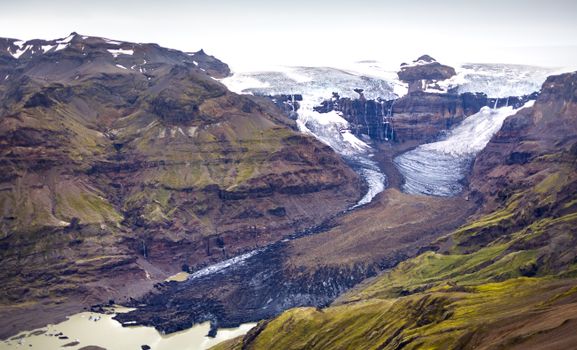
This is perhaps the poster child for accessible glacier experiences. Located in South Iceland, just off the Ring Road, Sólheimajökull is an outlet glacier of the mighty Mýrdalsjökull ice cap. You can drive right to a parking lot, and from there, it’s a relatively easy 15-20 minute walk along a well-maintained gravel path to the glacier's tongue and its stunning meltwater lagoon.
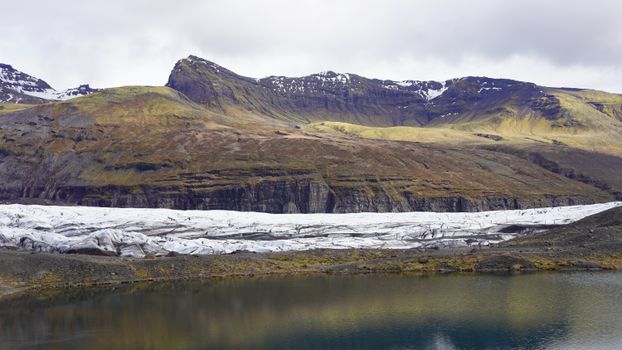
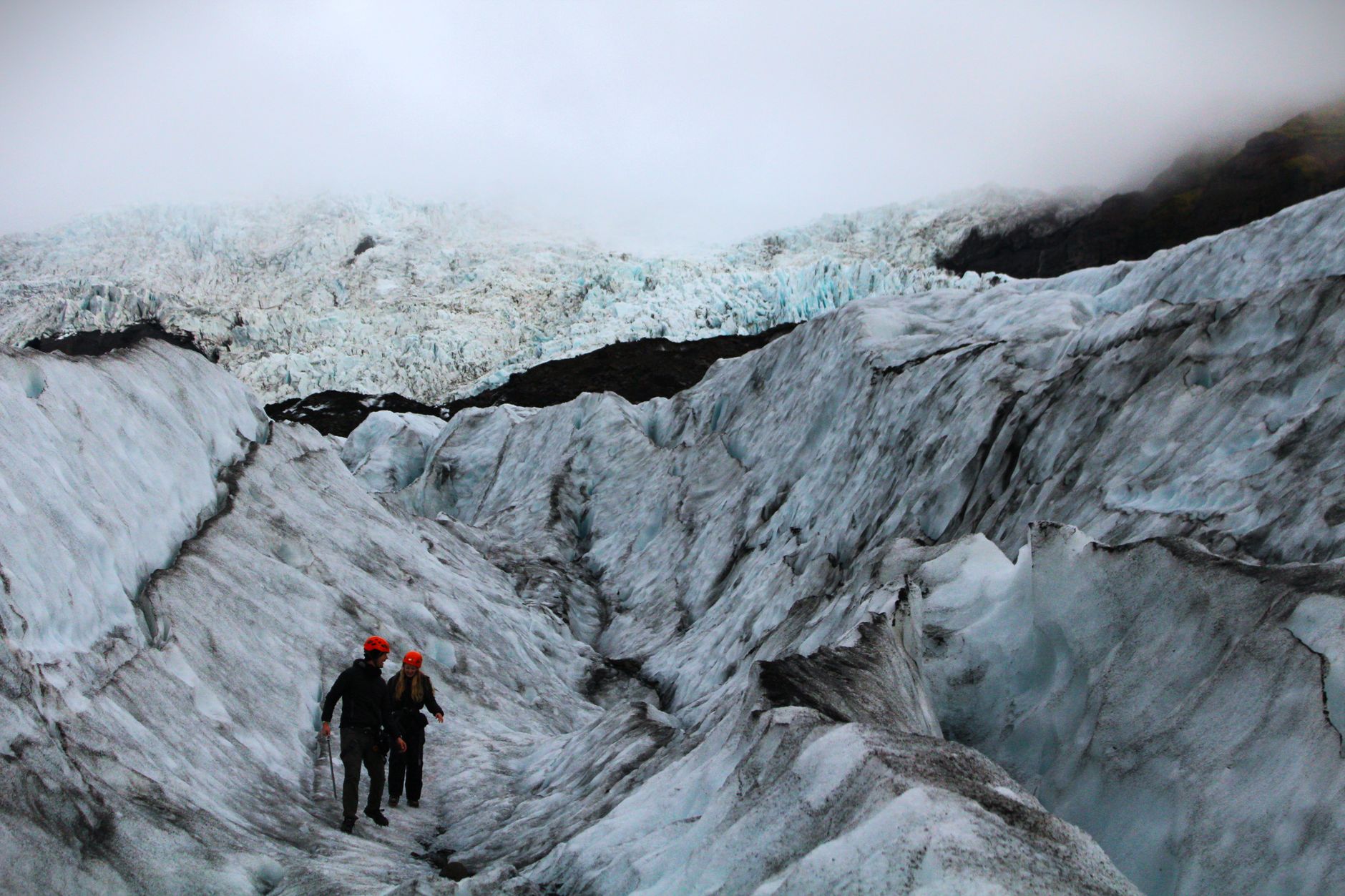
- What to Expect: As you approach, the landscape transforms from green moss to a stark, rocky moraine. The glacier itself is a mesmerizing mix of black volcanic ash and brilliant blue ice. You'll see small meltwater streams flowing, and if you’re lucky, you might even hear the creaking and groaning of the ice as it slowly moves. The lagoon at its base often has small icebergs floating in it, perfect for dramatic photos.
- My Anecdote: My first time here, I was genuinely surprised by how close I could get. The path ends at a roped-off area for safety, but standing there, watching chunks of ice calve into the lagoon, felt incredibly intimate. I spent an hour just absorbing the sounds and sights, marveling at the sheer scale. My waterproof hiking sneakers handled the damp, rocky terrain with ease.
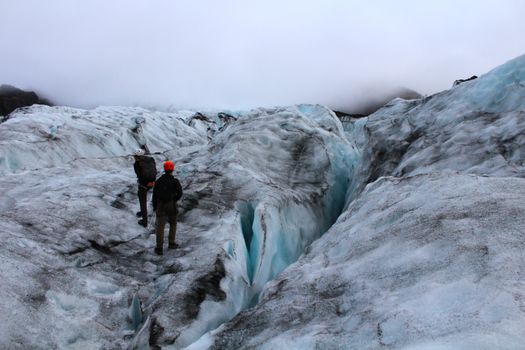
- Practical Tips: While you can walk right up to the edge, do not venture onto the main glacier body without a certified guide and proper equipment (crampons, ice axe). There are plenty of guided tours available if you want to go further onto the ice, but for a "sneaker walk," stick to the marked paths and viewpoints. Wear waterproof shoes with good grip – the ground can be wet and uneven. Layers are essential, as the weather can change quickly.
- Approximate Cost: Free to access the walking path and viewpoints. Guided glacier walks (with gear) typically start from €60-€100.
Skaftafell Nature Reserve (Vatnajökull National Park):
While many come here for more strenuous hikes, parts of Skaftafell offer stunning glacier views and approaches that are sneaker-friendly. The Visitor Centre is a hub for trails.
- What to Expect: Shorter trails, like the one to Svínafellsjökull (another outlet glacier), offer incredible views. The landscape here is dramatic, with sharp peaks framing the vast ice cap. You can often walk along the glacial outwash plains, where meltwater carves intricate patterns through the sediment.
- My Anecdote: I remember a particularly crisp morning, walking along a path near the Skaftafell Visitor Centre, and suddenly, through a break in the clouds, the enormous Vatnajökull ice cap revealed itself. It felt like stepping into a National Geographic documentary. The sheer scale is humbling.
- Practical Tips: Check trail conditions at the Visitor Centre. Some paths might be rocky or muddy. Again, waterproof, sturdy sneakers are your best friend. Respect all warning signs and stay on marked trails.
- Approximate Cost: Free to access the park and trails.
Destination Spotlight 2: Patagonia (Argentina/Chile) – Southern Wonders, Gentle Approaches
Patagonia, a land of rugged peaks and vast icefields, might seem intimidating, but it also hides some incredibly accessible glacier experiences.
Perito Moreno Glacier (Argentina):
This isn't just a "sneaker glacier" – it's a spectacle! Located in Los Glaciares National Park near El Calafate, Perito Moreno is one of the few advancing glaciers in the world. While you can do ice treks on the glacier with guides and crampons, the extensive network of walkways offers unparalleled views and approaches that are entirely sneaker-friendly.
- What to Expect: Imagine a vast, undulating wall of brilliant blue and white ice, several stories high, constantly groaning, creaking, and dramatically calving huge chunks into Lago Argentino. The walkways allow you to get incredibly close, offering multiple perspectives, from panoramic vistas to intimate views of the glacier's face. You can spend hours here, simply watching nature's most impressive show.
- My Anecdote: I remember standing on one of the lower platforms, the air vibrating from a deep rumble. Then, with a thunderous crack, a massive chunk of ice, the size of a small building, broke off and plunged into the turquoise water below, sending up a colossal splash. The collective gasp from the crowd, followed by cheers, was unforgettable. My sneakers were perfectly adequate for navigating the well-maintained metal walkways.
- Practical Tips: The walkways are accessible for all fitness levels. Bring a good camera, sunglasses (the glare off the ice is intense), and layers. There are cafes and restrooms at the park. Book your bus transfer from El Calafate in advance.
- Approximate Cost: National Park entrance fee (around $30-40 USD, varies for foreigners). Bus transfer from El Calafate (around $20-30 USD round trip).
Laguna Torre Trail (El Chaltén, Argentina):
While this is primarily a mountain hike, the end point offers stunning views of Glacier Grande and Cerro Torre, with opportunities to get close to the meltwater lagoon and glacial moraine.
- What to Expect: The trail itself is a moderate 3-4 hour walk (one way) through forests and open valleys. The reward is the dramatic Laguna Torre, often dotted with icebergs calved from Glacier Grande, which tumbles down from the Fitz Roy massif. You can walk along the rocky shore of the lagoon, getting a sense of the glacier's power.
- My Anecdote: Reaching Laguna Torre after a rewarding hike, and seeing those jagged peaks reflected in the iceberg-filled water, felt like stepping into a postcard. I found a quiet spot on the rocky shore, close enough to feel the chill from the ice, and just took it all in. My waterproof trail runners were perfect for the varied terrain.
- Practical Tips: While the trail is well-marked, it can be muddy in spots. Sturdy, waterproof hiking sneakers are a must. Bring plenty of water, snacks, and layers. The weather in Patagonia is famously unpredictable.
- Approximate Cost: Free (part of Los Glaciares National Park).
Destination Spotlight 3: The Alps (France/Switzerland/Italy) – High Peaks, Low Effort Glaciers
The European Alps, a playground for mountaineers, also offer surprisingly easy access to glacial landscapes, often via scenic cable cars and well-maintained paths.
Mer de Glace (Chamonix, France):
Translating to "Sea of Ice," the Mer de Glace is France's largest glacier. While accessing its main body requires mountaineering, a charming cog railway takes you high up the mountain for incredible views and an opportunity to visit an ice cave carved into the glacier.
- What to Expect: The Montenvers train from Chamonix provides a stunning ascent. From the station, you descend via a gondola and then a series of metal stairs (which are adjusted as the glacier melts) to reach the entrance of the "Grotte de Glace" or Ice Grotto. Inside, you walk through beautifully lit tunnels and chambers carved directly into the glacier. You'll also find a museum and crystal gallery.
- My Anecdote: Walking down those hundreds of steps, knowing I was descending towards a living glacier, was exhilarating. Inside the ice cave, the ethereal blue light and the sheer artistry of the ice formations were breathtaking. My sneakers were perfectly fine for the train, gondola, and stairs (though they got a good workout!).
- Practical Tips: The number of steps to the ice cave can be challenging for some, but it's entirely manageable at your own pace. Wear comfortable shoes with good grip, as the stairs can be damp. Check opening times, especially for the ice cave, which closes in winter.
- Approximate Cost: Montenvers train ticket (around €38-€45 for a round trip, including gondola and ice cave access).
Aletsch Glacier (Switzerland):
The longest glacier in the Alps, the Great Aletsch Glacier is a UNESCO World Heritage site. While getting on it requires a guide, there are numerous panoramic viewpoints and easy walking trails along its edge, offering spectacular vistas.
- What to Expect: Access is often via cable cars from villages like Fiesch, Bettmeralp, or Riederalp. From the upper stations, well-maintained paths lead to incredible viewpoints overlooking the vast ice stream. You can walk along the "glacier path" (Gletscherweg) which traces the glacier's lateral moraine.
- My Anecdote: Standing on the Eggishorn viewpoint, looking down at the immense, curving ribbon of ice that is the Aletsch Glacier, felt like being on top of the world. The sheer scale is mind-boggling. I spent hours walking along the well-marked trails, taking in different perspectives, all in my regular hiking sneakers.
- Practical Tips: Plan your route using the local cable car network. Trails vary in difficulty, but many offer easy, relatively flat sections with incredible views. Bring layers, sun protection, and plenty of water.
- Approximate Cost: Cable car tickets vary depending on your starting point and desired route (expect CHF 30-60+ for a round trip).
Beyond the Ice: Essential Tips for Your Sneaker Glacier Adventure
So, you're ready to embark on your "sneaker glacier" quest? Fantastic! Here’s what you need to know to make your trip safe, enjoyable, and utterly unforgettable.
- Footwear is King (Even if it’s "Just Sneakers"):
- Waterproof is Non-Negotiable: You'll be near meltwater, damp earth, and possibly even shallow puddles. Gore-Tex or similar waterproof membranes are essential.
- Good Grip: The terrain can be rocky, gravelly, and uneven. Look for sneakers with sturdy outsoles and aggressive tread patterns – think trail running shoes or light hiking shoes. Avoid flat-soled fashion sneakers!
- Ankle Support (Optional but Recommended): While not strictly necessary for all paths, a low-cut hiking shoe offers more stability than a typical sneaker, especially on uneven terrain.
- Layer Up, Buttercup!
- Glacier environments are notoriously fickle. Even on a sunny day, the air near ice can be surprisingly cold.
- Base Layer: Moisture-wicking material (not cotton!).
- Mid-Layer: Fleece or a light down jacket for warmth.
- Outer Shell: Waterproof and windproof jacket.
- Hat & Gloves: Even in summer, these can be lifesavers.
- Essential Gear Checklist:
- Water Bottle: Stay hydrated!
- Snacks: Energy for your adventure.
- Sun Protection: Sunglasses (glare off ice is intense!), sunscreen, lip balm with SPF. UV radiation is stronger at higher altitudes and reflected by ice.
- Camera/Phone: For those Instagram-worthy shots! A portable charger is a good idea.
- Small Backpack: To carry your layers and essentials.
- Safety First (Always!):
- Stay on Marked Paths: This is the golden rule. Paths are marked for a reason – they avoid unstable ground, hidden crevasses, and dangerous meltwater channels.
- Respect Warning Signs: Ropes, signs, and barriers are there to protect you. Never cross them.
- Never Go Onto Unsupervised Ice: I cannot stress this enough. If you want to walk on the main glacier body, hire a certified guide and use proper equipment (crampons, ice axe, ropes). "Sneaker walks" are about approaching and viewing glaciers from safe, stable ground or designated accessible areas.
- Tell Someone Your Plans: If you're venturing on a longer trail, let someone know your route and estimated return time.
- Check Conditions: Before heading out, check local weather forecasts and trail conditions.
- Leave No Trace:
- Pack out everything you pack in.
- Stay on designated trails.
- Do not disturb wildlife or natural features.
- Respect the fragility of these environments.
- Capture the Moment (and Share!):
- Perspective is Key: Experiment with wide-angle shots to capture the scale, and close-ups of ice formations or meltwater patterns.
- Golden Hour: Early morning or late afternoon light can create magical hues on the ice.
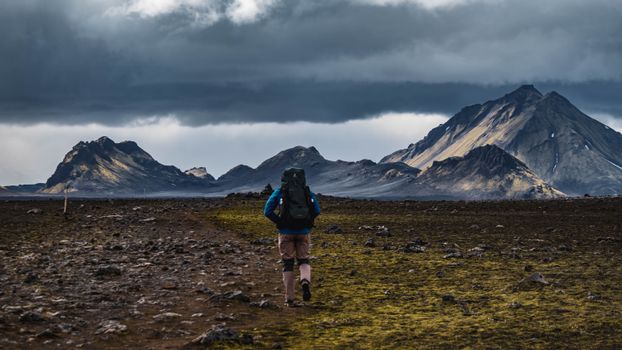
- Include Yourself: A small figure against a massive glacier emphasizes the grandeur. Make it personal, make it shareable! #SneakerGlacierAdventures #TripsoraTravels
Conclusion: Your Icy Adventure Awaits!
There's something profoundly moving about standing at the foot of a glacier, witnessing its slow, powerful dance with the landscape. It's a reminder of Earth's ancient history, its incredible geological forces, and the urgent beauty of places that are, sadly, changing rapidly.
These "sneaker glacier" experiences offer a unique, accessible, and deeply personal way to connect with these icy giants. They strip away the need for specialized gear and intense training, opening up a world of wonder to anyone with a thirst for adventure and a decent pair of waterproof shoes.
But here’s the kicker: these accessible spots won't stay secret forever. As word gets out, and sadly, as glaciers continue to recede, these easy approaches might change. So, if you've ever dreamt of seeing a glacier up close, now is the time.
Which glacier will be your first "sneaker" adventure? Have you already discovered a secret spot? Share your experiences and tag us on social media! Let's inspire more travelers to explore these magnificent, approachable icy wonders before they become mainstream. The world is waiting, and your sneakers are ready.
---