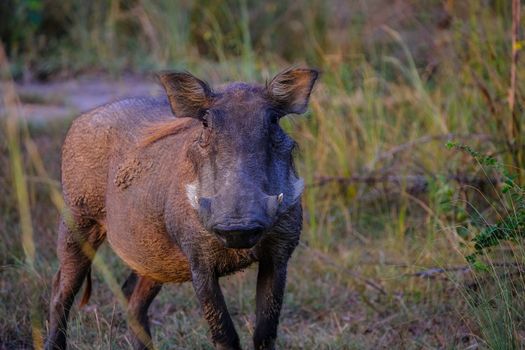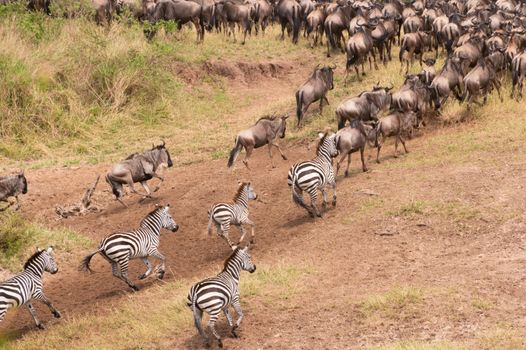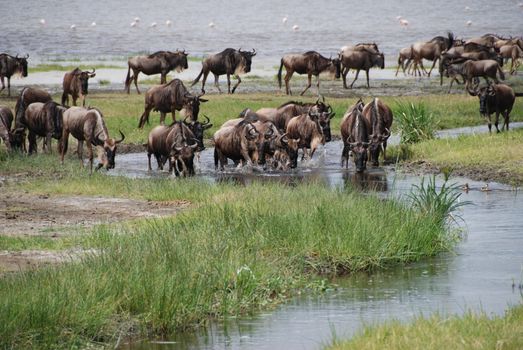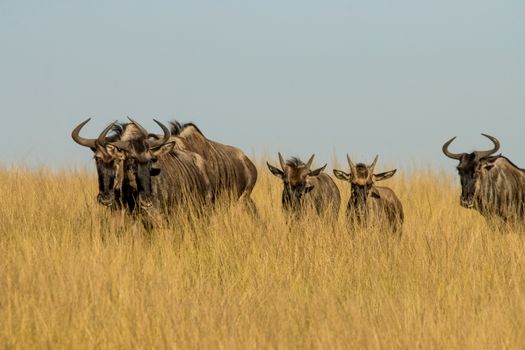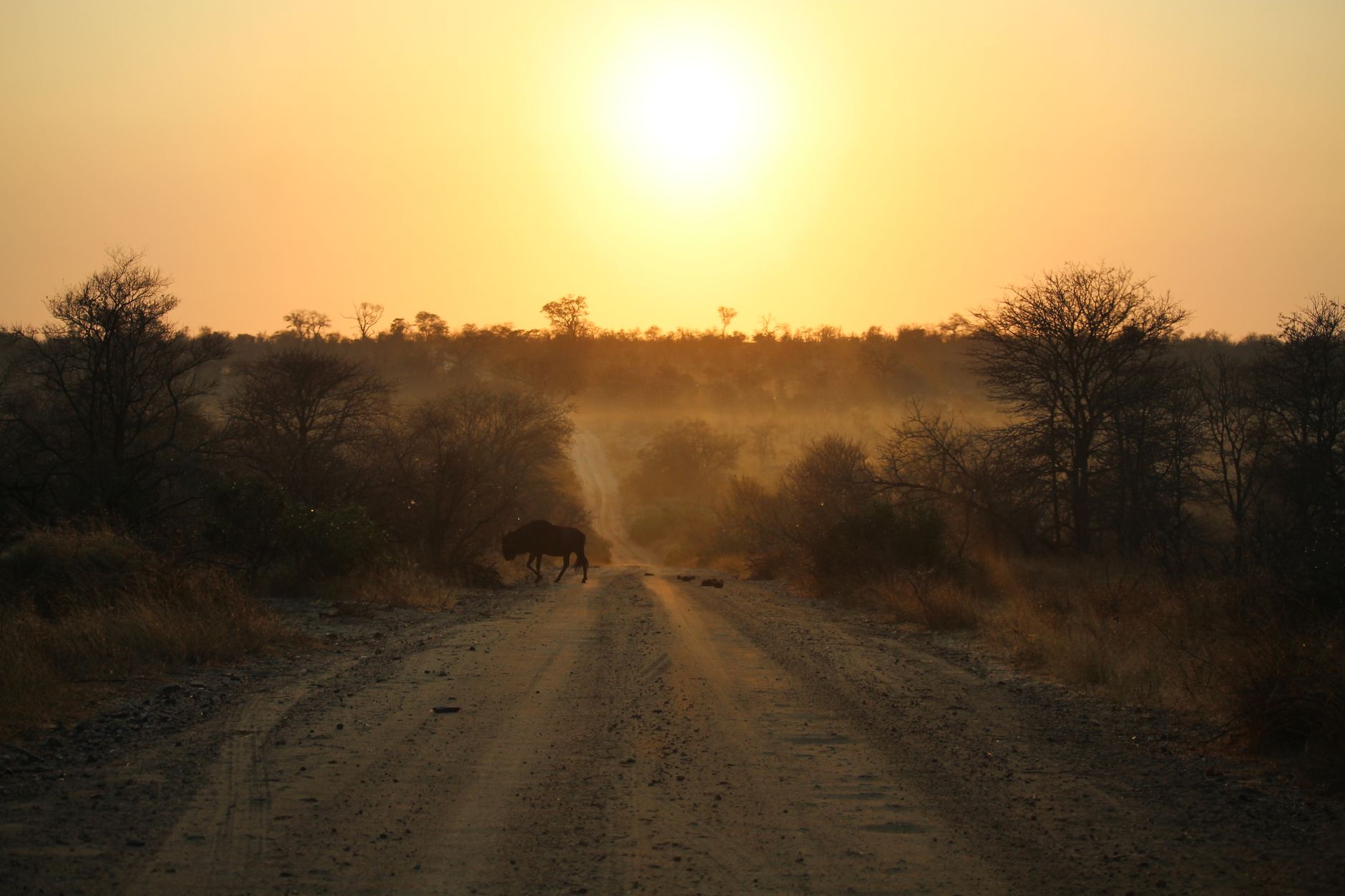
My first safari in Tanzania changed me. The rumble of the Land Cruiser, the dust rising in golden plumes, the heart-stopping roar of a lion just meters away – it was pure, unadulterated magic. An experience that carved itself into my soul. But as I watched the sun dip below the endless plains, painting the sky in fiery hues, a thought sparked: what else is out there? What if I craved the thrill of the wild, but with an entirely different backdrop, different creatures, a different kind of magic?
That's when my quest began – a journey to redefine "safari." Because "safari" isn't just an African word; it's a Swahili term meaning "journey." And a journey of discovery can lead you anywhere the wild heart beats. If you, like me, are yearning for an extraordinary wildlife encounter that breaks the mold, then pack your bags and set your sights on November 2025. We're going beyond Africa, to discover a world of untamed beauty and unforgettable encounters.
Why Venture Beyond the African Savanna? A World of Untamed Wonders Awaits
Don't get me wrong, Africa holds a special place in my heart. But the world is vast, and its biodiversity is astounding. Opting for a non-African safari opens up a kaleidoscope of unique experiences you simply won't find anywhere else.
First, there's the unique biodiversity. Imagine spotting a Bengal tiger ghosting through the Indian jungle, a magnificent jaguar lounging on a riverbank in Brazil, or a family of pumas traversing the rugged peaks of Patagonia. These are creatures with their own distinct narratives, inhabiting ecosystems vastly different from the African plains. You'll encounter species endemic to their regions, offering truly once-in-a-lifetime sightings.
Then, there are the diverse landscapes. Trade acacia trees for towering rainforests, vast wetlands, snow-capped mountains, or ancient deserts. Each landscape offers a unique challenge and reward for wildlife spotting, promising an adventure that feels fresh and exhilarating.
Often, these destinations also mean fewer crowds. While some parks are popular, many non-African safari experiences offer a more intimate, less commercialized encounter with nature. It’s about feeling truly immersed, with the sounds of the wild as your only soundtrack.
Finally, these journeys often intertwine with rich cultural immersion. You're not just observing wildlife; you're often engaging with local communities, learning about indigenous conservation efforts, and experiencing vibrant cultures that have coexisted with these wild inhabitants for centuries. And November 2025? It's a prime window for many of these incredible regions, offering ideal weather, post-monsoon lushness, or seasonal wildlife behaviors that make for spectacular viewing.
Asia's Majestic Beasts: Tigers, Leopards & the Heart of the Jungle
Asia, a continent of staggering diversity, holds some of the world's most iconic and elusive predators. November, often post-monsoon, ushers in clear skies and lush landscapes, making it an excellent time for wildlife viewing.
India: Land of the Royal Bengal Tiger
For many, the Bengal tiger is the ultimate safari prize. India is its stronghold, and November marks the beginning of the dry season, which means animals congregate around dwindling water sources, making sightings more likely.
- Ranthambore National Park, Rajasthan: This is perhaps India's most iconic tiger reserve, famed for its ancient fort ruins that serve as a dramatic backdrop to your wildlife sightings. The park is relatively small, leading to a high density of tigers and excellent chances of spotting them. I remember the sheer anticipation on my first Ranthambore jeep safari – the silence before the rustle in the tall grass, then the electrifying flash of orange and black as a tigress emerged, completely unfazed by our presence. It was a moment of pure, primal awe.
- Practicalities: Safaris are conducted in open-top jeeps (Gypsies) or canters (larger open buses). Permits are limited and sell out months in advance. You'll typically do morning and afternoon drives.
- Estimated November 2025 Costs: A 3-day tiger safari package, including accommodation (mid-range lodge), transfers from Jaipur, park permits, and 4-6 jeep safaris, could range from $800 - $1,500 USD per person.
- Bandhavgarh National Park, Madhya Pradesh: Known for having one of the highest tiger densities in India, Bandhavgarh offers a fantastic opportunity to see these magnificent cats. Its diverse terrain, including grasslands and rocky hills, adds to the adventure.
Sri Lanka: Leopards, Elephants, and a Tropical Paradise
This teardrop island nation off India's southern coast is a wildlife hotspot, particularly renowned for its leopards and elephants. November is post-monsoon, meaning the landscape is green and vibrant, and the animals are active.
- Yala National Park: Boasting one of the world's highest concentrations of leopards, Yala is a must-visit for big cat enthusiasts. My encounter here was unforgettable: after hours of searching, our guide, a local legend with eyes like a hawk, pointed to a rocky outcrop. There it was – an elusive leopard, camouflaged perfectly, lounging in the afternoon sun. It was a moment of pure triumph and utter privilege.
- Practicalities: Safaris are conducted in private jeeps. Half-day or full-day options are available. The park can get busy, so choose a reputable operator who understands responsible viewing.
- Estimated November 2025 Costs: A full-day safari including park fees, a private jeep, and an experienced guide might cost around $150 - $250 USD per person. Accommodation in eco-lodges just outside the park is highly recommended.
- Wilpattu National Park: Sri Lanka's largest national park offers a less crowded experience than Yala, with a beautiful landscape of natural lakes (villus) that attract a wide array of wildlife, including leopards, sloth bears, and large herds of elephants.
The Untamed Americas: Jaguars, Pumas & Amazonian Wonders
Crossing oceans to the Americas reveals a completely different, yet equally thrilling, spectrum of wildlife. From the vast wetlands of Brazil to the rugged peaks of Patagonia, November offers unique windows into these incredible ecosystems.
Brazil's Pantanal: The Jaguar Capital of the World
Forget the Amazon for jaguars; the Pantanal is where you go to find them. The world's largest tropical wetlands, straddling Brazil, Bolivia, and Paraguay, is an ecological marvel. November is the shoulder season, transitioning from dry to wet, but still excellent for jaguar spotting as receding water levels concentrate prey along the rivers.
- Northern Pantanal (Porto Jofre): This region is legendary for its jaguar sightings. Unlike African safaris where you primarily drive, the Pantanal experience is largely focused on boat safaris along the Cuiabá River and its tributaries. I vividly recall cruising silently down a narrow channel, the humid air thick with the chirping of insects and distant bird calls. Then, there – a magnificent jaguar, its rosette-patterned coat gleaming, lounging on the riverbank, completely unfazed by our presence. It turned its head slowly, met my gaze, and then, with an almost regal air, ambled into the dense foliage. It was raw, powerful, and utterly breathtaking.
- Practicalities: Stays are typically at fazendas (cattle ranches converted into eco-lodges) that offer guided boat trips, horseback riding, and piranha fishing. Book a package that includes transfers from Cuiabá.
- Estimated November 2025 Costs: A 5-7 day all-inclusive Pantanal jaguar safari package (accommodation, meals, transfers, multiple daily excursions) can range from $2,500 - $4,500 USD per person.
Chilean Patagonia: Pumas of Torres del Paine
For a truly wild and challenging experience, head south to the dramatic landscapes of Chilean Patagonia. Torres del Paine National Park, famous for its granite spires and turquoise lakes, is also one of the best places in the world to track wild pumas. November is spring in Patagonia, offering longer daylight hours, fewer crowds than peak summer, and active wildlife, including puma mothers with their cubs.
- Torres del Paine National Park: This isn't your typical jeep safari. Puma tracking here involves hiking alongside expert trackers who scour the vast, rugged terrain for signs of these elusive big cats. It's a test of patience, endurance, and keen observation. The reward? Witnessing a puma in its natural, spectacular habitat – stalking guanacos, resting on a rocky perch, or even playing with its young. The sheer scale of the landscape, with glaciers and mountains as your backdrop, makes every moment feel epic.
- Practicalities: Dedicated puma tracking tours are multi-day and require a good level of fitness. You'll stay in lodges or refugios within or near the park.
- Estimated November 2025 Costs: A 3-5 day puma tracking tour, including expert guides, park fees, transport, and some meals, could cost $1,800 - $3,500 USD per person. Combine this with the iconic W-trek for an ultimate Patagonian adventure.
Australia's Wild Heartbeat: Marsupials, Marine & the Outback's Charm
Australia offers a safari experience unlike any other, dominated by unique marsupials, incredible birdlife, and a vibrant marine world. November, being spring/early summer, is a fantastic time to explore many of its diverse ecosystems.
Kangaroo Island, South Australia: A Wildlife Sanctuary
Often called Australia's "Galapagos," Kangaroo Island is a pristine haven for native wildlife, largely untouched by introduced predators. November is spring, meaning pleasant weather, lush scenery, and active animals.
- Kangaroo Island: Here, you'll encounter kangaroos (of course!), wallabies, koalas dozing in eucalyptus trees, playful echidnas, and a thriving population of Australian sea lions and New Zealand fur seals. I spent an evening watching kangaroos graze peacefully at sunset, completely wild and unconcerned by my presence, the golden light illuminating their powerful forms. It was an incredibly peaceful and uniquely Australian moment that felt worlds away from anywhere else.
- Practicalities: You can explore by self-drive (ferries from Cape Jervis) or join guided tours. Allow at least 2-3 days to truly immerse yourself. Don't miss the Remarkable Rocks and Admirals Arch.
- Estimated November 2025 Costs: A 3-day guided tour, including ferry transfers, accommodation, some meals, and park entry, could range from $1,200 - $2,000 USD per person.
Tasmania: Devils, Wombats & Pristine Coasts
Australia's island state, Tasmania, is a rugged, wild beauty perfect for those seeking unique marsupials and stunning coastal scenery. November brings perfect spring weather, ideal for exploring.
- Freycinet National Park: Famous for its iconic Wineglass Bay, Freycinet is also home to wallabies, wombats, and a plethora of birdlife. Night walks often reveal nocturnal creatures.
- Bruny Island: A short ferry ride from the mainland, Bruny is a haven for white wallabies, short-beaked echidnas, and little penguins. Take a wildlife cruise around the island's dramatic coastline to spot fur seals, dolphins, and migrating whales (though whale season typically ends in October, you might catch late stragglers!).
- Practicalities: Tasmania is best explored by self-drive. Book accommodation well in advance, especially for popular areas like Freycinet.
- Estimated November 2025 Costs: Accommodation varies widely, but day tours (e.g., Bruny Island cruises) are typically $100 - $300 USD.
Great Barrier Reef (Marine Safari):
While not a 'land' safari, Australia's Great Barrier Reef offers an unparalleled marine wildlife experience. November is an excellent time to visit, before the peak summer heat and stingers, offering calm waters and incredible visibility.
- Cairns & Port Douglas: These are the main departure points for day trips and multi-day liveaboard cruises to the Outer Reef. Dive or snorkel amongst vibrant coral gardens, encounter majestic sea turtles, reef sharks, manta rays, and an astonishing array of tropical fish. It's a breathtaking underwater "safari" that will leave you mesmerized.
- Practicalities: Choose a reputable tour operator committed to sustainable tourism. Learn about responsible snorkeling/diving practices.
- Estimated November 2025 Costs: A full-day reef trip from Cairns or Port Douglas, including equipment, lunch, and guided snorkeling/diving, typically costs $150 - $300 USD per person.
Planning Your Epic November 2025 Safari: Tripsora's Essential Tips
Embarking on a non-African safari in November 2025 is an adventure of a lifetime. To ensure it goes off without a hitch, here are my top actionable tips:
- Book Early, Seriously Early! For November 2025, you should be planning and booking now. This is especially crucial for destinations with limited permits (like India's tiger parks) or small, exclusive lodges (Pantanal, Patagonia). Flights, too, will be cheaper the further out you book.
- Pack Smart & Light:
- Layers: Weather can change quickly, especially in mountains or wetlands.
- Good Walking Shoes/Hiking Boots: Essential for almost all these experiences.
- Wide-Brimmed Hat, Sunglasses, High SPF Sunscreen: Protection from the elements.
- Insect Repellent: Especially important for tropical regions.
- Waterproof Bag/Dry Sack: To protect electronics on boat safaris or in unpredictable weather.
- Reusable Water Bottle: Stay hydrated and reduce plastic waste.
- Camera Gear is Key: You'll want to capture these moments!
- Long Lens (300mm+): Absolutely essential for wildlife photography.
- Extra Batteries and Memory Cards: You don't want to miss a shot!
- Binoculars: For spotting distant wildlife.
- Waterproof Camera/GoPro: For marine safaris.
- Embrace Responsible Tourism: Choose eco-certified operators who prioritize conservation and support local communities. Maintain a respectful distance from wildlife, never feed animals, and leave no trace behind. Your choices directly impact the future of these incredible places.
- Check Visa and Vaccination Requirements: These vary widely by country. Consult your country's foreign affairs department and a travel doctor well in advance.
- Travel Insurance is Non-Negotiable: For remote adventures, comprehensive travel insurance covering medical emergencies, evacuations, and trip cancellations is an absolute must.
- Be Flexible and Patient: Wildlife is wild! There are no guarantees. Embrace the unexpected, enjoy the journey, and trust your experienced guides. Sometimes, the most memorable moments are the quiet ones, simply observing.
Your Next Wild Adventure Awaits!
Stepping beyond the traditional safari narrative opens up a world of unparalleled adventure. From the stealthy tigers of India to the majestic jaguars of Brazil, the elusive pumas of Chile, and the unique marsupials of Australia, November 2025 is calling. It's an invitation to witness nature's raw power and delicate beauty in some of the most spectacular, yet often overlooked, corners of our planet.
These journeys aren't just about ticking off a bucket list; they're about connecting with the wild on a deeper level, understanding the intricate balance of ecosystems, and bringing home stories that will ignite wonder in everyone you meet. November 2025 isn't just another month; it's an opportunity to write your own wild adventure story.
So, which non-African safari calls to your adventurous spirit? Share your dream destination in the comments below! Ready to plan your escape? Explore our curated non-African safari tours on Tripsora and let us help you craft the journey of a lifetime. The wild is waiting!
---