Zero-Waste Travel: The Life-Changing Packing Essentials That Made Me a Happier, Greener Explorer
I remember standing in my tiny guesthouse bathroom in Ubud, Bali, a few years ago, staring at a mountain of plastic. Empty shampoo bottles, half-used lotion tubes, plastic wrappers from snacks I’d bought, disposable razors, and countless tiny plastic water bottles that felt impossible to avoid in the tropical heat. My heart sank. Here I was, immersed in the spiritual beauty of Bali, yet contributing to the very problem that threatened its pristine landscapes. It was my "aha!" moment, a stark realization that my travel habits, despite my best intentions, were leaving a significant footprint.
That trip was a turning point. I vowed to change, to find a way to explore the world without leaving a trail of waste. What started as a challenge quickly evolved into a passion, and then, a way of life. I began researching, experimenting, and slowly, meticulously, curating a collection of zero-waste travel packing essentials. These weren't just items; they were game-changers. They didn't just lighten my backpack; they lightened my conscience, saved me money, and made my travel experiences richer, more authentic, and deeply connected to the places I visited.
If you’re tired of feeling guilty about your travel footprint, if you dream of packing lighter, spending smarter, and exploring more responsibly, then you’re in the right place. These are the zero-waste packing essentials that truly changed my life forever, and I promise, they’ll change yours too.
The Paradigm Shift: Why Zero-Waste Travel Isn't Just a Trend
Before diving into the nitty-gritty of what to pack, let's talk about the why. For me, zero-waste travel isn't just about being "trendy" or "eco-chic." It's a profound shift in mindset that impacts every aspect of your journey.
Firstly, there's the undeniable environmental impact. The statistics are staggering: millions of tons of plastic waste end up in our oceans and landfills every year, much of it single-use items. As travelers, we often consume more single-use plastics – water bottles, coffee cups, takeaway containers – simply out of convenience. By adopting zero-waste habits, we directly reduce this burden, protecting the very natural wonders and local communities we travel so far to experience. Imagine trekking through Patagonia, its glaciers sparkling, knowing you haven't contributed to the plastic pollution washing up on its shores. Or exploring the vibrant marine life of the Great Barrier Reef, knowing your choices are helping preserve it.
Beyond the planet, there's a significant financial benefit. Think about it: how much do you spend on bottled water, disposable coffee cups, or overpriced travel-sized toiletries? Those costs add up quickly, especially on longer trips. Investing in reusable essentials is a one-time cost that pays for itself many times over. I've saved hundreds of dollars on water alone since I started carrying a filter bottle.
Finally, and perhaps most surprisingly, zero-waste travel offers a sense of liberation. Packing lighter, with fewer disposable items, means less clutter, less stress, and more focus on the experience itself. It forces you to be more mindful, to seek out local solutions, and to engage more deeply with your surroundings. It's a minimalist approach that brings maximum joy and a clear conscience.
My Non-Negotiable Zero-Waste Packing Essentials: The Game Changers
These are the items that have earned their permanent spot in my travel bag. They’ve been with me through bustling markets in Marrakech, serene temples in Kyoto, and adventurous hikes in the Dolomites.
1. The Mighty Filter Water Bottle: My Hydration Hero
This is, without a doubt, my number one zero-waste essential. Before, I was constantly buying plastic bottles, especially in countries where tap water wasn't safe to drink. The guilt was immense. My life changed when I invested in a LARQ self-cleaning water bottle (around $99) with a built-in UV-C light purifier. For slightly less, LifeStraw Go (around $40-50) bottles also offer excellent filtration for unsafe tap water.
- Why it's a game-changer: No more single-use plastic bottles! I can fill up from almost any tap, stream, or public fountain with confidence. It saves me money (a huge amount over time, especially in places like Europe where bottled water can be €2-€3 a pop) and significantly reduces my plastic footprint. Plus, staying hydrated is crucial for comfortable travel.
- Pro Tip: Always carry a smaller, foldable silicone cup as well. It’s great for impromptu coffee, wine, or even a quick rinse in a shared hostel bathroom.
2. Solid Toiletries: The Bar None Best Choice
Remember that mountain of plastic bottles in Bali? Solid toiletries obliterated that problem. Switching to shampoo, conditioner, and body soap bars (and even solid toothpaste tabs!) was a revelation.
- Why it's a game-changer:
- No liquid limits: Breeze through airport security without worrying about 3-1-1 rules.
- Lasts longer: A single shampoo bar can last for 60-80 washes, equivalent to 2-3 bottles of liquid shampoo. This means fewer purchases and less waste. I've had Ethique shampoo bars (around $16) last me an entire month-long trip!
- Compact & lightweight: They take up less space than bottles and don’t leak.
- Zero plastic: Most come in cardboard packaging or are completely package-free.
- My Go-To: Lush, Ethique, and Chagrin Valley Soap & Salve are fantastic brands. I pack them in small, breathable tin containers or reusable soap bags to keep them dry. Don't forget a solid deodorant stick too!
3. Reusable Produce & Shopping Bags: The Unsung Heroes of Sustainable Shopping
This might seem obvious, but it’s amazing how many travelers forget this simple essential. Whether you’re browsing a farmer’s market in Provence or picking up snacks at a convenience store in Tokyo, having your own bags is crucial.
- Why it's a game-changer: Say goodbye to flimsy plastic bags for groceries, souvenirs, or even dirty laundry. I carry a few lightweight, foldable mesh produce bags (great for fruit and veggies) and one larger, sturdy canvas tote bag. They take up virtually no space and weigh next to nothing.
- Personal Anecdote: During a road trip through Portugal, I used my mesh bags daily at local markets, filling them with fresh oranges, olives, and bread. Not only did I avoid plastic, but vendors often gave me a little extra because they appreciated the effort. It felt like a small, authentic connection.
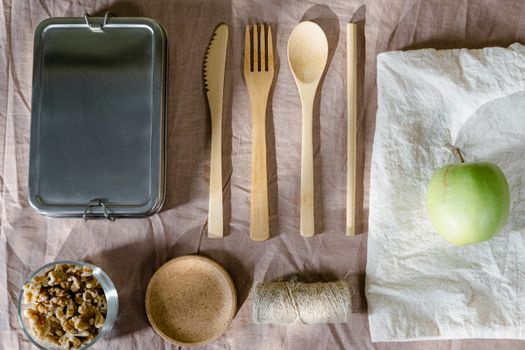
4. Travel Cutlery Set & Reusable Straw: Dine Out, Waste-Free
Ever grabbed a takeaway meal or a refreshing smoothie and ended up with a plastic fork and straw you didn't want? This simple set solves that.
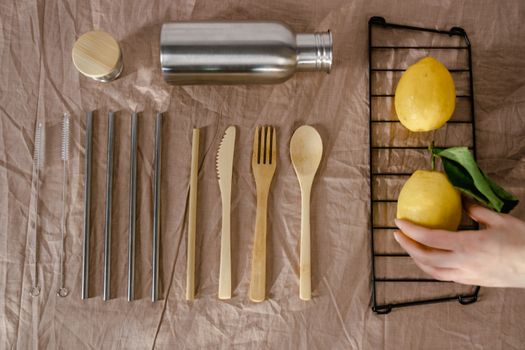
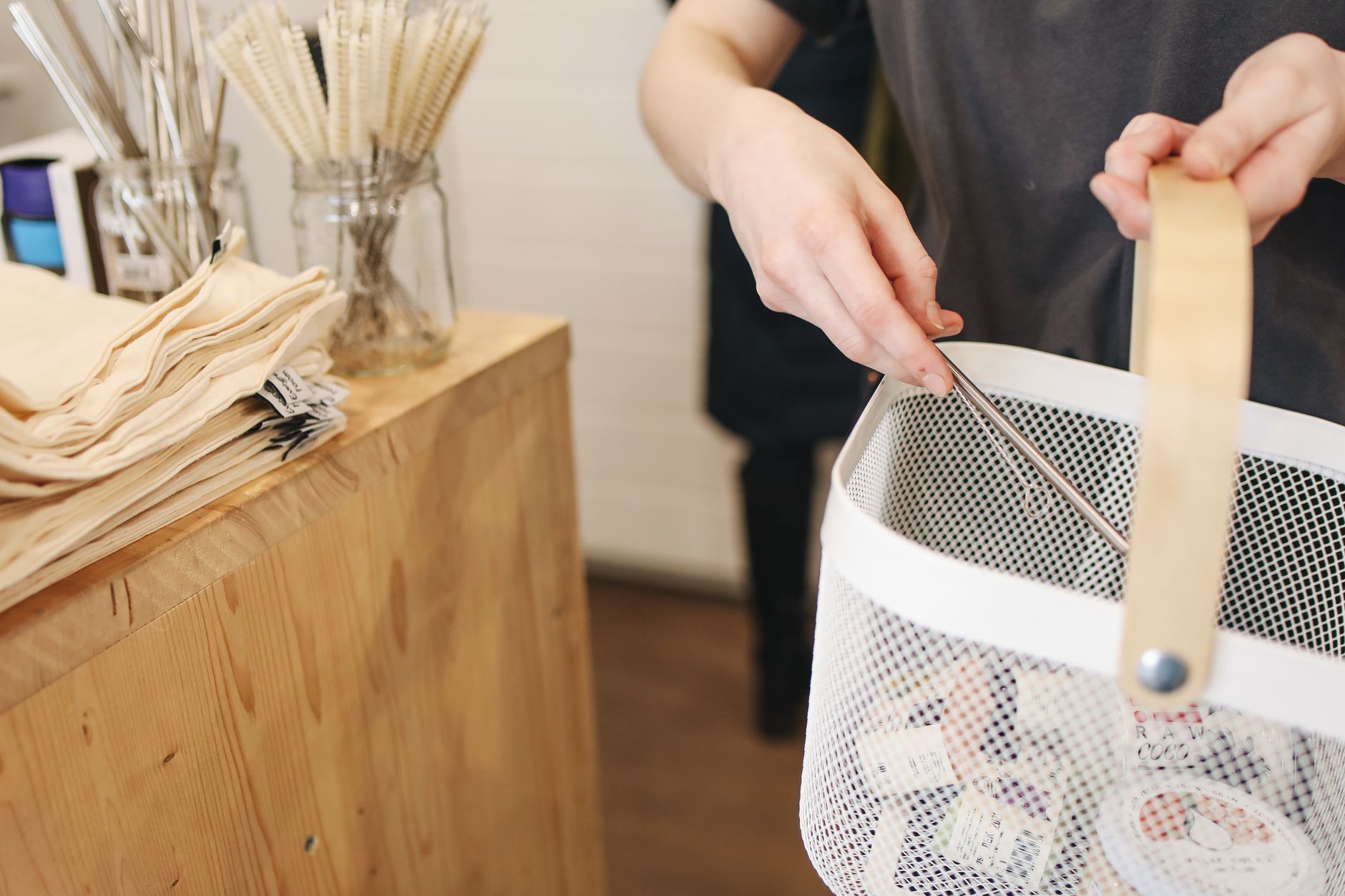
- Why it's a game-changer: A compact bamboo or stainless steel cutlery set (fork, spoon, knife, chopsticks) and a reusable straw (stainless steel or silicone) in a small pouch mean you’re always prepared. I’ve used mine everywhere from street food stalls in Vietnam to picnic lunches by the Seine.
- Pro Tip: Keep it in your day bag so it’s always accessible. Some sets even come with a small cleaning brush for the straw. I picked up a lovely bamboo set for about $15 online, and it’s been with me for years.
5. Menstrual Cup / Reusable Pads: A Game-Changer for Half the Population
For anyone who menstruates, this is a revolutionary zero-waste swap. Disposable pads and tampons create an enormous amount of waste, especially when traveling.
- Why it's a game-changer: A menstrual cup (like a DivaCup or Lena Cup, around $25-40) can be worn for up to 12 hours, is reusable for years, and eliminates the need for dozens of disposables per cycle. Reusable cloth pads are another excellent option. This means no more searching for specific products in foreign pharmacies, no worrying about disposal, and significantly less waste.
- Personal Anecdote: I was initially hesitant, but after trying a menstrual cup before a backpacking trip through Southeast Asia, I was hooked. It made my period virtually unnoticeable, even during long bus rides and jungle treks, and I didn't have to worry about finding bins for disposal in remote areas.
6. Reusable Cloth Napkins/Handkerchiefs: Small Swaps, Big Impact
This might seem minor, but think about how many paper napkins or tissues you go through on a trip.
- Why it's a game-changer: A few lightweight cloth napkins or handkerchiefs (I usually pack 3-4) are perfect for wiping hands, spills, or even drying your face. They wash easily and dry quickly.
- Bonus: They can also double as a small towel in a pinch or a makeshift headscarf. I bought a pack of organic cotton handkerchiefs for about $10, and they’ve proven incredibly versatile.
Beyond the Basics: Advanced Zero-Waste Hacks for the Savvy Traveler
Once you’ve mastered the essentials, you can take your zero-waste game even further.
The Capsule Wardrobe & Packing Light: Less is Truly More
This isn't strictly a "zero-waste item," but it's a foundational principle. The less you pack, the less you consume, and the lighter your environmental footprint. Embrace a capsule wardrobe: versatile pieces that mix and match, quick-drying fabrics, and items that can serve multiple purposes. This reduces laundry frequency (saving water and energy) and the temptation to buy unnecessary clothing. My packing list for a two-week trip rarely exceeds a carry-on, even for diverse climates.
Digital Documents & Entertainment: The Paperless Journey
Ditch paper maps, guidebooks, boarding passes, and even physical books. Your phone or tablet can store everything you need: e-tickets, offline maps (like Google Maps or Maps.me), e-books, and travel guides. This saves trees and reduces the clutter in your bag.
Mindful Consumption: Food, Souvenirs & Experiences
- Eat Local: Prioritize restaurants that use local, seasonal ingredients and avoid excessive packaging. Seek out farmer's markets for fresh produce.
- Bulk Bins: If you need snacks, look for stores with bulk bins where you can fill your own reusable containers.
- Experiences Over Things: Instead of buying cheap, plastic souvenirs, invest in experiences – a cooking class, a guided hike, a traditional performance. If you do buy souvenirs, choose handmade, locally sourced items that support artisans and minimize packaging.
Choosing Sustainable Accommodation: Your Home Away From Home
When booking, look for accommodations that prioritize sustainability. Many hotels now have certifications or state their eco-friendly practices – think solar panels, water-saving initiatives, recycling programs, and avoiding single-use toiletries in rooms (though you'll have your own solid bars anyway!). Even choosing a hostel with a kitchen allows you to cook some of your own meals, reducing packaging from takeout.
My Zero-Waste Travel Stories: Real-World Impact
I often get asked if it’s really possible to travel zero-waste, especially in developing countries. My answer is always: it's a journey, not a destination, and every effort counts.
I remember a trip to a remote village in Northern Thailand. Finding bottled water was easy, but finding recycling was almost impossible. My filter bottle became my absolute lifeline. I filled it from communal water dispensers, knowing I wasn't adding to the local waste problem. The villagers, seeing my reusable bottle, often smiled and gave me extra attention, sometimes even offering to fill it for me. It fostered a silent understanding and respect.
Another time, exploring the ancient ruins of Pompeii, Italy, under the scorching summer sun, my reusable water bottle was a constant companion. While tourists around me were constantly buying new, cold plastic bottles (and paying tourist prices!), I simply refilled mine at the ancient fountains, often catching a surprised glance and a nod of approval from locals. It felt like I was tapping into the very history of the place, using water sources that had quenched thirst for millennia, rather than contributing to modern waste.
And then there's the sheer joy of packing light. For a two-week city break across Germany and Austria, I packed everything into a carry-on. No checked bags, no waiting at carousels, no lost luggage. My solid toiletries and minimalist wardrobe meant I could move freely, spontaneously, and focus entirely on soaking in the culture, from the Weihnachtsmarkt in Munich to the imperial palaces of Vienna. The freedom was exhilarating.
Addressing the Doubts: Is It Really Possible to Be 100% Zero Waste?
Let's be real: achieving 100% zero-waste travel, especially in all corners of the globe, can be incredibly challenging, if not impossible. There will be times when you encounter plastic you can't avoid, or when your best efforts fall short. And that's okay.
The goal isn't perfection; it's progress. It's about being mindful, making conscious choices, and continuously striving to reduce your impact. Every single plastic bottle you don't buy, every takeaway container you don't use, every souvenir you don't impulse-purchase contributes to a healthier planet and a more sustainable travel ecosystem.
Don't let the pursuit of perfection paralyze you. Start small. Pick one or two items from this list and incorporate them into your next trip. You’ll be amazed at the ripple effect.
Your Journey Starts Now: Embrace the Zero-Waste Adventure!
My journey into zero-waste travel didn't just change my packing list; it changed my entire philosophy of exploration. It taught me to be more resourceful, more observant, and more grateful for the incredible beauty of our planet. It connected me more deeply with the places I visited and the people I met.
These zero-waste packing essentials are more than just gear; they are tools for a more conscious, fulfilling, and sustainable way to see the world. They empower you to be part of the solution, to leave places better than you found them, and to carry memories, not waste.
So, are you ready to transform your travel experience? Start with one item, embrace the journey, and watch as your adventures become lighter, greener, and infinitely more rewarding.
What's your favorite zero-waste travel essential? Share your tips and inspire fellow travelers in the comments below! Let's build a community of conscious explorers!
---