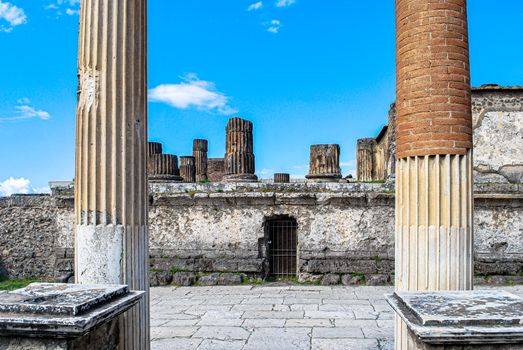
Restored historic sites can be among the most rewarding places to visit. Years of conservation work may bring back original colours, reconstructed features or better access, and visitors often find that a reopened site tells its story with new clarity. Reopening is usually gradual, however. Opening days may be limited, entry may be timed to manage visitor numbers, and some areas may remain closed while work continues. This guide explains what to expect when a restored site reopens, how to plan a respectful visit and how to confirm the details that matter most before you travel.
Why reopening can be staged
Heritage sites are often reopened in phases. Authorities may first open the main structures, followed by galleries, gardens or upper levels once they are safe and fully prepared. Conservation teams may need to monitor the building for stability, humidity or light exposure before allowing large numbers of visitors. Staffing, visitor services and transport links can also take time to return to normal. A reopening announcement may therefore describe only part of the site, so read the details carefully.
Timed entry and capacity limits
Many heritage sites use timed entry or capacity limits to protect fragile surfaces and to spread visitors through the day. Tickets may need to be booked for a specific time slot, and arriving outside that slot can mean waiting or being refused entry. Some sites allow a limited number of visitors per hour or per day, and popular times can sell out. Check whether timed tickets can be changed, and whether a combined ticket covers several areas. Build a little margin into your schedule for security checks and orientation.
Conservation rules
Conservation rules protect what visitors come to see. Expect restrictions on touching surfaces, climbing, flash photography, food and drink, and sometimes large bags or tripods. Some areas may have floor coverings, ropes or guided routes that keep groups together. Follow staff instructions, which are designed to protect materials and to keep everyone safe. If you are unsure whether an activity is permitted, ask before you act. Respecting these rules helps ensure the site remains open to future visitors.
Accessibility and comfort
Restored buildings may have accessibility features that differ from modern public venues. Ramps, lifts, step-free routes and accessible toilets may be limited, particularly in older structures. Check the site's accessibility information, and ask whether alternative routes or assistance are available. Some heritage spaces are cool or dim, while others may be busy and loud. Wear comfortable shoes, since floors can be uneven or polished. If you have mobility, sensory or cognitive needs, contact the site in advance to discuss options.
Getting the most from a visit
Plan your visit around the parts of the site that interest you most. Audio guides, printed maps and guided tours can add context, and many sites provide interpretation panels that explain restoration decisions. Ask staff about the restoration work, which can be as fascinating as the historic features themselves. Consider visiting early or late in the day, when crowds may be lighter, though opening hours can vary. Allow time for the surrounding area, including nearby museums, gardens or streets.
Verifying current information
Because reopening details change, verify information from the site's official channels or the managing authority. Check opening hours, closure notices, ticket types, accessibility details and any temporary restrictions. Local tourism offices can offer helpful context, but confirm critical information directly. Be aware that some restoration work continues after reopening, which may affect views, routes or noise levels.
Practical tips
Book timed tickets early for popular dates. Read the conservation rules before arrival. Check accessibility information and ask about alternative routes. Wear comfortable shoes and bring water. Confirm which areas are open on the day you plan to visit. Plan extra time for security checks and interpretation.
Common mistakes to avoid
A common mistake is assuming that a reopening announcement means the whole site is open. Travelers may also expect the same atmosphere as before restoration, when new materials or scaffolding can change the view. Another error is building a day trip around one reopened building without checking whether gardens or routes nearby are available. Some visitors arrive with photography plans that conflict with conservation rules, then feel frustrated by the restrictions. Finally, planning a visit around a single highly publicized date can mean facing heavy demand and limited tickets, so flexibility helps.
Who this suits and who it doesn't
Visits to restored sites suit travelers interested in conservation, architecture and the process of heritage care. They can suit history enthusiasts, researchers and visitors who enjoy learning how buildings are studied and repaired. They are less suitable for people who need full access to every area on a fixed date, families expecting interactive exhibits throughout, or travelers who dislike timed systems and changing layouts. Those with mobility or sensory needs should contact the site before arrival, since older structures may restrict routes and rest areas.
Frequently asked questions
Is a restored site always better than an unrestored one?
Not necessarily. Each has a different character, and restoration involves professional judgment about what to keep and what to reconstruct.
Can I see the restoration work?
Sometimes, through viewing areas or interpretation panels, although some work may be out of view.
Are reopening dates reliable?
They can change, so confirm with the managing authority close to your visit.
Restored historic sites offer a rare chance to see heritage with fresh clarity. By expecting staged reopening, respecting conservation rules and checking current details, visitors can enjoy a richer experience while helping to protect places for the future. Patience with the process often makes the visit more rewarding.