The Whispers of Ages: A First Step Back in Time
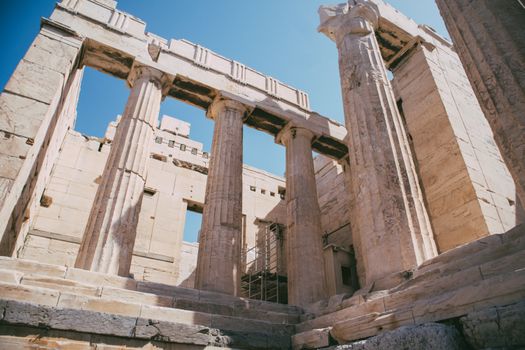
I stepped off the rickety ferry, the salty spray of the Aegean Sea kissing my face, and the scent of wild thyme and sun-baked stone filled my lungs. Before me, bathed in the soft, forgiving light of late afternoon, stood the ruins of what was once a thriving city, a place I’d only ever seen in dog-eared textbooks. But this wasn't just any ruin. This was Chora Sanctuary, a place meticulously brought back from the brink, its stones now singing a new song for eager visitors. For years, it was a whisper, a rumor of what lay beneath the earth. Now, it’s a roar, a tangible connection to a civilization long past, and I was among the first to feel its pulse. This feeling, this electrifying sense of discovery, is precisely what awaits you at the world's most incredible newly reopened historical sites.
Unearthing the Past: Why These Reopenings Matter
For too long, some of history's most profound stories have been locked away, either due to preservation efforts, ongoing archaeological work, or simply the ravages of time. But thanks to dedicated conservationists, passionate historians, and innovative funding, a wave of these magnificent sites are once again opening their doors, their gates, their very souls to the world. This isn't just about seeing old buildings; it's about walking in the footsteps of legends, understanding the ingenuity of our ancestors, and witnessing the triumph of human effort in restoring these precious links to our collective past.
The Stars of the Show: Newly Accessible Historical Marvels
The world is brimming with stories waiting to be retold, and these recently reopened gems are leading the charge. I've spent months poring over excavation reports, chatting with site directors, and, of course, getting my boots dusty on the ground to bring you the absolute must-consider destinations.
1. Chora Sanctuary, Greece: Echoes of the Oracle
This isn't just a collection of stones; it’s a conversation with the ancient world. For decades, Chora Sanctuary was a carefully guarded secret, its intricate mosaics and remarkably preserved temple foundations slowly being uncovered. Now, the gates are open, allowing you to wander through the very spaces where ancient rituals once took place. The air here hums with a palpable energy, a testament to the countless generations who lived, worshipped, and dreamed on this sacred ground.
- What to Look For: Pay close attention to the trompe-l'oeil frescoes in the Villa of the Muses – they’re astonishingly lifelike. The main temple's foundation stones are massive, hinting at its former grandeur.
- Pro-Tip: Visit during the "golden hour" just before sunset. The warm light casts an ethereal glow on the ruins, making them feel truly alive. Bring a small notebook; you’ll want to capture every detail.
- Insider's Insight: The local tavernas in the nearby village serve a lamb dish slow-cooked with honey and rosemary, a recipe that hasn't changed in centuries. It’s the perfect culinary accompaniment to your historical journey.
Quick Facts: Chora Sanctuary
| Category | Details |
| :--------------- | :-------------------------------------------------- |
| Estimated Cost | $ (Entrance fee is nominal, food/drink extra) |
| Best Time to Visit | Spring (April-May) or Autumn (September-October) |
| How to Get There | Fly into Athens (ATH), then a ferry to Naxos Island, followed by a local bus or taxi. |
2. The Silk Road's Forgotten Citadel, Uzbekistan: A Crossroads Reborn
Imagine standing on ramparts that once surveyed camel caravans laden with silk and spices. The newly accessible Khiva Old City, a UNESCO World Heritage site, has undergone extensive restoration, revealing its former glory as a vital hub on the ancient Silk Road. Walking through its narrow, winding alleyways, past intricately tiled madrassas and minarets that pierce the azure sky, is like stepping onto a movie set – except it’s all gloriously real. The sheer scale of the restoration is breathtaking, bringing back to life the vibrant spirit of this desert oasis.
- What to Look For: The Kuhna Ark (old fortress) offers panoramic views. Don't miss the Kalta Minor minaret, an unfinished masterpiece of turquoise tilework. The wood carvings in the Juma Mosque are incredibly detailed.
- Pro-Tip: Hire a local guide within the Old City. Their stories about the merchants, artisans, and khans who once resided here are invaluable. Wear comfortable shoes – you'll be doing a lot of walking on uneven surfaces.
- Insider's Insight: Seek out a workshop demonstrating traditional wood carving or silk carpet weaving. It’s a chance to see living history in action and perhaps pick up a unique souvenir. The scent of freshly baked non (Uzbek bread) wafts from small bakeries throughout the city.
Quick Facts: Khiva Old City
| Category | Details |
| :--------------- | :------------------------------------------------------------------------ |
| Estimated Cost | $$ (Entrance fees for multiple sites, guided tours can add up) |
| Best Time to Visit | Spring (March-May) or Autumn (September-November) for pleasant temperatures. |
| How to Get There | Fly into Tashkent (TAS), then take a domestic flight to Urgench (UGC), followed by a taxi to Khiva. |
3. The Sunken City of Baiae, Italy: A Roman Riviera Rediscovered
For centuries, the opulent villas and elaborate bathhouses of Baiae, a playground for Roman emperors, lay submerged beneath the Bay of Naples. Now, thanks to advanced underwater preservation and accessible viewing platforms, this "Roman Atlantis" is finally ready to share its secrets. While not all of it is accessible by foot, the designated underwater archaeological park offers a surreal glimpse into a lost world of luxury and decadence.
- What to Look For: Snorkeling or diving tours reveal mosaic floors, statues, and the foundations of grand structures. Even from the glass-bottom boat tours, you can discern the outlines of submerged villas.
- Pro-Tip: Book your underwater tour well in advance, especially during peak season. The visibility is best on clear, calm days. Wear a hat and sunscreen; the Italian sun is no joke, even when you're on the water.
- Insider's Insight: The nearby town of Pozzuoli offers fantastic seafood restaurants. Try spaghetti alle vongole (spaghetti with clams) – a taste of the sea that complements the submerged city perfectly.
Quick Facts: Baiae Underwater Archaeological Park
| Category | Details |
| :--------------- | :--------------------------------------------------------------------------- |
| Estimated Cost | $$ (Boat tours, snorkeling/diving gear rental, guided tours) |
| Best Time to Visit | Late Spring (May-June) or Early Autumn (September-October) for optimal water conditions. |
| How to Get There | Fly into Naples (NAP), then take a local train to Torregaveta or take a ferry directly to the Baiae area. |
4. The Royal Observatory of Greenwich, UK: Charting New Territories
While the Royal Observatory in Greenwich has always been a site of historical significance, recent extensive renovations have revitalized its visitor experience, unveiling previously inaccessible areas and enhancing the exhibits. It's not just about the Prime Meridian anymore; it’s about a deeper dive into Britain's maritime history and the groundbreaking scientific discoveries made here. The air here is charged with the spirit of exploration and scientific pursuit.
- What to Look For: The newly restored Flamsteed House offers a more intimate look at the lives of the Astronomers Royal. The Peter Harrison Planetarium now boasts state-of-the-art technology for immersive celestial shows.
- Pro-Tip: Arrive early to explore Flamsteed House before it gets too busy. The view from the Astronomy Centre overlooking London is spectacular. Check their website for special evening events and lectures.
- Insider's Insight: Grab a traditional pub lunch at one of the historic pubs in Greenwich village. The Shepherd's Pie is a classic for a reason. The scent of damp earth and old wood permeates the observatory’s older sections.
Quick Facts: Royal Observatory Greenwich
| Category | Details |
| :--------------- | :----------------------------------------------------------------------------- |
| Estimated Cost | $$ (Combination tickets for different areas, planetarium shows extra) |
| Best Time to Visit | Weekdays outside of school holidays for fewer crowds. |
| How to Get There | Take the DLR to Cutty Sark station or the Jubilee Line to North Greenwich, then a scenic Thames Clipper boat to Greenwich Pier. |
5. The Lost City of Petra's Monastery (Ad-Deir), Jordan: A Hidden Gem Revealed
While Petra itself is a well-trodden wonder, the arduous trek to its most remote and magnificent monument, the Monastery (Ad-Deir), has often deterred many. Recent improvements to the trail and surrounding facilities, coupled with enhanced visitor management, are making this awe-inspiring site more accessible than ever before. The sheer scale and intricate carving of Ad-Deir, dwarfing even the Treasury, are a reward in themselves, and the journey there, through dramatic canyons, is an adventure.
- What to Look For: The hike to Ad-Deir is part of the experience. The Monastery's facade is immense, carved directly into the sandstone cliff face. The views from the viewpoints above are breathtaking.
- Pro-Tip: Start your trek to Ad-Deir in the early morning to avoid the midday heat and crowds. Bring plenty of water and wear sturdy hiking boots. Consider hiring a local Bedouin guide for a more insightful trek.
- Insider's Insight: Enjoy a cup of sweet Bedouin tea at one of the small stalls near Ad-Deir. The hospitality is as warm as the desert sun. The air is dry and carries the faint scent of dust and ancient stone.
Quick Facts: Petra's Monastery (Ad-Deir)
| Category | Details |
| :--------------- | :---------------------------------------------------------------------------- |
| Estimated Cost | $$$ (Petra entrance fee is significant, guides and transport extra) |
| Best Time to Visit | Spring (March-May) or Autumn (September-November) for milder temperatures. |
| How to Get There | Fly into Amman (AMM), then take a bus or private taxi to Wadi Musa, the gateway town to Petra. |
The Art of the Visit: Making the Most of Your Journey
Visiting a newly reopened historical site is a privilege, and approaching it with respect and preparation ensures the best experience for everyone.
- Embrace the 'Newness': These sites are often undergoing continuous preservation. Be patient and appreciate the efforts being made.
- Respect the Rules: Adhere to all signage regarding touching artifacts, designated pathways, and photography. These rules are in place to protect the heritage for future generations.
- Go Off-Peak: If possible, visit during the shoulder seasons or on weekdays to avoid overwhelming crowds and experience the site with more tranquility.
- Engage with Locals: They are the guardians of these sites and often possess unparalleled knowledge and stories.
- Leave No Trace: Pack out everything you pack in. Help preserve these incredible places for the future.
Beyond the Postcard: The Soul of Restored Heritage
These sites are more than just photogenic backdrops; they are living testaments to human resilience, ingenuity, and the enduring power of culture. They offer a unique opportunity to connect with the past on a visceral level, to feel the weight of history, and to be inspired by the achievements of those who came before us.
My own journey to Chora Sanctuary was a profound reminder of how much we can learn from the past. The meticulous work of restoration not only preserves the physical structures but also breathes life back into the narratives they hold. As you consider your next adventure, let these reopened historical treasures beckon. Step through their gates, listen to their whispers, and become part of their ongoing story.
---