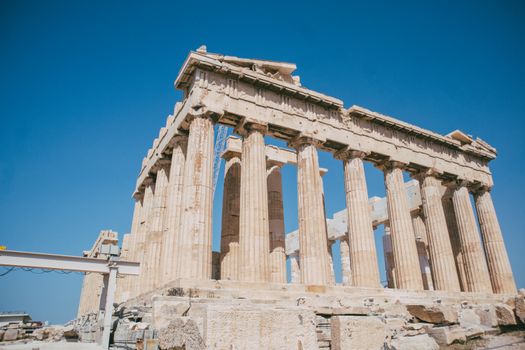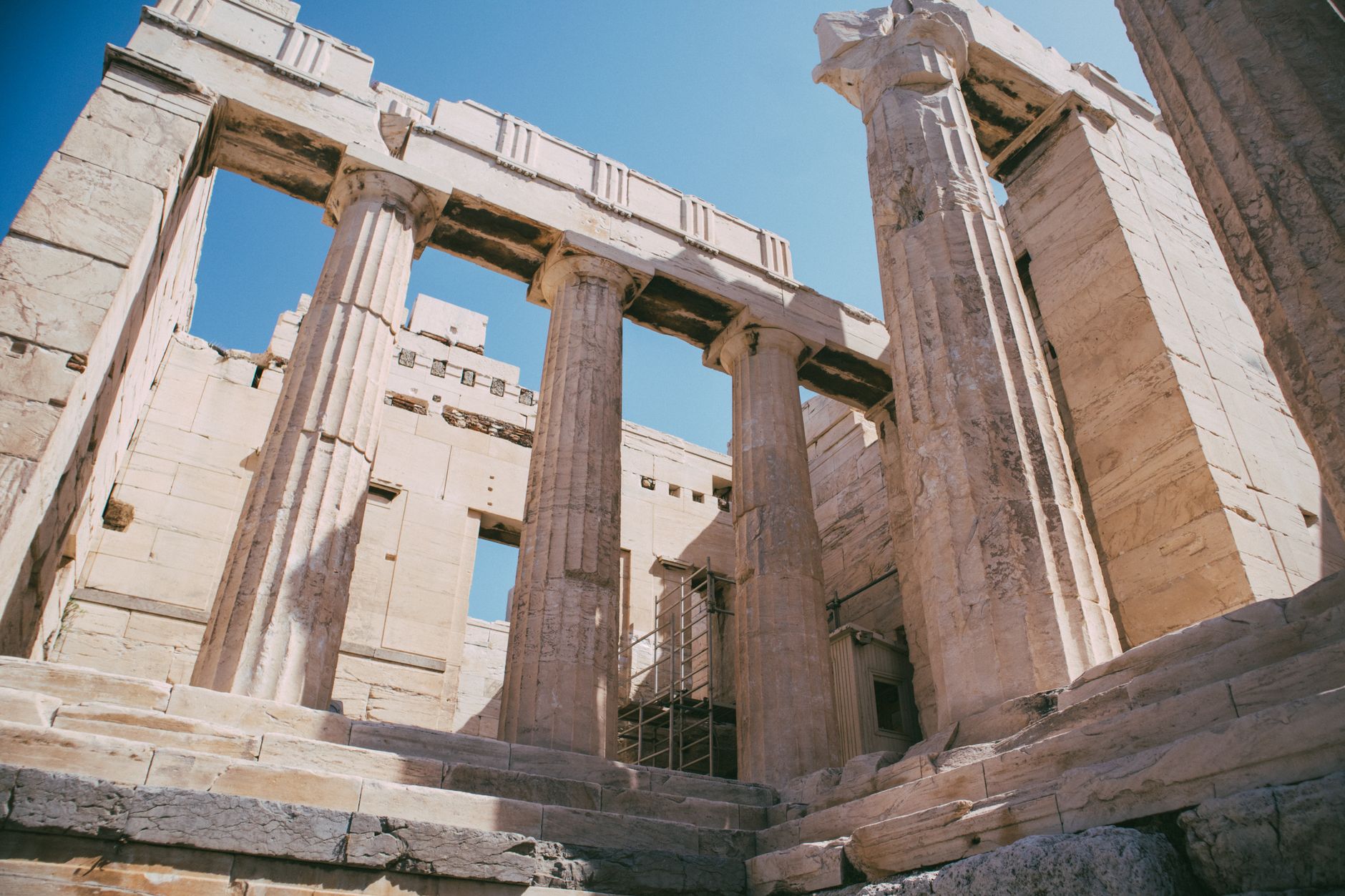
I stepped off the ancient ferry, the salty spray kissing my face, and the scent of sun-baked stone and wild thyme filled my lungs. Before me, bathed in the soft glow of the Mediterranean dawn, stood the Acropolis of Lindos, its medieval fortress crowning the ancient temple of Athena. For years, this legendary citadel had been undergoing meticulous restoration, a whisper on the wind for those in the know. Now, it was alive again, the echo of history palpable in the very air I breathed. This, my friends, is the thrill of visiting a restored historical site – experiencing the past brought vibrantly back to life.
The world of travel is constantly evolving, and one of the most exciting trends right now is the unveiling of meticulously restored historical gems. These aren't just ruins; they are narratives painstakingly pieced back together, offering a tangible connection to civilizations long gone. As a travel journalist and an SEO strategist for Tripsora, I've been digging deep, consulting with the crème de la crème of travel advisors to bring you the ultimate guide to the most anticipated restored historical sites reopening to visitors. Get ready to add these to your bucket list!
Whispers of the Past: Why Restored Sites Captivate
There’s a unique magic in walking through a space that has been carefully brought back from the brink of decay. It’s more than just seeing old buildings; it’s about feeling the pulse of history, understanding the craftsmanship of bygone eras, and appreciating the dedication of those who have preserved these treasures for future generations. Travel advisors consistently report a surge in demand for experiences that offer authenticity and a deep sense of place. Restored historical sites deliver this in spades, offering an immersive journey that transcends mere sightseeing.
- Sensory Immersion: Imagine the cool touch of ancient marble, the faint scent of aged wood, the hushed reverence of a rediscovered sanctuary.
- Narrative Depth: These sites tell stories – of empires, of daily life, of artistic and architectural innovation.
- Preservation Pride: Visiting these sites supports ongoing conservation efforts, ensuring their survival for centuries to come.
Unveiling the Gems: Top Restored Historical Sites Reopening
Our network of elite travel advisors has pointed us towards a select few destinations that are poised to become the next must-visit historical hotspots. These aren't just any old monuments; they are sites that have undergone significant, often decades-long, restoration, revealing their former glory with breathtaking detail.
1. The Roman Baths of Bath, England: A Timeless Soak Reimagined
For centuries, the Romans harnessed the geothermal waters of Bath, creating a sophisticated bathing complex that was the heart of their social life. After years of dedicated work to preserve and enhance the visitor experience, the Roman Baths are revealing even more of their secrets.
Pro-Tip:
Visit during an evening opening if available. The dramatic lighting casts an ethereal glow on the ancient stones, making it feel incredibly atmospheric.
- What's New: Enhanced interpretive displays, improved access to previously restricted areas, and a deeper dive into the daily lives of Roman Britons through newly unearthed artifacts.
- Insider Detail: Look for the intricate mosaic floors – many have been painstakingly cleaned and repaired, showcasing vibrant colors that have been hidden for millennia. The Great Bath's steam rising against the Georgian architecture is a truly iconic sight.
Quick Facts: Roman Baths of Bath
| Feature | Details |
| :------------- | :------------------------------------------------------------------- |
| Estimated Cost ($) | £20-£25 (adult entry) |
| Best Time to Visit | Spring/Autumn (fewer crowds, pleasant weather) |
| How to Get There | Train from London Paddington (approx. 1.5 hours), walk from Bath Spa station. |
2. The Alhambra, Granada, Spain: Palaces of Paradise Unlocked
This UNESCO World Heritage site, a breathtaking testament to Moorish architecture and artistry, has always been a jewel. However, ongoing restoration projects within its sprawling palaces and gardens are continuously revealing new layers of beauty and historical significance.
Pro-Tip:
Book your tickets months in advance. The Alhambra is incredibly popular, and access to specific areas like the Nasrid Palaces is strictly limited.
- What's New: Recent restorations have focused on the intricate stucco work in the Palace of Comares and the delicate tile mosaics (azulejos) in various courtyards, bringing their original vibrant colors back to life. New guided tours offer access to less-visited sections, providing a more intimate experience.
- Authenticity: The interplay of light and water is central to the Alhambra's design. Pay attention to how sunlight filters through carved screens (mashrabiya) and how the sound of flowing water creates a sense of serene tranquility. The scent of orange blossoms in the Generalife gardens is unforgettable.
Quick Facts: The Alhambra
| Feature | Details |
| :------------- | :------------------------------------------------------------------- |
| Estimated Cost ($) | €19-€25 (General Ticket) |
| Best Time to Visit | Late Spring or early Autumn for comfortable temperatures and fewer crowds. |
| How to Get There | Fly into Granada Airport (GRX) or Malaga Airport (AGP) and take a bus/train to Granada. |
3. Teotihuacan, Mexico: The Avenue of the Dead Aglow
This colossal pre-Columbian city, once a thriving metropolis, is undergoing significant archaeological and restoration efforts, particularly around its iconic pyramids and plazas. Recent work has focused on preserving the murals and structures, making its already awe-inspiring scale even more accessible and understandable.
Pro-Tip:
Arrive at sunrise. Watching the sun ascend over the Pyramid of the Sun, illuminating the vast archaeological zone, is a moment of profound historical connection. Wear comfortable shoes – you'll be doing a lot of walking!
- What's New: Enhanced pathways around the Pyramid of the Moon and the Avenue of the Dead offer clearer perspectives. Ongoing research is revealing more about the city's complex social structure and religious practices, with new exhibits at the site's museum.
- Insider Detail: While climbing the main pyramids is often restricted for preservation, the views from the top of the Pyramid of the Moon offer a spectacular panorama of the entire city. The vibrant red and ochre pigments found on some of the recovered murals are a testament to the artists' skill.
Quick Facts: Teotihuacan
| Feature | Details |
| :------------- | :------------------------------------------------------------------- |
| Estimated Cost ($) | 80 MXN (approx. $4 USD) for entry, plus transport. |
| Best Time to Visit | Dry season (November to April) for pleasant weather. |
| How to Get There | Bus from Terminal del Norte in Mexico City (approx. 1 hour). |
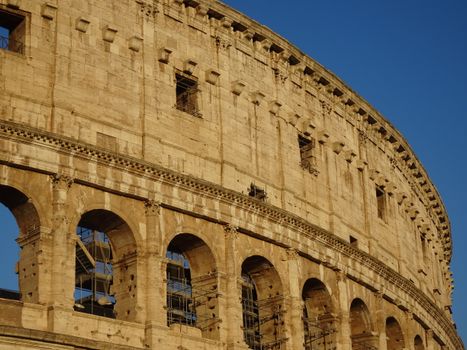
4. The Colosseum, Rome, Italy: Gladiators and Grandeur Revealed
The iconic symbol of Imperial Rome has been undergoing a multi-phase restoration, most notably the "White Cavea" project, which has cleaned and restored the seating areas, and the ongoing work on the underground hypogeum, the network of tunnels and cages where gladiators and animals awaited their fate.
Pro-Tip:
Opt for a guided tour that includes access to the arena floor and the underground. This allows you to truly grasp the scale and drama of the gladiatorial contests.
- What's New: The restored hypogeum offers an unprecedented glimpse into the logistical marvels that supported the spectacles. The cleaned travertine stone of the seating tiers gleams, revealing its original grandeur.
- Authenticity: Stand on the arena floor and imagine the roar of 50,000 spectators. The sheer engineering prowess required to build and operate such a venue is astounding. The scent of history here is a mix of ancient stone and the lingering echoes of human drama.
Quick Facts: The Colosseum
| Feature | Details |
| :------------- | :------------------------------------------------------------------- |
| Estimated Cost ($) | €18-€25 (Colosseum, Roman Forum, Palatine Hill combined ticket) |
| Best Time to Visit | Early morning or late afternoon to avoid peak crowds and heat. |
| How to Get There | Metro Line B (Colosseo stop). |
5. Petra, Jordan: The Rose-Red City's Hidden Facets
While Petra is a world-renowned archaeological site, continuous efforts are underway to preserve its delicate sandstone structures and improve visitor access to its more remote corners. Recent projects have focused on stabilizing the Siq and enhancing pathways to the Monastery.
Pro-Tip:
Hire a local Bedouin guide. They possess invaluable knowledge of the site's history and can lead you to less-traveled viewpoints, offering a truly authentic experience.
- What's New: Improved signage and trail maintenance make exploring Petra more accessible and safer. Ongoing conservation of the Treasury (Al-Khazneh) and the Monastery (Ad-Deir) ensures their longevity.
- Insider Detail: The Nabataeans were masters of water management. Look for the intricate channels and cisterns carved into the rock. The way the sunlight plays on the rose-red sandstone throughout the day is a spectacle in itself, shifting hues from dawn to dusk. The scent of desert dust and ancient stone is unique to this magical place.
Quick Facts: Petra
| Feature | Details |
| :------------- | :------------------------------------------------------------------- |
| Estimated Cost ($) | 50 JOD (approx. $70 USD) for a one-day pass. |
| Best Time to Visit | Spring (March-May) and Autumn (September-November) for mild temperatures. |
| How to Get There | Fly into Queen Alia International Airport (AMM) in Amman, then take a bus or private transfer to Wadi Musa (approx. 3 hours). |
Planning Your Journey: Travel Advisor Insights
These restored historical sites are not just destinations; they are experiences. To truly make the most of your visit, heed the advice of those who navigate the world of luxury and experiential travel every day.
- Embrace Guided Experiences: For sites like the Alhambra or the Colosseum, a knowledgeable guide can unlock layers of history you'd otherwise miss.
- Prioritize Off-Peak Travel: Advisors consistently recommend visiting during shoulder seasons (spring and autumn) to avoid overwhelming crowds and enjoy more pleasant weather.
- Book in Advance: For any major historical site, pre-booking tickets is non-negotiable. This saves time and guarantees entry, especially to restricted areas.
- Travel Sustainably: Many of these sites are fragile. Be mindful of your impact, stick to marked paths, and support local communities.
- Connect with Local Culture: Beyond the ruins, explore the surrounding towns and cities. The food, the music, the people – they are all integral parts of the historical tapestry.
The Future of Heritage Travel
The reopening of these meticulously restored historical sites marks an exciting new chapter for heritage tourism. It's a testament to global commitment to preserving our past while making it accessible and engaging for the present. As travel advisors continue to unearth these incredible destinations, we at Tripsora are here to help you plan your next unforgettable journey into history.
So, are you ready to walk in the footsteps of emperors, artists, and ancient civilizations? The past is calling, and these restored wonders are waiting to share their stories with you.