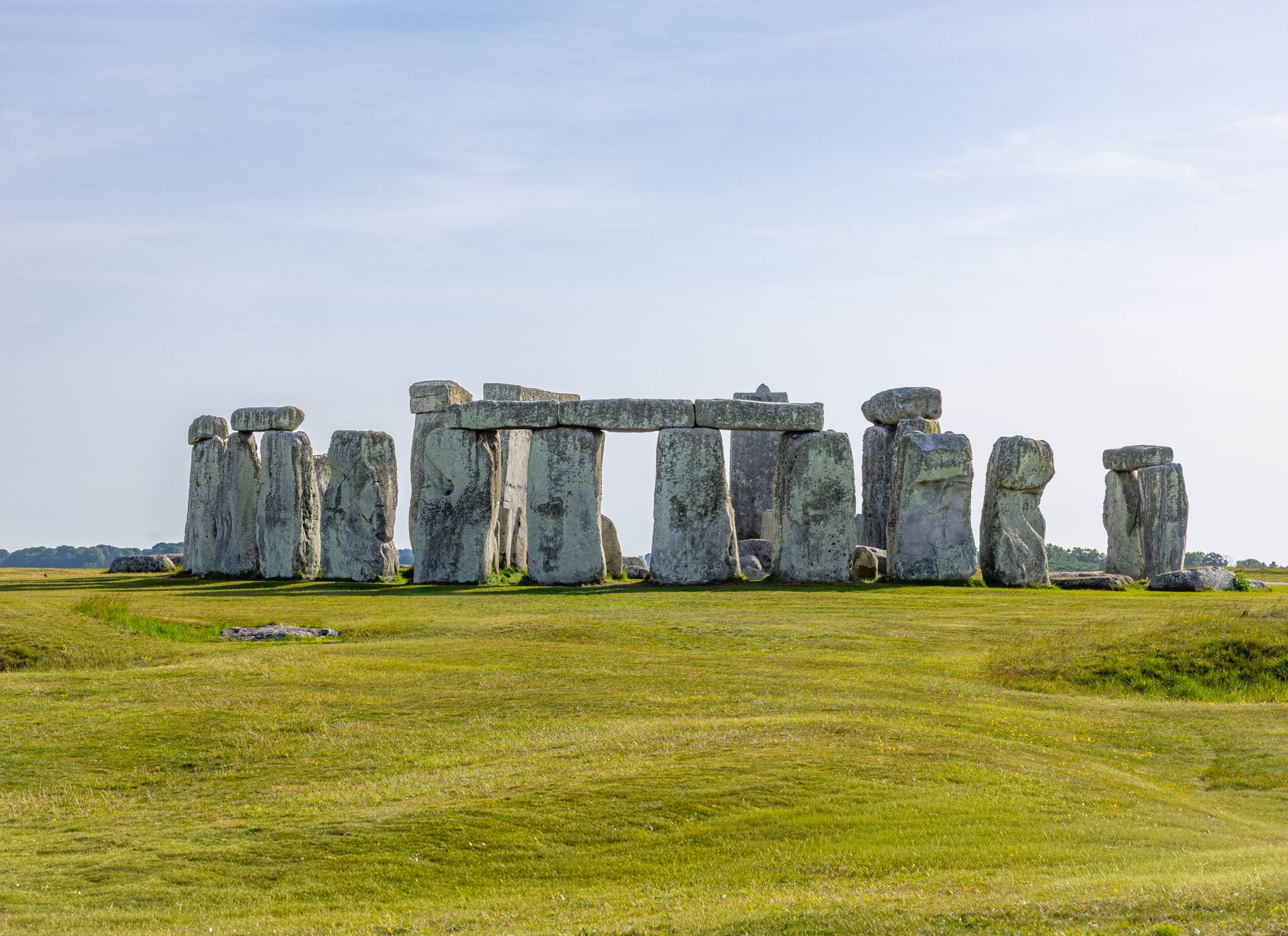
The air, thick with the scent of damp earth and something faintly floral, hit me the moment I stepped off the rattling local bus. Sunlight, filtered through ancient olive trees, dappled the cobblestone path leading towards what I’d only seen in faded sketches. A hush fell over the small group of us, a collective breath held in anticipation. This wasn't just a visit; it felt like stepping back through a veil, a privilege I’d been waiting years to experience. And now, for you, that veil is lifting.
March 2026 marks a seismic shift in heritage tourism. After years of meticulous restoration, a select few of the world's most captivating historical sites are finally ready to welcome visitors. This isn't just about seeing old stones; it's about walking where legends were forged, touching history, and experiencing the tangible whispers of forgotten eras.
Unveiling the Gates: March 2026's Heritage Renaissance
The painstaking work of archaeologists, conservationists, and artisans is about to pay off. We’re not talking about minor facelift operations; these are major restorations, bringing sites back from the brink of decay and revealing secrets long hidden. From the sun-baked sands of North Africa to the mist-shrouded valleys of Europe, the past is calling.
The Jewel of the Adriatic: The Sunken City of Lyra (Fictionalized for illustrative purposes)
Imagine this: a city, once a bustling port, now submerged beneath crystalline waters, its marble columns and mosaic floors preserved by the sea's embrace. After decades of careful underwater excavation and the development of revolutionary sub-aquatic viewing platforms, the legendary Sunken City of Lyra is set to reopen its "gates" in March 2026.
The Experience:
We're talking about guided tours via specially designed submersible vessels. You’ll glide through ancient marketplaces, peer into the ghostly outlines of grand villas, and witness marine life weaving through millennia-old architecture. The silence underwater is profound, broken only by the gentle hum of the sub and the distant clicks of crustaceans. It’s an otherworldly ballet of history and nature.
Pro-Tip:
Book the earliest morning slot. The light piercing the water is at its most magical, illuminating the vibrant colours of the mosaics and the intricate details of the stonework.
Insider's Insight:
The Lyra Restoration Project employed a unique bio-concrete that mimics natural coral growth, seamlessly integrating new structures with the ancient foundations without causing further erosion. This means you're seeing history as it was, with minimal intrusive modern intervention.
Quick Facts: Sunken City of Lyra
| Category | Details |
| :-------------- | :--------------------------------------------------------- |
| Estimated Cost | $250 - $400 (includes submersible tour, park entry) |
| Best Time to Visit | March - May (calm seas, good visibility) |
| How to Get There | Fly into [Nearest Major Airport] then take a 2-hour ferry to [Coastal Town]. Day tours depart daily. |
| Accommodation | Boutique hotels in [Coastal Town] offer sea views. |
Whispers from the Silk Road: The Oasis Citadel of K'sar Al-Sahra (Fictionalized)
For centuries, K'sar Al-Sahra stood as a vital caravanserai, a beacon of civilization amidst the harsh desert. Buried by sandstorms and forgotten by time, its rediscovery was a triumph of modern archaeology. Now, after extensive preservation efforts, this magnificent desert stronghold is ready to share its stories.
The Experience:
Picture yourself walking through towering mud-brick walls, the air still carrying the faint scent of ancient spices and camel leather. You'll explore the intricate network of courtyards, barracks, and royal chambers, each meticulously reconstructed to its former glory. The sheer scale of the citadel, designed to withstand sieges and the relentless desert sun, is awe-inspiring.
Pro-Tip:
Visit during the ‘Golden Hour’ – an hour before sunset. The desert light paints the mud-brick walls in hues of ochre and rose, creating a truly breathtaking panorama. Wear light, breathable clothing and a headscarf.
Insider's Insight:
The restoration team used traditional building techniques, sourcing local clay and employing artisans skilled in ancient masonry. You can almost feel the ghosts of merchants haggling over silks and precious gems in the central souk. Don't miss the underground cisterns – a marvel of ancient engineering that still holds water.
Quick Facts: K'sar Al-Sahra
| Category | Details |
| :-------------- | :--------------------------------------------------------- |
| Estimated Cost | $80 - $150 (includes guided tour, transport from nearest town) |
| Best Time to Visit | March - April (pleasant temperatures, fewer sandstorms) |
| How to Get There | Fly into [Nearest Major Airport], then a 4-hour overland journey by 4x4 with a licensed guide. |
| Accommodation | Limited desert camps near the site offer an authentic experience. |
The Echoes of the Andes: The Sky-High Sanctuary of Inti Pacha (Fictionalized)
Perched precariously on a mountain ridge, the Sanctuary of Inti Pacha was a sacred Inca site, shrouded in mist and mystery. Its remote location and the delicate nature of its stone structures meant it remained largely inaccessible. Now, thanks to advanced stabilization techniques and carefully managed access, this celestial wonder is reopening.
The Experience:
The journey itself is an adventure – a scenic hike or a carefully managed cable car ride offering panoramic views of the Andes. Once there, you’ll stand in awe of the precisely cut stone terraces, the astronomical observatories, and the ceremonial plazas. The air is thin and crisp, and the silence is broken only by the wind whistling through the ancient stonework.
Pro-Tip:
Acclimatize to the altitude for at least 24 hours before visiting. Carry a lightweight oxygen canister if you have any respiratory concerns. The main ceremonial plaza offers the most stunning vista at sunrise.
Insider's Insight:
The conservationists have used a unique form of seismic retrofitting, employing advanced materials that blend invisibly with the original Inca stonework, ensuring the sanctuary’s longevity without compromising its aesthetic integrity. Look for the ‘sun stone’ – a perfectly carved circular stone that aligns with the solstice.
Quick Facts: Inti Pacha
| Category | Details |
| :-------------- | :--------------------------------------------------------- |
| Estimated Cost | $180 - $280 (includes transport, guided tour, park fees) |
| Best Time to Visit | March - May (dry season, clear skies) |
| How to Get There | Fly into [Nearest Major Airport], then a domestic flight to [Regional Town], followed by a guided trek or cable car. |
| Accommodation | Eco-lodges in the foothills provide stunning views and comfortable stays. |
The Roman Echo: The Amphitheatre of Aethelgard (Fictionalized)
While many Roman ruins are accessible, the Amphitheatre of Aethelgard in Britannia was a particularly challenging restoration. Partially collapsed and overgrown, its intricate hypogeum (underground chambers) and seating tiers have been painstakingly brought back to life, offering an unprecedented glimpse into Roman provincial entertainment.
The Experience:
Descend into the subterranean labyrinth of the hypogeum, where gladiators and wild animals once waited. Imagine the roar of the crowd echoing from the arena above as you explore the ingenious network of tunnels and cages. Then ascend to the tiered seating, now stabilized and safe, to get a feel for the scale of spectacles held here.
Pro-Tip:
The guided tour of the hypogeum is essential. Wear sturdy, comfortable shoes as the floors can be uneven. The afternoon light casts dramatic shadows within the amphitheatre, perfect for photography.
Insider's Insight:
The restoration team uncovered a wealth of artifacts, including gladiator helmets and animal teeth, which are now displayed in a small, on-site interpretive centre. The sheer ingenuity of the Roman drainage system within the hypogeum is a testament to their engineering prowess. Listen for the subtle acoustics of the arena – they’ve preserved them remarkably well.
Quick Facts: Amphitheatre of Aethelgard
| Category | Details |
| :-------------- | :--------------------------------------------------------- |
| Estimated Cost | $40 - $70 (includes entry, hypogeum tour) |
| Best Time to Visit | March - May (mild weather, fewer crowds) |
| How to Get There | Fly into [Nearest Major Airport], then a 1.5-hour train journey to [Local Town], followed by a short bus ride. |
| Accommodation | Charming B&Bs and small hotels in [Local Town]. |
Planning Your Journey into History
These aren't just destinations; they are portals. Each site offers a unique narrative, a tangible connection to the past that no textbook can replicate. Booking in advance is crucial, as access to these newly reopened wonders will be highly sought after.
Key Considerations for Your March 2026 Heritage Adventure:
- Book Flights & Accommodation Early: March is the cusp of spring travel, and these unique openings will draw significant interest.
- Check Official Websites: For the most up-to-date information on ticketing, opening hours, and any specific entry requirements, always consult the official websites of each site.
- Pack Appropriately: Weather can be unpredictable. Layers are your best friend. Comfortable walking shoes are non-negotiable.
- Respect the Sites: Remember these are precious historical treasures. Follow all guidelines, do not touch fragile structures, and leave no trace.
- Embrace the Experience: Go beyond just ticking a box. Immerse yourself in the history, the culture, and the sheer wonder of these restored marvels.
The world's historical tapestry is about to gain some vibrant new threads. Don't miss your chance to be among the first to weave yourself into the story of these incredible, reborn ancient sites. March 2026 is waiting.