The sun was setting over El Nido, painting the sky in fiery hues of orange and purple. The kind of sunset that makes your heart ache with beauty and gratitude. I was perched on a jagged limestone cliff, watching the last boats drift back to shore, when a single, iridescent plastic bag caught my eye, tumbling lazily in the otherwise pristine turquoise waters. It was a stark, jarring contrast, a silent scream amidst paradise. That moment, etched forever in my memory, was my wake-up call. It was then I vowed to become a more mindful traveler, to leave nothing but footprints, and to seek out solutions that weren’t just "better," but truly revolutionary.
For years, we’ve heard the buzzwords: reusable water bottles, tote bags, bamboo straws. And while these are fantastic first steps, the world of sustainable travel is evolving at warp speed. There’s a new wave of plastic-free travel essentials emerging – ingenious, durable, and stylish products that are about to change the game. We're talking about gear so smart, so effective, you'll wonder how you ever traveled without them. And the best part? You're about to get the inside scoop, long before they become the norm. Consider this your exclusive pass to the future of eco-conscious exploration.
So, ditch the guilt, embrace innovation, and let's dive into the next generation of plastic-free travel essentials that will not only lighten your footprint but also elevate your entire travel experience.
Sip Smart: Next-Gen Hydration Solutions for the Conscious Explorer
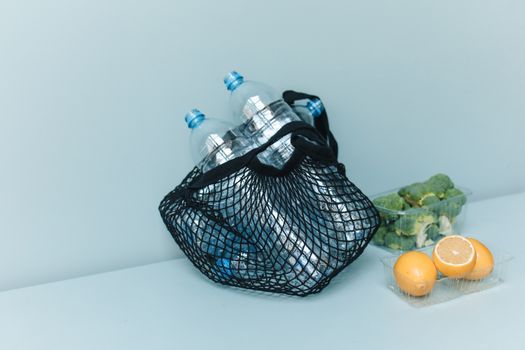
Let's be honest, single-use plastic water bottles are the bane of every traveler's existence. They clutter our bags, our planet, and our consciences. While a basic reusable bottle is a good start, the future of hydration on the go is far more sophisticated.
My personal journey to hydration nirvana began on a rather dusty trek through the Peruvian Andes. I'd packed a standard reusable bottle, but finding potable water was a constant struggle. That’s when I invested in a filtered water bottle, specifically the Grayl GeoPress. This thing is a revelation. It looks like a regular water bottle, but with a press-and-filter system that purifies almost any fresh water source – from sketchy tap water in bustling markets to river water during a hike. It removes viruses, bacteria, protozoa, and microplastics. I used it religiously in Southeast Asia, filling up from hotel sinks in Vietnam and even a roadside tap in rural Laos, saving me countless plastic bottles and a small fortune. Imagine the freedom of never having to buy bottled water again, even in places where it feels impossible! Brands like Grayl (around $90-$100) and LifeStraw Go (around $40-$50) are leading the charge here.
But what about space? For those ultra-light adventures, I've fallen in love with collapsible water bottles. My favorite is from Hydrapak (around $20-$30). When empty, it rolls up to practically nothing, fitting into the smallest pocket of my daypack. Perfect for city explorations where you want a full bottle at the start but don't want to carry a bulky empty one all day. And for the extreme adventurers, consider water purification tablets or drops (Katadyn Micropur, Aquamira – under $15). They're tiny, lightweight, and a fantastic backup for emergency situations or when you need to purify a larger volume of water for cooking.
Tripsora Tip:
Before you go, research if your destination has public water refill stations. Apps like "RefillMyBottle" can be lifesavers, pointing you to cafes and shops happy to top you up.
Glow Green: Your Ultimate Guide to Plastic-Free Personal Care
The bathroom cabinet, especially when packing for a trip, is a plastic wasteland. Mini shampoos, shower gels, lotions – they all come in tiny, unrecyclable plastic. But the revolution is here, and it's surprisingly chic.
My absolute game-changer has been solid toiletries. I remember my first trip with only shampoo and conditioner bars from Ethique (around $16-$20 each). I was skeptical. Would they lather? Would my hair feel clean? The answer was a resounding YES! Not only do they work beautifully, but they last ages, are incredibly concentrated, and completely eliminate plastic bottles. Plus, they're TSA-friendly – no liquid limits! I've since expanded my collection to include solid face wash, lotion bars, and even solid sunscreen sticks. Brands like Lush also offer fantastic options, often with delightful scents.
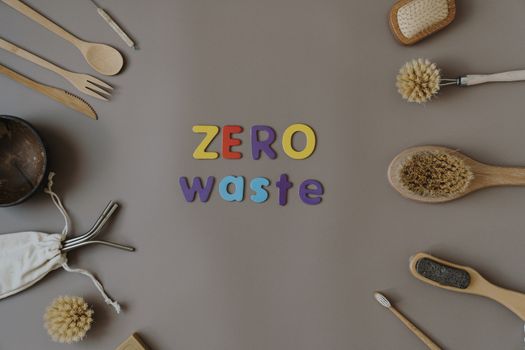
Oral hygiene gets a plastic-free upgrade too. Ditch the plastic toothbrush for a bamboo toothbrush (around $5-$8). They’re biodegradable and feel surprisingly good in your hand. Pair it with toothpaste tablets from brands like Bite or Georganics (around $12-$20 for a month's supply). You just pop a tablet in your mouth, chew, and brush. No messy tubes, no plastic. I discovered these on a backpacking trip through Patagonia, and they're now a permanent fixture in my toiletry bag. They're so compact, they barely take up any space.
For makeup removal, reusable cotton rounds (Face Halo, Marley's Monsters – around $20 for a pack) are a revelation. Just wash and reuse. And for shaving, a safety razor (Leaf Shave, Bambaw – around $25-$80 for the razor, blades are cheap) is a truly zero-waste solution. It offers a closer shave and once you get the hang of it, it’s surprisingly easy and satisfying. I’ve been using one for years, and the lack of plastic cartridges feels incredibly liberating.
Tripsora Tip:
When choosing solid toiletries, look for options that come in compostable paper packaging or are completely "naked." Store them in a reusable tin or a breathable soap bag for travel.
Feast Responsibly: Your Portable Zero-Waste Dining Arsenal
One of the greatest joys of travel is experiencing local cuisine. But often, this comes with a side of single-use plastic: takeaway containers, plastic cutlery, styrofoam cups. Imagine if you could enjoy street food in Bangkok or a picnic in Paris without generating a single piece of waste. You can.
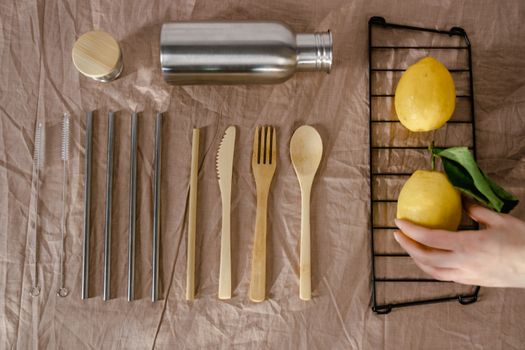
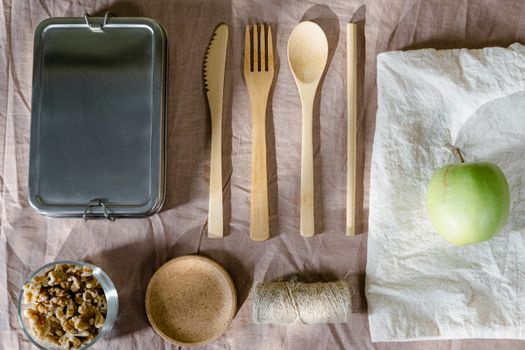
My "culinary kit" is one of my proudest plastic-free achievements. It started with a simple reusable cutlery set. I picked up a beautiful bamboo set (around $10-$15) in a small artisan market in Bali, and it goes everywhere with me. Stainless steel sets are also excellent. I've used it for everything from sampling local delicacies at a night market in Marrakech to impromptu lunch breaks on a train through Europe. Vendors are often intrigued and appreciative.
But the real game-changers are the collapsible cup/mug and reusable container. My Stojo collapsible cup (around $15-$20) is a lifesaver. It squishes down flat, so it takes up minimal space, but pops open for my morning coffee, a local chai, or even a glass of wine on a picnic. For food, silicone containers like Stasher bags (around $12-$20 each) are fantastic for snacks, leftovers, or even packing a sandwich. I’ve used them to get takeaway from a small cafe in Lisbon, proudly handing over my own container, much to the delight of the owner. They’re durable, leak-proof, and endlessly versatile.
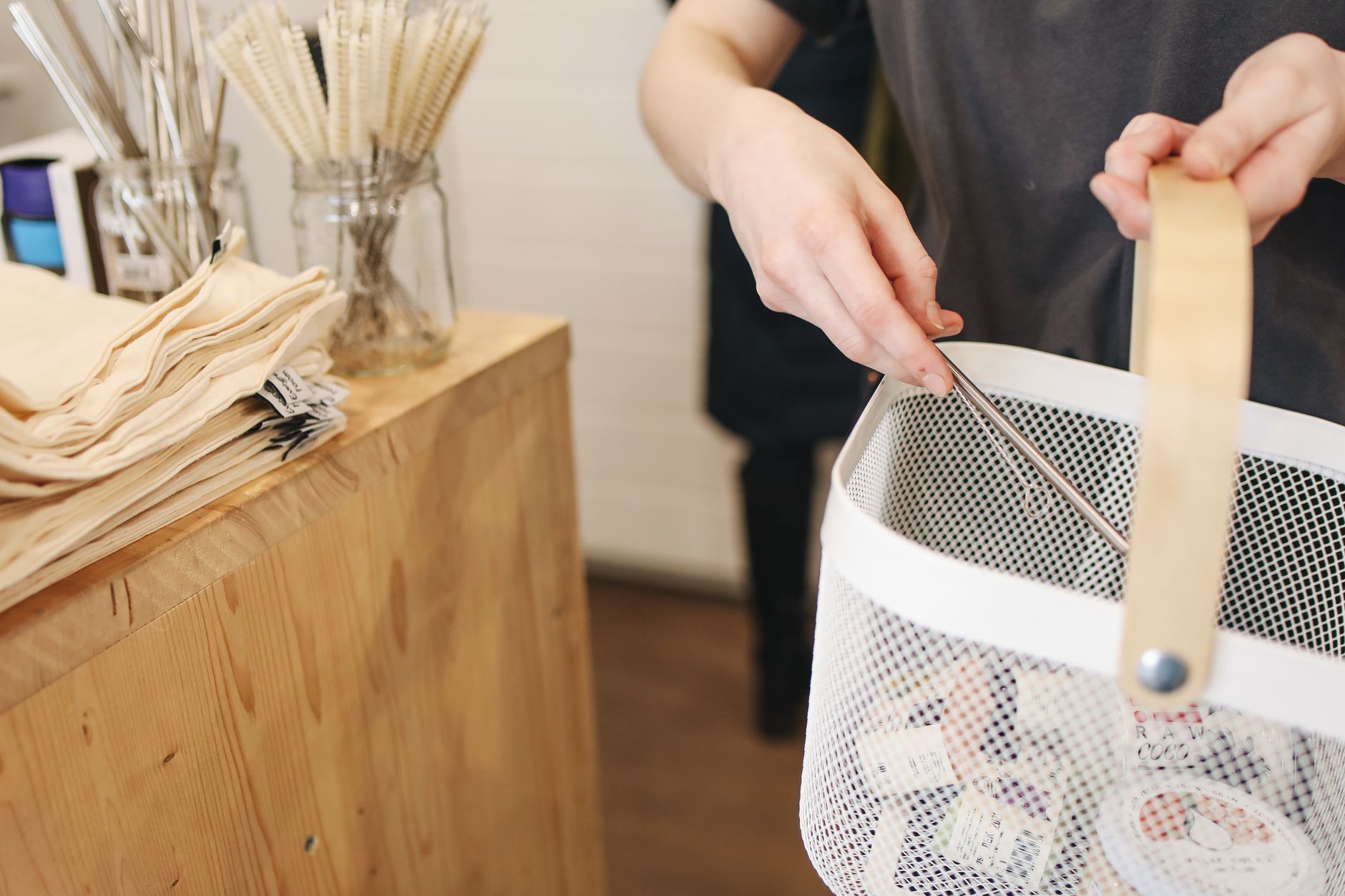
And of course, the trusty reusable straw (stainless steel, bamboo, or silicone – around $5-$10 for a set with a cleaning brush). While some places are moving away from straws, it’s always good to have your own for that refreshing coconut water or smoothie.
Tripsora Tip:
Practice politely declining plastic. A simple "no straw, please" or "I have my own container, thank you" goes a long way. A little language practice for these phrases in local tongues can make a big difference!
Pack with Purpose: Eco-Conscious Organization for Every Adventure
Packing smart isn't just about fitting everything in; it's about making conscious choices that reduce waste and streamline your journey. The ubiquitous plastic grocery bag for dirty laundry or shoes? A thing of the past.
Enter eco-friendly packing cubes. While regular packing cubes are great for organization, brands are now emerging that use recycled materials (like recycled PET plastic) or natural fibers. Look for options from companies like Patagonia or smaller sustainable brands (around $30-$60 for a set). They keep your clothes compressed and organized without adding to plastic waste.
For wet swimsuits or dirty clothes, reusable wet bags (around $10-$20) are indispensable. They're waterproof, washable, and far superior to a flimsy plastic bag that will inevitably leak or tear. I always carry a couple, one for my post-swim gear after a dip in the Mediterranean, and another for laundry.
And of course, the humble fabric shopping bag or tote. I always have one folded into my daypack. Whether it’s for groceries, souvenirs, or an impromptu beach trip, it saves countless plastic bags. My current favorite is a lightweight, foldable one I picked up at a local market in Japan – it's surprisingly strong and stylish.
Finally, for those liquids you simply can't find in solid form, invest in high-quality, refillable silicone travel tubes like GoToob (around $10-$15 each). They're durable, leak-proof, and designed to last a lifetime, meaning no more single-use travel-sized bottles.
Tripsora Tip:
Before you pack, lay out everything you think you need. Then, take out a third. You'll be surprised how much you can do without, further reducing potential waste and lightening your load.
The Next Frontier: Unconventional Plastic-Free Travel Hacks
Beyond the obvious, there are some truly innovative and often overlooked items that can significantly reduce your plastic footprint and enhance your self-sufficiency on the road. These are the true "ahead of the curve" essentials.
Consider a portable solar charger (Goal Zero, Anker – around $50-$150). While not directly plastic-free in itself, it reduces your reliance on grid electricity, which often comes with its own packaging waste and can be scarce in remote areas. I used mine extensively while camping in the Australian Outback, keeping my phone and headlamp charged, feeling completely off-grid. It's empowering to generate your own power.
Another often-overlooked area is insect repellent. Many come in aerosol cans or plastic bottles. Seek out solid insect repellent bars or natural sprays in aluminum or glass bottles (around $10-$20). Brands like Badger Balm offer effective, natural options that are much better for you and the environment.
And for those battery-powered gadgets? Invest in rechargeable AA/AAA batteries (Eneloop are my go-to, around $20-$30 for a pack with charger). They last for hundreds of cycles, eliminating the constant need to buy and dispose of single-use batteries, which are notoriously difficult to recycle.
Finally, while not a physical item, embracing digital tickets and documents is a powerful plastic-free hack. Store airline tickets, hotel confirmations, and maps on your phone. Many airlines and attractions now offer QR codes or mobile passes, completely eliminating the need for paper printouts, which often come with plastic sleeves or lanyards.
Tripsora Tip:
Before purchasing any new item, ask yourself: "Do I truly need this? Can I borrow it? Can I find a plastic-free alternative?" The most sustainable item is often the one you already own or don't buy at all.
Navigating the Green Path: Tips for a Seamless Plastic-Free Transition
Embarking on a plastic-free travel journey can feel daunting, but it doesn't have to be an overnight overhaul. It's a journey, not a destination, and every small step makes a difference.
1. Start Small, But Start Now:
Don't feel pressured to buy every item on this list at once. Pick one or two essentials that resonate most with you – maybe a filtered water bottle, or a shampoo bar. Integrate them into your daily life first, then slowly expand your collection. My journey began with a single reusable coffee cup, and look where I am now!
2. Research Your Destination:
Before you go, do a quick search for "zero-waste stores [destination name]" or "refill stations [destination name]". You might be surprised to find a growing network of eco-conscious businesses eager to support your efforts. In cities like Berlin or Copenhagen, I've found incredible bulk stores where I could refill my toiletries or stock up on plastic-free snacks.
3. Communicate Politely:
A smile and a simple "no straw, please" (or "sin pajita, por favor" in Spanish) goes a long way. Most people are understanding, and some might even be inspired by your commitment. Don't be afraid to explain why you're making these choices; it's an opportunity to educate and inspire.
4. Be Prepared for Imperfection:
There will be times when avoiding plastic is genuinely difficult or impossible. Don't beat yourself up. The goal is progress, not perfection. Acknowledge the challenge, do your best, and move forward. My first attempt at a completely plastic-free week in a remote village was... an experience. I learned, adapted, and came back stronger.
5. Share Your Journey:
Post your plastic-free travel hacks on Instagram, tell your friends, write about it. Your actions can inspire others to make similar choices, amplifying the positive impact. Use hashtags like #TripsoraGreen #PlasticFreeTravel #EcoExplorer to connect with a wider community.
The Future is Here: Be a Pioneer
The world is waking up to the urgent need for sustainable practices, and travel is no exception. By embracing these plastic-free travel essentials now, you're not just reducing your environmental footprint; you're becoming a pioneer, a trendsetter, and a true ambassador for responsible tourism. You're showing the world that adventure and sustainability can, and should, go hand-in-hand.
Imagine the stories you’ll tell: "Remember that time I purified river water in the Amazon with my Grayl bottle?" or "I got street food in Hanoi with my own container, and the vendor gave me an extra spring roll for being so cool!" These aren't just practical choices; they're moments that enrich your travel narrative and connect you more deeply with the places you visit.
So, are you ready to future-proof your adventures? To pack with purpose, travel with impact, and inspire a movement? Start by picking just one item from this list, integrate it into your next trip, and share your experience with us using #TripsoraGreen. The journey to a cleaner, greener planet starts with you, one mindful choice, one incredible adventure at a time. Let's make plastic-free travel mainstream, together.
---