Beneath the Surface: How Underground Cities Changed My Life Forever
I used to think of cities as sprawling metropolises reaching for the sky, their skylines defined by towering skyscrapers and bustling streets. My travel bucket list was filled with iconic landmarks, sun-drenched beaches, and vibrant cultural festivals. But then, one chilly morning in Cappadocia, Turkey, I descended into the earth, and my entire perception of human civilization, history, and even my own place in the world, shifted.
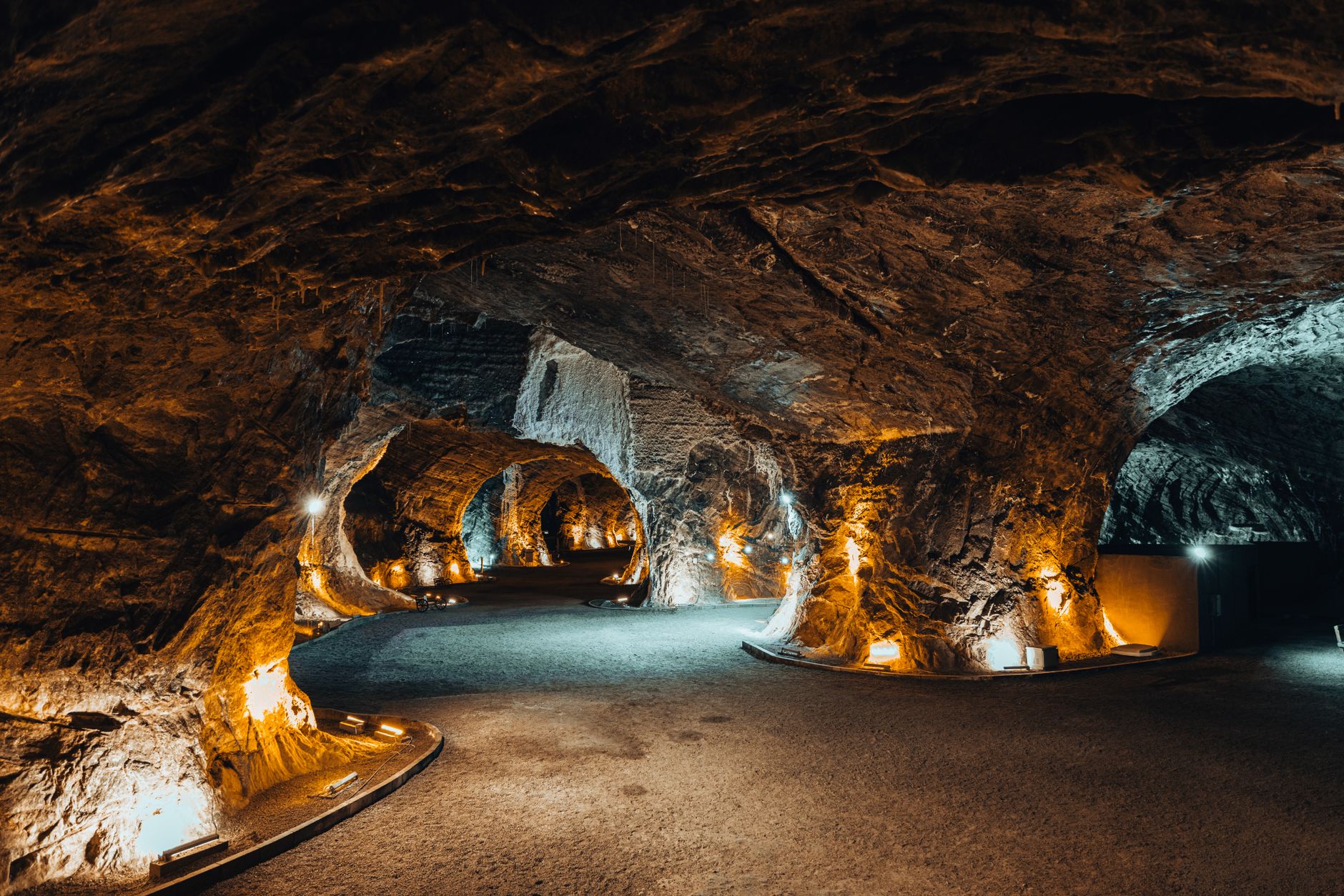
The air grew cooler, the light faded, and the sounds of the world above slowly diminished, replaced by an eerie, respectful silence. I was stepping into a realm carved by necessity, ingenuity, and sheer will – an underground city. And let me tell you, that first descent wasn't just a walk through ancient tunnels; it was a journey into a hidden dimension that profoundly changed my life forever.
These aren't just caves; they are complex, multi-layered urban centers, complete with living quarters, kitchens, stables, churches, and even schools, all meticulously crafted beneath the earth's surface. Visiting them isn't just about seeing a historical site; it's about feeling the echoes of lives lived, understanding human resilience in the face of adversity, and marveling at the sheer audacity of our ancestors.
If you’re ready to trade the familiar for the extraordinary, to challenge your perceptions and delve into the incredible stories hidden beneath our feet, then buckle up. Here are 6 underground cities that you can actually visit, each a testament to human spirit, and each capable of transforming your world, just as they did mine.
1. Derinkuyu & Kaymaklı, Cappadocia, Turkey: The Ancient Labyrinth That Swallowed Thousands
My first foray into the underground was in Cappadocia, a region already famous for its surreal "fairy chimney" landscapes. But beneath this whimsical surface lies something far more profound: Derinkuyu, the deepest excavated underground city in Cappadocia, capable of housing up to 20,000 people, along with their livestock and food supplies, for months on end.
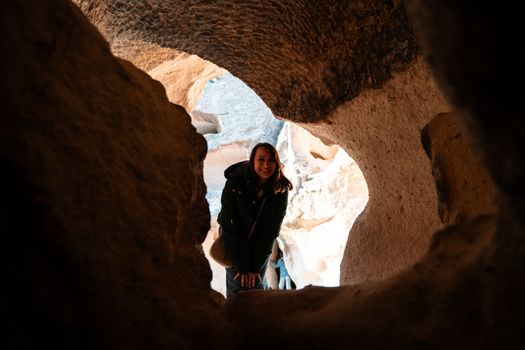
Stepping into Derinkuyu was like entering another dimension. The air was cool and still, carrying the scent of damp earth and ancient stone. I navigated narrow, winding passages, sometimes ducking low, sometimes emerging into vast, multi-story chambers. The ingenuity was breathtaking: ventilation shafts stretching hundreds of feet to the surface, complex water systems, oil presses, wineries, and massive circular stone doors that could be rolled into place from the inside to block invaders.
My personal moment of awe: Standing in what was once a communal meeting hall, imagining the hushed conversations, the scent of cooking fires, the fear and hope that must have filled these spaces. It wasn't just a structure; it was a living, breathing testament to survival.
Just a short drive away is Kaymaklı, another incredible underground city, equally vast and interconnected, offering a slightly different layout but the same profound sense of history. Many locals still use parts of these underground structures today for storage due to their consistent cool temperatures.
Why it changed my life:
It made me realize the incredible resourcefulness of humanity. In times of persecution, people didn't just flee; they dug down, creating entire hidden worlds. It's a powerful reminder of resilience and adaptation.
Practical Tips:
* Booking: No need to book in advance, tickets are bought at the entrance.
* Cost: Around 100-150 Turkish Lira (approx. $3-5 USD) per person for each city.
* Duration: Allow 1-2 hours for each city.
* Getting there: Easily accessible by guided tours from Göreme or Ürgüp, or by renting a car.
* Pro Tip: Wear comfortable shoes with good grip. The paths can be uneven and sometimes slippery. If you’re claustrophobic, be aware that some passages are very narrow, but larger chambers offer respite.
* Instagram-worthy shot: Capture the dramatic circular stone doors, or the view looking up one of the ancient ventilation shafts.
2. The Paris Catacombs, France: A Macabre Masterpiece Beneath the City of Love
From ancient refuge to a haunting ossuary, my next subterranean journey took me beneath the romantic streets of Paris. The Catacombs of Paris are not a city in the traditional sense, but a vast underground network of tunnels repurposed in the late 18th century to house the remains of over six million Parisians.
The descent is immediate and chilling. A spiral staircase takes you 20 meters (65 feet) below ground, and then you enter a world of artfully arranged bones. Femurs stacked neatly, skulls peering from behind delicate patterns of tibias – it’s a macabre mosaic that stretches for miles. While only a small section is open to the public, it’s enough to leave an indelible impression.
My personal moment of awe (and shiver): Reading the inscription above the entrance: "Arrête, c'est ici l'empire de la Mort" ("Stop, this is the Empire of Death"). It's a stark reminder of mortality, yet also a testament to the city's ingenious solution to overflowing cemeteries. The sheer volume of bones, the meticulous arrangement, it's a profound, almost spiritual experience.
Why it changed my life:
It forced me to confront mortality in a very direct, yet strangely beautiful way. It’s a powerful historical artifact that makes you reflect on life, death, and the relentless march of time. It also showcased how a city can solve a massive infrastructure problem with such a unique, enduring, and hauntingly artistic solution.
Practical Tips:
* Booking: Absolutely essential to book tickets online in advance, especially during peak season. Lines can be hours long otherwise.
* Cost: Around €29-35 per person (includes an audio guide).
* Duration: Allow 1.5-2 hours.
* Getting there: Metro stop Denfert-Rochereau (Lines 4, 6, RER B).
* Pro Tip: Wear layers; it's consistently cool down there. Photography is allowed without flash.
* Instagram-worthy shot: The "Empire of Death" entrance sign, or a wide shot of the bone-lined tunnels (be respectful!).
3. Wieliczka Salt Mine, Poland: A Cathedral of Salt and Light
My next underground adventure was a world away, both geographically and experientially. The Wieliczka Salt Mine near Krakow, Poland, is not just a mine; it's a subterranean masterpiece, a UNESCO World Heritage site that has been continuously operating since the 13th century. It’s a city of salt, carved with astonishing artistry.
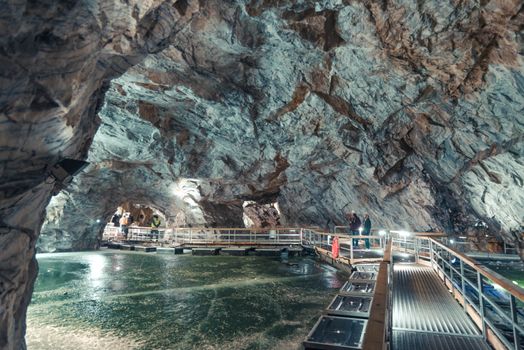
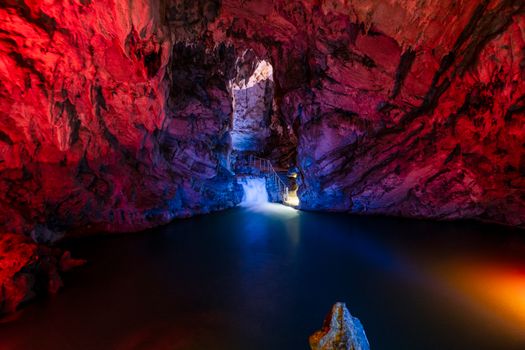
Descending hundreds of feet into the earth, I found myself in a sprawling network of tunnels, chambers, and even chapels, all carved directly from the rock salt. Chandeliers made of salt crystals glittered, statues of saints emerged from the walls, and the sheer scale of the underground lakes and halls was breathtaking. The highlight is the Chapel of St. Kinga, a massive underground church complete with altarpieces, chandeliers, and even intricate carvings replicating famous artworks, all made of salt.
My personal moment of awe: Standing in the Chapel of St. Kinga, listening to the guide explain how every element, from the floor to the ceiling, was painstakingly carved by miners. The air, surprisingly fresh and clean, carried a faint, subtle scent of salt. It felt like walking into a sacred space, a true testament to human devotion and artistic skill, born from the depths of the earth.
Why it changed my life:
It redefined my understanding of "art." To create such beauty and grandeur in the harsh, dark environment of a mine, with tools of the time, speaks volumes about the human spirit's need for expression and meaning, even in the most challenging circumstances. It’s a profound blend of industry, faith, and art.
Practical Tips:
* Booking: Highly recommended to book guided tours online in advance, especially for English tours.
* Cost: Around 109-129 PLN (approx. $25-30 USD) for the Tourist Route.
* Duration: The Tourist Route takes about 2-3 hours.
* Getting there: Frequent buses and trains from Krakow, or join an organized tour.
* Pro Tip: There are over 800 steps, mostly descent, but an elevator brings you back up. Wear comfortable shoes. The temperature is consistently cool (around 14°C/57°F), so bring a light jacket.
* Instagram-worthy shot: The glittering salt crystal chandeliers in the Chapel of St. Kinga, or the stunning underground lake.
4. Edinburgh Vaults, Scotland: A Haunting Glimpse into a Dark Past
My next underground exploration took a darker, more atmospheric turn. Beneath the bustling South Bridge of Edinburgh, Scotland, lie the infamous Edinburgh Vaults, a series of chambers built into the arches of the bridge in the late 18th century. Initially used for taverns, workshops, and storage, these vaults quickly became a haven for the city's poor, criminals, and outcasts as conditions deteriorated.
Walking through the dimly lit, damp vaults felt like stepping directly into a historical novel. The air was thick with history, and an almost palpable sense of past suffering. Our guide, a master storyteller, painted vivid pictures of the lives lived and lost here: the poverty, the crime, the infamous Burke and Hare body snatchers who allegedly stored their victims here. The stories of hauntings and paranormal activity only added to the chilling atmosphere.
My personal moment of awe (and unease): Standing in one of the darkest, most isolated chambers, our guide extinguished his lantern for a moment of complete, suffocating darkness. The silence was absolute, broken only by the drip of water. It was a visceral connection to the fear and desperation that must have permeated these spaces centuries ago.
Why it changed my life:
It offered a raw, unvarnished look at the underbelly of a historic city, forcing me to confront the harsh realities of poverty and social injustice that existed alongside grand architecture and Enlightenment ideals. It made me appreciate the comforts of modern life and the fragility of human existence.
Practical Tips:
* Booking: Essential to book a guided ghost or history tour in advance, as this is the only way to access the vaults. Several companies offer tours (e.g., Mercat Tours, City of the Dead Tours).
* Cost: Around £15-20 per person, depending on the tour.
* Duration: Tours typically last 1-1.5 hours.
* Getting there: The entrance is usually near the South Bridge.
* Pro Tip: Wear warm clothing and waterproof shoes; it's cold and damp. Be prepared for dark, confined spaces and genuinely unsettling stories. Not for the faint of heart!
* Instagram-worthy shot: The eerie, arched stone passages, perhaps with a touch of dramatic lighting from a phone flashlight (if allowed).
5. Coober Pedy, Australia: Living the Troglodyte Dream in the Outback
My journey took a truly unique turn in the Australian Outback, to a place where "underground city" means something entirely different: Coober Pedy. This remote town is the opal capital of the world, and due to the scorching desert temperatures (often exceeding 50°C/122°F), over half of its residents live underground in "dugouts" to escape the heat.
Visiting Coober Pedy wasn't just about exploring ancient history; it was about experiencing a living, breathing underground culture. I stayed in an underground hotel, visited underground churches, shops, and even an underground art gallery. The dugouts are surprisingly spacious, cool, and comfortable, offering a consistent temperature of around 23°C (73°F) year-round.
My personal moment of awe: Waking up in my underground hotel room, the silence was absolute, the air perfectly temperate. Later, exploring an old opal mine, I saw the raw beauty of the opal seams still embedded in the rock. It was fascinating to witness a community that has so ingeniously adapted to its extreme environment, not just surviving, but thriving.
Why it changed my life:
It showed me the incredible adaptability of humanity, not just in the past, but in the present. It challenged my notions of what a "home" or a "city" should look like, proving that innovation and comfort can be found in the most unexpected places. It's a testament to human ingenuity in the face of environmental challenges.
Practical Tips:
* Booking: Book accommodation (underground hotels like the Desert Cave Hotel or Comfort Inn Coober Pedy Experience) well in advance.
* Cost: Mine tours (e.g., Umoona Opal Mine & Museum) typically cost around $20-30 AUD. Entrance to underground homes/churches often has a small fee.
* Duration: Allow 2-3 days to truly experience Coober Pedy.
* Getting there: It's a long drive from Adelaide (8-9 hours) or Alice Springs (7-8 hours). Flights are also available.
* Pro Tip: Take a guided tour of an active opal mine to understand the industry. Be respectful if visiting private dugouts. Stay in an underground hotel for the full experience!
* Instagram-worthy shot: The entrance to an underground dugout, or the unique "no-trees" landscape above ground with mine shafts dotting the horizon.
6. Seattle Underground Tour, USA: Buried History of the Emerald City
My final underground journey brought me closer to home, uncovering a fascinating, quirky piece of American history right beneath a major metropolis. The Seattle Underground Tour isn't about ancient civilizations or catacombs; it's about a city that literally rebuilt itself on top of its past.
After the Great Seattle Fire of 1889, much of downtown Seattle was destroyed. When rebuilding, city leaders decided to raise the street level to combat frequent flooding and poor sanitation. They built new streets and sidewalks above the old, creating an entire network of buried storefronts and passages. The tour takes you into these forgotten basements and former ground floors, now entombed beneath modern Seattle.
My personal moment of awe: Standing in what was once a bustling saloon, now a dusty, brick-lined cavern, and seeing the original storefronts with their grand arches and windows, preserved as if frozen in time. Our guide, a fantastic storyteller with a dry wit, brought the raucous, pioneering history of Seattle to life, complete with tales of brothels, speakeasies, and ingenious engineering.
Why it changed my life:
It showed me how cities evolve, layer upon layer, and how history is often literally buried beneath our feet, waiting to be rediscovered. It was a reminder that even modern cities have incredible, sometimes bizarre, stories to tell, and that a city's character is often shaped by its past struggles and triumphs.
Practical Tips:
* Booking: Book tickets online in advance, especially during peak tourist season.
* Cost: Around $25-30 USD per person.
* Duration: The tour lasts about 75-90 minutes.
* Getting there: The tour starts in Pioneer Square, easily accessible by public transport.
* Pro Tip: Wear comfortable shoes and be prepared for some stair climbing. The vaults can be cool and damp. This tour is highly entertaining and educational for all ages.
* Instagram-worthy shot: The preserved storefronts and original street-level windows, now far below the current street.
Diving Deeper: Practical Tips for Your Underground Adventure
These subterranean wonders offer incredible experiences, but a little preparation goes a long way:
- Book Ahead: For popular sites like the Paris Catacombs or Wieliczka Salt Mine, booking online well in advance is crucial to avoid long queues or disappointment.
- Comfortable Footwear: You'll be doing a lot of walking on uneven, sometimes damp, surfaces. Good walking shoes are non-negotiable.
- Dress in Layers: Underground temperatures are consistently cool, regardless of the weather above ground. A light jacket or sweater is always a good idea.
- Mind Your Head: Many passages are low and narrow. Watch your step and your head!
- Claustrophobia Check: While many underground cities have large chambers, some sections can be very confined. If you suffer from severe claustrophobia, research specific routes or consider if this type of travel is right for you. Many sites offer video tours or more accessible sections.
- Guided Tours are Gold: For sites like the Edinburgh Vaults or Seattle Underground, a knowledgeable guide truly makes the experience, bringing the history and stories to life.
- Photography: Most sites allow photography without flash, but always check local rules. Low light conditions mean a good phone camera or a camera with decent low-light performance will serve you well.
- Respect the Site: These are historical, sometimes sacred, and often fragile places. Follow all rules, don't touch anything you're not supposed to, and be mindful of other visitors.
The Unseen Worlds Await
My journeys into these underground cities weren't just about ticking off a list; they were profound encounters with history, resilience, and the sheer boundless creativity of the human spirit. Each descent was a step back in time, a moment of introspection, and a powerful reminder that there's so much more to our world than what meets the eye on the surface.
These hidden realms challenge our perceptions, ignite our curiosity, and offer a unique kind of adventure that stays with you long after you've re-emerged into the sunlight. They changed my life by making me appreciate the deep layers of history beneath us, the incredible adaptability of humanity, and the endless wonders waiting to be discovered, both above and below ground.
So, are you ready to trade the familiar for the profound? To journey into the earth and let these ancient, hidden worlds transform your perspective?
Which underground city will you explore first? Share your thoughts and questions in the comments below!
---