Sustainable Travel Gear: The Pro Secrets Instagram Influencers Don't Want You To Know
Let me tell you a story. It was 2017, and I was deep in the Amazon rainforest in Ecuador, trekking through muddy trails with a brand-new, "ultra-light" sponsored backpack that an influencer I admired had raved about. It looked sleek, had all the right pockets, and was, admittedly, very photogenic. But within three days, a shoulder strap began to fray, the "water-resistant" fabric proved no match for a sudden downpour, and the main zipper, bless its flimsy heart, decided to give up the ghost entirely. I spent the rest of that trip strapping my belongings together with duct tape and a healthy dose of regret, silently cursing the perfectly posed photo that had lured me in.
Sound familiar? We’ve all been there. Scrolling through Instagram, bombarded by perfectly curated feeds featuring the latest "must-have" travel gadgets, chic outfits, and minimalist backpacks, all promising to transform your journey. The #travelgoals are real, but often, so is the reality of flimsy gear, fast-fashion travel wear, and a constant cycle of consumption that’s neither good for your wallet nor the planet.
But what if I told you there’s a whole universe of travel gear out there – gear that performs better, lasts longer, and is actually sustainable – that often flies under the radar of your favorite influencers? This isn't about shaming anyone; it's about empowering you, the conscious traveler, to make choices that serve both your wanderlust and our beautiful world. Forget the fleeting trends; it's time to invest in gear that’s genuinely built for adventure, not just for the 'gram. Welcome to the secret world of high-performance, sustainable travel essentials.
The Myth of the 'Must-Have' Trendy Gear: Why Less (and Better) is More
The travel industry, like many others, has been swept up in the fast-fashion mentality. New collections every season, "limited edition" drops, and a relentless push for the next big thing. Influencers, often bound by sponsorship contracts, become unwitting (or sometimes witting) conduits for this cycle, showcasing items that prioritize aesthetics and novelty over durability and environmental impact.
Think about it: how many times have you seen a "quick-dry" t-shirt that felt like plastic and ended up smelling worse than your hiking boots after a single wear? Or a "packable" jacket that tore at the seams after its first encounter with a thorny bush? This constant churn of buying and replacing isn't just frustrating; it carries a massive environmental footprint, contributing to landfills, excessive resource extraction, and carbon emissions from manufacturing and shipping.
My Amazon experience was a wake-up call. I realized I was falling for the allure of novelty and brand hype instead of focusing on what truly mattered: reliability, functionality, and sustainability. Since then, my approach to travel gear has shifted dramatically. I now hunt for items designed for longevity, made from recycled or ethically sourced materials, and often backed by incredible warranties. The irony? This gear often outperforms its trendier counterparts in every single way that counts when you’re actually out there exploring the world.
The Core Principles of Sustainable Performance Gear: Built to Last, Designed to Impact
So, what exactly defines "sustainable performance gear"? It’s more than just a buzzword; it’s a philosophy centered around several key pillars:
- Durability & Longevity: This is paramount. Sustainable gear isn't meant to be replaced next season. It’s built with robust materials, strong stitching, and thoughtful design to withstand the rigors of real travel – from cobblestone streets in Rome to dusty trails in Morocco. Many brands even offer lifetime guarantees or excellent repair services, extending the life of your gear significantly.
- Material Innovation: Look for materials that minimize environmental impact. This includes recycled polyesters and nylons (diverting waste from landfills), organic cotton (reducing pesticide use), hemp (a highly sustainable crop), Tencel/Lyocell (wood pulp-based, closed-loop production), and natural fibers like merino wool (biodegradable, renewable).
- Ethical Production: Sustainability extends beyond materials to the people who make the products. Brands committed to ethical production ensure fair wages, safe working conditions, and transparent supply chains. Look for certifications like Fair Trade, B Corp, or Bluesign.
- Multipurpose Design: The ultimate minimalist and sustainable hack. Gear that serves multiple functions reduces the need to buy more items, cuts down on packing weight, and simplifies your travel life. Think a scarf that’s also a blanket, a shirt that works for hiking and dinner, or a backpack that converts into a duffel.
- Repairability: Can it be fixed? A torn seam, a broken zipper – if a product is designed for repair, it significantly extends its lifespan and reduces waste.
Embracing these principles means you’re not just buying a product; you’re investing in a travel companion that will stand by you through countless adventures, reducing your environmental footprint and often saving you money in the long run.
Backpacks & Luggage: Your Travel Foundation That Endures
Your backpack isn't just a bag; it's your portable home, your lifeline on the road. And nothing is worse than a flimsy pack failing mid-journey. While many influencers showcase sleek, often minimalist, and sometimes less durable packs, the true workhorses of the travel world are built to take a beating.
My Go-To Picks & Why They Perform:
- Osprey Farpoint/Fairview Series (approx. $160-$200): My Osprey Farpoint 40 has been with me through 30+ countries, from the bustling markets of Vietnam to the rugged trails of Patagonia. It's not the "prettiest" pack, but its robust construction, comfortable suspension, and clamshell opening are unparalleled for carry-on travel. The real kicker? Osprey's All Mighty Guarantee promises to repair any damage or defect for any reason, free of charge, for the life of the product. That’s sustainability in action – repair over replace.
- Patagonia Black Hole Duffels & Backpacks (approx. $100-$180): Patagonia is a pioneer in sustainable outdoor gear, and their Black Hole series is legendary for its bombproof durability. Made from 100% recycled polyester ripstop with a TPU film laminate, these bags are incredibly weather-resistant and tough. I’ve seen my Black Hole Duffel 60L survive countless bus rides, airport baggage handlers, and even a minor river crossing in Costa Rica. Plus, Patagonia's Worn Wear program actively encourages repair and reuse, and they even offer free repairs for their products.
- Cotopaxi Del Día Series (approx. $60-$180): If you want a pop of color and sustainability, Cotopaxi is your brand. Their Del Día collection utilizes repurposed fabric scraps from other companies' production runs, meaning every pack is unique and diverts waste from landfills. They're also a certified B Corp, committed to ethical manufacturing. My Cotopaxi Allpa 35L has been a fantastic adventure companion, proving that sustainable can also be vibrant and highly functional.
Actionable Advice:
When choosing your travel foundation, prioritize robust zippers (YKK are excellent), sturdy materials (ripstop nylon/polyester), comfortable suspension systems, and a brand with a strong repair policy. Don't be swayed by flimsy, overly specialized pockets or "aesthetic" features that compromise durability.
Apparel: Smart Layers, Not Fast Fashion Fails
Travel clothing often falls into two influencer-driven traps: overly trendy but impractical pieces, or generic synthetic items that promise quick-dry but deliver odor and discomfort. The sustainable traveler knows the secret to smart layering with high-performance, natural, and recycled fibers.
Why These Materials Outperform:
- Merino Wool (Icebreaker, Smartwool, Darn Tough): This is the holy grail of travel fabric. Merino wool is naturally odor-resistant, meaning you can wear a single shirt for days without it smelling. It's also temperature-regulating (cools when hot, warms when cold), quick-drying, and incredibly soft. My Icebreaker Merino T-shirts (approx. $80-$120) have replaced multiple cotton shirts in my pack, saving space and laundry time. For socks, Darn Tough (approx. $18-$25 a pair) offers merino socks with an unconditional lifetime guarantee – if they ever wear out, send them back for a new pair. That's a sustainable investment!
- Hemp & Organic Cotton Blends (Tentree, Prana): For warmer climates or casual wear, hemp and organic cotton offer breathability, durability, and a lower environmental footprint than conventional cotton. Tentree (approx. $30-$70 per item) is a fantastic brand that plants ten trees for every item purchased, using sustainable materials like Tencel, organic cotton, and recycled polyester. Their clothes are comfortable, stylish, and built to last.
- Recycled Synthetics (Patagonia, Arc'teryx): While natural fibers are great, sometimes you need the technical performance of synthetics for waterproof jackets or hardcore hiking gear. Brands like Patagonia and Arc'teryx (in their Veilance or ReBird lines) are increasingly using recycled nylon and polyester for their performance outerwear. My Patagonia Torrentshell 3L Rain Jacket (approx. $179), made with recycled nylon, has kept me dry through monsoons in Thailand and misty mornings in Scotland – a true performance piece with a reduced environmental impact.
Actionable Advice:
Build a versatile capsule wardrobe. Invest in 2-3 high-quality merino base layers, a durable pair of travel pants (like Prana Stretch Zion/Sutra), and a reliable waterproof jacket made from recycled materials. Focus on pieces that can be dressed up or down, layered, and worn multiple times between washes.
Beyond the Basics: Everyday Eco-Essentials That Make a Difference
Sustainability isn't just about the big-ticket items; it's about the small, daily choices that add up. These are the items that show you're a true conscious traveler, not just someone buying into a trend.
- Reusable Water Bottles & Purifiers: This is non-negotiable. Ditch single-use plastic bottles forever.
- Grayl GeoPress (approx. $90): My absolute favorite. This bottle not only filters but purifies water from virtually any fresh source. It saved me countless plastic bottles (and potential stomach issues!) during my Southeast Asia backpacking trip, from the Mekong Delta to the bustling markets of Bangkok. It's an investment, but it pays for itself quickly in savings and peace of mind.
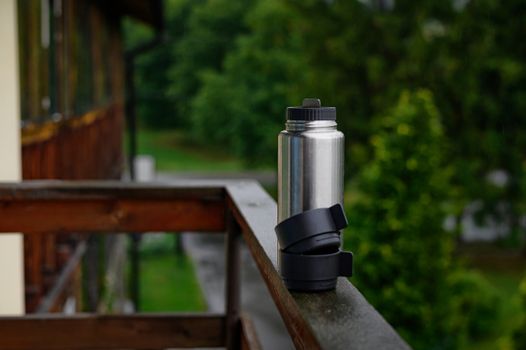
- Hydro Flask (approx. $30-$50): For everyday use, a durable, insulated stainless steel bottle keeps your water cold (or coffee hot) for hours. Mine has survived countless drops and still looks great.
- Solid Toiletries & Refillable Containers: Say goodbye to tiny plastic travel bottles.
- Ethique or Lush Solid Shampoo/Conditioner Bars (approx. $15-$20 per bar): These last for ages, are completely plastic-free, and perform beautifully. My Ethique bars have been everywhere with me, from dry camping in the Grand Canyon to humid hostels in Medellín. No leaks, no plastic waste.
- GoToob Refillable Silicone Bottles (approx. $10-$15 for a set): For liquids you can't get in solid form, these silicone bottles are durable, leak-proof, and easy to clean.
- Reusable Bags (Stasher, ChicoBag):
- Stasher Silicone Bags (approx. $10-$20 each): These endlessly reusable silicone bags are perfect for snacks, toiletries, wet swimsuits, or even organizing small electronics. They're freezer, microwave, and dishwasher safe. I use them for everything!
- ChicoBag Reusable Shopping Bag (approx. $10-$15): A tiny, packable bag that unfolds into a full-sized shopping tote. Essential for market visits or unexpected souvenir purchases, avoiding plastic bags.
- Durable Tech Accessories:
- Anker PowerCore/PowerPort (approx. $20-$60): While not inherently "sustainable" in material, Anker is known for its incredible durability and reliability in power banks and charging cables. Investing in a sturdy, long-lasting charger means you’re not constantly replacing flimsy ones, reducing e-waste. My Anker PowerCore 20100 has been a lifesaver on countless long bus rides and remote treks.
- Goal Zero Nomad Solar Panels (approx. $70-$150): For off-grid adventures, a portable solar panel can charge your devices using renewable energy. I used a small Nomad panel to keep my phone and headlamp charged during a week-long trek in Torres del Paine, feeling completely self-sufficient.
- Footwear with Longevity (Allbirds, Vivobarefoot, Durable Hikers):
- Allbirds (approx. $95-$135): Known for their comfortable shoes made from merino wool, eucalyptus tree fiber, and sugarcane-based soles. They're lightweight, breathable, and a more eco-conscious choice for casual travel.
- Vivobarefoot (approx. $150-$200): Focusing on minimalist, barefoot-style shoes, Vivobarefoot uses recycled materials and promotes repairability. Their shoes are built for natural movement and durability.
- Quality Hiking Boots (e.g., Keen, Merrell, Lowa): For serious adventurers, investing in a pair of high-quality, repairable hiking boots (like my Keen Targhee IIIs, approx. $140-$160) that will last for years is far more sustainable than buying cheap, disposable alternatives. Focus on brands with good reputations for durability and, ideally, resoling services.
Actionable Advice:
Before your next trip, pick one or two areas where you can make a sustainable swap. Start with a reusable water bottle, then perhaps solid toiletries. Every small step makes a difference.
The Long-Term Payoff: Why Sustainability Always Wins
The true beauty of choosing sustainable performance gear isn't just about feeling good about your environmental impact. It’s about a tangible, long-term payoff that enhances every aspect of your travel experience:
- Cost Savings: While the initial investment might sometimes be higher, durable gear that lasts for years (or even a lifetime, thanks to warranties) saves you money in the long run. No more replacing broken items mid-trip or buying new gear every season.
- Superior Performance: This is the core message. Gear designed with longevity and functionality in mind simply works better. It withstands harsh conditions, keeps you comfortable, and handles the unexpected twists of travel with grace.
- Reduced Environmental Impact: Travel guilt-free, knowing you're contributing less to landfills, supporting ethical production, and minimizing your carbon footprint.
- Authenticity: You connect more deeply with the spirit of travel when you're not constantly chasing trends or worrying about your gear breaking. It allows you to focus on the experience, the culture, and the natural beauty around you.
- Peace of Mind: Knowing your backpack won't rip, your water is purified, and your clothes won't smell after a long day? Priceless.
I’ve had moments on remote trails, under unpredictable skies, where I’ve looked at my trusty, well-worn gear – my reliable Osprey pack, my merino wool base layer, my Grayl purifier – and felt a profound sense of gratitude. These aren't just objects; they're companions, silent witnesses to countless adventures, and they’ve never let me down. They might not be the flashiest items on an influencer’s feed, but they are the ones that genuinely empower me to explore the world responsibly and without compromise.
Your Next Adventure Starts with a Smarter Choice
So, the next time you're planning a trip and scrolling through those perfectly polished feeds, take a moment. Ask yourself: Is this gear built for real adventure, or just for a pretty picture? Does it align with my values of sustainability and durability?
You don't need influencer approval to travel smart, responsibly, and with gear that truly performs. The secret isn't in what's trending; it's in what endures.
What's your favorite piece of sustainable, high-performance travel gear that you swear by? Share your insights and tips in the comments below!
Before your next journey, commit to making at least one sustainable gear swap. Choose quality, choose longevity, choose the planet. Your future self (and your future travels) will thank you.
Tag us on Instagram @Tripsora with #SustainableTravelGear and show us your eco-friendly essentials! Let's inspire a movement of conscious travelers together.
---