Secret Plastic-Free Travel Essentials Instagram Influencers Don't Want You To Know
Remember that trip to Bali? The one where you scrolled through endless feeds of pristine beaches, lush rice paddies, and vibrant smoothie bowls, all seemingly untouched by the mundane realities of modern waste? Yeah, me too. I was there, mesmerized by the digital perfection, until I landed. The truth, as it often does, hit me like a humid wave the moment I stepped out of Ngurah Rai International. Plastic. Everywhere. From the tiny water bottles handed out at every turn to the ubiquitous single-use packaging for snacks, the reality of paradise was a stark contrast to its online persona.
It was a moment of reckoning. I, a self-proclaimed travel enthusiast, had been so focused on chasing the perfect shot, the authentic experience, that I’d completely overlooked my own contribution to the problem. That trip, for all its beauty, became my personal wake-up call. I started noticing the subtle ways influencers avoid showing plastic – the perfectly angled shot of a drink without the straw, the artful cropping of a street food scene to omit the plastic bag, the pristine beach photo after a hidden cleanup. They’re masters of the aesthetic, and while their curated feeds inspire wanderlust, they often leave out the nitty-gritty of how to travel responsibly.
So, I started experimenting. I researched, I swapped, I failed, and I tried again. And what I discovered are the unsung heroes of responsible travel – the plastic-free essentials that aren’t always glamorous enough for a sponsored post, but are absolutely vital for anyone serious about exploring our planet without leaving a trail of waste. These are the tools that empower you to be a conscious traveler, not just a consumer of destinations. Ready to ditch the single-use guilt and travel like a true eco-warrior? Let's dive in.
---
The Hydration Revolution: Beyond the Branded Bottle (Your Thirst Quencher's Secret Weapon)
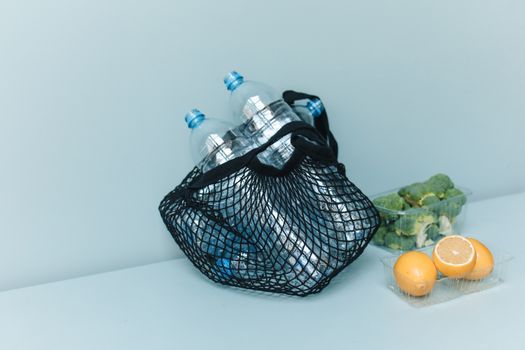
The single biggest culprit in travel waste? Bottled water. It’s convenient, sure, but the sheer volume of plastic water bottles consumed daily by tourists is mind-boggling. I once calculated how many bottles I would have gone through on a two-week trip to Thailand if I hadn't prepared – it was easily over 50. That's 50 pieces of plastic that would likely end up in a landfill or, worse, the ocean. This is where your hydration revolution begins.
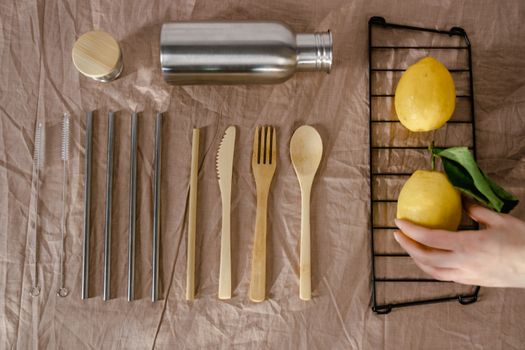
- The Reusable Water Bottle (Your Best Friend): This is non-negotiable. Invest in a good quality, insulated stainless steel bottle. Why insulated? Because there's nothing worse than lukewarm water on a scorching day in Rome or a humid hike through the Costa Rican rainforest. My go-to is a 32oz Hydro Flask. It keeps water ice-cold for hours, even sitting in a hot car. It’s sturdy, stylish, and a constant reminder to refill. Insider tip: Many airports now have water refill stations past security. Look for them! Hotels are also increasingly offering filtered water dispensers in lobbies.
- The Portable Water Filter/Purifier (The Ultimate Game Changer): This is the secret weapon influencers definitely aren't showing you. While they might pose with a freshly cracked coconut, they're not showing you how they ensure safe drinking water in places where tap water isn't potable. My Sawyer Mini Filter has been a lifesaver. It’s tiny, lightweight, and screws onto most standard plastic water bottles (or you can use its included pouch). I’ve used it to filter water from questionable taps in rural Vietnam, from streams in the Himalayas, and even from hotel bathroom sinks in Mexico. Paired with my reusable bottle, I haven't bought a single plastic water bottle in years. Cost: Around $20-$30, and it filters thousands of gallons. That's serious savings and serious impact.
- Collapsible Water Bottle (For the Minimalist): If space is paramount, a Vapur collapsible water bottle is excellent. It folds flat when empty, making it perfect for day trips or when you need an extra bottle for a long journey. It won't keep your water cold, but it's better than buying plastic.
My Story:
I was trekking through the Annapurna region of Nepal, and every tea house along the way sold bottled water at exorbitant prices due to the difficulty of transport. My Sawyer Mini, which I'd packed almost as an afterthought, became my most cherished item. I simply filled my bottle from the guesthouse tap, filtered it, and had clean, safe drinking water, saving myself hundreds of rupees and countless plastic bottles. It felt empowering to be self-sufficient and truly off-grid.
---
Toiletries & Self-Care: Small Swaps, Big Impact (Beauty Secrets Beyond the Bottle)
The tiny plastic bottles of shampoo and conditioner in hotels? A nightmare for the environment. And your own travel-sized plastic bottles? They add up too. This section is all about revolutionizing your personal care routine for a plastic-free journey.
- Solid Shampoo & Conditioner Bars (TSA's Best Friend): This is perhaps the easiest and most impactful swap. Brands like Lush, Ethique, and even some mainstream brands now offer solid shampoo and conditioner bars. They last forever, take up minimal space, and are completely plastic-free. No more worrying about liquid limits at airport security, no more leaks in your bag! Pro-tip: Store them in a reusable tin or a breathable mesh bag to let them dry out between uses.
- Soap Bars (The OG of Clean): Ditch the plastic body wash. A good quality bar of soap (Dr. Bronner's is a classic multi-purpose option) lasts ages, smells great, and comes in minimal packaging.
- Bamboo Toothbrush & Toothpaste Tablets/Powder: A bamboo toothbrush is a simple, biodegradable swap. Pair it with toothpaste tablets (brands like Bite or Georganics) or a tooth powder that come in glass jars or compostable packaging. They foam up just like regular toothpaste, and again, no liquid limits!
- Safety Razor (Smooth Sailing, Zero Waste): This might seem intimidating, but a safety razor provides an incredibly close shave and is a lifetime investment. Blades are cheap, recyclable, and produce zero plastic waste.
- Reusable Cotton Rounds/Menstrual Cup: For makeup removal, reusable cotton rounds are a no-brainer. For feminine hygiene, a menstrual cup is a game-changer – it's reusable for years, comfortable, and eliminates the waste of tampons and pads.
My Story:
My first time trying shampoo bars was before a trip to Italy. I was skeptical, but the convenience of having solid toiletries for my carry-on was undeniable. Not only did my hair feel great, but sailing through security without pulling out a liquids bag felt like a superpower. Plus, the peace of mind knowing I wasn't contributing to those tiny hotel plastic bottles was priceless. I even found a local artisan soap maker in Florence whose bars became my favorite souvenir!
---
Culinary Conscious: Eat & Drink Responsibly (Feasting Without the Footprint)
Food is a huge part of the travel experience, but it often comes with a side of plastic. Think about that street food in Bangkok, the takeaway coffee in London, or the picnic on a beach in Australia. With a few simple tools, you can enjoy all the deliciousness without the guilt.
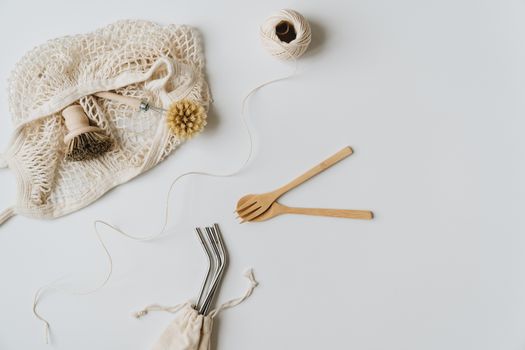
- Reusable Cutlery Set (Your Portable Dining Kit): A bamboo or stainless steel cutlery set in a small pouch is essential. I carry a fork, spoon, knife, and chopsticks. This means I can politely decline single-use plastic cutlery at food stalls, cafes, and even on planes.
- Collapsible Cup/Bowl (The Versatile Companion): A silicone collapsible cup is perfect for coffee, tea, or even a quick snack. Some even come with lids. It folds down to almost nothing. A collapsible bowl is great for grabbing a salad at a market or sharing a meal.
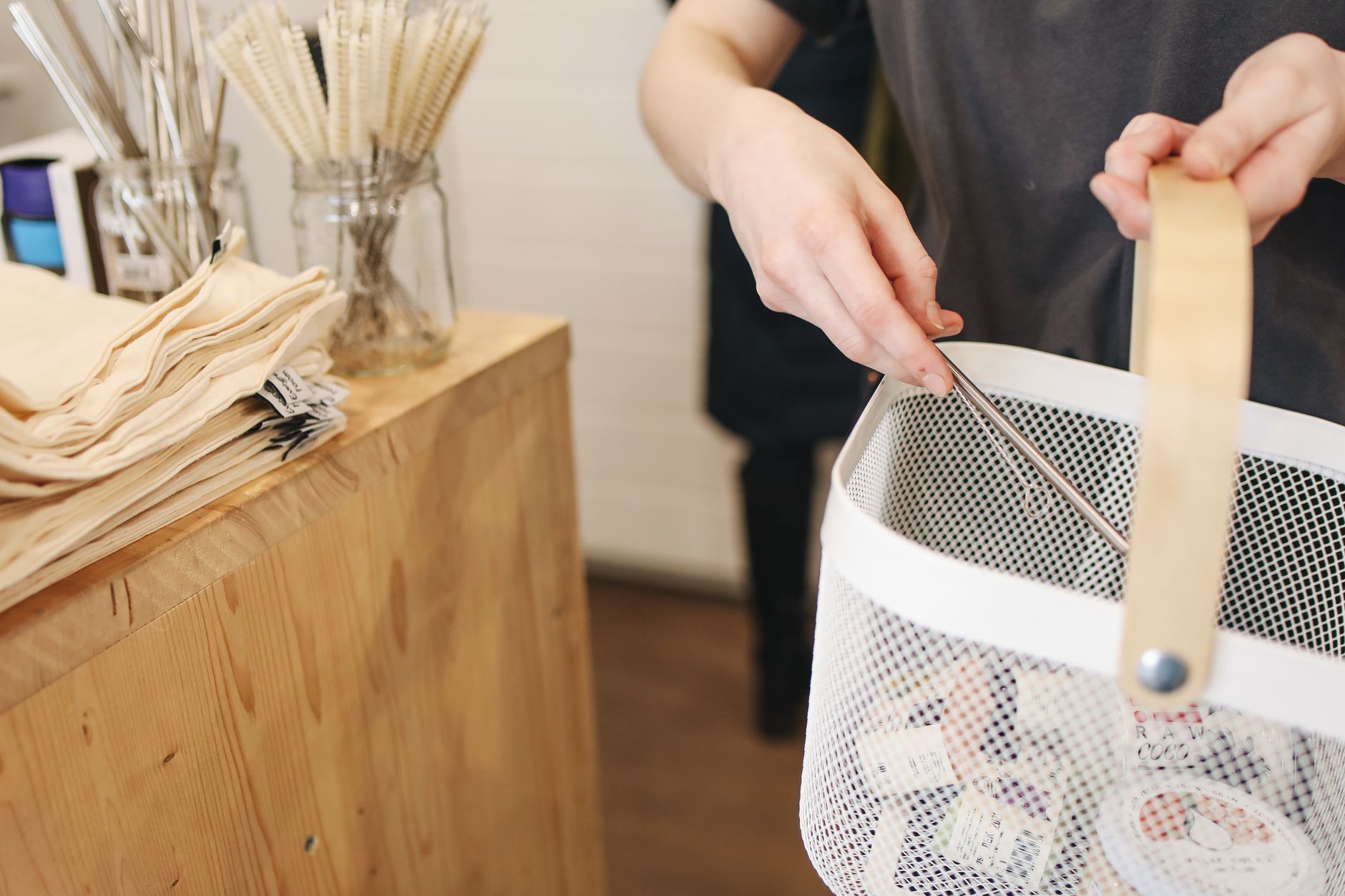
- Reusable Straw (Say No to Plastic Straws): Whether you prefer stainless steel, bamboo, or silicone, a reusable straw is a must. Just remember to say "no straw, please" when ordering drinks. Learn it in the local language if you can! "Tidak sedotan, terima kasih" in Indonesian, for example.
- Produce Bags & Tote Bags (Market Mavens): Always carry a few lightweight, reusable produce bags and a sturdy tote bag. They're invaluable for farmers' markets, grocery runs, or simply carrying your daily essentials. I always have a small "packable" tote stuffed into my daypack.
My Story:
Wandering through the bustling night markets of Hoi An, Vietnam, the vibrant smells and sights were intoxicating. Every stall offered incredible food, but also mountains of plastic bags and containers. Armed with my bamboo cutlery and a collapsible bowl, I was able to enjoy my Cao Lau and Banh Mi without a single piece of plastic waste. The vendors were often surprised, sometimes even impressed, and it sparked a few interesting conversations about sustainability. It felt like a small victory in a sea of single-use.
---
Packing & Organization: Smarter, Not Harder (The Art of Mindful Luggage)
Beyond what you carry, how you carry it matters. Your packing strategy can significantly reduce your plastic consumption during a trip and make your travel experience smoother.
- Reusable Packing Cubes (The Eco-Organizer): While not inherently plastic-free (many are made from synthetic fabrics), choose packing cubes made from recycled materials or durable, long-lasting fabrics. They help you organize your clothes, minimize wrinkles, and ensure you don't overpack, which indirectly reduces your consumption of "just in case" items.
- Fabric Laundry Bag (Contain the Funk): Instead of using disposable plastic bags from hotels for dirty laundry, bring a lightweight fabric laundry bag. It keeps your clean clothes fresh and your dirty ones contained without adding to landfill.
- Plastic-Free Snack Bags (Healthy & Happy): Silicone reusable snack bags (like Stasher bags) are fantastic for carrying nuts, dried fruit, sandwiches, or even wet items without leaks. They replace countless plastic ziplock bags.
- Multi-Purpose Items (The Savvy Traveler's Secret): Think about items that can serve multiple functions. A large sarong can be a towel, a beach cover-up, a headscarf, a makeshift bag, or even a blanket on a chilly bus ride. A bandana can be a napkin, a sweatband, or a hair tie. The less you pack, the less potential waste you generate.
My Story:
On a backpacking trip through South America, my packing cubes were my lifeline. Not only did they keep my small backpack organized, but the fabric laundry bag became a crucial part of my routine. After a particularly muddy trek in Patagonia, I was so grateful to have a contained space for my grimy hiking clothes, preventing them from contaminating everything else. It’s these small, practical details that make a huge difference in comfort and waste reduction on the road.
---
Beyond the Essentials: Mindset & Action (The True Influencer's Impact)
Having the right gear is only half the battle. True plastic-free travel is also about a shift in mindset and a commitment to conscious action. This is the part that influencers really don't show you, because it requires effort beyond a perfectly filtered photo.
- Research & Engage with Local Initiatives: Before you even arrive, do a quick search for local sustainability efforts. Are there refill stations for water bottles? Are there zero-waste shops? Does the hotel you're considering have eco-certifications? Supporting businesses that prioritize sustainability sends a powerful message. In places like Amsterdam or Berlin, you'll find an abundance of zero-waste stores and cafes.
- Say "No" Politely But Firmly: This is crucial. Say "no thank you" to plastic bags, straws, unnecessary packaging, and freebies wrapped in plastic. It can feel awkward at first, especially in cultures where hospitality means giving you everything, but a polite refusal, often accompanied by showing your reusable alternative, usually works.
- Support Local, Sustainable Businesses: Opt for local markets over supermarkets for fresh produce. Choose independent cafes that use ceramic mugs over chains that rely on disposable cups. Eat at restaurants that source locally and minimize waste. Your travel dollars have power.
- Leave No Trace (Literally): Pack out everything you pack in. If you see litter, and it's safe to do so, pick it up. Participate in a local beach cleanup if the opportunity arises. Be a part of the solution, not the pollution.
- Educate & Inspire (Without Preaching): Share your plastic-free journey with friends and family. Let your actions speak louder than words. When someone asks about your cool bamboo cutlery, tell them why you carry it. You might just inspire someone else to make a swap.
My Story:
I was in a small, remote village in the Philippines, marveling at the vibrant coral reefs. I noticed a local shop selling snacks in plastic sachets, a common practice due to poverty and lack of waste infrastructure. Instead of just sighing, I asked the shop owner if she'd ever considered selling larger quantities of snacks that people could put into their own containers. She was initially confused, but after a long, patient conversation (with the help of a local guide), she seemed genuinely interested in the idea. It was a small seed, but it showed me that simply traveling with plastic-free essentials can open doors for dialogue and change. It’s not about being perfect, it’s about making an effort and showing up with intention.
---
The Unfiltered Truth: Travel with Purpose
The perfectly curated feeds of Instagram influencers are inspiring, no doubt. They show us the dream. But the reality of travel, the truly impactful, meaningful kind, often happens in the moments between the shots. It’s in the conscious choices you make, the conversations you have, and the impact you leave – or rather, don't leave – on the places you visit.
These plastic-free essentials aren't just about reducing waste; they're about empowering you to travel with integrity. They allow you to immerse yourself more deeply in a destination, knowing you're not contributing to its environmental burdens. They save you money, simplify your packing, and often lead to more authentic interactions with locals.
So, next time you're planning an adventure, pack these secret weapons. Be the traveler who not only sees the beauty of the world but actively works to preserve it. Your plastic-free journey won't just change your trips; it might just change the world, one mindful swap at a time.
Now it's your turn! What's your go-to plastic-free travel essential? Share your tips and inspire fellow Tripsora readers in the comments below! Let's show the influencers that sustainable travel isn't a secret, it's a movement.
---