The turquoise waters of Maya Bay shimmered under the scorching Thai sun, a scene plucked straight from a postcard. I was on a long-awaited trip to Phi Phi Islands, finally seeing the iconic beach that had been closed for years to recover from over-tourism. It was breathtaking, truly. But as I snorkeled near the shore, a plastic bag drifted lazily past my mask, then a bottle cap, then another. The stark reality hit me: even in paradise, the plastic crisis was an undeniable shadow.
That moment, a few years back, was a turning point. I’d always considered myself an eco-conscious traveler, but seeing that contrast so vividly pushed me to do more. It wasn't enough to just appreciate nature; I had to actively protect it. And so began my journey into the world of plastic-free travel.
Fast forward to today, and the movement has exploded! What started as a niche pursuit for hardcore environmentalists has blossomed into a global trend, driven by incredible innovation and a growing awareness among travelers like us. Ditching single-use plastics isn't just about saving the planet (though that's a huge win!); it's about smarter packing, saving money, and often, experiencing destinations more authentically.
If you’re ready to lighten your environmental footprint without sacrificing your wanderlust, you're in the right place. These aren't just "eco-friendly" alternatives; these are the plastic-free travel essentials that are trending right now, making sustainable adventures easier and more stylish than ever.
---
1. Hydration Heroes: Sip Smart, Ditch the Bottles
Let's be real: bottled water is probably the biggest plastic culprit in travel. From airport security to roadside vendors, it's everywhere. But with a little foresight and the right gear, you can hydrate responsibly and save a ton of cash.
The Trendsetters:
- Insulated Reusable Water Bottles: Forget flimsy plastic. High-quality insulated bottles like a Hydro Flask or Klean Kanteen are a game-changer. They keep your water icy cold for 24 hours (a godsend in Southeast Asia!) or piping hot for 12. I picked up a vibrant coral Hydro Flask in Bali a few years ago for about $40, and it’s been my constant companion ever since, surviving countless drops and adventures. It’s not just a bottle; it's a statement.
- Filter Bottles & Purification Systems: This is where things get really exciting, especially for travelers heading to places with questionable tap water.
- Grayl GeoPress/UltraPress: This is my absolute holy grail. It’s a French press-style bottle that purifies water from virtually any fresh source (rivers, sketchy taps, you name it) in seconds. I used my Grayl UltraPress extensively while trekking through the Peruvian Andes. We were filling up from mountain streams, and I never once worried about getting sick. It's an investment (around $70-$90), but knowing you have safe drinking water anywhere is priceless.
- Steripen: For minimalist packers, a UV water purifier like a Steripen is fantastic. It zaps bacteria and viruses with UV light. You'll still need a bottle, but it's super lightweight.
- Lifestraw Go: A more affordable option, the Lifestraw Go combines a filter with a bottle, great for hiking and general travel.
Practical Tip:
Always ask cafes or restaurants if they can refill your bottle. Many places, especially in eco-conscious destinations like Costa Rica or New Zealand, are happy to oblige, sometimes even for free! In airports, look for water refill stations past security.
---
2. Bathroom Bliss: Solid Swaps for a Lighter Load
The typical travel toiletry bag is a plastic graveyard: mini shampoo bottles, tiny lotions, plastic toothbrushes. Imagine ditching all of that for sleek, compact, and completely plastic-free alternatives. It’s not just eco-friendly; it's a TSA dream come true!
The Trendsetters:
- Shampoo & Conditioner Bars: These are perhaps the most popular plastic-free bathroom swap. Brands like Lush, Ethique, and HiBAR offer a huge range for different hair types. One bar can last as long as 2-3 bottles of liquid shampoo, saving space, weight, and plastic. I fell in love with a coconut-scented Ethique bar during a cycling trip through Vietnam – it lathered beautifully even with hard water, and the compact tin meant no leaks in my panniers! Prices typically range from $12-$20 per bar.
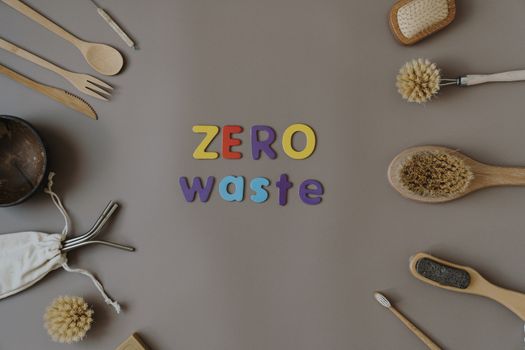
- Bamboo Toothbrushes & Toothpaste Tablets: A no-brainer swap. Bamboo toothbrushes are widely available and compostable. Pair it with toothpaste tablets (like those from Denttabs or By Humankind) or toothpaste powder. Just pop a tablet in your mouth, chew, and brush! It feels a little odd at first, but you quickly get used to it, and they're fantastic for travel – no messy tubes, no liquid limits. I grabbed a pack of mint tablets in a zero-waste store in Berlin for about €8, and they’ve been a staple ever since.
- Reusable Razors: Invest in a stainless steel safety razor. They give an incredibly close shave, last forever, and you only replace the recyclable metal blades. My first one cost me about $35, and I haven't looked back.
- Solid Sunscreen & Deodorant: Many brands now offer solid, plastic-free sunscreen sticks (e.g., Raw Elements) and deodorant bars (e.g., Ethique, Native). They're mess-free and super convenient. I found a fantastic zinc-based solid sunscreen from a local artisan in Portugal that came in a tin – perfect for beach days.
- Menstrual Cups & Reusable Pads: For female travelers, a menstrual cup (like a DivaCup or Lena Cup) is a game-changer. One cup can last for years, eliminating countless disposable products. Reusable cloth pads are another excellent option for those who prefer them. My DivaCup has saved me so much hassle and waste, especially in places where sanitary product disposal can be tricky.
Practical Tip:
Store your bars in a well-draining travel tin or a breathable cloth bag to prevent them from getting mushy. Let them dry out completely before packing if possible.
---
3. Dining & Snacking Smart: Cutlery, Containers & Carry-Alls
Eating local is a huge part of travel, but street food and takeout often come with a side of single-use plastic. Being prepared allows you to enjoy every bite guilt-free.
The Trendsetters:
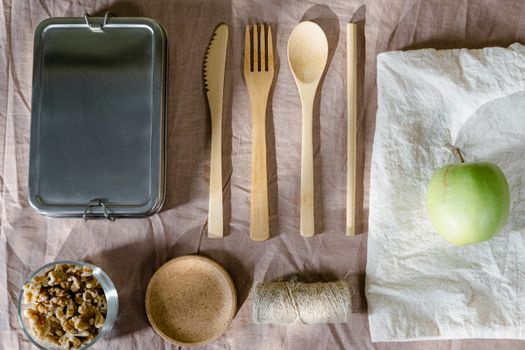
- Reusable Cutlery Sets: Compact, lightweight cutlery sets made from bamboo, stainless steel, or even durable recycled plastic are a must. Many come in a small fabric pouch. I carry a bamboo set everywhere – refusing a plastic fork at a bustling food market in Bangkok felt like a small victory, and the vendor even gave me a nod of approval! You can find these for $10-$20.
- Collapsible Food Containers & Silicone Bags: These are incredibly versatile. A collapsible silicone container (like those from Stasher or PackIt) is perfect for leftovers, packing a picnic, or even just holding snacks. Stasher bags are particularly popular – they're endlessly reusable, freezer-safe, microwave-safe, and incredibly durable. I often use a medium Stasher bag for sandwiches or fruit on day trips.
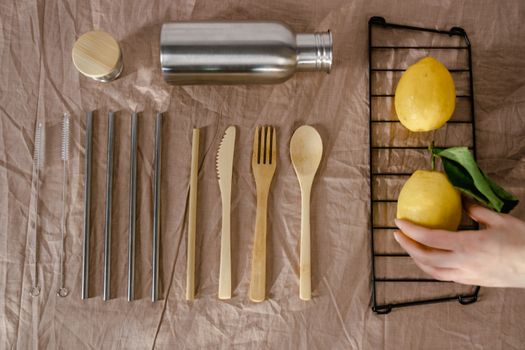
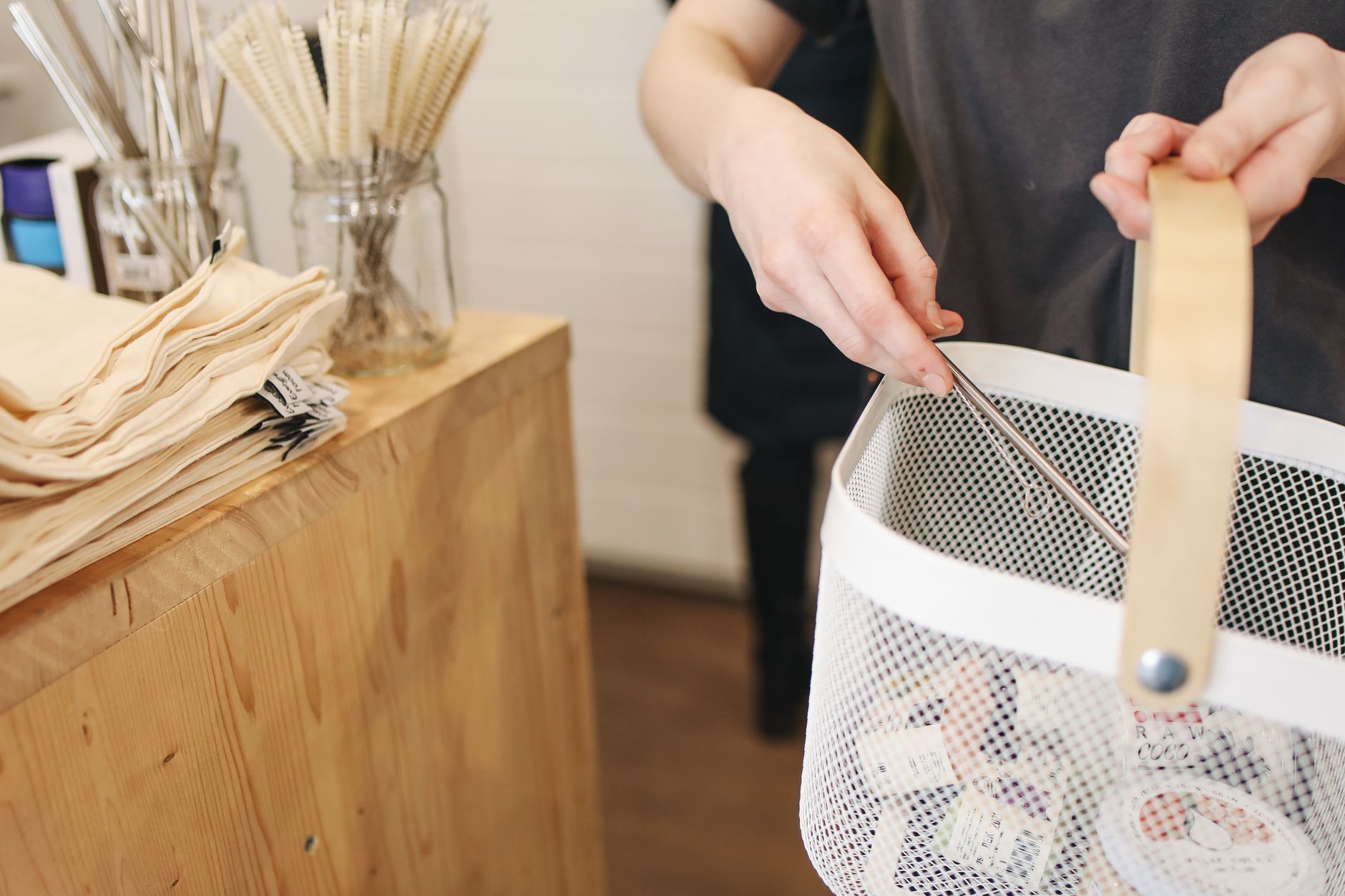
- Reusable Straws: While some people are moving away from straws entirely, if you love them, opt for stainless steel, bamboo, or silicone. Many sets come with a cleaning brush and a carrying pouch. I prefer a stainless steel straw for smoothies – easy to clean and sturdy.
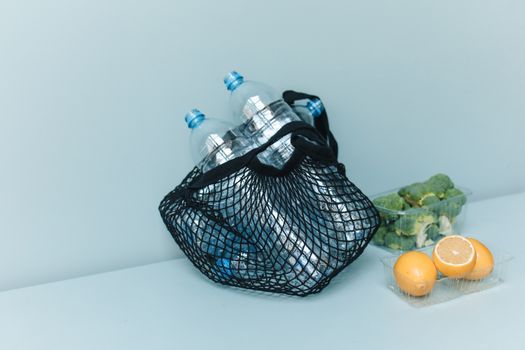
- Produce Bags & Tote Bags: Always carry a few lightweight, reusable produce bags (mesh or cotton) for market visits, and a sturdy, packable tote bag. Not only do they help you avoid plastic bags, but they're also invaluable for souvenirs, groceries, or unexpected purchases. I have a fantastic canvas tote I bought from a local artist in Florence that folds down tiny but holds a surprising amount.
Practical Tip:
Before ordering takeout, ask if they can put your food directly into your reusable container. Be polite and explain why – most places are understanding, especially if you're patient.
---
4. Fashion & Laundry on the Go: Eco-Conscious Choices
Sustainable travel extends beyond just what you eat and drink; it also encompasses how you maintain your wardrobe and what your clothes are made of.
The Trendsetters:
- Laundry Detergent Sheets/Strips: These ingenious, ultra-concentrated sheets dissolve in water, offering a plastic-free alternative to bulky liquid detergents. They take up virtually no space or weight, and there's no risk of leaks. I always pack a small stack of Tru Earth strips – perfect for handwashing essentials in a hostel sink or using in a laundromat. A pack of 30-60 sheets usually costs around $15-$25.
- Microfiber Catching Wash Bags: If you're washing synthetic clothing (like activewear or fleece), a Guppyfriend wash bag is a fantastic innovation. It catches microplastic fibers that shed during washing, preventing them from entering waterways. It's a small step that makes a big difference for ocean health.
- Sustainable Clothing Materials: While not strictly "plastic-free essentials" in the same vein as a water bottle, trending sustainable clothing materials are essential for a truly eco-conscious wardrobe. Think Tencel, linen, organic cotton, and hemp. These fabrics are breathable, durable, and often have a lower environmental impact. Investing in high-quality, sustainable pieces means they last longer, reducing overall consumption. My favorite travel dress is made from Tencel – it's wrinkle-resistant, dries quickly, and feels amazing in humid climates.
- Packable Drying Line: A simple, lightweight rope with suction cups or hooks allows you to dry clothes anywhere, reducing reliance on energy-intensive dryers. Mine cost about $8 and has come in handy countless times, from drying swimsuits in a tiny Airbnb bathroom in Santorini to hanging clothes on a balcony overlooking the Adriatic.
Practical Tip:
Pack versatile clothing items that can be mixed and matched, and embrace the art of handwashing. It saves money, space, and is gentler on your clothes and the environment.
---
5. Tech & Totes: Smart Packing & Accessories
Even our tech and packing solutions can be given a plastic-free makeover. It's about making conscious choices for durability and sustainability.
The Trendsetters:
- Eco-Friendly Phone Cases: Many brands now offer phone cases made from biodegradable materials like wheat straw, bamboo fiber, or recycled plastics. They protect your phone and the planet. I recently swapped my old plastic case for a sleek, compostable Pela Case – it feels great in my hand and looks stylish.
- Solar Chargers: For off-grid adventures or just reducing your reliance on traditional power sources, a compact solar charger is a brilliant investment. They're perfect for keeping your phone or small electronics topped up while hiking or camping. I brought a small foldable solar panel on a road trip through Patagonia, and it was invaluable for keeping my camera charged for those epic landscape shots.
- Durable, Long-Lasting Packing Cubes: While many packing cubes are made from synthetic materials, opting for high-quality, durable brands (like Eagle Creek or Osprey) ensures they last for years, preventing you from buying new ones frequently. Look for ones made from recycled materials if possible. My set of Osprey packing cubes has been with me for over five years and countless trips, showing no signs of wear.
- Reusable Dry Bags: Essential for any water-based activity or just protecting electronics from rain. Instead of using disposable plastic bags, invest in a good quality reusable dry bag. Mine is a bright yellow 10L bag that cost about $25 – it’s kept my camera safe on countless kayaking trips and rainy hikes.
Practical Tip:
Look for electronics with long lifespans and consider buying refurbished items to reduce waste. When your electronics do reach end-of-life, ensure they are properly recycled.
---
6. Wellness & First Aid, Responsibly
Even in unexpected situations, you can still maintain your commitment to being plastic-free. Your wellness and first aid kit can be just as eco-conscious as the rest of your gear.
The Trendsetters:
- Solid Insect Repellent: Similar to sunscreen, insect repellent often comes in plastic spray bottles. Look for solid sticks or balms in tins or cardboard tubes. Many are made with natural ingredients like citronella or essential oils. I found a fantastic lemongrass-based solid repellent in a small apothecary in Laos that worked wonders against mosquitoes and smelled divine.
- Reusable Cotton Swabs: Brands like LastSwab offer reusable, silicone-tipped cotton swabs that can be cleaned and reused thousands of times. They come in a small, compact case, perfect for travel. It’s a small swap, but those single-use cotton swabs add up!
- Eco-Friendly First Aid Components: Build your own first aid kit with plastic-free alternatives where possible. Opt for bamboo bandages (like those from Welly or Patch), and look for medications that come in glass bottles or cardboard packaging. While not everything can be plastic-free here, making conscious choices for what you can makes a difference. I always carry a small tin of solid antiseptic balm and a few bamboo bandages – they feel so much better than plastic ones!
- Essential Oil Roll-ons: Instead of multiple plastic bottles of lotions or perfumes, carry a multi-purpose essential oil roll-on (e.g., lavender for relaxation, peppermint for headaches) in a small glass vial.
Practical Tip:
When building your first aid kit, prioritize reusable items and choose products with minimal packaging. Label everything clearly and keep it easily accessible.
---
The Ripple Effect: Beyond Your Backpack
Adopting plastic-free travel essentials isn't just about what you carry; it's about the mindset you embody. It’s about becoming a more mindful traveler, someone who appreciates the beauty of our planet enough to actively protect it.
My journey started with a moment of disheartening realization in Maya Bay, but it has evolved into a deeply rewarding way to explore. I've had more authentic interactions with locals when asking for water refills, discovered amazing local brands in zero-waste shops, and felt a profound sense of pride knowing my adventures leave a lighter footprint.
This isn't about perfection; it's about progress. Start small. Pick one or two items from this list that resonate with you and integrate them into your next trip. Every reusable bottle, every bamboo toothbrush, every refused plastic bag sends a signal and makes a difference.
The trend for plastic-free travel isn't just a fleeting fad; it's a necessary evolution in how we interact with the world. So, pack smart, travel light, and let your adventures be a testament to a more sustainable future.
What are YOUR favorite plastic-free travel hacks or trending essentials? Share your wisdom in the comments below! Let's inspire each other to travel better.
---