The sun beat down on my face, a gentle breeze rustling the palm fronds overhead. I was on a remote beach in El Nido, Philippines – a place so stunning it felt Photoshopped. Crystal-clear turquoise water lapped at powdery white sand, jagged limestone karsts pierced the sky, and vibrant coral reefs teemed with life just beneath the surface. It was paradise, pure and unadulterated… almost.
As I waded into the shallows, a plastic water bottle bobbed past my leg. Then another. And another. A small, deflated plastic bag clung to a piece of coral. My heart sank. This wasn’t the first time I’d encountered plastic pollution in an otherwise pristine environment, but this time, something clicked. It hit me like a rogue wave: I was part of the problem. Every bottle of water I bought, every plastic-wrapped snack, every disposable souvenir bag – it all contributed to this heartbreaking scene.
That moment marked a turning point in my travel philosophy. I realized that experiencing the world’s beauty meant actively protecting it. It wasn't enough to simply admire; I had to participate in its preservation. And thus began my journey into plastic-free travel – a journey that hasn't just reduced my environmental footprint, but has paradoxically enriched my adventures in ways I never imagined.
Plastic-free travel isn't about deprivation; it's about preparation, intention, and a deeper connection to the places you visit. It's about swapping fleeting convenience for lasting impact. It's about carrying a few simple items that become extensions of your commitment, opening doors to more authentic experiences and saving you money along the way.
So, buckle up, fellow wanderers! I’ve scoured the globe, tested countless products, and accumulated a treasure trove of wisdom to bring you the ultimate list of plastic-free travel essentials. These aren't just items; they're game-changers, freedom-givers, and silent guardians of our planet. These are the eco-essentials you truly need to experience before you die, because they’ll help ensure there's still a beautiful world left to explore.
---
1. The Hydration Hero: Reusable Water Bottle & Portable Filter
Let’s be honest: single-use plastic water bottles are the undisputed champions of travel waste. In many developing countries, clean tap water isn't guaranteed, leading to a reliance on bottled water. But what if you could have safe, delicious water anywhere, anytime, without the plastic guilt?
My Story:
My early travels through Southeast Asia were plagued by the constant hunt for bottled water. In remote villages in Laos, I’d stack up empty plastic bottles, feeling a pang of guilt with each one. Then, on a trek through the Annapurna region of Nepal, where plastic waste is a huge issue, I finally invested in a good portable filter. It changed everything. I filled my bottle from mountain streams, purified it, and drank without a second thought. It felt like magic.
Why You Need It:
* Environmental Impact: Dramatically reduces your plastic bottle consumption. Imagine how many bottles you’d save on a two-week trip!
* Cost Savings: While the initial investment might seem like a lot (a good filter can range from $50-$150, and a quality insulated bottle from $20-$40), it pays for itself incredibly quickly. A liter of bottled water can cost anywhere from $0.50 to $3, depending on the location. Do the math!
* Health & Safety: Ensures you always have access to safe drinking water, even in places where tap water is questionable. No more worrying about traveler's stomach.
Actionable Advice:
* Insulated Stainless Steel Bottle: Invest in a double-walled, insulated bottle (like a Hydro Flask, Klean Kanteen, or Yeti). It keeps your water icy cold in the desert sun and your tea piping hot on a chilly mountain morning. Look for one with a wide mouth for easy cleaning and ice cube insertion.
* Portable Water Filter/Purifier: For serious adventurers, a filter bottle (like Grayl GeoPress) or a straw filter (like LifeStraw) is essential. They remove bacteria, viruses, and protozoa, making almost any water source safe to drink. For urban travel where tap water might just need a taste improvement, a simple Brita filter bottle can suffice.
* How to Use It: Always ask if restaurants or hostels have filtered water refills. Many eco-conscious establishments offer this for free or a small fee. In places like Bali or Costa Rica, refill stations are becoming common. If not, your filter is your best friend.
---
2. The Culinary Kit: Reusable Cutlery, Straw, & Collapsible Container
Street food is one of the greatest joys of travel. The sizzling woks, the fragrant spices, the bustling markets – it’s an assault on the senses in the best possible way. But it often comes with a side of plastic: flimsy forks, Styrofoam containers, and single-use plastic cups.
My Story:
I still remember the incredible Pad Thai I bought from a street vendor in Chiang Mai, Thailand. It came in a thin plastic bag, with a plastic fork and spoon. Delicious, yes, but the waste felt wrong. Then there was the time I was desperate for takeaway in Rome, and after a delicious pasta dish, I was handed a plastic-laden bag. Now, when I pull out my bamboo spork and collapsible container, vendors are often intrigued, sometimes even impressed, and I get to enjoy my food guilt-free.
Why You Need It:
* Reduce Waste: Say goodbye to disposable cutlery, plates, and takeaway containers.
* Hygiene: You know your own cutlery is clean.
* Authenticity: It signals to locals that you're a conscious traveler, sometimes leading to more engaging interactions.
Actionable Advice:
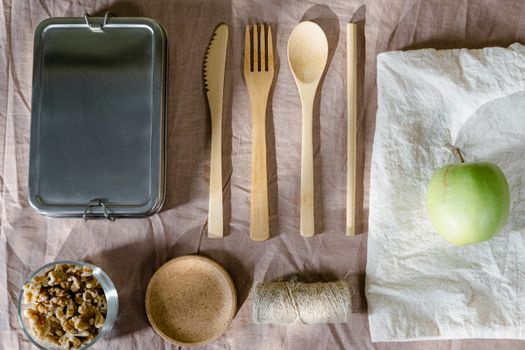
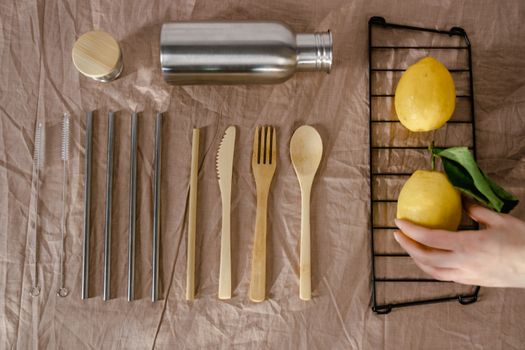
* Reusable Cutlery Set: A lightweight bamboo or stainless steel set (fork, spoon, knife, chopsticks) in a small fabric pouch is perfect. You can find these for $10-$20 online or in eco-stores.
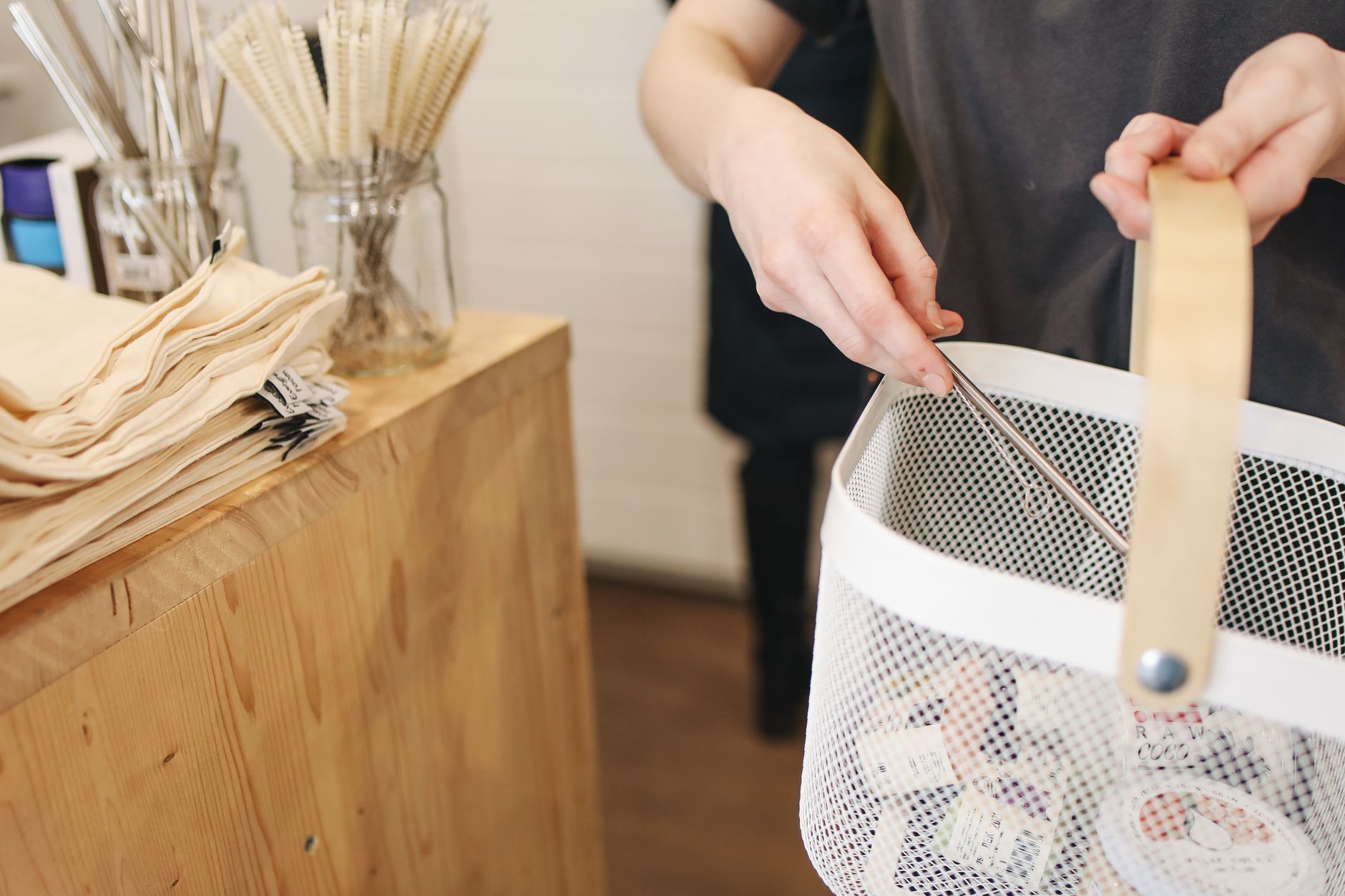
* Reusable Straw: If you’re a straw user, a stainless steel or bamboo straw with a cleaning brush is a must. Many cafes worldwide are ditching plastic straws, so having your own is convenient.
* Collapsible Container/Cup: This is a game-changer. A silicone collapsible container (like a Stojo cup or a bigger food container) is brilliant for takeaways, packing snacks, or even storing leftovers. It takes up minimal space when empty. I’ve used mine to get a coffee refill, pack fruit from a market, and even for a spontaneous picnic in a park in Paris. Prices range from $15-$30.
* How to Use It: When ordering street food or takeaway, politely ask the vendor to put your food directly into your container. Most are happy to oblige. For drinks, hand over your reusable cup.
---
3. The Toiletries Transformation: Solid Bars & Refillables
Airport security lines and liquid limits are a constant travel headache. But beyond the logistics, those tiny plastic shampoo bottles, single-use razors, and plastic toothbrushes contribute significantly to waste.
My Story:
My toiletry bag used to be a graveyard of miniature plastic bottles – shampoo, conditioner, body wash, lotion. They’d leak, they’d get confiscated, and they’d inevitably end up in a landfill. My turning point was discovering shampoo bars before a backpacking trip through South America. One bar lasted me for months, dried quickly, and never leaked. It was liberating.
Why You Need It:
* Zero Waste: Eliminates plastic packaging from your personal care routine.
* TSA-Friendly: Solid toiletries bypass liquid restrictions, making airport security a breeze.
* Space & Weight Saving: Compact and lighter than their liquid counterparts.
* Long-Lasting: Solid bars typically last much longer than liquid versions, saving you money in the long run.
Actionable Advice:
* Shampoo & Conditioner Bars: These are widely available now from brands like Lush, Ethique, or local artisan makers. Store them in a travel tin or a breathable soap bag.
* Solid Soap Bar: A classic for a reason! Choose an all-in-one bar that can be used for body, face, and even handwashing clothes.
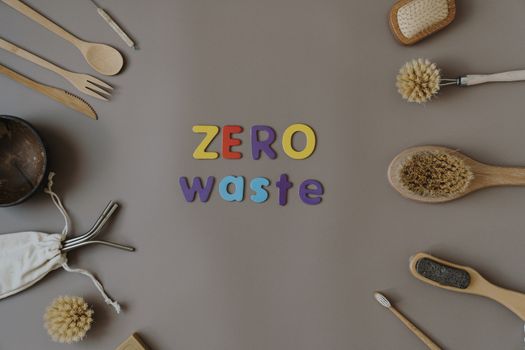
* Bamboo Toothbrush: A simple swap that makes a big difference. They’re biodegradable and widely available.
* Plastic-Free Toothpaste: Options include toothpaste tablets (chew, brush, rinse) or toothpaste in glass jars.
* Refillable Travel Bottles: For any liquids you can’t replace with solids (e.g., specific serums, contact lens solution), invest in durable, refillable silicone or stainless steel bottles. Fill them from larger containers at home.
* Plastic-Free Sunscreen: Many sunscreens contain harmful chemicals that damage coral reefs and come in plastic tubes. Look for mineral-based sunscreens in tins or cardboard tubes (e.g., from brands like Badger Balm or SunButter). This is especially crucial if you’re planning to snorkel or dive in places like the Great Barrier Reef or the Maldives.
---
4. Shopping Smarter: Reusable Bags & Produce Sacks
It’s easy to fall into the trap of accumulating plastic bags while traveling. A spontaneous souvenir purchase, a quick stop at a local market, buying some fruit – suddenly, you’re laden with plastic.
My Story:
I once bought a beautiful handcrafted wooden mask in a bustling Moroccan souk. The vendor, with a flourish, wrapped it in three layers of plastic bags. I politely declined, pulling out my trusty canvas tote. He looked surprised, then smiled. It sparked a conversation about waste and local craftsmanship. It felt good to make that small statement. Similarly, in a Vietnamese market, my mesh produce bags were a hit when buying fresh mangoes and dragon fruit.
Why You Need It:
* Environmental Impact: Drastically reduces your reliance on single-use plastic bags.
* Convenience: A sturdy reusable bag is often more comfortable to carry and less likely to break than a flimsy plastic one.
* Versatility: Useful for everything from grocery shopping to carrying laundry.
Actionable Advice:
* Foldable Tote Bag: Keep one or two lightweight, foldable tote bags (canvas, nylon, or recycled material) in your daypack or purse. They take up minimal space but can carry a surprising amount. Look for ones that scrunch into a tiny pouch. I always have a bright, eye-catching one that's also great for Instagram shots!
* Mesh Produce Bags: These are fantastic for buying fruits, vegetables, or bulk snacks at markets. They're lightweight, breathable, and allow cashiers to see what's inside. A set of 3-5 costs around $10-$15.
* How to Use It: Always carry one with you. Before you even reach for an item, have your bag ready. Politely decline plastic bags with a "No, thank you, I have my own." (or the local equivalent).
---
5. Connectivity & Convenience: Durable Power Bank & Reusable Wipes
In our digital age, staying connected and clean on the go is vital. But even these necessities can create plastic waste – from countless battery packs to individually wrapped wet wipes.
My Story:
There was a moment on a multi-day bus journey through Patagonia when my phone died, and my small, cheap power bank gave up the ghost. I was stuck without navigation or communication. That’s when I invested in a truly robust, long-lasting power bank. Similarly, I used to rely on plastic-wrapped wet wipes for everything from cleaning my hands to wiping down surfaces. The guilt of tossing them after a single use was real. Now, a few reusable cloths and a small bottle of hand sanitizer do the trick.
Why You Need It:
* Sustainable Power: Reduce the need for disposable batteries and ensure your devices last longer.
* Eco-Friendly Cleaning: Ditch single-use wet wipes, which are often made of plastic fibers and don't biodegrade.
* Preparedness: Be ready for anything, from a dead phone to a spilled coffee.
Actionable Advice:
* High-Capacity Power Bank: Invest in a durable, high-capacity power bank (e.g., from Anker or Goal Zero) that can charge your phone multiple times. Look for one with multiple ports and fast-charging capabilities. While the device itself might contain plastic, its longevity and ability to power multiple devices reduces the overall energy footprint and the need for frequent replacements.
* Reusable Microfiber Cloths/Wipes: Pack a few small, quick-drying microfiber cloths. They're incredibly versatile: for wiping hands, cleaning spills, refreshing your face, or even acting as a makeshift towel. Wash them with your laundry bar and reuse them endlessly.
* How to Use It: Keep your power bank charged and accessible. Use your reusable cloths with a bit of water or hand sanitizer for quick clean-ups instead of reaching for a plastic wipe.
---
6. Mindful Packing: The Capsule Wardrobe & Laundry Bar
Travel often leads to overpacking, which can result in buying unnecessary clothes on the road, or simply carrying too much. A thoughtful, plastic-free approach extends to your wardrobe and how you care for it.
My Story:
My early trips were characterized by a bulging suitcase and the frustration of never having "the right thing." I'd often buy cheap, fast-fashion items to fill gaps, only to discard them later. A few years ago, before a long trip through Southeast Asia and Australia, I committed to a capsule wardrobe and a laundry bar. I hand-washed my clothes in hostel sinks in Hoi An, Vietnam, and in campground facilities in New Zealand. It was surprisingly easy, and the freedom of a light backpack was exhilarating.
Why You Need It:
* Reduced Consumption: Avoid buying new, often plastic-heavy, clothing items while traveling.
* Lighter Load: A capsule wardrobe means less weight, easier movement, and often, no checked baggage fees.
* Sustainable Garment Care: Ditch plastic detergent bottles and microplastic-shedding synthetic fabrics.
Actionable Advice:
* Capsule Wardrobe: Choose versatile, durable, and quick-drying clothing items made from natural fibers (like merino wool, linen, organic cotton) or recycled materials. Stick to a coherent color palette so everything mixes and matches. Aim for items that can be dressed up or down. For example, a pair of dark travel pants can be worn hiking, exploring a city, or with a nicer top for dinner.
* Solid Laundry Detergent Bar: Pack a small, solid laundry bar. It’s perfect for handwashing essentials in a sink or shower. Brands like Ethique or Dr. Bronner's offer great options. It’s compact, leak-proof, and lasts a long time.
* How to Use It: Plan your outfits carefully, focusing on layers and versatility. Handwash small items daily or every few days using your laundry bar, hanging them to dry overnight. This keeps your packing light and your clothes fresh.
---
7. Documenting Memories: Digital & Eco-Friendly Souvenirs
From boarding passes to guidebooks, and from cheap plastic trinkets to printed photos, our quest to document and remember our travels can generate a surprising amount of waste.
My Story:
I used to print out every flight confirmation, hostel booking, and city guide. My backpack would accumulate a growing pile of paper. And the souvenirs? Little plastic keychains, mass-produced magnets… they rarely held any real meaning. Now, everything is on my phone or cloud, and my souvenirs are either experiences, photos, or genuinely handcrafted items from local artisans. In Peru, I bought a beautiful hand-woven alpaca scarf directly from the woman who made it – it’s a treasured memory, not just a trinket.
Why You Need It:
* Paperless Travel: Reduce paper waste from tickets, maps, and guides.
* Meaningful Souvenirs: Support local economies and avoid contributing to the demand for cheap, often plastic, mass-produced items.
* Clutter-Free: Digital organization and thoughtful souvenirs mean less physical clutter.
Actionable Advice:
* Digital Everything: Store all your tickets, booking confirmations, maps, and guidebooks on your phone or in cloud storage. Apps like TripIt or Google Maps are invaluable. Take screenshots as a backup for when Wi-Fi is scarce.
* Eco-Friendly Souvenirs: Seek out souvenirs that are locally made, ethically sourced, and plastic-free. Think textiles, pottery, wood carvings, local food items in reusable packaging, or even an experience like a cooking class. These items tell a story and have a much deeper connection to your trip.
* Photography: Embrace digital photography! While cameras and phones have their own environmental footprint, they eliminate the need for disposable cameras and printed photos.
* How to Use It: Before you print, ask yourself if it's truly necessary. When buying souvenirs, look for artisan markets or local cooperatives. Engage with the makers; their stories are the best souvenirs.
---
The Journey Continues: Your Impact, Your Legacy
Adopting plastic-free travel essentials isn't just about saving turtles or reducing landfill; it’s about enriching your own life. It forces you to be more mindful, more prepared, and more connected to the world around you. It transforms you from a passive observer into an active participant in preserving the very beauty you’ve traveled so far to see.
Each time you refill your bottle, use your spork, or decline a plastic bag, you’re not just making a small personal choice; you’re casting a vote for a healthier planet. You're inspiring others, sparking conversations, and demonstrating that a different, better way of traveling is possible.
So, don't just dream of pristine beaches and untouched wilderness. Take action. Start with one item from this list, then add another. Experience the profound satisfaction of leaving only footprints and taking only memories. These plastic-free travel essentials aren't just things; they're your passport to a more conscious, more incredible journey. They are experiences in themselves, shaping how you interact with the world and ensuring there's a world left to experience for generations to come.
What are you waiting for? Pack your eco-essentials and embark on the adventure of a lifetime. Share your plastic-free travel hacks and stories with us on social media using #TripsoraEcoTravel and inspire others to join the movement! Let's make every journey a testament to our love for this incredible planet.