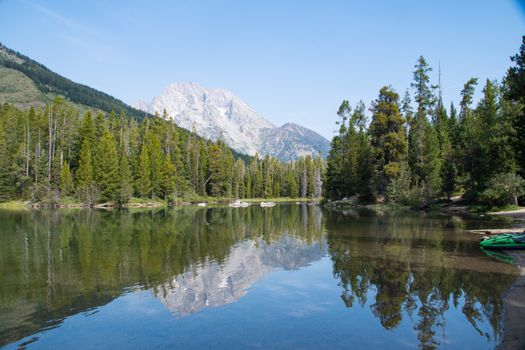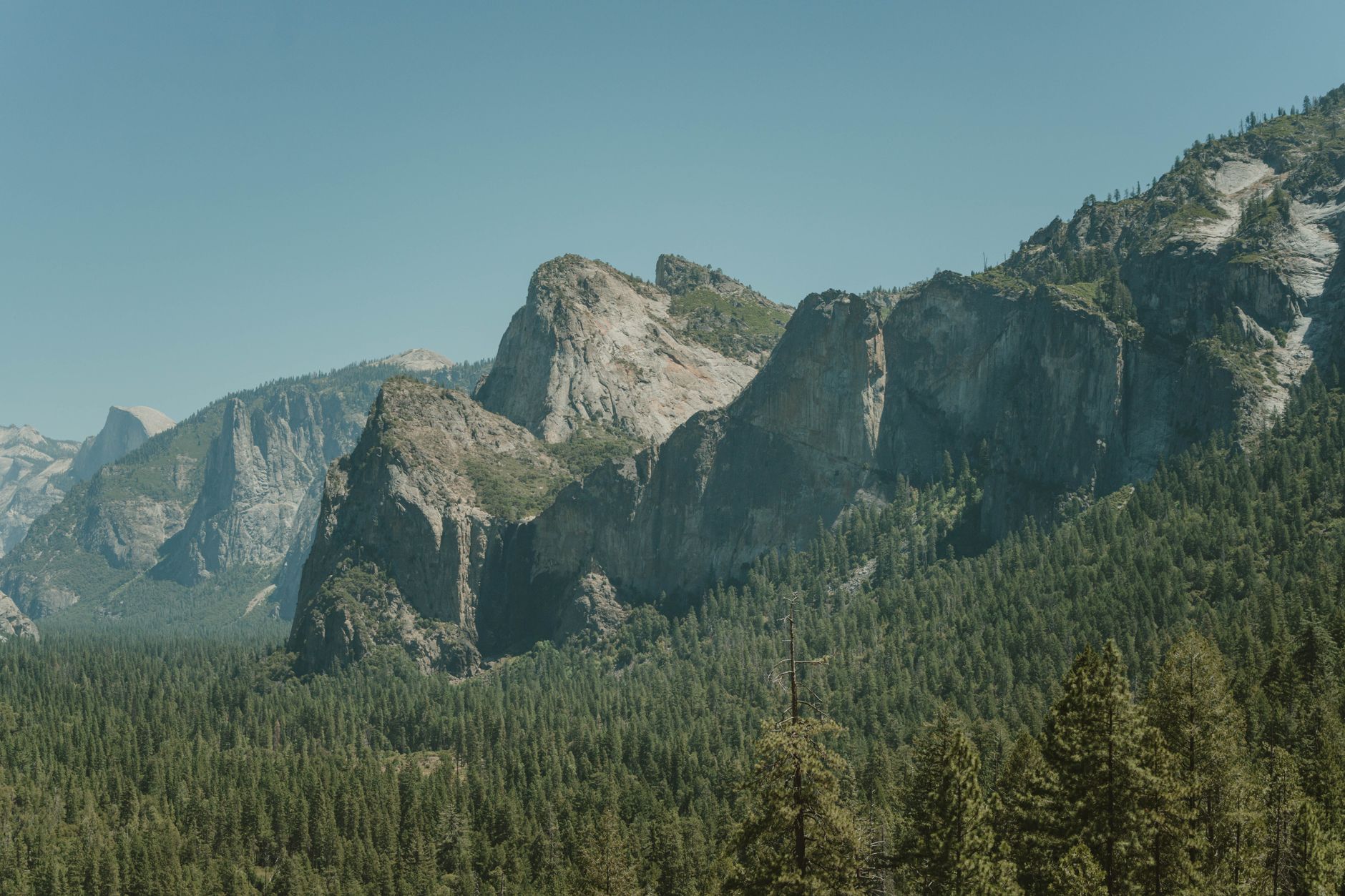
Famous national parks attract large numbers of visitors, which can make popular viewpoints and trails crowded during peak months. Many countries also have lesser-known parks with striking geology, wildlife and scenery that receive fewer visitors. Whether a park is more beautiful than a famous one is a matter of personal taste, but alternatives can offer quieter trails and a different experience. This guide explains how to find and evaluate such parks and what to check before you go.
Why look beyond the most famous parks
Iconic parks often have strong infrastructure, including visitor centers, shuttle systems and lodges, which make them accessible. The downside is congestion, reservation requirements and high demand for accommodation. Exploring a less familiar park can offer more space and a sense of discovery, especially if your interests lie in hiking, photography or quiet wildlife watching.
Lesser-known parks may have fewer facilities, so preparation becomes more important. Check road conditions, fuel availability, cell coverage and the nearest services before you travel.
Comparing landscapes and features
Start by thinking about what draws you to a park. Some visitors want dramatic canyons or desert formations, while others prefer forests, lakes, volcanoes or coastal cliffs. Read park descriptions from official sources and recent visitor accounts to understand the terrain, trail difficulty and typical wildlife. Compare maps to see how trails connect and whether they suit your fitness level.
Consider the variety of experiences available. A park with a few short trails may suit a day visit, while one with multi-day routes could be better for backpackers.
Access, seasons and permits
Access can be the deciding factor. Some parks are reached by a single paved road, others require gravel roads or boat transfers. Seasonal closures, snow, heat and flooding can change what is open at a given time. Check the park authority's website for current road status, trail closures and advisories before setting out.
Permits and reservations are increasingly common, particularly for campsites, backcountry routes and certain entry points. Rules and booking windows change, so verify them well in advance.
Wildlife, safety and responsible visiting
Wildlife is a major part of the appeal in many parks, and it can also present risks. Keep a safe distance from animals, store food properly and follow posted guidance. Carry water, layers and navigation tools, and let someone know your plans if you go into remote areas. Weather can change quickly in high or exposed terrain.
Leave no trace. Pack out all waste, stay on designated trails and respect closures that protect sensitive habitats.
Planning a trip to a lesser-known park
Build your itinerary around the park's strengths. Allow extra travel time, since distances between trailheads and towns can be longer than they appear on maps. Choose accommodation inside or near the park if possible, and book early because options may be limited. Consider combining the park with nearby towns or other natural areas for variety.
Check whether a park pass or entry fee is required, and whether it covers multiple sites in the same system.
Practical tips
Download offline maps and save key phone numbers, since signal may be weak. Carry a physical map as a backup. Bring extra water and fuel if you are driving long distances, and check tire and vehicle conditions before leaving. Start hikes early to avoid heat and afternoon storms.
Visit the park's official website or visitor center for seasonal updates. Ranger talks and guided walks, where offered, can add context and help you find the best viewpoints.
Common mistakes to avoid
A common mistake is underestimating driving times. Distances on a map can look short, but winding roads, gravel surfaces and speed limits in parks can double the journey. Plan fewer stops per day and leave margin for delays. Another error is arriving without checking whether a visitor center, ranger station or fuel stop is open. Facilities in smaller parks may have reduced hours, and some have no services at all.
Visitors also sometimes ignore weather warnings because a clear morning looks promising. Conditions in mountains and deserts can change within hours, bringing storms, flash floods or heat that is dangerous for unprepared hikers. Avoid heading into remote terrain without water, extra layers and a plan to turn back. Finally, do not assume that a lesser-known park will have cell coverage. Download maps and emergency contact information before you leave the last town with service.
Frequently asked questions
Are lesser-known parks suitable for first-time visitors?
Many are, particularly those with well-marked trails and clear visitor information. Choose shorter routes at first, and ask rangers or staff about current conditions before setting out.
Do I need a reservation to enter?
Requirements differ by park and season. Some use timed entry or require campsite bookings, while others have no reservation system. Check the official park website for the exact date you plan to visit.
Can I visit several parks on one trip?
Yes, although travel times can be longer than expected. Choose a cluster of nearby parks, check whether one pass covers them all, and build in rest days for long drives.
Lesser-known national parks can offer quieter trails, dramatic scenery and a sense of exploration that busier destinations sometimes lack. Compare landscapes, check access and seasonal conditions, and plan for limited facilities. With careful preparation, a less famous park can become one of the most memorable stops on a nature trip.