The Allure of the Unseen: Beyond Yellowstone's Shadow
I stepped off the rattling train, the air thick with the scent of pine needles and damp earth. Mist clung to the ancient redwoods, muffling the distant chirping of unseen birds. It wasn’t the geysers and bison of Yellowstone that had drawn me here, but a whisper of something wilder, older, and profoundly different. I was on the hunt for the parks that possess a raw, untamed beauty that could, dare I say it, eclipse the iconic allure of America's first national park. Yellowstone is magnificent, no doubt. But for the discerning traveler seeking that wow factor, that feeling of stepping into a world untouched, there are other contenders, often overlooked, waiting to steal your breath.
This isn't about diminishing Yellowstone's magic. It's about expanding your horizons. It's about discovering those places that offer a unique symphony of natural wonders, a different kind of awe that resonates just as deeply, if not more so, for those willing to venture off the beaten path. So, buckle up. We're about to embark on a journey to national parks that are, right now, delivering experiences that are arguably more stunning than Yellowstone itself.
1. Zion National Park, Utah: Where Canyon Walls Whisper Ancient Secrets
Utah’s Zion National Park. The name itself conjures images of soaring sandstone cliffs, carved by the Virgin River over millennia. But to truly grasp Zion, you have to feel it. I remember my first hike up to Angels Landing. The sheer scale of the canyon walls, painted in hues of vermillion, cream, and rust, was overwhelming. The wind whipped around me, carrying the scent of juniper and sage. The narrow path, at times a mere ledge, demanded your full attention, and the reward? A panoramic vista that felt like standing on the edge of the world.
The Narrows: A Subterranean Symphony
Forget your typical hiking boots; in The Narrows, your primary mode of transport is wading through the Virgin River. This legendary slot canyon is a masterclass in erosion, with walls that stretch hundreds of feet skyward, so close in places you can touch both sides. Sunlight filters down in ethereal beams, illuminating the sculpted rock faces. The constant murmur of the water, the cool spray on your skin, the sheer, unadulterated grandeur – it's an immersive experience that’s unlike anything else.
Pro-Tip:
Rent a dry bag and waterproof shoes from a local outfitter in Springdale. You’ll thank me later. The best time to go is early morning, before the sun fully penetrates the canyon, creating a mystical, almost sacred atmosphere.
Emerald Pools Trail: A Verdant Oasis
For a less strenuous but equally rewarding hike, the Emerald Pools trail offers a delightful contrast to the towering cliffs. Lush vegetation thrives around these cascading pools, a vibrant green against the red rock. It feels like discovering a hidden sanctuary, a secret garden carved into the desert.
Quick Facts: Zion National Park
- Estimated Cost ($): $35 per vehicle entrance fee (valid for 7 days). Budget an additional $50-$150 per day for lodging, food, and activities.
- Best Time to Visit: Spring (April-May) and Fall (September-October) offer pleasant temperatures and fewer crowds.
- How to Get There: Fly into Las Vegas (LAS) and rent a car (approx. 3-hour drive). The park is accessible via shuttle bus during peak season.
2. Olympic National Park, Washington: A Realm of Diverse Majesty
Olympic National Park is a trifecta of ecosystems, a place where temperate rainforests meet rugged coastlines and glaciated mountains. I remember the first time I stood in the Hoh Rainforest, the air so thick with moisture it felt like breathing liquid. Moss draped every branch, creating an emerald canopy that dripped with life. The silence was profound, broken only by the distant call of a Roosevelt elk. It’s a place that feels ancient, primal, and utterly enchanting.
The Hoh Rainforest: A Living Cathedral
Walking through the Hoh is like entering a fairy tale. Giant Sitka spruce and Western hemlock trees, some hundreds of years old, tower overhead. Ferns carpet the forest floor, and moss hangs like ethereal curtains from every surface. It’s a sensory overload of green, a testament to the power of water and time.
Pro-Tip:
Take the Hall of Mosses trail for the most iconic views. Wear waterproof gear; even on a "dry" day, the rainforest is perpetually damp. Listen for the distinct bugle of the Roosevelt elk – a truly wild sound.
Rialto Beach: Where the Pacific Roars
The rugged Olympic coastline is a dramatic counterpoint to the rainforest. Rialto Beach, with its sea stacks, driftwood-strewn shores, and powerful Pacific waves, is a place of raw, untamed beauty. The air is salty, the roar of the ocean is constant, and the sense of isolation is palpable.
Pro-Tip:
Visit during low tide to explore the tide pools teeming with marine life. The Hole-in-the-Wall formation is a must-see, but be mindful of the incoming tide. Sunrise here is an unforgettable spectacle.
Quick Facts: Olympic National Park
- Estimated Cost ($): $30 per vehicle entrance fee (valid for 7 days). Budget an additional $60-$180 per day for lodging, food, and activities.
- Best Time to Visit: Summer (July-August) for the best weather in the mountains and on the coast. Spring and Fall offer a more moody, dramatic experience in the rainforest.
- How to Get There: Fly into Seattle-Tacoma International Airport (SEA) and rent a car (approx. 2.5-3 hour drive to Port Angeles).
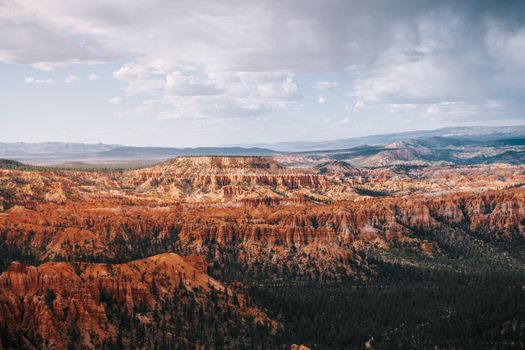
3. Arches National Park, Utah: A Geological Masterpiece in Red
Arches National Park. The name tells you everything and nothing. Yes, there are arches – over 2,000 of them, more than anywhere else in the world. But it's the sheer audacity of these sandstone sculptures, sculpted by wind and water into impossible shapes, that truly captivates. I remember standing beneath Delicate Arch at sunset, the sky ablaze with color, the iconic arch silhouetted against the fiery canvas. It’s a moment that imprints itself on your soul.
Delicate Arch: The Icon of Utah
No trip to Arches is complete without a pilgrimage to Delicate Arch. The hike itself is moderately challenging, but the payoff is immense. Standing beneath this freestanding marvel, you feel a profound connection to the raw power of nature.
Pro-Tip:
Hike to Delicate Arch for sunrise or sunset. The light is magical, and the crowds are thinner than during midday. Bring plenty of water – the desert sun is relentless.
The Windows Section: A Playground of Stone
The Windows Section offers a concentration of impressive arches, including North and South Window, and Turret Arch. These are easily accessible and offer incredible photo opportunities. The sheer scale and variety of formations here are staggering.
Pro-Tip:
Explore the Primitive Trail for a more adventurous loop that connects several key formations. The Landscape Arch, the longest natural arch in North America, is also a must-see, though it's a more fragile structure.
Quick Facts: Arches National Park
- Estimated Cost ($): $30 per vehicle entrance fee (valid for 7 days). Budget an additional $40-$120 per day for lodging, food, and activities.
- Best Time to Visit: Spring (April-May) and Fall (September-October) for mild temperatures. Summer can be extremely hot.
- How to Get There: Fly into Grand Junction, Colorado (GJT) and rent a car (approx. 1.5-hour drive), or fly into Salt Lake City (SLC) and drive (approx. 3.5-hour drive).
4. Glacier National Park, Montana: Crown of the Continent's Wild Heart
Glacier National Park is often called the "Crown of the Continent," and for good reason. Its jagged peaks, turquoise lakes, and abundant wildlife create a landscape of unparalleled grandeur. I remember my first drive on the Going-to-the-Sun Road, the sheer drop-offs and panoramic vistas leaving me breathless. The air was crisp and clean, carrying the scent of pine and wildflowers. This is a place that feels truly wild, a sanctuary for both nature and the soul.
Going-to-the-Sun Road: A Scenic Masterpiece
This engineering marvel is more than just a road; it's a journey through the heart of Glacier. Winding its way through the park, it offers jaw-dropping views of glaciers, waterfalls, and alpine meadows.
Pro-Tip:
Reservations are required to drive the Going-to-the-Sun Road during peak season. Check the NPS website for details. Pull over at every viewpoint; the scenery changes dramatically with every mile. Be on the lookout for mountain goats and bighorn sheep.
Lake McDonald: A Jewel of the Rockies
The largest lake in Glacier, Lake McDonald, is a spectacle of color. Its clear, pristine waters reflect the surrounding mountains, and its famously colorful pebbles are a unique geological wonder.
Pro-Tip:
Rent a kayak or canoe for a serene experience on the water. The historic Lake McDonald Lodge offers a glimpse into the park's past. Sunrise over the lake is a photographers' dream.
Quick Facts: Glacier National Park
- Estimated Cost ($): $35 per vehicle entrance fee (valid for 7 days). Budget an additional $70-$200 per day for lodging, food, and activities.
- Best Time to Visit: July and August for full access to the Going-to-the-Sun Road and hiking trails. Shoulder seasons (June, September) can offer fewer crowds but limited access.
- How to Get There: Fly into Glacier Park International Airport (FCA) near Kalispell, Montana (approx. 45-minute drive).
5. Redwood National and State Parks, California: Giants of the Ancient World
Stepping into Redwood National and State Parks is like entering a cathedral built by nature. The sheer scale of the coast redwoods, the tallest trees on Earth, is humbling. The air is cool and damp, carrying the earthy scent of decaying leaves and ancient wood. Sunlight filters through the dense canopy in dappled shafts, illuminating a world of emerald green and deep, resonant silence. It’s a profound experience of timelessness.
Tall Trees Grove: Standing Among Titans
The journey to the Tall Trees Grove is an adventure in itself, often requiring a permit and a hike. But standing beneath these ancient giants, some over 350 feet tall and thousands of years old, is an experience that redefines your sense of scale.
Pro-Tip:
Obtain a backcountry permit for the Tall Trees Grove in advance. The Lady Bird Johnson Grove trail is a more accessible option for a taste of the old-growth forest.
Newton B. Drury Parkway: A Scenic Drive Through Majesty
This scenic drive offers an immersive experience of the redwood forest. Pull over often, step out of your car, and simply breathe in the ancient air. The drive is lined with towering trees, creating a natural tunnel of green.
Pro-Tip:
Stop at the Big Tree Wayside to marvel at one of the largest redwoods in the park. Keep an eye out for Roosevelt elk grazing in the meadows adjacent to the forest.
Quick Facts: Redwood National and State Parks
- Estimated Cost ($): Free entrance to National Park units. State Parks have separate entrance fees ($10-$12 per vehicle). Budget an additional $50-$150 per day for lodging, food, and activities.
- Best Time to Visit: Spring (April-May) and Fall (September-October) for mild weather and fewer crowds. Summer can be foggy.
- How to Get There: Fly into Arcata-Eureka Airport (ACV) or Crescent City Airport (CEC) and rent a car. Alternatively, fly into San Francisco (SFO) and drive north (approx. 4.5-5 hours).
The Verdict: Your Next Epic Adventure Awaits
Yellowstone is a legend, a benchmark in the world of national parks. But the beauty of our planet is its infinite variety. These parks, each in their own unique way, offer experiences that are just as, if not more, profound, awe-inspiring, and unforgettable. They offer a chance to connect with nature on a deeper level, to be humbled by its power, and to find a sense of wonder that transcends the ordinary. So, the next time you dream of vast landscapes and wild beauty, consider venturing beyond the familiar. Your next truly stunning adventure is waiting.