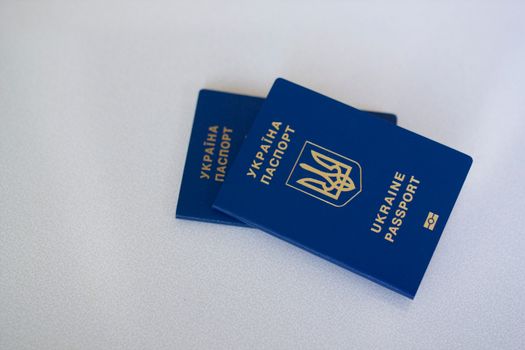
International entry rules are shaped by treaties, bilateral agreements and regional alliances. In some parts of the world, countries have agreed to ease travel between members, allowing citizens or residents of certain nations to move across shared borders with fewer checks or without a visa. Other arrangements create common visa systems or standard procedures for applicants. For travelers, these agreements can change what documents are needed, how long you may stay and where you must declare your arrival. This guide explains the main types of regional arrangement, how they affect entry rules and how to verify the requirements for your trip.
Types of regional arrangement
Regional arrangements take several forms. Free-movement zones allow travelers to cross internal borders without routine passport control, although external border checks remain. Visa-exemption agreements let citizens of member countries visit without a visa for a set period. Some blocs establish common visa policies, so that a visa issued by one member may permit travel within the wider group under certain conditions. Others coordinate border procedures, such as shared electronic registration systems or joint processing arrangements.
Membership and scope differ widely. Some agreements cover all members equally, while others include exceptions for particular nationalities or certain types of travel. Read each country's rules carefully rather than assuming that membership of a bloc means the same entry conditions everywhere within it.
How these agreements affect travelers
For many travelers, the most visible effect is the removal of routine border checks between neighbouring countries. A journey that once required multiple visas and passport stamps may become a simple trip by train or road. However, the wider system still applies. Travelers may be asked to show identification at the external border, and random checks can occur within zones. Stay limits may apply across the whole area rather than to each country individually, so keeping track of days spent in the zone is important.
Visa-exemption agreements can also change over time. A country may add or remove visa requirements for particular nationalities, or introduce electronic travel authorisations for visitors who were previously exempt. These changes are often announced in advance, but they are not always widely reported.
Checking the rules that apply to you
Start with the official government website for each country you plan to enter. Look for entry requirements, visa policies, stay limits and any pre-arrival registration. Where a regional bloc has a common policy, its official website may also publish information, though national authorities remain the final source. Check whether your passport must have a minimum validity period and whether it must have blank pages for stamps.
Consider your nationality and residence. Two travelers visiting the same countries may face different rules depending on where they hold citizenship or residence permits. Consular websites in your home country can help with specific questions.
Planning multi-country routes
When planning a route across several countries in a region, map out the entry and exit points and the days you will spend in each place. Keep a record of arrival and departure dates, since stay limits may be calculated across a whole zone. Be aware that leaving one country and returning shortly afterwards may not reset the time allowed in certain arrangements, depending on the rules.
Check that your travel insurance and onward tickets are appropriate for the route. Some border officers may ask to see proof of onward travel, and this can be important when crossing several countries in a short period.
Staying informed as rules change
Entry rules can change quickly in response to policy decisions, security concerns, public health or diplomatic relations. Sign up for official updates where available, and check requirements again shortly before departure. Reputable travel news outlets and consular advisories can help you notice significant changes, but always confirm the details with the relevant government.
Be cautious about outdated guides and forum posts, which may describe rules that no longer apply. A requirement that was correct a few years ago may have been replaced.
Practical tips
- Identify which regional arrangements apply to each country on your route, and check their current terms.
- Confirm entry requirements, visa policy and stay limits with each country's official source.
- Keep a record of entry and exit dates, particularly where stay limits are shared across a zone.
- Check passport validity and blank-page requirements well before travel.
- Carry proof of onward travel and accommodation, and keep copies of key documents.
- Recheck requirements close to departure, since alliances and visa policies can change.
Regional travel alliances can make multi-country journeys much simpler, but they add layers of rules that travelers need to understand. The safest approach is to treat each country's official information as the definitive source, to track your stay carefully and to plan for the possibility that requirements will change. A little preparation can prevent unexpected problems at the border.