The Whisper of Wildness: A New Dawn for National Parks
I stepped off the rickety bus, the scent of damp earth and pine needles thick in the air. The usual tourist chatter was absent, replaced by the rustle of unseen creatures and the distant murmur of a river. A lone hawk circled lazily overhead, its shadow a fleeting visitor on the sun-drenched scrub. This wasn't the familiar, well-trodden path of America's most famous parks. This was something… nascent. Something that felt like a secret whispered just for me, and now, for you.
For years, Yellowstone has held the crown, a majestic behemoth drawing millions. But the world is vast, and the wilderness, ever generous, is constantly revealing new wonders. This year, a wave of lesser-known, yet equally, if not more, spectacular national parks are poised to capture the hearts of discerning travelers. These are places where the wild still feels truly wild, where the silence speaks volumes, and where your sense of discovery will be ignited like never before. Forget the queues and the packed viewpoints; these are the destinations that will redefine your understanding of natural grandeur.
1. The Emerald Embrace: Redwood National and State Parks (California)
Forget towering trees; imagine cathedrals of ancient giants. Stepping into Redwood National and State Parks is like entering a forgotten realm where time itself seems to slow. I remember my first encounter: the sheer scale of the coast redwoods, their bark a rich, fissured tapestry, dwarfing everything around them. The air here is different – cool, moist, carrying the earthy perfume of decay and rebirth. Sunlight filters through the dense canopy in ethereal shafts, illuminating ferns so vibrant they practically glow. It’s a humbling, almost spiritual experience.
This isn't just about size; it's about an ecosystem. Think Roosevelt elk grazing in misty meadows, their antlers silhouetted against the emerald backdrop. Think of the rugged coastline where the ancient forest meets the crashing Pacific, a dramatic juxtaposition of stillness and raw power. The trails here are often shrouded in mist, creating an atmosphere of profound solitude. It's a place that invites introspection, a gentle reminder of nature's enduring strength and quiet beauty.
Pro-Tips:
* Hike the Tall Trees Grove trail early in the morning for a chance to see the mist clinging to the giants.
* Drive the Newton B. Drury Parkway for accessible, stunning views without a strenuous hike.
* Keep an eye out for Roosevelt elk in the meadows near Elk Meadow or Prairie Creek. They are most active at dawn and dusk.
* Pack layers! The coastal fog can roll in unexpectedly, even on a sunny day.
Quick Facts:
* Estimated Costs: $30 per vehicle entrance fee (valid for 7 days across all parks). Budget an additional $100-$200 per day for accommodation and food.
* Best Time to Visit: May to September for drier weather, but spring (April-May) offers lush greenery and fewer crowds.
* How to Get There: Fly into Eureka/Arcata Airport (ACV) or drive from San Francisco (approx. 5-6 hours).
2. The Painted Canvas: Badlands National Park (South Dakota)
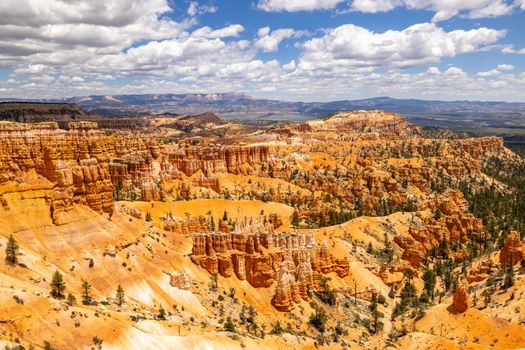
If Yellowstone boasts geothermal wonders, the Badlands offer a geological masterpiece sculpted by wind and water. I arrived at sunset, and the landscape unfurled before me like a dream. The eroded buttes and pinnacles, painted in hues of ochre, rose, and deep purple, seemed to glow from within. It’s a stark, alien beauty, unlike anything I'd ever witnessed. The silence here is profound, broken only by the whisper of the wind and the occasional cry of a prairie dog.
This isn't a park of lush forests, but of raw, exposed earth. The formations are constantly changing, a testament to the relentless power of erosion. It’s a paleontologist’s paradise, littered with fossils that tell the story of ancient life. The wildlife is hardy and adapted to this rugged environment – bison roam freely, pronghorn dart across the plains, and prairie dogs pop their heads out of their burrows, creating a charming, if somewhat comical, tableau. The night sky here is an absolute revelation, free from light pollution, offering a celestial spectacle that will leave you breathless.
Pro-Tips:
* Drive the Badlands Loop Road (Highway 240) for iconic overlooks like Pinnacles Overlook and Yellow Mounds Overlook.
* Hike the Notch Trail for a challenging but rewarding climb to a stunning panoramic view.
* Visit the Ben Reifel Visitor Center for exhibits on the park's geology and fossil discoveries.
* Stay for sunset and sunrise. The colors on the formations are absolutely magical.
* Bring plenty of water! The Badlands are arid, and shade is scarce.
Quick Facts:
* Estimated Costs: $30 per vehicle entrance fee (valid for 7 days). Budget $100-$150 per day for accommodation and food.
* Best Time to Visit: May to September for warm weather, but spring (April-May) and fall (September-October) offer milder temperatures and fewer crowds.
* How to Get There: Fly into Rapid City Regional Airport (RAP) and rent a car (approx. 1-hour drive).
3. The Volcanic Heartbeat: Lassen Volcanic National Park (California)
Imagine a landscape still actively being shaped by the earth's fiery core. Lassen Volcanic National Park is a geothermal wonderland that often gets overshadowed by its more famous Californian counterparts, but it offers an experience that is arguably more raw and intimate. I remember the distinct smell of sulfur in the air, a constant reminder of the powerful forces at play beneath my feet. Bubbling mud pots, steaming fumaroles, and vibrant, mineral-stained pools create a surreal, almost primordial environment.
This park is a living geology lesson. You can witness the power of volcanic activity firsthand, from the dramatic Lassen Peak to the serene alpine lakes. Hike through meadows carpeted with wildflowers, past ancient lava flows, and around crystal-clear streams. It’s a place of stark contrasts, where the raw energy of the earth meets the tranquility of the mountains. The trails here offer a sense of adventure, leading you through diverse landscapes that showcase the park's volcanic origins and its resilient flora and fauna.
Pro-Tips:
* Hike to Bumpass Hell (when open) to witness the park's most active hydrothermal area.
* Explore the trails around Manzanita Lake for stunning reflections of Lassen Peak.
* Visit in late summer or early fall to avoid the snow that can linger well into July.
* Check the park's website for road closures as the main park highway is often closed due to snow until late spring/early summer.
Quick Facts:
* Estimated Costs: $30 per vehicle entrance fee (valid for 7 days). Budget $100-$180 per day for accommodation and food.
* Best Time to Visit: July to October for full access to roads and trails.
* How to Get There: Fly into Redding Municipal Airport (RDD) or Sacramento International Airport (SMF) and rent a car (approx. 1.5-hour and 3-hour drives, respectively).
4. The Azure Majesty: Glacier National Park (Montana)
While Yellowstone offers geysers and bison, Glacier National Park presents a breathtaking panorama of jagged peaks, turquoise lakes, and ancient glaciers. I recall my first drive on the Going-to-the-Sun Road, each hairpin turn revealing a vista more stunning than the last. The air is crisp and clean, carrying the scent of pine and wildflowers. The sheer scale of the mountains, carved by millennia of glacial activity, is awe-inspiring.
This is a hiker's paradise, with trails ranging from gentle lakeside strolls to challenging alpine ascents. The park is renowned for its vibrant wildflowers, its abundant wildlife (including grizzly bears and mountain goats), and its crystal-clear, impossibly blue lakes. The glaciers themselves are a poignant reminder of our changing planet, their receding faces a stark visual. The pristine wilderness here offers a profound sense of escape, a chance to reconnect with nature in its most majestic form.
Pro-Tips:
* Drive the Going-to-the-Sun Road as early as possible to avoid crowds and find parking. Be aware of vehicle restrictions.
* Take a boat tour on Lake McDonald or St. Mary Lake for iconic views and a different perspective.
* Hike to Avalanche Lake for a relatively easy trail leading to a stunning, waterfall-fed lake.
* Book accommodation and rental cars well in advance. This park is incredibly popular.
* Carry bear spray and know how to use it. This is grizzly country.
Quick Facts:
* Estimated Costs: $35 per vehicle entrance fee (valid for 7 days). Budget $150-$250 per day for accommodation and food.
* Best Time to Visit: July to September for full access to the Going-to-the-Sun Road. Wildflowers are abundant in July.
* How to Get There: Fly into Glacier Park International Airport (FCA) in Kalispell, Montana (approx. 45-minute drive).
5. The Desert Symphony: Big Bend National Park (Texas)
Forget the stereotypical desert landscape; Big Bend National Park is a vast, rugged expanse of mountains, desert, and river that offers an unparalleled sense of solitude and raw beauty. I remember the profound silence as I stood overlooking the Rio Grande, the vast Chihuahuan Desert stretching out before me, painted in shades of dusty rose and ochre. The air is dry and warm, carrying the subtle scent of creosote bush after a rare rain.
This is a park for the explorer. Its sheer size and remoteness mean you can often find yourself utterly alone, surrounded by dramatic canyons, towering peaks, and an astonishing diversity of desert flora and fauna. Hike through the majestic Santa Elena Canyon, marvel at the star-filled skies at night, or explore the historic Chisos Mountains. The park's unique location on the U.S.-Mexico border adds a layer of cultural richness and a sense of frontier spirit. It’s a place that demands respect and rewards with an unforgettable experience.
Pro-Tips:
* Hike the Santa Elena Canyon Trail for an iconic Big Bend experience.
* Drive the Ross Maxwell Scenic Drive for incredible desert vistas and access to the Chisos Mountains.
* Visit the Chisos Mountains Lodge for stunning views and a respite from the desert heat.
* Pack plenty of water and sun protection. The desert sun is intense.
* Consider visiting in the spring or fall for more moderate temperatures.
Quick Facts:
* Estimated Costs: $30 per vehicle entrance fee (valid for 7 days). Budget $120-$200 per day for accommodation and food.
* Best Time to Visit: October to April for pleasant temperatures. Summer (June-August) is extremely hot.
* How to Get There: Fly into Midland International Air & Space Port (MAF) or El Paso International Airport (ELP) and rent a car (approx. 3-4 hour and 4-5 hour drives, respectively).
---
The Call of the Wild: Your Next Adventure Awaits
Yellowstone is magnificent, no doubt. But the world of national parks is far richer and more diverse than one single icon can represent. This year, venture beyond the familiar. Seek out these emerging gems, these wild spaces that offer not just breathtaking scenery, but a deeper connection to the earth and a true sense of discovery. Pack your bags, embrace the unknown, and let the whisper of wildness guide you. Your next unforgettable adventure is waiting.
---