The Hook: The Morning the Fairytale Returned
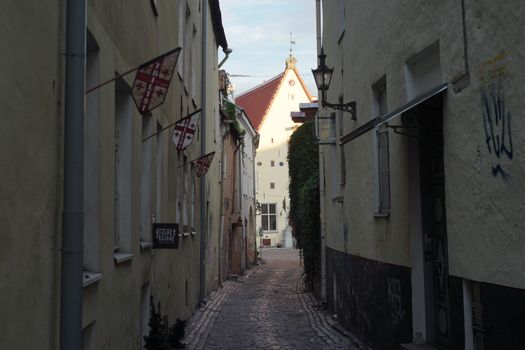
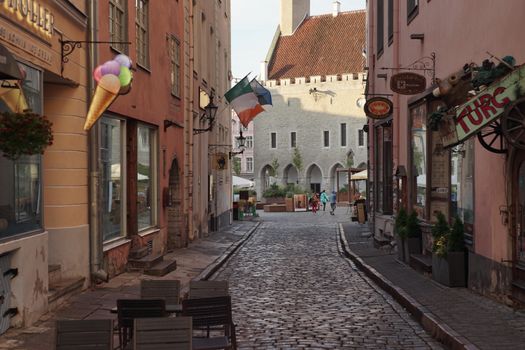
I stepped off the regional train at 6:42 AM, the cold mist of the Vistula River clinging to my wool coat. The air didn’t smell like diesel fumes or stale beer; it smelled of burnt honey, ground cardamom, and wet granite. As my boots clicked against the 14th-century cobblestones of Toruń, Poland, the silence was absolute, broken only by the rhythmic sweep of a local shopkeeper’s broom.
There were no tour groups wearing matching neon hats. No digital nomads shouting into laptops at outdoor cafes. Just raw, unplastered red-brick Gothic walls towering over me, casting long shadows in the amber morning light.
```
[Prague Charles Bridge: 30,000 visitors/day]
vs.
[Toruń Old Town: Authentic local life, zero queues]
```
For years, we’ve treated Prague as the gold standard of medieval preservation. But let's be honest: overtourism has turned the Czech capital’s historic core into an open-air theme park. If you want to experience the true, atmospheric magic of the Middle Ages—without the Disneyfied prices and crushing crowds—you need to look where the crowds aren't looking yet.
These five emerging medieval strongholds are claiming the crown this year.
---
1. Toruń, Poland: The Gothic Gingerbread Stronghold
While Krakow and Warsaw draw the lion's share of Polish tourism, Toruń remains a wonderfully preserved secret. Spared from the destruction of World War II, this UNESCO World Heritage site boasts some of the finest brick Gothic (Backsteingotik) architecture in Europe.
```
+-------------------------------------------------------------+
| TORUŃ INSIDER SCORE: |
| Crowds: Very Low | Authenticity: 10/10 | Beer Cost: $2.50 |
+-------------------------------------------------------------+
```
The Architecture of Red Clay and Astronomy
Toruń is the birthplace of Nicolaus Copernicus, the astronomer who stopped the sun and moved the earth. The town’s layout remains completely unchanged since the Middle Ages. Walk down Ulica Szeroka to admire the towering Town Hall, a massive square fortress of red clay that dominates the market square. Unlike Prague, where historic facades are heavily restored, Toruń’s bricks show their age—soot-stained, weathered, and deeply atmospheric.
The Scent of Centuries-Old Spice
You cannot talk about Toruń without talking about pierniki (gingerbread). This isn't the dry holiday cookie you're used to; it’s a dense, spiced cake made from local honey, black pepper, cloves, and ginger, aged in oak barrels. The tradition dates back to the 13th century.
- The Insider Spot: Skip the commercial souvenir shops. Head to Żywe Muzeum Piernika (The Living Gingerbread Museum) on Rabiańska Street. Here, interactive bakers teach you to mix, knead, and bake using traditional wooden molds.
- Pro-Tip: For the ultimate view of the city’s medieval skyline, cross the bridge to the south bank of the Vistula River (Kępa Bazarowa) at dusk. The entire brick fortress glows orange against the dark water.
---
2. Sighisoara, Romania: The Pastel Citadel of Transylvania
Perched high in the Carpathian Mountains, Sighisoara is one of the last fully inhabited medieval citadels in Europe. While tourists flock to Bran Castle for cheap Dracula thrills, Sighisoara offers the real, atmospheric history of Transylvania's Saxon settlers.
```
+-------------------------------------------------------------+
| SIGHISOARA INSIDER SCORE: |
| Crowds: Low | Authenticity: 9.5/10 | Coffee Cost: $1.80 |
+-------------------------------------------------------------+
```
Navigating the Nine Towers
The citadel is guarded by nine surviving towers, each built and maintained by a medieval merchant guild. The most famous is the Clock Tower (Turnul cu Ceas), which features wooden figures that rotate to mark the day of the week.
- The Scholars' Stairs: Climb the Scara Scolarilor, a covered wooden staircase built in 1642 to protect school children from winter snows. It leads up to the quiet Church on the Hill and an ancient Saxon cemetery. The air up here smells of damp oak wood, wild thyme, and chimney smoke.
Surviving the Tourist Traps
Yes, Vlad the Impaler (the inspiration for Dracula) was born here, and his birthplace is now a restaurant. Avoid it. The food is overpriced and unremarkable.
- Pro-Tip: Instead, walk down the quiet alley of Strada Școlii and find Gasthaus Alte Post. Order the ciorbă de fasole—a smoky white bean soup seasoned with wild tarragon, served inside a hollowed-out loaf of sourdough bread. Pair it with a glass of local plum brandy (țuică).
---
3. Gengenbach, Germany: The Black Forest's Living Fairy Tale
If you want the romantic timber-framed houses of Germany without the commercialized crowds of Rothenburg ob der Tauber, Gengenbach is your destination. Located on the western edge of the Black Forest, this tiny town looks like it was sketched by the Brothers Grimm.
```
+-------------------------------------------------------------+
| GENGENBACH INSIDER SCORE: |
| Crowds: Moderate | Authenticity: 9/10 | Wine Cost: $3.50 |
+-------------------------------------------------------------+
```
The Alleys of Engelgasse
The heart of Gengenbach is the Engelgasse (Angels' Alley). Here, 17th-century half-timbered (Fachwerk) homes lean toward each other over narrow stone streets, decorated with climbing ivy and boxes of red geraniums.
- The Town Hall Calendar: If you visit in December, the town's 200-year-old classicist Town Hall turns into the world's largest Advent calendar, with each window revealing a work of art by famous painters like Marc Chagall or Andy Warhol.
The Vineyards and the Valley
Gengenbach is surrounded by steep, sun-drenched vineyards producing some of Baden's finest white wines.
- Pro-Tip: Skip the crowded town square cafes for dinner. Walk 15 minutes up the hill through the vines to the Berghaupten viewpoint. Bring a bottle of local Grauburgunder (Pinot Gris) and a fresh-baked flammkuchen (thin-crust flatbread topped with crème fraîche, onions, and lardons) from a local bakery, and watch the sun sink behind the spires of the town.
---
4. Šibenik, Croatia: The Venetian Stone Fortress on the Adriatic
While Dubrovnik is suffocated by cruise ships and Game of Thrones tours, Šibenik remains a raw, stone-carved masterpiece of Venetian-Gothic design. Built entirely of white limestone from the island of Brač, this coastal stronghold cascades down a steep hillside into a protected Adriatic bay.
```
+-------------------------------------------------------------+
| ŠIBENIK INSIDER SCORE: |
| Crowds: Low | Authenticity: 9.8/10 | Seafood Cost: $12.00 |
+-------------------------------------------------------------+
```
A Cathedral Without Mortar
The crown jewel of Šibenik is the Cathedral of St. James, a UNESCO World Heritage site designed by Juraj Dalmatinac. It is the world’s largest church built entirely of stone, without a single brick or wooden support beam. The exterior wall features a frieze of 71 individually carved stone heads, representing local citizens from the 15th century—complete with scowls, warts, and unique expressions.
Climbing the Fortresses
Šibenik was so strategically important that it was defended by four massive stone fortresses. St. Michael’s Fortress now hosts an open-air amphitheater with views over the Kornati Islands.
- The Hidden Garden: Find the hidden garden of the St. Lawrence Monastery (Srednjovjekovni samostanski vrt sv. Lovre). This quiet courtyard is filled with wild rosemary, medicinal herbs, and fig trees.
- Pro-Tip: Sit at the small garden cafe and order a slice of traditional fig cake (smokvenjak) and a glass of sweet prošek dessert wine.
---
5. Banská Štiavnica, Slovakia: The Volcanic Silver Caldera
Tucked inside the caldera of an ancient, collapsed volcano in central Slovakia, Banská Štiavnica is one of Europe's most visually dramatic medieval towns. Once the silver-mining capital of the Austro-Hungarian Empire, this wealthy town attracted the finest Renaissance architects and engineers.
```
+-------------------------------------------------------------+
| BANSKÁ ŠTIAVNICA INSIDER SCORE: |
| Crowds: Very Low | Authenticity: 10/10 | Beer Cost: $2.10 |
+-------------------------------------------------------------+
```
Palaces and Turquoise Lakes
The town’s steep, winding streets are lined with pastel-colored Renaissance palaces, baroque churches, and the imposing Old Castle (Starý Zámok). But the most unique feature is the tajchy—a system of 60 artificial turquoise lakes built in the 18th century to power the silver mines.
- The Calvary on the Volcano: Climb the steep path to the Calvary, a complex of baroque chapels built on a volcanic hill overlooking the town. At sunset, the entire valley turns deep purple, and the church bells echo off the surrounding hills.
The Miner's Feast
* Pro-Tip: Head to Pivovar ERB, a boutique brewery housed in a restored synagogue. They brew their own unpasteurized lager using local mountain water. Pair it with lokše—thin potato crepes slathered in rich duck fat and served with braised red cabbage.
---
Budget & Logistics: Planning Your Escape
These emerging destinations offer incredible value compared to Western Europe. Use this quick reference guide to plan your route, budget, and transit.
| Destination | Est. Daily Budget (USD) | Best Time to Visit | How to Get There (Transit) | Signature Dish to Try |
| :--- | :--- | :--- | :--- | :--- |
| Toruń, Poland | $45 - $60 | May to September | Direct train from Warsaw (2.5 hours) | Pierniki (Spiced Gingerbread) |
| Sighisoara, Romania | $40 - $55 | June or October | Train from Brasov (2.5 hours) | Ciorbă de fasole in bread bowl |
| Gengenbach, Germany | $85 - $110 | September to December | Regional train from Offenburg (10 mins) | Flammkuchen & Baden Riesling |
| Šibenik, Croatia | $70 - $95 | May or September | Bus from Split Airport (45 mins) | Crni rižot (Black cuttlefish risotto) |
| Banská Štiavnica, Slovakia| $50 - $70 | June to September | Train from Bratislava via Zvolen | Lokše with duck fat |
---
The Strategy: Why Prague is Losing its Crown (and How to Travel Better)
The "Disneyfication" of historic cities is a real threat to authentic travel. When a destination becomes overrun, the local butcher shops, bakeries, and hardware stores are replaced by souvenir shops selling cheap plastic trinkets and international fast-food chains.
By choosing these emerging alternatives, you aren't just saving money and avoiding crowds; you are supporting local economies that still value genuine hospitality and heritage preservation.
How to Find Emerging Gems on Your Own:
1. Look for UNESCO buffer zones: Often, the towns surrounding major UNESCO sites have the same history but none of the tourists.
2. Follow the regional rail lines: Skip the main express routes. Take the slow, regional trains that stop at smaller, historic junctions.
3. Eat where there are no English menus: If a restaurant has laminated menus with photos of the food in five languages, walk away. Find the wood-paneled cellar where the locals are drinking beer.
---