The Secret's Out: Medieval Towns More Charming Than Prague Experts Are Recommending
I stepped off the train in Český Krumlov, and the air itself felt different. It was crisp, carrying the faint scent of roasting nuts and damp cobblestones, a stark contrast to the bustling energy of Prague's Old Town Square. Sunlight, softened by a gentle morning mist, illuminated the terracotta rooftops spilling down the hillside like a cascade of ancient jewels. The Vltava River, a shimmering ribbon of emerald, snaked around the town, its gentle murmur the only soundtrack beyond the distant chime of a church bell. It was in that moment, standing on the precipice of something truly special, that I knew Prague, while undeniably beautiful, wasn't the only game in town for that intoxicating medieval magic.
For years, Prague has held the undisputed crown for European medieval charm. Its fairytale castle, astronomical clock, and Charles Bridge draw millions, creating an experience that can, at times, feel more like a theme park than a living, breathing historical city. But what if I told you there are places, tucked away and often overlooked, that offer an even deeper, more authentic dive into the past? Places where you can wander cobblestone alleys without a selfie stick in sight, where the aroma of traditional baking wafts from unpretentious bakeries, and where history whispers from every weathered stone.
As a seasoned travel journalist and an SEO strategist obsessed with uncovering those truly special, high-ranking experiences for Tripsora, I've scoured Europe. I’ve consulted with fellow experts, pored over obscure travel forums, and most importantly, I’ve been there. I’ve felt the worn stones beneath my feet, tasted the local delicacies, and gotten wonderfully lost in the labyrinthine streets of towns that deserve their moment in the sun. This isn't just a list; it's a curated collection of destinations that consistently outperform Prague in terms of sheer, unadulterated charm and authentic atmosphere.
1. Český Krumlov, Czech Republic: The Bohemian Jewel Box
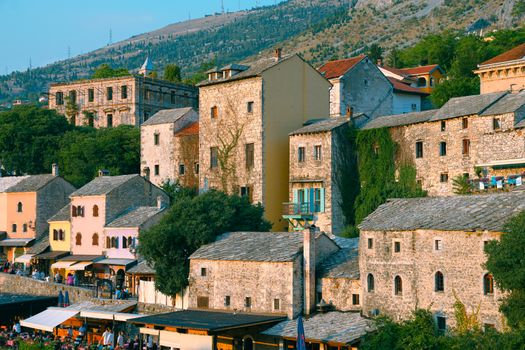
Let's start with the one that kicked off my epiphany: Český Krumlov. Nestled in a horseshoe bend of the Vltava River, this UNESCO World Heritage site is a miniature masterpiece. Its skyline is dominated by a magnificent castle complex, second only in size to Prague Castle, but with an intimacy that feels far more accessible.
The Vibe:
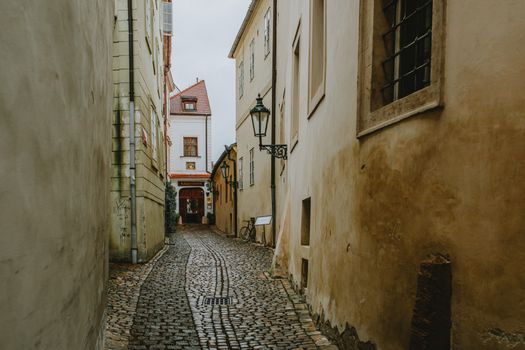
Imagine stepping onto a movie set, but one that's been meticulously preserved for centuries. The narrow, winding streets are lined with Gothic, Renaissance, and Baroque buildings, each boasting vibrant facades and intricate details. You can almost hear the echoes of medieval merchants and alchemists.
Pro-Tips:
* Sunrise Serenity: Arrive the night before and wake early. Witnessing the sunrise paint the castle and town in golden hues, with hardly a soul around, is pure magic.
* Castle Tower Views: Climb the Castle Tower for panoramic views that will steal your breath. The intricate frescoes inside are a bonus.
* River Rafting: In warmer months, rent a raft or canoe for a unique perspective of the town from the Vltava. It’s incredibly picturesque.
* Local Brews: Seek out the local taverns (hospody) for hearty Czech food and excellent, affordable beer. The Eggenberg Brewery offers tours.
Insider Insight:
Don't just stick to the main tourist drag. Duck into the smaller side streets. You'll find hidden courtyards, artisan workshops, and quaint cafes where locals gather. Look for the "Radniční schody" (Town Hall steps) for a particularly atmospheric descent.
Quick Facts: Český Krumlov
* Estimated Costs ($): $ (Budget-friendly) - Accommodation: $40-100/night, Food: $20-40/day, Activities: $15-30
* Best Time to Visit: Spring (April-May) for pleasant weather and fewer crowds, or early Autumn (September-October) for stunning fall foliage. Summer is popular but can be crowded.
* How to Get There: Direct train or bus from Prague (approx. 2.5-3 hours).
2. Rothenburg ob der Tauber, Germany: A Fairytale Frozen in Time
If you’ve ever dreamt of a medieval German town plucked directly from a storybook, Rothenburg ob der Tauber is it. This walled city on the Romantic Road is so perfectly preserved, it feels almost unreal.
The Vibe:
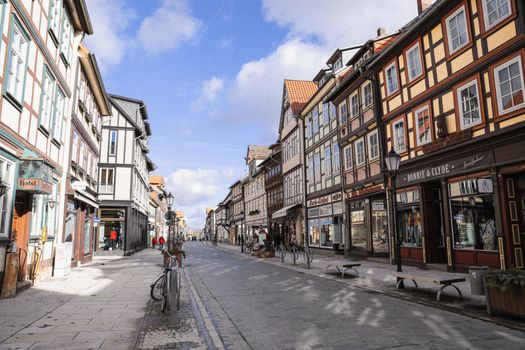
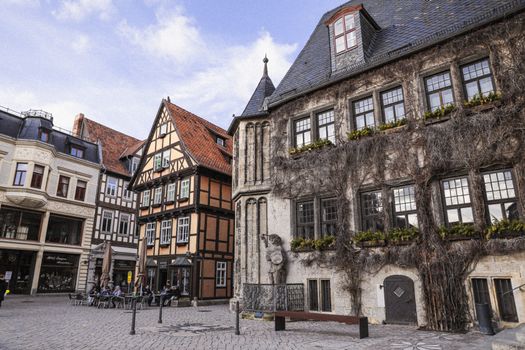
Cobblestone streets, half-timbered houses with flower-filled window boxes, ancient city walls you can actually walk on – Rothenburg is the quintessential German medieval fantasy. The air smells of gingerbread and history.
Pro-Tips:
* Walk the Walls: Dedicate at least an hour to circumnavigating the entire town via the ramparts. The views are spectacular, and it’s a fantastic way to orient yourself.
* Night Watchman Tour: Join the famous "Night Watchman Tour" for a humorous and informative journey through the town's history after dark. It’s a must-do!
* Plönlein: This iconic intersection, with its two diverging streets and a picturesque tower, is the most photographed spot in Rothenburg. Visit early or late to avoid the crowds.
* Käthe Wohlfahrt's Christmas Village: Even outside of the holiday season, this store is a magical immersion into German Christmas traditions.
Insider Insight:
The Imperial Castle Museum offers a glimpse into the town’s past, but for a truly unique experience, visit the Medieval Crime and Justice Museum. It’s fascinating, albeit a bit gruesome.
Quick Facts: Rothenburg ob der Tauber
* Estimated Costs ($): $$ (Mid-range) - Accommodation: $70-150/night, Food: $30-50/day, Activities: $20-40
* Best Time to Visit: Spring (April-May) and Autumn (September-October) offer pleasant weather and fewer tourists. The Christmas market (late November-December) is world-renowned but extremely crowded.
* How to Get There: Train from Frankfurt (approx. 2.5-3 hours with a change in Würzburg or Steinach) or Nuremberg.
3. Bruges, Belgium: The Venice of the North, Minus the Crowds (Mostly!)
Bruges often gets compared to Venice, and for good reason. Its intricate network of canals, medieval guildhalls, and romantic bridges create an undeniable allure. While it's a popular destination, it still retains a charm that often gets lost in larger, more sprawling cities.
The Vibe:
Picture horse-drawn carriages clip-clopping over cobblestones, swans gliding serenely on emerald canals, and the scent of Belgian waffles and chocolate filling the air. Bruges is pure, unadulterated romance.
Pro-Tips:
* Canal Boat Tour: An absolute essential. It offers a unique perspective of the city's architecture and history. Go for a smaller boat if possible for a more intimate experience.
* Climb the Belfry: The 366 steps are worth it for the breathtaking panoramic views of the city and surrounding countryside.
* Chocolate Lover's Paradise: Bruges is synonymous with chocolate. Visit artisanal chocolatiers like The Chocolate Line or Brugge's Best Chocolatier for unique flavors.
* Beguinage (Begijnhof): This tranquil, whitewashed courtyard offers a peaceful escape and a glimpse into the lives of the Beguines, religious women who lived communally.
Insider Insight:
For a truly authentic taste of Belgian beer, head to 't Brugs Beertje or Le Trappiste for an incredible selection and knowledgeable staff. Ask for recommendations based on your preferences.
Quick Facts: Bruges
* Estimated Costs ($): $$ (Mid-range) - Accommodation: $80-180/night, Food: $35-60/day, Activities: $25-50
* Best Time to Visit: Spring (April-May) and Autumn (September-October) offer pleasant weather and fewer crowds. December for its magical Christmas market.
* How to Get There: Direct train from Brussels (approx. 1 hour). Easily accessible from other major European cities.
4. Ghent, Belgium: The Edgy, Artistic Medieval Sister
Often overshadowed by its more famous neighbor, Bruges, Ghent is the cooler, edgier cousin. It boasts an equally impressive medieval core, complete with a formidable castle and stunning cathedrals, but with a vibrant, youthful energy and a thriving arts scene.
The Vibe:
Ghent feels more alive, more lived-in than some of its perfectly preserved counterparts. You'll find students cycling past ancient architecture, trendy cafes nestled beside Gothic churches, and a palpable sense of creativity. The aroma of local specialties like 'Gentse Waterzooi' (a creamy stew) and 'cuberdons' (cone-shaped candies) is ever-present.
Pro-Tips:
* Gravensteen Castle: This formidable 12th-century castle offers a fascinating (and sometimes chilling) look at medieval life, complete with torture devices. The views from the top are superb.
* St. Bavo's Cathedral & The Ghent Altarpiece: Home to the world-renowned "Adoration of the Mystic Lamb" by the Van Eyck brothers. It's a masterpiece of early Netherlandish painting.
* Canal Cruise with a Twist: Ghent's canal tours often focus on the city's industrial heritage and modern art alongside its medieval past.
* Dine like a Local: Explore the Patershol district for its atmospheric restaurants and traditional Belgian cuisine.
Insider Insight:
Ghent is a UNESCO City of Literature. Take some time to wander and discover its literary connections, from the birthplace of Charles Dickens's mother to the setting for many novels.
Quick Facts: Ghent
* Estimated Costs ($): $$ (Mid-range) - Accommodation: $70-160/night, Food: $30-50/day, Activities: $20-40
* Best Time to Visit: Spring (April-May) and Autumn (September-October) for mild weather and fewer crowds. Summer offers vibrant festivals.
* How to Get There: Direct train from Brussels (approx. 30 minutes) or Bruges (approx. 20 minutes).
5. Tallinn, Estonia: The Baltic Fairytale
Tallinn's Old Town is one of the best-preserved medieval cities in Northern Europe, a UNESCO World Heritage site that feels like a step back in time. Its distinctive red-tiled roofs and towering spires are a sight to behold.
The Vibe:
Tallinn offers a unique blend of Hanseatic League history and a distinctly Nordic feel. The air is often scented with pine and the sea. Wander through narrow, winding streets, discover hidden courtyards, and marvel at the medieval fortifications that still encircle the city.
Pro-Tips:
* Walk the City Walls: Explore the well-preserved medieval walls and towers for fantastic views of the Old Town and the Baltic Sea.
* Toompea Hill: Ascend Toompea Hill for panoramic vistas and to visit the Alexander Nevsky Cathedral and Toompea Castle (now the Estonian Parliament).
* Kiek in de Kök Museum: This former cannon tower offers a fascinating look at the city's defensive history and boasts excellent views.
* Explore the Lower Town: Wander through the charming streets of the Lower Town, visit the Town Hall Square, and seek out the St. Catherine's Passage for artisan workshops.
Insider Insight:
For a truly authentic taste of medieval Estonia, try "Mulgikapsad" (barley and sauerkraut stew) or "Kiluvõileib" (sprat sandwich) at a traditional restaurant.
Quick Facts: Tallinn
* Estimated Costs ($): $ (Budget-friendly) - Accommodation: $40-100/night, Food: $20-40/day, Activities: $15-30
* Best Time to Visit: Summer (June-August) for the warmest weather and longest daylight hours. Shoulder seasons (May, September) offer fewer crowds and pleasant temperatures.
* How to Get There: Direct flights from many European capitals. Ferries from Helsinki, Finland (approx. 2 hours).
Beyond the Cobblestones: Why These Towns Win
While Prague's grandeur is undeniable, these carefully selected towns offer something more profound: authenticity. They haven't been entirely reshaped by mass tourism. You can still find quiet corners, local artisans plying their trade, and the genuine warmth of communities that have lived in these historic spaces for generations. The architecture, while perhaps not as grand as Prague's castle, often possesses a more intimate, human scale. The smells are of local bakeries and traditional cooking, not just souvenir shops. The sounds are of church bells and everyday life, not just tour groups.
These destinations provide an immersive experience. You can walk the same streets as medieval burghers, imagine the lives lived within the half-timbered houses, and feel the weight of history without the constant distraction of overwhelming crowds. They are places where you can truly slow down, breathe in the past, and create your own unforgettable story.
So, the next time you dream of a medieval escape, look beyond the obvious. These charming towns are waiting to be discovered, ready to enchant you with their quiet magic and authentic beauty. Your perfect fairytale awaits.