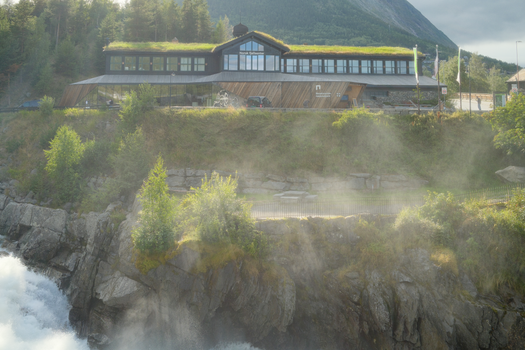
I stepped off the hybrid-electric catamaran and into the crisp, ozone-rich air of the Meløy fjord. There was no rumble of diesel engines. No petroleum sheen on the glass-flat water. Just the sharp scent of wet pine, the distant crack of the Svartisen glacier, and a ring-shaped structure that looked like a futuristic spacecraft landed gently on wooden piles.
This was Svart—the world’s first energy-positive, net-zero hotel.
For years, "eco-friendly" travel meant skipping towel washes and enduring lukewarm showers. Not anymore. In July 2026, the global elite are demanding radical sustainability without sacrificing an ounce of indulgence. These are not merely hotels; they are self-sustaining, carbon-negative ecosystems. If you are planning a high-end summer getaway, these five zero-emission properties are worth every penny of their premium.
---
1. Svart, Norway: The Over-Water Glacier Ring Redefining the Arctic Circle
Suspended on wooden poles above the Holandsfjorden fjord, Svart is an architectural marvel. Built to the ultra-strict "Powerhouse" standard, this circular hotel uses 85% less energy than a standard luxury resort and actually produces more energy than it consumes over its lifetime—including the energy used to construct it.
```
+-----------------------------------------------------------------+
| SVART AT A GLANCE |
+-----------------------------------------------------------------+
| Estimated Cost: | $1,800 – $3,200 per night |
| Best Time to Go: | July (for 24-hour midnight sun) |
| How to Get There: | Fly to Bodø, then take the resort's private |
| | hybrid-electric boat directly to the dock. |
+-----------------------------------------------------------------+
```
The Off-Grid Engineering
Svart’s circular shape isn't just for show. Architect firm Snøhetta mapped the sun’s path throughout the year to optimize solar energy harvest. The roof is entirely clad in Norwegian-manufactured solar panels that perform exceptionally well in cold, high-latitude light. The building uses geothermal wells sunk deep into the fjord bed for heating and cooling, completely bypassing the local power grid.
The Insider Experience
Inside, the vibe is raw Scandinavian minimalism. Think untreated local oak, hand-woven wool textiles, and massive, triple-glazed glass walls that bring the Svartisen glacier into your living room.
- Pro-Tip: Book Suite 104. It faces directly northeast, meaning you get the midnight sun striking the face of the glacier at exactly 2:15 AM without the architectural support beams blocking your view.
- The Culinary Scene: The on-site restaurant, Sno, operates a strict zero-waste, hyper-local policy. I dined on hand-dived mahogany clams served with lacto-fermented sea buckthorn, paired with biodynamic wines kept in a natural underwater cellar.
---
2. The Brando, French Polynesia: Tetiaroa’s Deep-Ocean Cool Luxury
While many resorts claim sustainability, The Brando has spent over a decade perfecting it. Located on the private atoll of Tetiaroa, this ultra-premium resort operates at near-zero carbon emissions, relying on a groundbreaking mix of solar energy, coconut oil biofuels, and deep-sea air conditioning.
```
+-----------------------------------------------------------------+
| THE BRANDO AT A GLANCE |
+-----------------------------------------------------------------+
| Estimated Cost: | $3,500 – $6,000 per night |
| Best Time to Go: | July (driest month with trade winds) |
| How to Get There: | Private 20-minute flight on Air Tetiaroa |
| | from Tahiti's Faa'a International Airport. |
+-----------------------------------------------------------------+
```
The Deep-Ocean Cooling Revolution
The real magic of The Brando is invisible. The resort utilizes Sea Water Air Conditioning (SWAC), pulling icy water from 3,000 feet below the ocean surface to cool the entire property. This system reduces air conditioning energy consumption by a staggering 90%. Solar panels lining the private airstrip provide the rest of the resort's electricity, supplemented by a generator running on locally sourced coconut oil.
The Insider Experience
Each of the 35 villas features a private plunge pool, outdoor bath, and direct access to a white-sand beach where sea turtles nest. There are no plastic bottles, no synthetic chemicals, and the resort's organic garden provides 80% of the kitchen's herbs and vegetables.
- Pro-Tip: Request a private tasting of the honey harvested from the resort’s 70 beehives. The batch harvested in early July has a distinct wild hibiscus finish that you won't find anywhere else on earth.
- The Marine Safari: Join the on-site marine biologists from the Tetiaroa Society for a private drift snorkel through the "Billionaire's Bathtub"—a crystal-clear channel teeming with blacktip reef sharks and eagle rays.
---
3. Singita Volcanoes National Park, Rwanda: High-Altitude Carbon-Negative Gorilla Trekking
Perched on the edge of Volcanoes National Park, Singita Kwitonda Lodge and Kataza House represent the absolute pinnacle of conservation-led luxury. By integrating a massive reforestation project with off-grid solar microgrids, Singita has created a carbon-negative sanctuary that actively protects the habitat of the endangered mountain gorilla.
```
+-----------------------------------------------------------------+
| SINGITA RWANDA AT A GLANCE |
+-----------------------------------------------------------------+
| Estimated Cost: | $2,400 – $4,500 per person, per night |
| Best Time to Go: | July (dry season, ideal for trekking) |
| How to Get There: | 2.5-hour private 4x4 transfer from Kigali |
| | International Airport. |
+-----------------------------------------------------------------+
```
Reforestation as Carbon Offsetting
Singita didn't just build a lodge; they restored 178 acres of degraded agricultural land to its natural volcanic forest state. They have planted over 250,000 indigenous trees and shrubs. The buildings themselves are constructed from local volcanic stone, hand-fired bricks, and sustainably sourced eucalyptus, minimizing the embodied carbon of the construction.
The Insider Experience
The design is a masterclass in organic luxury. Heated plunge pools look out over the misty peaks of the Sabyinyo, Gahinga, and Muhabura volcanoes. Inside, double-sided fireplaces keep the damp mountain chill at bay, while volcanic mud baths await you after a grueling day of trekking.
- Pro-Tip: Ask the sommelier for a tasting of their rare, biodynamic South African Chenin Blancs in the temperature-controlled wine cellar.
- The Recovery Ritual: After your gorilla trek, request the "Aka" local herbal tea blend. It is brewed with fresh wild ginger, lemongrass, and honey from the mountain foothills, perfect for soothing altitude-induced fatigue.
---
4. Shinta Mani Wild, Cambodia: Radically Sustainable Luxury in the Cardamom Rainforest
Created by legendary resort designer Bill Bensley, Shinta Mani Wild is an ultra-luxury tented camp that funds the protection of an entire 865-acre river valley from poaching and logging. This off-grid, zero-emission camp is a masterclass in how high-end tourism can actively defend wild places.
```
+-----------------------------------------------------------------+
| SHINTA MANI WILD AT A GLANCE |
+-----------------------------------------------------------------+
| Estimated Cost: | $1,900 – $2,800 per night (all-inclusive) |
| Best Time to Go: | July (lush monsoon season, full waterfalls) |
| How to Get There: | 3-hour private transfer from Phnom Penh |
| | Airport, followed by a zip-line arrival. |
+-----------------------------------------------------------------+
```
The Anti-Poaching Micro-Economy
The camp runs entirely on a massive solar array hidden discreetly in the forest canopy. There is no grid connection, and water is sourced directly from the pristine rushing river beneath the tents, treated via an advanced gravity-fed filtration system. By staying here, your premium directly funds the salaries of Wildlife Alliance rangers who patrol the forest daily.
The Insider Experience
You arrive at the resort via a 400-meter zip-line flying over the forest canopy and a roaring waterfall, landing directly in the "Landing Zone Bar." The fifteen custom-designed tents are perched on pylons over the rushing waters, offering a soundtrack of wild gibbons and churning rapids.
- Pro-Tip: Skip the standard arrival if you have heavy camera gear; instead, request the open-top 1960s military jeep through the back trail to spot the wild cardamom harvesters.
- The Foraged Feast: Chef Kethana's menu changes daily depending on what is foraged from the jungle that morning. Try the wild cardamom leaf curry with freshwater prawns caught right outside your tent.
---
5. Eco-Luxury Decision Matrix: Which Zero-Emission Hotel is Worth Your Spend?
To help you decide where to allocate your travel budget this July, here is how these properties stack up across key luxury and sustainability metrics:
| Resort | Carbon Status | Primary Energy Source | Key Luxury Highlight | Best For |
| :--- | :--- | :--- | :--- | :--- |
| Svart (Norway) | Carbon-Negative | Geothermal & Solar | Midnight sun views of the glacier | Design junkies & arctic explorers |
| The Brando (Tahiti) | Carbon-Neutral | Solar & Coconut Biofuel | Private beaches & SWAC cooling | Beach purists & privacy seekers |
| Singita Kwitonda (Rwanda) | Carbon-Negative | Solar Microgrid | Volcanic stone suites & private pools | Wildlife enthusiasts & hikers |
| Shinta Mani Wild (Cambodia) | Net-Zero | Solar & Gravity-Fed Water | Zip-line arrival & river-edge dining | Adventure lovers & conservationists |
---
The Verdict: Why the Premium is Non-Negotiable
Staying at a zero-emission hotel in 2026 is not about compromise; it is about accessing a superior tier of travel. The engineering required to run a luxury resort off-grid, the culinary expertise needed to execute a zero-waste menu, and the dedication required to restore surrounding ecosystems demand a premium.
When you pay $2,500 a night at Svart or The Brando, you aren't just paying for a thread-count or a private butler. You are paying for the peace of mind that your presence on this earth is leaving it slightly better than you found it. And in 2026, that is the ultimate luxury.
---