Beyond the Postcard: Finding Serenity in the Andes This Winter
I stepped off the local bus, the crisp Andean air biting at my cheeks, carrying the faint, earthy scent of damp soil and something vaguely floral. The rumble of the engine faded, replaced by the gentle murmur of a nearby stream and the distant bleating of alpacas. There was no queue, no selfie-stick jungle, just me, the vast, cerulean sky, and the silent, stoic sentinels of an ancient civilization. This, I thought, is what travel should feel like.
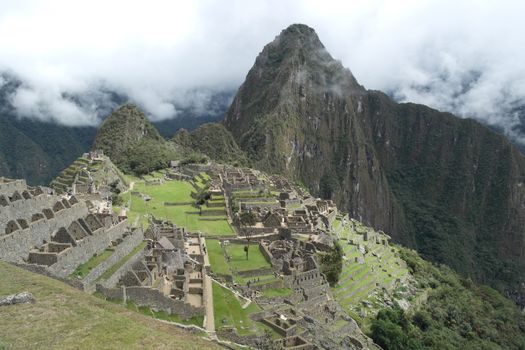
For years, Machu Picchu has been the undisputed crown jewel of Peru, a bucket-list mecca that draws millions. And rightly so – it’s a marvel. But let’s be honest, the sheer volume of visitors can sometimes overshadow the magic. This winter, I’ve been on a mission: to find those hidden corners of the Andes that echo Machu Picchu's grandeur but offer a more intimate, soul-stirring experience. Places where you can truly connect with the history, the landscape, and yourself, away from the throngs. And guess what? They exist, and they are trending.
1. The Mystical Majesty of Choquequirao: "The Other Machu Picchu"
Often dubbed "Machu Picchu's Sacred Sister," Choquequirao is a monumental Inca citadel perched precariously on a mountain ridge, overlooking the Apurímac River canyon. The journey here is an adventure in itself, a challenging but incredibly rewarding trek that deters many, leaving the site blissfully uncrowded.
Why it's trending:
The sheer scale and architectural brilliance of Choquequirao are astounding. Its terraces cascade down the mountainside like a giant's staircase, and the intricate stonework rivals anything at its more famous counterpart. The "Serpent" and "Llama" sectors, adorned with white stone effigies, are particularly captivating. Winter (May-September) offers dry trekking conditions, making this the perfect time to tackle it.
Pro-Tip:
The classic Choquequirao trek takes 4-5 days round trip. For a less strenuous, albeit still challenging, option, consider the one-day hike from Capuliyoc pass. You’ll still get a phenomenal view without the multi-day commitment. Pack plenty of water and sun protection; the sun is intense, even in winter.
2. Ollantaytambo: A Living Inca Town
While many pass through Ollantaytambo as a gateway to Machu Picchu, this charming town is a destination in its own right and a phenomenal alternative for experiencing authentic Inca life. It’s one of the best-preserved Inca settlements, with a functioning water system, original street layouts, and a formidable fortress-temple complex.
Why it's trending:
Ollantaytambo offers a unique glimpse into how the Incas lived. Wander its narrow cobblestone streets, and you'll see descendants of the Inca people still residing in their ancestral homes. The imposing Ollantaytambo ruins, with their massive stone terraces climbing the hillside, are breathtaking, especially at sunrise or sunset when the light paints the stones in hues of gold and ochre.
Pro-Tip:
Stay overnight in Ollantaytambo. Wake up early, before the day-trippers arrive, and explore the ruins. The air is cool, the light is magical, and you’ll have moments of pure solitude amidst the ancient stones. Don't miss the Temple of the Sun, with its precisely cut megaliths.
3. The Enigmatic Energies of Kuelap: The Cloud Fortress
Journey north to the Amazonas region, and you’ll discover Kuelap, the magnificent walled city of the Chachapoyas people, the "Warriors of the Clouds." This pre-Inca fortress, perched atop a mountain at over 3,000 meters, is an architectural marvel, predating Machu Picchu by centuries.
Why it's trending:
Kuelap is gaining serious traction for its sheer scale and dramatic setting. Its massive stone walls, some reaching 20 meters high, encircle over 400 circular dwellings. The iconic "El Pueblo" entrance, a narrow, winding passage, adds to its mystique. The recent addition of a cable car has made it more accessible, but it still remains significantly less crowded than Machu Picchu, offering a truly immersive experience.
Pro-Tip:
Take the cable car up from the village of Tingo. The views as you ascend are spectacular. Once inside, take your time to explore the various sectors, imagining the lives of the Chachapoyas. Look out for the intriguing friezes and the unique circular architecture.
4. The Sacred Valley's Hidden Gems: Pisac and Moray
While the Sacred Valley is a popular route, many visitors rush through its smaller archaeological sites. Pisac and Moray, however, deserve dedicated exploration and offer incredible insights without the overwhelming crowds.
Why it's trending:
Pisac boasts a stunning Inca ruin complex high above the valley floor, featuring agricultural terraces, a ceremonial center, and a fascinating Inca cemetery. The views are panoramic and utterly captivating. Nearby, Moray presents a geological and agricultural enigma: a series of concentric, circular terraces that scientists believe were an Inca agricultural laboratory, testing different microclimates for crop cultivation.
Pro-Tip:
Visit Pisac market on a Tuesday, Thursday, or Sunday for a vibrant cultural experience, but explore the ruins early in the morning or late in the afternoon to avoid the peak crowds. For Moray, hire a local guide to fully appreciate the ingenuity behind this unique site. The surrounding landscape is also incredibly picturesque, perfect for a gentle hike.
5. The Sun Gate (Inti Punku) Hike from Ollantaytambo
For those seeking a taste of the Inca Trail without the commitment, the hike to the Sun Gate (Inti Punku) from Ollantaytambo offers a spectacular and relatively uncrowded alternative. This is the original entrance for those arriving from the Inca Trail to Machu Picchu.
Why it's trending:
This hike provides breathtaking panoramic views of Machu Picchu, often with far fewer people than the main citadel itself. It’s a challenging but manageable trek that rewards you with a sense of accomplishment and an unparalleled perspective of the iconic ruins.
Pro-Tip:
Start this hike very early in the morning, ideally around 5 AM. You'll experience the sunrise over the mountains and have a good chance of reaching the Sun Gate before the bulk of the day visitors begin their ascent. The trail is well-marked, but trekking poles can be helpful.
---
Quick Facts: Your Winter Andean Adventure
| Feature | Choquequirao | Ollantaytambo | Kuelap | Pisac & Moray | Sun Gate (Inti Punku) Hike |
| :--------------- | :--------------------------------------------- | :--------------------------------------------- | :--------------------------------------------- | :--------------------------------------------- | :-------------------------------------------- |
| Estimated Cost | $200 - $500 (trekking tours) | $50 - $100 (accommodation, food, entry) | $100 - $200 (travel, cable car, entry) | $40 - $80 (transport, entry fees) | $20 - $40 (transport, basic entry) |
| Best Time | May - September (Dry season) | Year-round, but shoulder seasons are pleasant | May - October (Dry season) | Year-round, but shoulder seasons are pleasant | Year-round, but dry season ideal |
| How to Get There | Trek from Cachora or Santa Teresa | Train from Cusco or Sacred Valley towns | Flight to Jaén or Tarapoto, then bus/van | Bus/taxi from Cusco or Sacred Valley towns | Train to Aguas Calientes, then hike |
| Crowd Level | Very Low | Moderate (especially during peak hours) | Low to Moderate (increasing with cable car) | Moderate (peak at market days) | Moderate (peak at midday) |
| Difficulty | High (trekking) | Moderate (site exploration) | Moderate (site exploration) | Moderate (site exploration) | Moderate to High (hiking) |
---
Embracing the Authentic Andean Spirit
What truly sets these alternatives apart is the opportunity for genuine connection. You’re not just seeing ruins; you’re stepping into living history. The air at Choquequirao hums with the whispers of the Chachapoyas. In Ollantaytambo, the scent of chicha (corn beer) brewing drifts from doorways, and you can hear Quechua spoken on the streets. At Kuelap, the sheer engineering prowess of a civilization long past leaves you in awe.
These places demand a bit more effort, a willingness to stray from the well-trodden path. But the rewards? Immeasurable. You’ll find moments of profound peace, a deeper understanding of the Inca and pre-Inca civilizations, and stories that you’ll carry with you long after your tan fades. This winter, trade the crowds for connection, the hustle for harmony, and discover the true magic of the Andes.