The Whisper of the Andes: My January Revelation
I stepped off the rattling bus, the crisp, high-altitude air biting at my cheeks. It wasn't the humid, bustling energy I'd braced myself for, the kind often associated with Peru's most famous wonder. Instead, there was a profound stillness, broken only by the distant bleating of a llama and the rustle of wind through hardy ichu grass. Below me, bathed in the soft, forgiving light of a January morning, lay not Machu Picchu, but something equally ancient, equally powerful, and blissfully, gloriously empty. This, my friends, was my first encounter with the magic of Peru's hidden historical treasures, a secret I'm thrilled to share with you for your own January 2026 escape.
January. The rainy season in the Andes. For many, this means one thing: an exodus from the popular spots like Machu Picchu, which can still be surprisingly busy despite the weather. But for the intrepid traveler, it’s an opportunity. An opportunity to experience the raw, untamed beauty of Peru without battling throngs of tourists, to connect with history on a deeper, more personal level. This guide is your passport to those extraordinary, crowd-free experiences in January 2026.
Beyond the Citadel: Unveiling Peru's Secret Sanctuaries
While Machu Picchu rightfully holds its crown, Peru is a treasure trove of Inca ingenuity, scattered across its dramatic landscapes. January offers a unique window to explore these lesser-known, yet equally magnificent, sites.
1. Choquequirao: The "Other" Inca Citadel
Often described as Machu Picchu's "sacred sister," Choquequirao is a colossal Inca complex perched precariously on a mountainside overlooking the Apurímac River canyon. Getting here is an adventure in itself, typically involving a multi-day trek.
Why it's perfect for January:
The trail is less muddy than you might expect, and the cooler temperatures make the challenging hike more bearable. Crucially, you're likely to encounter only a handful of other trekkers. The sheer scale and intricate stonework, often still covered in moss from the rains, feel incredibly primal. I remember standing on a terrace, the only soul for miles, listening to the wind howl through the canyon, and feeling an overwhelming sense of awe at the Incas' engineering prowess. The agricultural terraces here are some of the most extensive in the Andes, a testament to their understanding of the land.
Pro-Tips:
* The Trek: The most common route is a 4-day, 3-night round trip from Capuliyoc. Consider hiring a muleteer and mules to carry your gear.
* Accommodation: Basic camping is the norm. Pack for all weather conditions.
* Insider's Detail: Look for the "Llamas" sector, a series of white stone carvings depicting these sacred animals, a unique artistic expression you won't find elsewhere.
2. Ollantaytambo: The Living Inca Town
While many visit Ollantaytambo as a gateway to Machu Picchu, this ancient town deserves its own spotlight. It’s one of the best-preserved Inca towns, with original street layouts, water channels, and stone houses still inhabited by locals.
Why it's perfect for January:
The crowds here are significantly thinner than in the peak season. You can wander through the narrow cobblestone streets, soak in the atmosphere, and explore the imposing fortress-temple complex at your own pace. The imposing Inca walls, intricately carved and fitted with astonishing precision, seem to whisper stories of a bygone era. I loved watching the local women in their vibrant traditional dress going about their daily lives, a living continuation of centuries of history. The sound of the rushing water through the ancient aqueducts is a constant, soothing soundtrack.
Pro-Tips:
* Explore the Town: Get lost in the residential areas, not just the main ruins.
* The Fortress: Climb to the top of the Temple Hill for breathtaking panoramic views.
* Authenticity: Try chicha, a fermented corn drink, at a local chicheria for a truly authentic experience.
3. Kuelap: The Cloud Forest Fortress
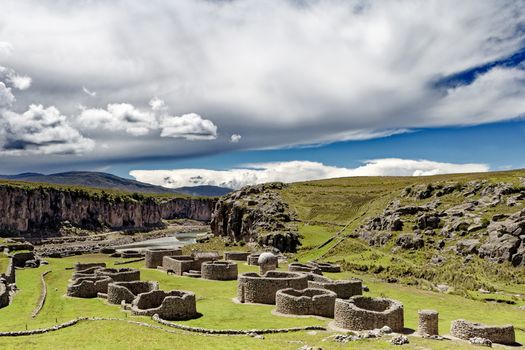
Journey north to the Amazonas region, and you'll discover Kuelap, a magnificent pre-Inca walled city built by the Chachapoyas people. Perched atop a mountain, it's often shrouded in mist, adding to its mystique.
Why it's perfect for January:
This region experiences its rainy season in January, which can deter some travelers. However, the mist often clears, revealing the dramatic landscape and the impressive stone structures. The cable car ride up offers stunning views, and once you're at the site, you'll find yourself with ample space to explore the hundreds of circular stone houses, ceremonial platforms, and defensive walls. The sheer scale of the fortifications, built to withstand invaders, is awe-inspiring. The unique architectural style of the Chachapoyas, characterized by their circular houses with decorative friezes, is fascinating.
Pro-Tips:
* Getting There: Fly from Lima to Jaén or Tarapoto, then take a taxi or bus to Tingo, where the cable car departs.
* Guided Tour: Hiring a local guide can unlock the fascinating history of the Chachapoyas.
* Local Delicacy: Sample juanes, a popular dish made with rice, chicken, and spices wrapped in a banana leaf.
4. Sacsayhuamán: Cusco's Majestic Guardian
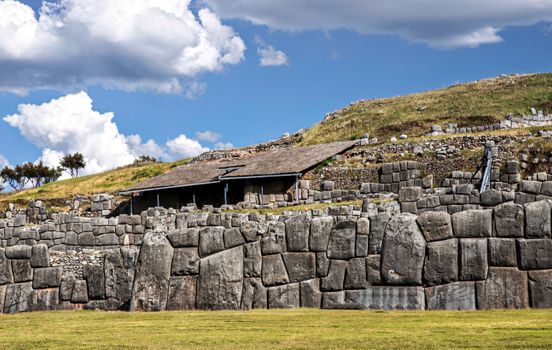
Just a short drive from Cusco, Sacsayhuamán is an awe-inspiring Inca fortress known for its colossal, perfectly fitted stones that form zigzagging walls.
Why it's perfect for January:
While close to Cusco, Sacsayhuamán is vast enough to disperse visitors. The January rains can bring lush greenery, making the site even more beautiful. You can explore the massive walls, the ceremonial plazas, and the natural rock formations without feeling rushed. The precision with which these gargantuan stones were quarried, transported, and fitted together remains a marvel of ancient engineering. I found myself tracing the seams between stones, trying to imagine the sheer human effort involved. The views back over Cusco are also spectacular.
Pro-Tips:
* Combine with Nearby Sites: It's often visited as part of a tour including Q'enqo, Puka Pukara, and Tambomachay.
* Best Time: Early morning or late afternoon to avoid any potential tour groups.
* The "Sacred" Stones: Look for the Intihuatana (sun dial) and other carved rocks that hold spiritual significance.
5. Moray & Maras Salt Mines: Agricultural Innovation and Ancient Industry
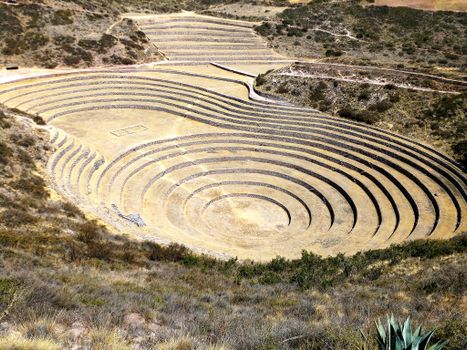
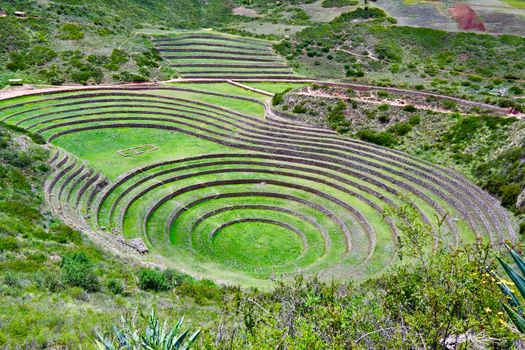
These two unique sites, often visited together, showcase different facets of Inca ingenuity. Moray features enigmatic circular agricultural terraces, believed to have been an Inca experimental farm, while the Maras salt mines are a breathtaking cascade of salt pans used since Inca times.
Why it's perfect for January:
The rains can create stunning reflections in the terraced fields of Moray and add a dramatic sheen to the salt pans of Maras. These sites are less about grand structures and more about understanding the Incas' sophisticated knowledge of agriculture and resource management. Wandering through the concentric circles of Moray, you can almost feel the echoes of ancient farmers tending their crops. The Maras salt mines are a visual spectacle, a patchwork of white against the green valley, a testament to a practice that has endured for centuries.
Pro-Tips:
* Moray: Consider the scale; the largest terraces are over 150 meters in diameter.
* Maras: You can purchase locally harvested salt.
* Logistics: Easily accessible by taxi or organized tour from the Sacred Valley.
Navigating Your January Andean Adventure: Quick Facts
| Feature | Choquequirao | Ollantaytambo | Kuelap | Sacsayhuamán | Moray & Maras |
| :--------------------- | :-------------------------------------------- | :------------------------------------------- | :---------------------------------------------- | :---------------------------------------------- | :----------------------------------------------- |
| Estimated Cost ($) | $300-$600 (trekking, guides, gear) | $10-$30 (entrance fee, local transport) | $100-$200 (flights, cable car, guides) | $20-$50 (entrance fee, local transport) | $20-$50 (entrance fees, transport) |
| Best Time (Jan) | Morning hikes for cooler temps. | Mid-morning or late afternoon. | Mid-morning, after mist clears. | Early morning or late afternoon. | Mid-morning for best light. |
| How to Get There | Cusco -> Cusco-Abancay road -> Capuliyoc trailhead | Train from Cusco/Ollantaytambo station | Lima -> Jaén/Tarapoto flights -> Tingo cable car | Cusco -> local bus/taxi | Cusco/Sacred Valley -> taxi/tour |
| Key Experience | Remote trekking, vast Inca ruins | Living Inca town, impressive fortress | Pre-Inca cloud forest citadel | Colossal Inca stonework, city views | Agricultural innovation, ancient salt industry |
The Insider's Edge: Making the Most of Your January Journey
- Embrace the Rain: January is the rainy season. Pack waterproofs, quick-drying clothing, and good hiking boots. A portable umbrella is surprisingly useful. The rain often comes in short, intense bursts, followed by sunshine, creating dramatic skies and vibrant landscapes.
- Acclimatize Wisely: Cusco sits at a high altitude (3,400m). Spend at least 2-3 days there before heading to higher or more demanding sites. Drink coca tea, avoid heavy meals and alcohol initially.
- Book in Advance (Smartly): While you’ll avoid the peak season crush, booking accommodations and key transport (like flights to regional airports) a few months ahead is still wise, especially for specific treks.
- Local Guides are Gold: For sites like Kuelap and Choquequirao, a knowledgeable local guide will transform your experience from sightseeing to deep learning. They share stories, explain rituals, and point out details you'd otherwise miss.
- Pack Light, Pack Smart: For treks, every kilogram counts. For day trips, a small backpack with water, snacks, sunscreen, insect repellent, and a rain jacket is essential.
- Learn Basic Spanish Phrases: While English is spoken in tourist hubs, knowing a few phrases like "Hola" (Hello), "Gracias" (Thank you), and "Cuánto cuesta?" (How much does it cost?) goes a long way.
- Respect the Culture: Always ask permission before taking photos of people. Be mindful of local customs and traditions.
Beyond the Stones: The Soul of the Andes
What truly sets these alternatives apart in January is the palpable sense of peace. You're not just seeing ancient ruins; you're feeling them. You're experiencing the quiet majesty of the Andes, the warmth of the local people, and the thrill of discovery without the clamor. This January, choose an adventure that resonates with your soul, a journey that offers not just incredible sights, but profound connection. Forget the crowds, embrace the magic, and discover your own unforgettable corner of the Inca empire.