The Hook: Whispers of the Andes, Not the Roar of the Crowd
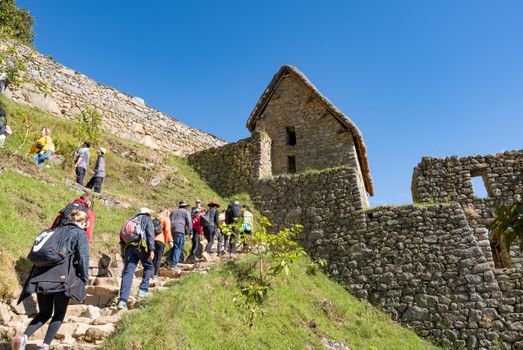
I stepped off the rattling local bus, the air suddenly thick with the scent of damp earth and something faintly floral, carried on a breeze that felt ancient. The midday sun, softened by a thin veil of mist, cast a diffused glow on the emerald-green mountains that rose like slumbering giants around me. There were no selfie sticks, no chattering tour groups, just the distant bleating of a llama and the gentle rustle of unseen life in the dense foliage. This was it. The place whispered about in hushed tones by seasoned travelers, the antidote to the overwhelming popularity of its famous cousin. I had found my own piece of Incan majesty, untouched and utterly serene.
Beyond the Postcard: Unveiling Peru's Secret Sanctuaries
For years, Machu Picchu has reigned supreme, a beacon for travelers seeking the pinnacle of Incan achievement. And rightly so – it’s breathtaking. But the sheer volume of visitors can, at times, overshadow the profound spiritual and historical resonance of this UNESCO World Heritage site. This year, the whispers are growing louder: there are other places. Places where you can still feel the hum of history, connect with the land, and experience the Andes in a way that feels deeply personal, not just a tick on a bucket list. These are the Machu Picchu alternatives emerging from the shadows, waiting to be discovered by the discerning traveler.
Choquequirao: The "Other" Machu Picchu
Let's talk about the undisputed heavyweight champion of Machu Picchu alternatives: Choquequirao. Often described as Machu Picchu's "sister city," this sprawling citadel clings precariously to a mountainside, offering a similarly dramatic setting with a fraction of the visitors. The journey itself is an adventure – a strenuous, multi-day trek that filters out all but the most dedicated. But oh, the rewards!
Pro-Tip:
The trek to Choquequirao is challenging. Pack light, hire a local guide (essential for navigation and cultural insights), and acclimatize in Cusco for at least two days beforehand. The descent into the valley and the subsequent climb are legendary, but the feeling of arriving at these silent ruins, with condors circling overhead, is unparalleled.
Kuelap: The Fortress of the Cloud Warriors
Venture north to the Amazonas region, and you'll discover Kuelap, the magnificent fortress of the Chachapoyas people, who predated the Incas. Perched atop a dramatic ridge, this ancient walled city is a testament to incredible engineering and resilience. Think massive stone walls, circular dwellings, and a sense of mystique that hangs heavy in the cool, cloud-kissed air.
Pro-Tip:
A cable car now whisks you most of the way up, significantly reducing the arduous hike. However, exploring the vast complex on foot is where the magic truly lies. Look for the intricate friezes and the sheer scale of the defensive walls. The nearby Gocta Waterfall, one of the world's tallest, makes for a spectacular addition to your itinerary.
Ollantaytambo: A Living Inca Town
While technically on the route to Machu Picchu, many travelers rush through Ollantaytambo, missing its profound charm. This is a truly living Inca town, with its original street plan and water channels still in use. The massive Inca fortress and temple complex overlooking the town is a marvel of stonework, and the surrounding terraces are breathtaking.
Pro-Tip:
Spend a night here. Wake up early before the day-trippers arrive and wander the cobblestone streets. Visit the Pinkuylluna storehouses for a different perspective on Inca ingenuity. The local markets are vibrant and offer a more authentic souvenir shopping experience than in Cusco.
Moray: The Inca's Agricultural Laboratory
Forget sterile museums; Moray is a living, breathing testament to Inca agricultural prowess. These concentric, circular terraces descend into the earth, creating microclimates that the Incas used to experiment with crops. The sheer ingenuity is mind-boggling, and the visual spectacle is unlike anything else.
Pro-Tip:
Combine a visit to Moray with the Maras Salt Mines. The stark white salt pans against the green valley are an otherworldly sight. Hire a local driver for the day; it’s the most efficient way to explore these sites from Cusco.
Pisac: Sun-Kissed Terraces and Artisan Soul
Pisac, another gem in the Sacred Valley, offers a potent blend of history and vibrant local culture. The Inca ruins, perched high above the valley, are spectacular, featuring intricate stonework and agricultural terraces that cascade down the mountainside. But it's the town's famous market that truly draws you in.
Pro-Tip:
Visit the Pisac market on a Tuesday, Thursday, or Sunday for the most authentic experience. Arrive early to explore the ruins before the crowds, then descend to the town to immerse yourself in the vibrant textile and craft scene. Practice your Spanish bargaining skills!
The Journey Beyond the Tourist Trail
Choosing an alternative doesn't mean sacrificing the grandeur of the Inca Empire. It means discovering a deeper, more intimate connection with Peru's rich history and breathtaking landscapes. These sites offer not just awe-inspiring ruins, but also the chance to engage with local communities, support sustainable tourism, and truly feel like an explorer.
Authenticity is in the Details
It's not just about the stones; it's about the stories they tell. When you stand before the precisely cut granite of Choquequirao, you're not just seeing a wall; you're marveling at the skill of artisans who worked without metal tools. You're imagining the lives of the people who lived, worshipped, and defended this sacred place. You're tasting the chicha – a fermented corn beverage – offered by a local elder, a drink that has sustained Andean communities for centuries. You're hearing the wind whistle through ancient doorways, carrying tales of empires and traditions. This is the essence of travel beyond the crowds.
Quick Facts: Your Crowd-Free Andean Adventure Planner
| Feature | Choquequirao | Kuelap | Ollantaytambo | Moray & Maras | Pisac |
|---|---|---|---|---|---|
| Estimated Cost ($) | $$$ (Trek permits, guides, gear) | $$ (Cable car, entrance fees) | $ (Entrance fee, local transport) | $ (Entrance fee, local transport) | $ (Entrance fee, market purchases) |
| Best Time to Visit | Dry season (May-October) | Dry season (May-October) | Year-round | Year-round | Year-round |
| How to Get There | Trek from Cachora (approx. 4-5 days round trip) | Flight to Jaén or Tarapoto, then bus/private transport | Train from Cusco/Ollantaytambo | Day trip from Cusco | Day trip from Cusco |
| Crowd Level | Very Low | Low | Moderate (day-trippers) | Low | Moderate (market days) |
| Key Experience | Challenging trek, remote ruins | Chachapoyas culture, dramatic fortress | Living Inca town, fortress | Inca agricultural innovation, salt mines | Inca ruins, vibrant market |
Logistics & Insider Tips for Your Escape
Navigating Peru beyond the well-trodden paths requires a bit of planning, but the rewards are immense.
Getting Around: Beyond the Tourist Buses
- Local Buses: For shorter distances between towns in the Sacred Valley, local buses are affordable and offer a glimpse into daily life. Be prepared for a more rustic experience.
- Taxis/Private Drivers: For exploring sites like Moray and Maras from Cusco, hiring a private driver for the day is efficient and can be surprisingly affordable, especially if you share the cost.
- Trekking Companies: For serious treks like Choquequirao, a reputable trekking company is highly recommended for logistics, safety, and permits.
- Trains: While the train to Aguas Calientes (for Machu Picchu) is iconic, consider exploring other regions where train travel is less common but equally rewarding for accessing remote areas.
Accommodation: From Homestays to Boutique Stays
- Homestays: In smaller villages near alternative sites, staying with local families offers an unparalleled cultural immersion.
- Guesthouses (Hospedajes): These offer basic, clean, and affordable accommodation in most towns.
- Boutique Hotels: As tourism grows in these areas, more comfortable and stylish boutique hotels are emerging.
Embracing the Local Flavor
- Food: Don't shy away from local markets and small picanterias. Try cuy (guinea pig) if you're adventurous, or stick to delicious staples like lomo saltado and aji de gallina.
- Language: While Spanish is widely spoken, learning a few basic Quechua phrases will be greatly appreciated by locals.
- Respect: Always ask permission before taking photos of people, and be mindful of local customs and traditions.
The Future of Andean Exploration
The allure of Machu Picchu is undeniable, but the world is vast, and the Andes hold countless other wonders. This year, as more travelers seek authentic experiences and a deeper connection with history and nature, these emerging alternatives are poised to capture the imagination. They offer a chance to step back in time, to breathe in the unadulterated magic of Peru, and to create memories that are truly your own. So, pack your sense of adventure, leave the crowds behind, and prepare to be utterly captivated.