The Hook: The Ghost of Gràcia
I stepped off the train at Estació de França and was immediately hit by the scent of toasted almonds and diesel—the classic Barcelona perfume. But as I fought my way through a sea of selfie sticks on the Passeig de Gràcia, I realized the magic had shifted. The soul of the city was being squeezed by its own success. I wanted the grit, the authentic late-night vermouths, and the feeling of discovering a secret. So, I packed my bags and went looking for the cities that feel like Barcelona did twenty years ago: vibrant, slightly chaotic, and fiercely local.
1. Valencia, Spain: The Heir Apparent
If Barcelona is the glamorous older sister who moved to the big city, Valencia is the cool younger sibling who stayed behind to start a craft brewery in a renovated silk factory. It has everything: a futuristic arts complex, a sprawling urban park in a diverted riverbed, and beaches that actually have room for your towel.
The Vibe:
It’s a seamless blend of Gothic mystery and "Blade Runner" futurism.
The Insider Secret:
Everyone flocks to the Ciudad de las Artes y las Ciencias for photos. It’s stunning, sure. But for the real Valencia, head to the Cabanyal neighborhood. It’s the old fisherman’s quarter. The houses are covered in crumbling, sun-bleached tiles.
* Pro-Tip: Look for a tiny tavern called Casa Montaña. The entrance is a literal hole-in-the-wall. Order the michaels (tiny beans) and the salted tuna. Don't ask for a menu; just let the bartender decide your fate.
2. Porto, Portugal: The Soulful Rival
While Lisbon gets the lion's share of the digital nomad crowd, Porto remains stubbornly, gloriously itself. It’s vertical, granite-heavy, and smells like woodsmoke and Atlantic brine.
The Vibe:
Romantic melancholy meets high-octane nightlife.
The Meat:
Porto’s Ribeira district is a UNESCO maze that rivals Barcelona’s Gothic Quarter, but with far more laundry hanging from balconies and fewer souvenir shops selling plastic bulls.
* Pro-Tip: Skip the "world's most beautiful bookstore" (Lello) unless you enjoy standing in line for two hours to see books you can't touch. Instead, cross the Luis I Bridge at sunset and head to the Jardim do Morro. Locals gather here with supermarket wine to watch the sun dip into the Douro. It’s the best free show in Europe.
* The Food: You haven't lived until you've tackled a Francesinha. It’s a sandwich stuffed with four types of meat, covered in melted cheese, and drowned in a spicy tomato-beer sauce. It’s a culinary dare, and it’s delicious.
3. Marseille, France: The Gritty Mediterranean Heart
For years, people told me Marseille was "too dangerous." They were wrong. It’s just "too real" for people who want their vacations sanitized. This is the oldest city in France, and it pulses with a North African heartbeat that makes it the most diverse, electric spot on the Mediterranean.
The Vibe:
High-fashion meets street-market chaos.
The Meat:
The Cours Julien district is the spiritual successor to Barcelona’s El Raval. Every square inch is covered in high-quality street art. It’s where the artists, the rebels, and the chefs hang out.
* Pro-Tip: Forget the overpriced bouillabaisse on the Vieux-Port. Walk 20 minutes to Chez Étienne in Le Panier. There is no phone, no reservations, and the owner might yell at you. Order the anchovy pizza and the fried squid. It is the purest expression of Marseille on a plate.
4. Palermo, Sicily: The Wild Card
If you love the sensory overload of Barcelona’s La Boqueria, Palermo’s markets will make you weep with joy. This city is a beautiful, decaying palace. It’s loud, it’s dusty, and the food is arguably the best in the world.
The Vibe:
Baroque grandeur meets chaotic street life.
The Meat:
Walking through Palermo feels like moving through a film set. The architecture is a dizzying mix of Arab, Norman, and Spanish influences.
* Pro-Tip: The "hidden entrance" to the best view in the city is through the Monastery of Santa Caterina. For a few euros, you can climb to the roof. You’ll be eye-level with the dome of the Pretoria Fountain, with the sea shimmering in the distance.
* The Logistics: Palermo is incredibly affordable. You can eat like a king for €20 a day if you stick to the street food (panelle, arancine, and sfincione).
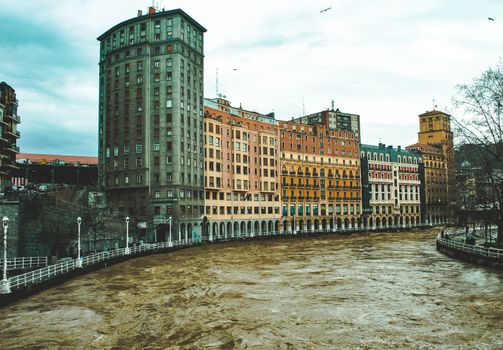
5. Bilbao, Spain: The Northern Powerhouse
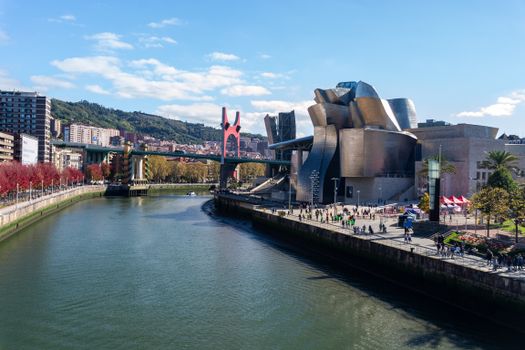
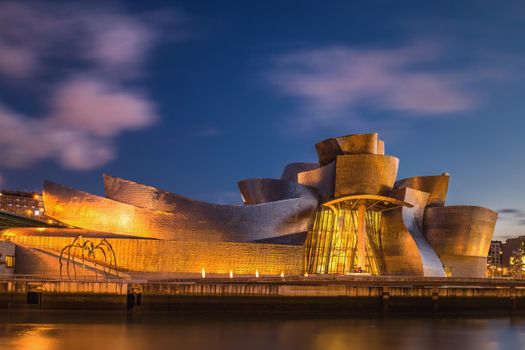
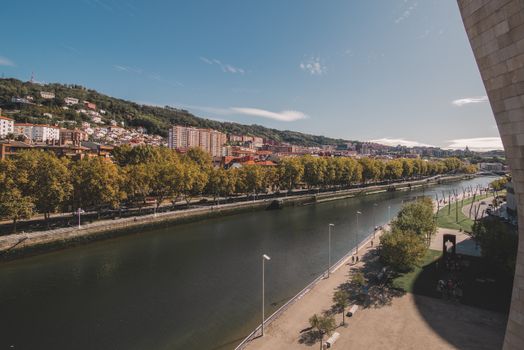
While Barcelona looks to the Mediterranean, Bilbao looks to the rugged Bay of Biscay. Since the Guggenheim opened, this city has transformed from an industrial hub into a design mecca.
The Vibe:
Intellectual, rainy-day chic, and obsessed with gastronomy.
The Meat:
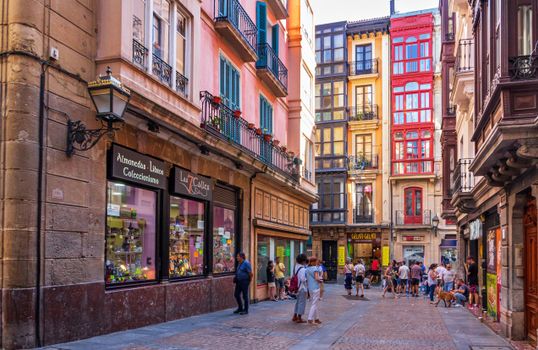
The Casco Viejo (Old Town) is a series of "Seven Streets" that house some of the best bars in Spain. But instead of tapas, you have Pintxos. These are miniature culinary masterpieces held together by a toothpick.
* Pro-Tip: To do a pintxos crawl like a local, never stay in one bar for more than one drink and one snack. At Gure Toki, order the "egg with potatoes and truffle." It’s served in a tiny glass and will change your life.
* The Secret Spot: Take the Artxanda Funicular at 7 PM. You get a panoramic view of the titanium-clad Guggenheim as the city lights flicker on. It’s the "Barcelona view" without the crowds of Bunkers del Carmel.
The Budget & Logistics: Comparison Table
| City | Vibe | Est. Daily Budget ($) | Best Time to Visit | How to Get There |
| :--- | :--- | :--- | :--- | :--- |
| Valencia | Sunny, Modern | $70 - $100 | March (Las Fallas) or Sept | High-speed train from Madrid (1.5 hrs) |
| Porto | Soulful, Historic | $60 - $90 | May - June | Direct flights to OPO |
| Marseille | Gritty, Vibrant | $80 - $120 | June or September | TGV from Paris (3 hrs) |
| Palermo | Chaotic, Ancient | $50 - $80 | April - May | Flight to PMO or ferry from Naples |
| Bilbao | Artsy, Green | $90 - $130 | September - October | Direct flights to BIO or bus from San Sebastian |
Authenticity: Why These Cities?
We are living in an era of "copy-paste" tourism. You can go to a brunch cafe in Barcelona and find the exact same avocado toast and neon sign that you found in London or New York. The cities listed above haven't been fully "Instagram-optimized" yet.
In Valencia, you’ll still see grandmothers buying artichokes at the Mercat Central with a fierce intensity. In Marseille, you’ll hear five different languages before you finish your first espresso. In Palermo, the "monuments" are often crumbling, but the life inside them is more vibrant than any polished museum.
Final Expert Pro-Tip:
When you visit these cities, don't just look for the "Barcelona equivalent." Don't look for the "Gaudí of Porto." Look for what makes that city unique. Look for the salt-crusted tiles, the smell of frying chickpeas, and the sound of a language you don't quite recognize. That’s where the magic is hiding.
---