The Silence of the Stone: Why I Stopped Going to Machu Picchu
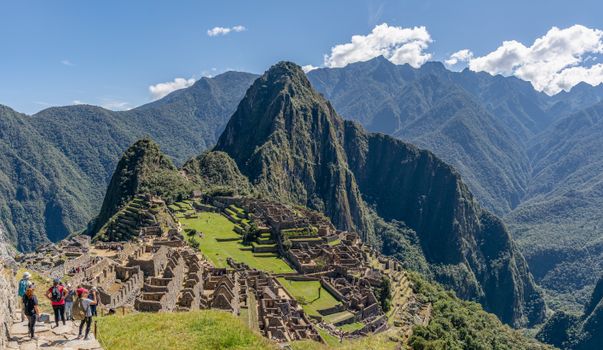
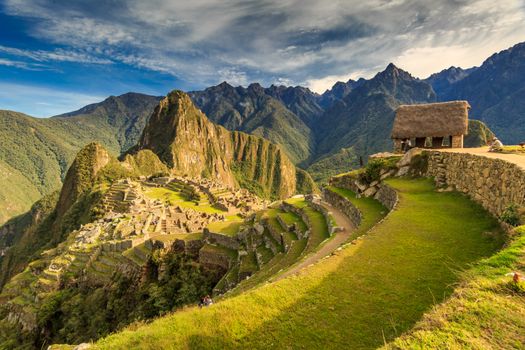
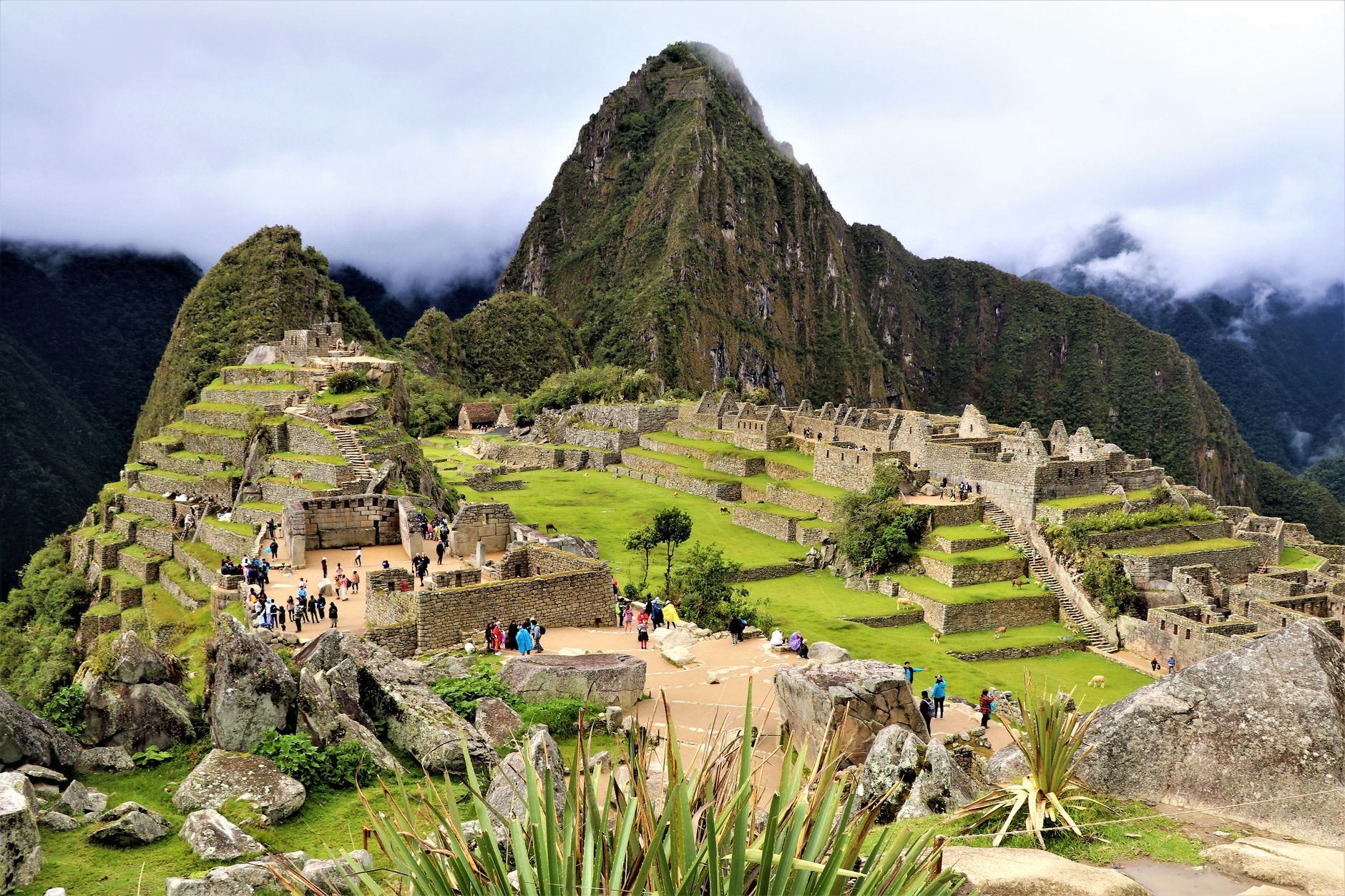
I stepped off the train in Aguas Calientes and was immediately hit by a wall of humidity and the frantic waving of laminated menus. The "Lost City of the Incas" didn't feel very lost. It felt like a theme park. I realized then that while the Citadel is a masterpiece, the magic of the Andes has been diluted by timed entry slots and selfie sticks.
Two weeks later, I found myself standing on a narrow ridge at Waqrapukara. The wind whipped through the "horns" of the rock formation, smelling of dry ichu grass and distant rain. There wasn't another soul for miles. No whistle-blowing guards, no ropes, just me and a thousand years of history carved into the limestone.
If you want to feel the visceral power of the Inca, you have to look beyond the postcard. Here are the definitive Machu Picchu alternatives without the crowds right now.
---
1. Choquequirao: The "Sister City" That Requires Grit
If Machu Picchu is the refined older sister, Choquequirao is the rebellious sibling who moved to the wilderness. Located at 3,050 meters, this site is nearly three times the size of Machu Picchu, yet it receives fewer than 50 visitors a day. Why? Because you can’t take a train here. You have to earn it.
The architecture is stunning, featuring the famous "Llamas of the Sun"—white stone mosaics built into the agricultural terraces. Standing in the main plaza, surrounded by 360-degree views of the Apurímac Canyon, you realize that only 30% of this site has been excavated. You are literally walking on undiscovered history.
- The Vibe: Raw, exhausting, and profoundly spiritual.
- Pro-Tip: Don't rush the descent into the canyon. The heat at the bottom (Playa Rosalina) is intense; cross the bridge before 9 AM to avoid the midday sun on the climb back up.
2. Kuelap: The Fortress in the Clouds
While the Incas were dominating the south, the Chachapoyas (the "Cloud Warriors") were building a massive limestone city in the north. Kuelap is older than Machu Picchu and sits atop a mountain ridge at 3,000 meters.
The walls are 20 meters high, enclosing over 400 circular stone houses decorated with geometric friezes. Unlike the sharp angles of Incan masonry, Kuelap feels organic and ancient. Thanks to a relatively new cable car system, it’s accessible, yet it remains blissfully ignored by the "Gringo Trail" crowds.
- The Vibe: Mystical, foggy, and architecturally unique.
- Pro-Tip: Base yourself in the town of Chachapoyas and try the Puru-Macho (local coffee) before heading out. The humidity here hits differently than the dry Cusco air.
3. Waqrapukara: The Horned Fortress
This is the "coolest" site you’ve never heard of. Waqrapukara is perched on a massive rock outcrop that looks like a pair of horns rising from the Apurímac River canyon. It’s a triple-threat: a fortress, an astronomical observatory, and a temple.
The hike in is a high-altitude dream. You’ll pass alpine lakes and wild horses before the "horns" appear on the horizon. Because it’s a four-hour drive from Cusco and requires a serious hike, the only people you’ll see are local shepherds.
- The Vibe: Epic, cinematic, and slightly intimidating.
- Insider Language: Look for the pukaras (fortifications) along the ridge. The masonry here uses a "double-jamb" doorway style reserved only for the highest-ranking elite.
4. Tipón: The Masterclass in Hydraulic Engineering
If you’re in the Sacred Valley and want a break from the crowds at Pisac, head to Tipón. This isn't just a ruin; it’s a functioning 500-year-old water garden. The Incas diverted a natural spring into a series of perfectly leveled stone channels and fountains that still flow today.
The sound of rushing water against the backdrop of red-soiled terraces is meditative. It’s one of the few places where you can truly appreciate the Incan obsession with harmony between nature and engineering.
- The Vibe: Peaceful, lush, and intellectually stimulating.
- Pro-Tip: Visit on a Sunday. The nearby town of Tipón is famous for cuy (guinea pig). It’s a local culinary pilgrimage.
5. Vitcos & Yurak Rumi: The Last Stronghold
For the history buffs, this is the holy grail. After the Spanish took Cusco, Manco Inca retreated to the jungle. Vitcos was his palace, and Yurak Rumi (The White Rock) was his most sacred shrine—a massive, intricately carved granite boulder sitting in a clearing.
When I visited, the only sound was the wind in the trees and the distant roar of the Vilcabamba River. There are no ticket booths here. You just walk into the past.
- The Vibe: Melancholic, haunting, and deeply authentic.
- How to get there: It’s a long haul from Cusco to Huancacalle. Stay in a local guest house and hire a mule driver to take you up to the pass.
---
Quick Facts & Logistics
| Destination | Difficulty | Est. Cost (USD) | Best Time to Visit | How to Get There |
| :--- | :--- | :--- | :--- | :--- |
| Choquequirao | Hard (4-day trek) | $300 - $500 | May - Sept | Trek from Cachora |
| Kuelap | Easy (Cable Car) | $50 - $80 | May - Oct | Flight to Chachapoyas |
| Waqrapukara | Moderate | $70 - $120 | April - Nov | Day trip from Cusco |
| Tipón | Very Easy | $20 - $40 | Year-round | 45 min taxi from Cusco |
| Vitcos | Moderate | $150 - $250 | June - Aug | Bus/Colectivo to Huancacalle |
---
The Budget Breakdown: Doing It Right
Traveling to these alternatives is often cheaper than the $500+ you’ll spend on the Machu Picchu/Inca Trail circuit, but the costs shift from "luxury trains" to "logistical puzzles."
- Transport: Avoid private tours if you speak basic Spanish. Colectivos (shared vans) are your best friend. A ride from Cusco to the start of the Choquequirao trail costs about $10, compared to a $200 private transfer.
- Gear: If you're doing Choquequirao or Waqrapukara, don't skimp on boots. The Andean shale is unforgiving. Renting gear in Cusco is easy; look for shops on Calle Procuradores.
- Food: Eat where the locals eat. A menu del dia (soup, main, and drink) in Chachapoyas or Cachora will set you back about $3.50.
Final Thoughts: The Luxury of Solitude
We live in an era where "hidden gems" are usually just places with slightly shorter lines. But in the high Andes, true solitude still exists. It requires a bit more sweat, a bit more planning, and a willingness to leave the Wi-Fi behind.
When you stand on the terraces of Choquequirao as the sun sets, and there isn't a single blue-and-yellow train in sight, you’ll realize that the real "Lost City" was never about the stones—it was about the silence.
---