The Hook: The $200 Mistake I Never Made Again
I stepped off the ferry at Kuah Jetty, and the first thing that hit me wasn’t the tropical humidity of Malaysia—it was the scent of expensive dark chocolate and aged Islay scotch. But here’s the kicker: the price tags were missing the one thing that usually makes me wince—the tax.
I watched a traveler next to me shell out nearly $300 for a luxury watch he could have grabbed for $190 just ten minutes down the road inside the duty-free zone. He didn't know he was standing in a Special Economic Zone (SEZ). I did.
As a travel journalist, I’ve spent a decade chasing "Economic zones with special tourist privileges travel advisors suggest." These aren't just boring business districts; they are geographical loopholes designed to lure you in with massive discounts, waived visas, and infrastructure that feels ten years ahead of the mainland. If you aren't traveling to these zones, you are quite literally leaving money on the table.
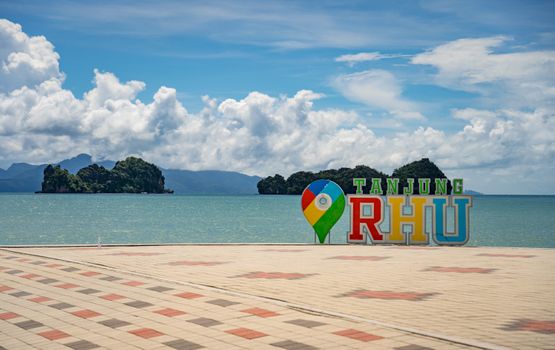
1. Langkawi, Malaysia: The Duty-Free Archipelago
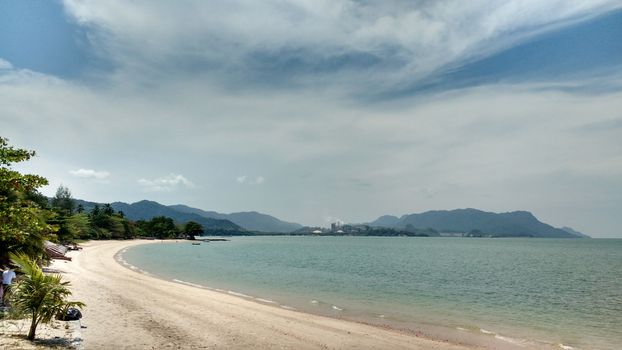
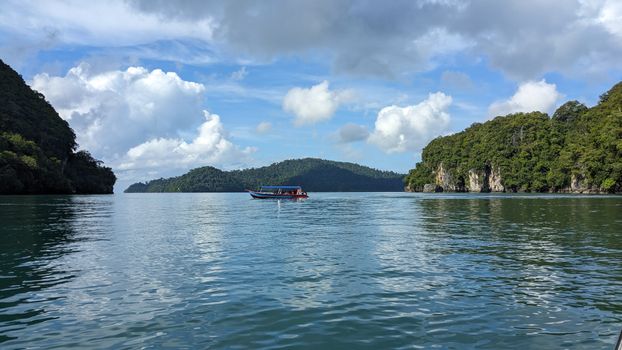
Most people go to Malaysia for the street food in Penang or the skyscrapers of KL. But the "real" insiders head to Langkawi. Since 1987, this 99-island archipelago has held "Duty-Free" status, making it a playground for luxury seekers.
The Privilege: Tax-Free Everything
In Langkawi, alcohol, tobacco, chocolate, and high-end kitchenware are exempt from import duties. While mainland Malaysia has some of the highest alcohol taxes in Southeast Asia, here, a cold Tiger beer costs less than a bottle of sparkling water.
The Insider Vibe
Beyond the shopping, the "privilege" extends to the infrastructure. The roads are impeccably maintained because of the zone's wealth.
* Pro-Tip: Head to Teow Soon Huat Duty-Free in Kuah. It looks like a standard mall, but the basement level is where the local expats buy high-end European cheeses and wines at 40% off mainland prices.
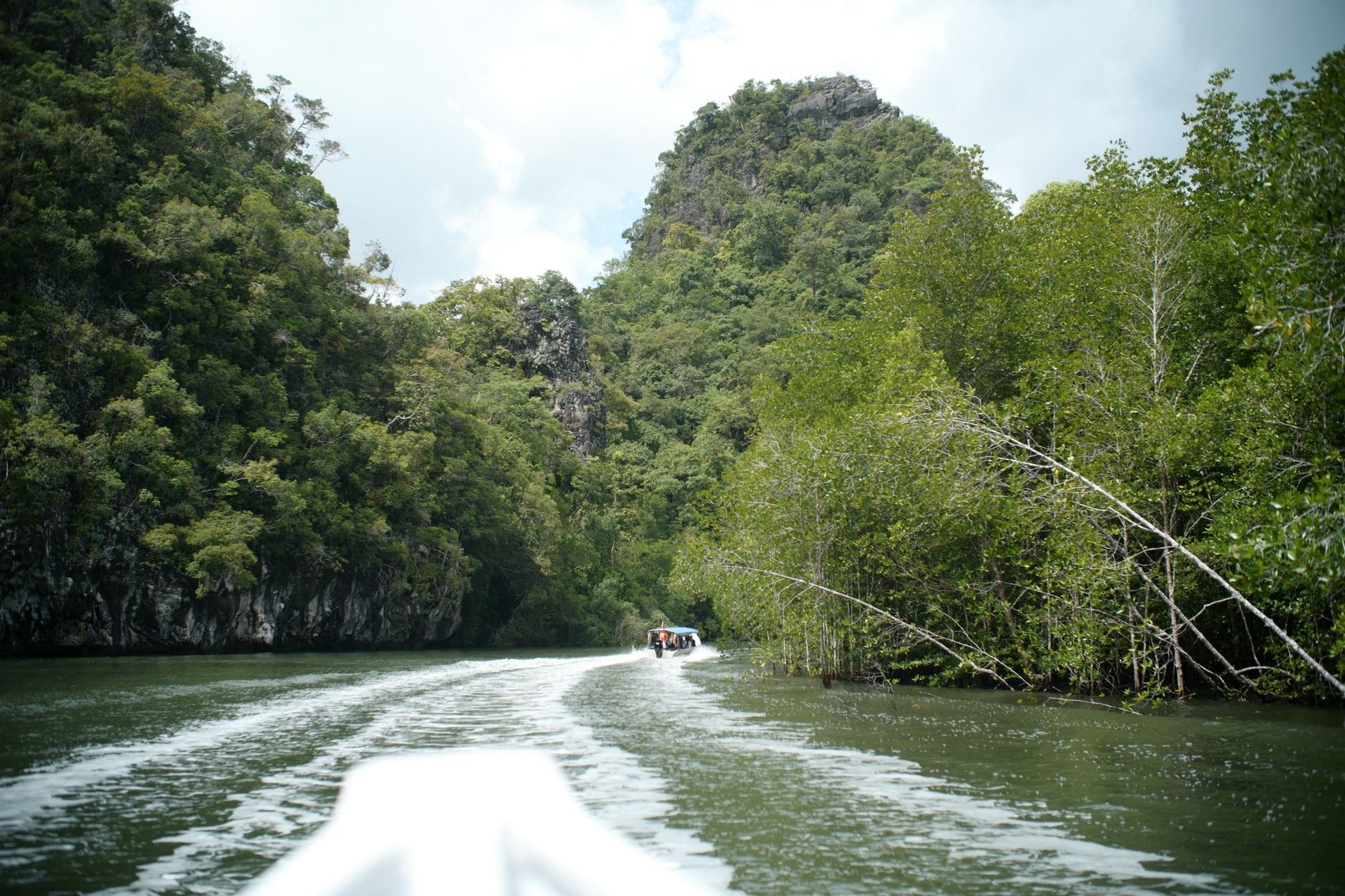
* The Hidden Entrance: To see the "real" Langkawi, skip the main beach and find the small dirt path behind the Bon Ton Resort. It leads to a private lagoon that feels like a million-dollar estate, accessible only because the land is protected under the zone’s unique environmental laws.
2. Jeju Island, South Korea: The "No-Visa" Volcanic Haven
Jeju is South Korea’s "Special Self-Governing Province." It operates under a completely different set of rules than Seoul. For years, travel advisors have suggested Jeju as the ultimate "backdoor" into Korean culture.
The Privilege: Visa-Free Entry
The biggest draw? Most nationalities that require a visa for mainland South Korea can enter Jeju visa-free for up to 30 days. It was designed to turn the island into a "Free International City."
The Luxury Hack
Because it’s an SEZ, Jeju is home to Jungmun Resort, a specialized tourist zone where the hotels (like The Shilla) offer "JDC Duty-Free" shops specifically for domestic and international travelers. You can buy a Chanel bag and have it delivered directly to your departure gate.
* Pro-Tip: Visit the Haenyeo (Sea Women) Kitchen at 7:30 AM. These legendary free-divers catch abalone without oxygen tanks. Because of the zone’s cultural preservation grants, you get a 5-star meal for the price of a burger.
3. Hainan, China: The "Hawaii of the East" with a $15k Allowance
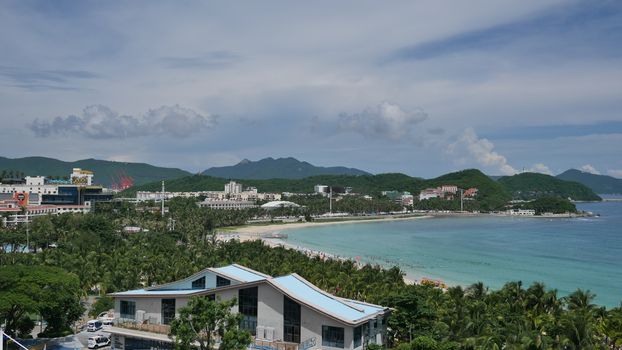
If you think you know China, you haven't been to Sanya on Hainan Island. This is China’s most ambitious SEZ project, and the tourist privileges are staggering.
The Privilege: The World’s Largest Duty-Free Mall
International travelers (and even domestic ones) are granted a whopping 100,000 RMB (~$15,000 USD) annual tax-free shopping quota. The cdf Mall in Haitang Bay is an architectural marvel that looks like a futuristic lotus flower and houses every brand from Gucci to Hermès at prices that rival Paris.
Logistics of the Zone
Hainan recently implemented a 30-day visa-free policy for 59 countries, including the US, UK, and Australia. You don't even need to visit an embassy; you just book a flight.
* Pro-Tip: Use the high-speed loop train that circles the entire island. It’s subsidized by the SEZ budget, meaning you can traverse the whole province for less than $20 in a seat that feels like first-class on an airplane.
4. The Canary Islands, Spain: Europe’s "Low-Tax" Sunshine
While mainland Spain grapples with high VAT (IVA), the Canary Islands (Tenerife, Gran Canaria, etc.) enjoy a "Special Economic and Tax Zone" status due to their remote location.
The Privilege: The 7% IGIC
Instead of the standard 21% VAT found in Madrid or Barcelona, the Canaries use the IGIC (Impuesto General Indirecto Canario), which is usually just 7%. This applies to everything: rental cars, high-end dinners, and electronics.
The Advisor’s Secret
Travel advisors suggest the Canaries not just for the sun, but for the ZEC (Canary Islands Special Zone) benefits that attract high-end boutique hotels. You get luxury service because the hotels pay a mere 4% corporate tax, allowing them to reinvest in "over-the-top" amenities.
* Pro-Tip: Buy your high-end perfumes and cameras here. Look for shops with the "ZEC" certification in Santa Cruz de Tenerife for the most aggressive discounts.
5. Labuan, Malaysia: The Forgotten Financial Pearl
While Langkawi gets the fame, Labuan is the "International Business and Financial Centre." It’s an island off the coast of Borneo that functions as an offshore tax haven.
The Privilege: Deep-Sea Savings
Because it’s a federal territory and a free port, Labuan is the cheapest place in Asia to buy imported vehicles and luxury watches. For the traveler, this means 5-star hotels like the Dorsett Grand are often priced at 60% less than equivalent properties in Singapore.
Authenticity Check
Labuan isn't polished like Singapore. It’s raw. You’ll see billionaire yachts docked next to traditional water villages (Kampung Air).
* Pro-Tip: Rent a scooter and head to the Peace Park. The roads are eerily quiet because the island’s economy is focused on "wealth management," not "crowd management." You’ll have the white sand beaches entirely to yourself.
Quick Facts: Comparing the Zones
| Destination | Primary Privilege | Estimated Daily Cost (Mid-Range) | Best Time to Visit | How to Get There |
| :--- | :--- | :--- | :--- | :--- |
| Langkawi | 0% Duty on Alcohol/Luxury | $60 - $90 | Jan - March | Flight from KL or Ferry from Penang |
| Jeju Island | Visa-Free Entry / Tax-Free | $100 - $150 | April (Cherry Blossoms) | Direct flight to CJU |
| Hainan | $15k Shopping Quota | $120 - $200 | Nov - February | Direct flight to Sanya (SYX) |
| Canary Islands | 7% IGIC (Low VAT) | $80 - $130 | Year-round | Flight from London/Madrid |
| Labuan | Offshore Prices / Cheap 5-Star | $50 - $80 | May - September | Flight from Kota Kinabalu |
The Logistics: How to Navigate an SEZ Like a Pro
Traveling to an economic zone requires a slightly different mindset than a standard vacation. Here is the "Advisor’s Checklist":
- Passport Power: Always carry a physical copy of your passport. To claim the "tourist privilege" in shops, merchants often need to log your entry stamp into the SEZ database.
- The "Exit Tax" Myth: Some people fear they’ll be taxed when they leave the zone. Generally, as long as you are moving to another international destination (or staying under your home country's import limits), you are golden.
- Currency Play: In zones like Labuan or Hainan, use local digital wallets (like AliPay or GrabPay). These zones are often the testing grounds for "cashless" economies and offer extra discounts for digital payments.
Why Travel Advisors Love These Zones
I asked a top-tier advisor in London why she steers her "High-Net-Worth" clients toward these zones. Her answer was simple: "Infrastructure."
Special Economic Zones are the darlings of their respective governments. They receive the most funding for airports, the cleanest beaches, and the fastest internet. When you visit an SEZ, you aren't just getting a discount; you are getting the "Beta Version" of a country’s future.
Whether it's the sleek boardwalks of Sanya or the pristine nature reserves of Jeju, these zones offer a level of "curated" safety and luxury that the mainland often struggles to provide.
Final Thought
The next time you’re looking at a map, don't just look for cities. Look for the "dotted lines" that signify a Special Economic Zone. Your wallet—and your sense of adventure—will thank you. I’m currently writing this from a balcony in Langkawi, sipping a vintage Bordeaux that cost me less than a latte in London. That is the power of the zone.
---