The Mirage Becomes Concrete: Why the Desert Is Travel's Next High-End Frontier
I stepped off the charter plane onto the tarmac at AlUla’s airport, and the dry, mineral scent of baked sandstone hit me before the ambient heat even registered. It wasn't the suffocating, humid air of the Mediterranean coast in July, nor was it the sterile chill of an alpine resort. It smelled of wild thyme, sun-scorched earth, and ancient iron deposits. Ten years ago, landing here meant enduring basic tents, dusty four-wheel-drives, and lukewarm bottled water.
Tonight? A private villa with a cantilevered infinity pool cut directly into a 2,000-year-old canyon wall awaited me, complete with a personal stargazing astronomer and a multi-course dinner prepared over fragrant acacia wood.
The luxury travel landscape has fundamentally shifted. Affluent travelers are tired of the crowded canals of Venice, the over-touristed cliffs of Amalfi, and the interchangeable five-star beachfronts of the Caribbean. They want silence, raw geological drama, and architectural masterstrokes that respect their environment.
Leading luxury travel advisors are watching this unfold in real time: ancient oases and forgotten trading hubs are evolving into the most exclusive sanctuaries on Earth. Here are the five desert cities transforming into luxury destinations travel advisors suggest you book before the rest of the world catches on.
---
1. AlUla, Saudi Arabia: The Living Museum Turned Ultra-Luxury Hub
For centuries, AlUla existed in relative geopolitical isolation—a critical stop along the ancient Incense Route, carved with monumental Nabataean tombs that rival Jordan’s Petra, but completely closed to international leisure travelers. Today, billions of dollars of visionary, low-impact investment have turned this hyper-arid valley into the Middle East’s most ambitious cultural and luxury project.
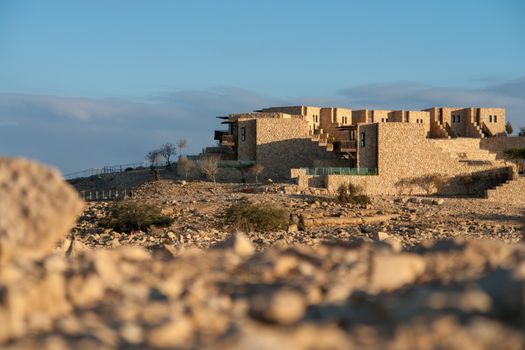
Instead of erecting garish high-rises, developers engaged starchitects to design low-slung, rammed-earth properties that camouflage completely into the rust-colored canyons. The presence of international luxury pioneers like Banyan Tree and Habitas—with properties from Aman and The Chedi currently in the pipeline—has firmly anchored AlUla on the elite travel radar.
The vibe here isn't Dubai-style excess; it’s cerebral, contemplative indulgence. You spend your morning wandering through Hegra alongside a private royal historian, exploring 111 monumental tombs without another soul in sight. By afternoon, you’re indulging in sound-bath therapy inside an acoustic canyon amphitheater.
- The Pro-Tip: Skip the standard canyon tours and book a sunrise horseback ride through the hidden date-palm groves of the AlUla Oasis, ending at the mirrored marvel of Maraya—the world’s largest reflective building. To enter the rooftop restaurant (Maraya Social by Jason Atherton), ask your concierge for the discreet west-side VIP security clearance 48 hours in advance to bypass the main security checkpoint.
- The Architecture: Adobe mud-brick restorations combined with sustainable canvas, weathered brass accents, and mirrored glass facades that reflect the ancient desert back onto itself.
---
2. San Pedro de Atacama, Chile: High-Altitude Avant-Garde Minimalism
Perched at 8,000 feet above sea level in the world's driest non-polar desert, San Pedro de Atacama spent decades serving as a backpacker waypoint for intrepid hikers crossing into the Bolivian salt flats. It was rugged, dusty, and stripped of comfort.
That script has been torn up. Elite travel designers now treat San Pedro de Atacama as South America’s premier luxury wellness and celestial outpost. The attraction lies in its stark, Mars-like geography: steaming geyser fields at dawn, blazing white salt crusts populated by wild flamingos, and moonscapes that see fewer than three millimeters of rain per year.
Pioneering retreats like Nayara Alto Atacama and Explora Atacama have set a new benchmark for off-the-grid design. These properties don't isolate you from the elements; they use passive solar heating, local adobe clays, and native volcanic stone to integrate you directly into the landscape, serving rare vintage Carménère wines beside private plunge pools heated by geothermal energy.
- The Pro-Tip: The Atacama sky holds the clearest atmospheric visibility on Earth, which is why international observatories like ALMA are based here. Skip the public group telescope tours in town. Instead, stay at Nayara Alto Atacama, which features an in-house open-air observatory equipped with a professional-grade computerized telescope operated by an astrophysicist who serves locally infused rica-rica herb pisco sours while you chart Saturn’s rings.
- The Culinary Edge: Dining isn't imported hotel fare; it’s hyper-local Andean gastronomy featuring chañar syrup reductions, smoked llama carpaccio, and purple potato purée grown in high-altitude indigenous micro-terraces.
---
3. Scottsdale & Paradise Valley, Arizona: The Sonoran Spa Metamorphosis
Scottsdale used to be pigeonholed as a sleepy winter retreat for midwestern retirees and die-hard golfers. Over the past four years, however, the Sonoran Desert surrounding Scottsdale and Paradise Valley has undergone an aggressive, billion-dollar design and wellness renaissance.
Architects have abandoned faux-Tuscan stucco mansions in favor of modernist desert-brutalist compounds, cantilevered steel pavilions, and biophilic glass structures that frame Camelback Mountain. High-net-worth advisors now book high-burnout tech founders and creative directors into deep-immersion wellness resorts that blur the line between contemporary art galleries and restorative sanctuaries.
Resorts like Ambiente, A Landscape Hotel (in nearby Sedona) and the meticulously reimagined Sanctuary Camelback Mountain, A Gurney’s Resort & Spa have completely reframed the conversation. It’s no longer about hitting 18 holes before early-bird prime rib; it’s about hot-and-cold contrast plunge therapies, native botanical body wraps using wild desert chaparral, and cellar selections featuring biodynamic Arizona vintages.
- The Pro-Tip: Don't book standard room categories. Reserve an individual atrium cube at Ambiente, where private rooftop decks come equipped with star-reflecting daybeds. For the best culinary experience, secure a chef’s counter seat at FnB in Downtown Scottsdale weeks in advance, where James Beard Award-winner Charleen Badman turns locally foraged saguaro seeds and native tepary beans into culinary poetry.
- Insider Access: Request a private guided dawn scramble up the Cholla Trail at Camelback Mountain with a local conservationist before the trail opens to the general morning crowd at sunrise.
---
4. Jaisalmer, India: The Golden Fortress Enters the Era of Opulent Glamping
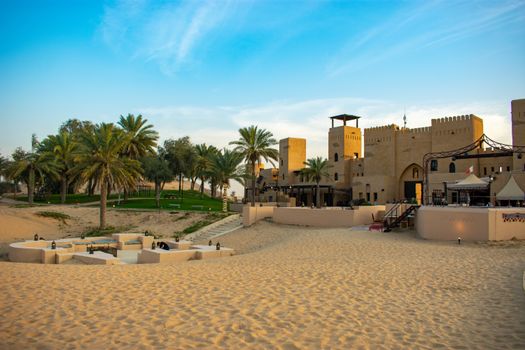
Rising like a fever-dream mirage from the Thar Desert of Rajasthan, Jaisalmer has long captured the imagination with its yellow-sandstone fortress—a living, breathing citadel where a quarter of the old city's population still resides. For years, travelers tolerated rough-and-ready transport and mediocre desert camps just to catch a glimpse of the shifting dunes.
Now, top-tier experiential travel advisors are steering their discerning clients here to experience the pinnacle of aristocratic Rajasthani hospitality. Jaisalmer has become the epicenter of hyper-luxe mobile and permanent desert camps that recall the migratory royal hunting retinues of the 16th-century Maharajas.
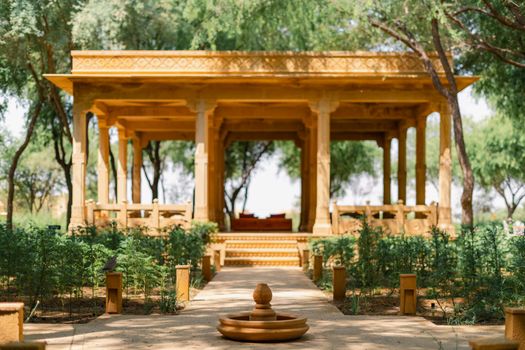
Properties like The Serai by SUJÁN have elevated desert luxury to an art form. Spread over 100 acres of indigenous scrubland, its massive tented suites feature white hand-woven canvas, sunken step-well plunge pools, and private dining pavilions illuminated by hundreds of brass oil lamps (diyas). You fall asleep to the distant calls of desert foxes and wake to the scent of sandalwood, frankincense, and cardamon-steeped chai brought to your private verandah.
- The Pro-Tip: Avoid the heavily commercialized camel rides at the Sam Sand Dunes, which are overrun with tour buses and dune buggies. Have your luxury lodge arrange a private camel safari to the isolated Bada Bagh ruins at golden hour, followed by private musicians performing classic Manganiyar folk melodies under the raw Thar night sky.
- The Scent Profile: Pure Royal Attar—rosewater distilled in copper stills, smoky vetiver, and rain-soaked earth (mitti attar).
---
5. Siwa Oasis, Egypt: Radical Off-Grid Elegance in the Western Great Sand Sea
Located nearly 350 miles west of Cairo, near the Libyan border, Siwa Oasis was historically one of the most inaccessible inhabited places in North Africa. Alexander the Great marched across brutal desert wastes just to consult the Oracle of Amun here.
While Egypt’s Red Sea coast and Nile corridors became dense with mass tourism, Siwa remained isolated—protecting its unique Amazigh (Berber) culture, olive groves, and striking turquoise salt lakes. Recently, however, it has emerged as the definitive desert address for the ultra-wealthy seeking total digital disconnection paired with radical luxury.
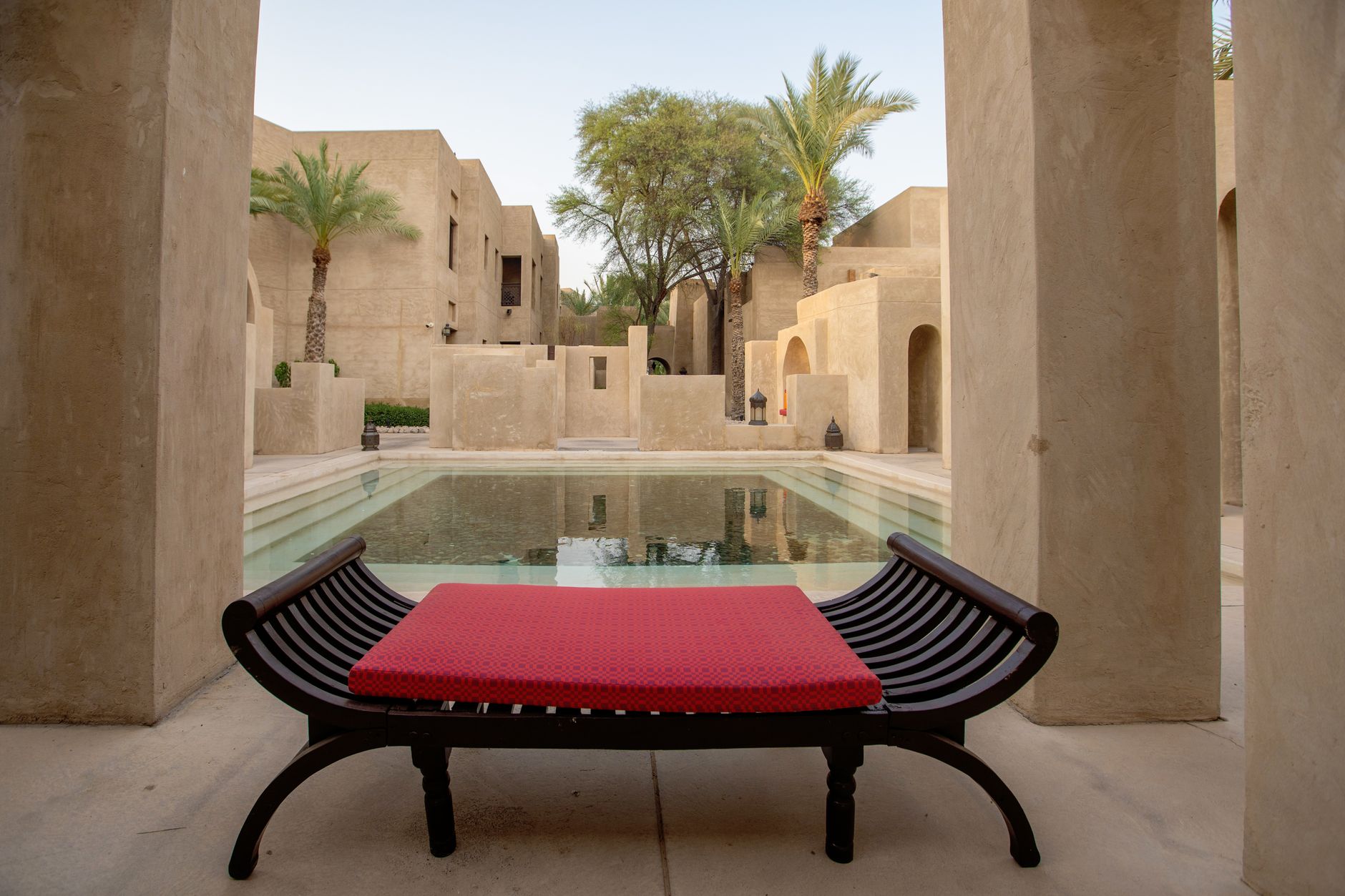
The hospitality revolution here centers on Adrère Amellal, a legendary eco-lodge constructed out of karsheef—a traditional local mixture of sun-dried rock salt, sand, and clay. The resort operates entirely without electricity. There are no power outlets, no televisions, and no artificial ambient light. At night, hundreds of beeswax candles illuminate hand-carved salt crystal beds, while open braziers warm open-air courtyards.
This is raw, elemental luxury: floating effortlessly in natural hypersaline pools that rival the Dead Sea, eating biodynamic dates and pomegranates harvested from centuries-old groves, and traversing the soaring dunes of the Great Sand Sea via private, vintage Land Cruisers.
- The Pro-Tip: Wear dark swimsuits when floating in the desert salt springs; the dense, hyper-saline mineral content will leave a blindingly white crust on fabric that ruins delicate, light-colored designer swimwear.
- The Logistics Trick: Skip the grueling 9-hour desert drive from Cairo. Private jet charters can now land directly at the military-controlled Siwa Oasis Airport, provided your luxury tour operator files for security clearances at least 30 days prior.
---
Desert Logistics & Insider Investment Index
Planning high-end travel to fragile, hyper-arid environments requires meticulous timing and logistical care. Use this cheat-sheet to plan your route:
| Destination | Best Travel Window | Estimated Daily Cost (Ultra-Luxe) | Ideal Arrival Route |
| :--- | :--- | :--- | :--- |
| AlUla, Saudi Arabia | Oct – April (Crisp nights, warm days) | $1,800 – $3,500+ | Direct flight to AlUla International (ULH) from Dubai, Riyadh, or Paris |
| San Pedro de Atacama, Chile | Sept – Nov / March – May | $1,400 – $2,800+ | Flight to Calama (CJC) via Santiago, followed by a 1-hour private luxury transfer |
| Scottsdale, Arizona, USA | Nov – April (Avoid summer scorch) | $900 – $2,200+ | Phoenix Sky Harbor (PHX) or Scottsdale Executive Airport (SDL) for private charters |
| Jaisalmer, India | Oct – March (Desert winter) | $1,200 – $2,600+ | Domestic connection into Jaisalmer Airport (JSA) or private charter from New Delhi/Jaipur |
| Siwa Oasis, Egypt | Oct – April | $1,500 – $3,000+ | Private turbo-prop charter to Siwa Military Strip, or private chauffeur from Marsa Matruh |
---
The New Golden Rule of Luxury Desert Travel
The common thread uniting these five desert cities is a dramatic shift in how luxury is defined. The modern high-end traveler no longer wants gold-plated bathroom fixtures, sterile marble lobbies, and manicured lawns forced into the sand with millions of gallons of diverted water.
Real luxury in the modern world is silence. It is the absence of light pollution. It is an unvarnished horizon, ancient stones untouched by modern noise, and low-density retreats that tread lightly on their surrounding ecosystems.
These desert sanctuaries have transformed not by paving over their rugged landscapes, but by framing them as the ultimate scarce resource. If you want to experience the quiet grandeur of the world's most evocative wildernesses with zero compromise on comfort, listen to what the world’s top travel advisors are whispering: pack your linen, leave your laptop behind, and head deep into the sand.
*