The Mud-on-Your-Boots Culinary Revolution
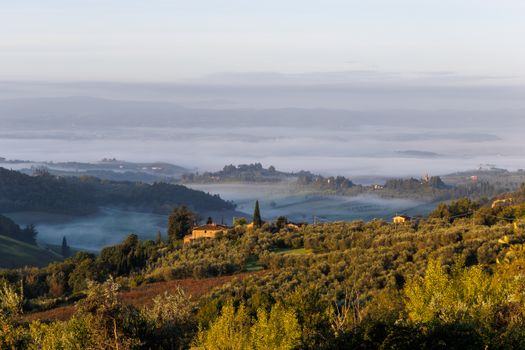
I stepped off the regional train at Chiusi-Chianciano Terme, and the heavy aroma of wild rosemary and damp clay hit me instantly. My hands were still stained with the ink of travel documents, but within two hours, they would be covered in the rich, volcanic soil of the Val d'Orcia. I wasn't here to look at art; I was here to dig up my dinner.
For decades, luxury travel meant sitting passively while a white-gloved waiter placed a perfectly manicured plate in front of you. But something has shifted. The ultimate luxury today is connection—knowing the exact coordinates of your food, feeling the snap of a pea pod fresh off the vine, and smelling the woodsmoke of the fire you helped build.
If you are tired of sterile dining rooms and "farm-to-table" marketing speak that ends at the kitchen door, this guide is for you. These are five world-class farm stays where you don't just eat the harvest—you sweat for it, pick it, and cook it right now.
---
1. The Tuscan Pioneer: Podere Il Casale (Pienza, Italy)
```
Location: Pienza, Tuscany, Italy
Vibe: Rustic, raw, and unapologetically traditional
Key Harvest: Raw milk Pecorino, white truffles, and heirloom Sangiovese grapes
```
The Scent of Raw Sheep's Milk and Woodsmoke
Perched on a clay hill overlooking the UNESCO-protected Val d'Orcia, Podere Il Casale is not your average sanitized Tuscan villa. Run by Sandra and Ulisse, two Swiss expats who traded city life for farming over thirty years ago, this is a gritty, working organic farm.
When you stay here, your alarm clock is the bleating of 150 sheep and goats. Your morning starts in the dairy, learning the precise art of curdling raw milk to make Pecorino. By afternoon, you are out in the olive groves or hunting for truffles under the roots of ancient oak trees with their lagotto romagnolo dogs.
The Harvest-to-Plate Experience
In the late afternoon, you gather in the outdoor kitchen. Under Sandra’s sharp but warm tutelage, you will roll out handmade pici pasta, using farm-fresh eggs with yolks so orange they look painted. You’ll toss them with wild fennel gathered from the farm’s edges and shave your freshly dug truffles over the top.
- Pro-Tip: Skip the main gravel road when arriving. There is a steep, unmarked dirt track behind the blue wooden gate on the west side of the property that leads directly to the goat pasture. Go there at 5:00 PM to watch the evening milking—the farm hands will let you try it if you ask nicely.
- The Architecture: The main house is a 15th-century stone farmhouse built from local travertine. The walls are thick, keeping the rooms cool without air conditioning, and the floors are laid with reclaimed terracotta tiles that feel cool under bare feet.
---
2. Volcanic Bounty: O'o Farm (Kula, Maui, Hawaii)
```
Location: Slopes of Haleakala, Maui, Hawaii
Vibe: Mist-shrouded, tropical highland paradise
Key Harvest: Kula onions, yellow tree tomatoes, and biodynamic Red Caturra coffee
```
Upcountry Maui’s Best-Kept Secret
Most tourists head to Maui for the beaches, but the real magic is happening 3,000 feet above sea level in the mist-shrouded hills of Kula. Here, the volcanic soil is so fertile that plants seem to grow overnight. O'o Farm is an 8.5-acre biodynamic paradise that supplies some of the island’s best restaurants—but the best way to experience it is by staying in one of their nearby partner cabins and spending your days working the land.
The air up here is crisp, smelling of eucalyptus, damp earth, and roasting coffee. You’ll start your morning harvesting heirloom chard, edible flowers, and giant Kula onions that are so sweet you can eat them like apples.
The Wood-Fired Feast
The farm’s centerpiece is an outdoor wood-fired kitchen. After harvesting your basket of greens, roots, and citrus, you’ll work alongside Chef Anela to prep the wood-fired oven. The menu changes daily based on what is ripe. You might roast wood-fired root vegetables seasoned with native Hawaiian sea salt, or sear fresh-caught fish wrapped in ti leaves you harvested yourself.
- Pro-Tip: The farm’s coffee orchard is home to some rare, shade-grown varietals. Ask the head roaster for a taste of the "peaberry" roast—it’s not always on the public tasting menu, but it’s the smoothest cup of coffee on the Hawaiian islands.
- Insider Detail: Wear sturdy, closed-toe boots. The volcanic soil (known locally as Kula loam) is incredibly fine and will stain lightweight sneakers permanently red.
---
3. Andean Ancestral Cooking: El Albergue Ollantaytambo (Sacred Valley, Peru)
```
Location: Ollantaytambo, Sacred Valley, Peru
Vibe: Historic, mystical, and deeply rooted in Inca tradition
Key Harvest: Purple corn (Maiz Morado), native Huayro potatoes, and huacatay (Andean black mint)
```
Living History by the Train Tracks
Located right next to the historic train station that leads to Machu Picchu, El Albergue is an organic farm and lodge that has been operating since 1976. The farm is entirely organic and still uses traditional Incan farming techniques, including foot plows (chakitaklla) pulled by oxen.
Walking through the fields here is a sensory overload. The towering peaks of the Andes frame the valley, and the air is thin, dry, and scented with burning eucalyptus leaves.
The Pachamanca Experience
The signature culinary experience here is the Pachamanca—an ancient Andean feast cooked underground. You will head into the fields to harvest native potatoes, Andean corn, and huacatay (a pungent wild mint).
Meanwhile, a fire is built over local river stones. Once the stones are white-hot, the food—including marinated meats and your freshly harvested vegetables—is layered over the stones, covered with banana leaves and damp earth, and left to cook underground.
- Pro-Tip: Visit the farm’s on-site micro-distillery, Destilería Andina, located at the back of the property. They make a high-proof spirit called Caña Alta from local sugar cane. Ask for a pour infused with wild mountain herbs.
- Logistics Note: Because Ollantaytambo is at 9,160 feet (2,792 meters), pace yourself during the harvest. The physical labor of digging potatoes at this altitude will hit you faster than you think.
---
4. The Pacific Northwest Dream: Our Table Cooperative (Sherwood, Oregon)
```
Location: Sherwood, Oregon, USA
Vibe: Community-driven, modern, and highly sustainable
Key Harvest: Marionberries, Lacinato kale, and pasture-raised chicken eggs
```
Biodynamic Brilliance in the Willamette Valley
Just a 30-minute drive from Portland, Our Table Cooperative is a 58-acre biodynamic farm that feels a world away from the city. This is a multi-stakeholder cooperative where workers, producers, and consumers own the farm together.
The farm is designed as a closed-loop ecosystem. The soil is treated with biodynamic preparations (like fermented cow manure buried in oak horns), resulting in some of the most nutrient-dense, flavorful produce in the Pacific Northwest.
The Harvest Experience
Guests can stay in nearby partner farmhouses and spend their days participating in the farm's seasonal rhythm. In the summer, you’ll pick juicy marionberries and heirloom tomatoes that taste like sunshine. In the fall, you’ll harvest winter squash and wild mushrooms from the wooded edges of the property.
- Pro-Tip: Friday nights are "Pizza Nights" on the farm during summer. The farm’s mobile wood-fired pizza oven is fired up, and you can top your own sourdough crusts with ingredients you picked just hours earlier. Book your spot at least three weeks in advance—they limit entries to keep the vibe intimate.
- The Soil Detail: Ask the farmers to show you the "prep 500" pit. It’s a fascinating, almost mystical look into how biodynamic farming works to restore soil health without chemical fertilizers.
---
5. Nordic Wild Foraging: Stedsans in the Woods (Halland, Sweden)
```
Location: Bohult, Halland, Sweden
Vibe: Minimalist, wild, and deeply connected to nature
Key Harvest: Chanterelle mushrooms, wild blueberries, and fresh lake trout
```
The Off-Grid Sanctuary
Stedsans in the Woods is not a traditional farm with neat rows of crops. It is a permaculture project and off-grid retreat located deep in the pristine forests of southern Sweden. Founded by Danish restaurateurs Mette Helbæk and Flemming Hansen, this site is a masterclass in living in harmony with nature.
Guests stay in minimalist wood cabins with glass walls overlooking a tranquil lake. There is no electricity in the cabins; light comes from candles, and warmth comes from wood stoves.
The Forage-and-Feast Ritual
Here, the harvest is wild. You will spend your afternoons foraging with Flemming through the pine forests, searching for golden chanterelles, wild lingonberries, and wood sorrel. You might also pull fresh trout from the lake or harvest greens from the floating permaculture garden.
Dinner is cooked entirely over open fires in a giant glasshouse kitchen by the water. The food is rustic yet incredibly sophisticated—think wild mushrooms sautéed in butter over birch coals, served on rough wooden boards.
- Pro-Tip: Bring high-quality, waterproof hiking boots. The Swedish forest floor is boggy and wet, and the best chanterelles always grow in the dampest, hardest-to-reach moss beds.
- The Floating Sauna: Before dinner, head to the wood-fired floating sauna on the lake. Alternating between the hot sauna and a plunge into the icy lake water is the ultimate Swedish ritual to wake up your palate.
---
The Harvest Traveler’s Directory: Budget & Logistics
To help you plan your journey, here is a quick-reference guide to these five elite culinary farm stays.
| Farm Stay | Nearest Airport | Best Season to Visit | Est. Cost per Night ($) | Star Harvest Item |
| :--- | :--- | :--- | :--- | :--- |
| Podere Il Casale (Italy) | Florence (FLR) or Rome (FCO) | September – November (Truffles & Wine) | $$ ($180 - $250) | Raw Milk Pecorino & Truffles |
| O'o Farm (Hawaii) | Kahului Airport (OGG) | Year-round (Highland climate) | $$$ ($300 - $450) | Kula Onions & Biodynamic Coffee |
| El Albergue (Peru) | Cusco (CUZ) | May – October (Dry season) | $ ($100 - $150) | Native Potatoes & Purple Corn |
| Our Table Cooperative (Oregon) | Portland (PDX) | June – September (Berry season) | $$ ($150 - $220) | Marionberries & Lacinato Kale |
| Stedsans in the Woods (Sweden) | Gothenburg (GOT) | July – September (Mushroom season) | $$$$ ($400 - $600) | Chanterelles & Wild Blueberries |
Note on Cost: $ = Budget-friendly (<$150); $$ = Mid-range ($150-$250); $$$ = Premium ($250-$450); $$$$ = Ultra-luxury/All-inclusive ($450+).
---
The Golden Rules of Harvest Travel
Before you pack your bags and head out to get your hands dirty, keep these three essential rules of agritourism in mind:
- Respect the Farm's Rhythm: Working farms do not run on tourist time. If the farmer says milking starts at 5:30 AM, show up at 5:25 AM. Showing up late is not just rude—it disrupts the animal care schedules.
- Pack for Utility, Not Instagram: While these locations are incredibly photogenic, leave the delicate fabrics and white sneakers at home. You need heavy-duty denim, breathable linen, wide-brimmed hats, and boots that can handle mud, animal waste, and sharp thorns.
- Ask Before You Pick: Even on "harvest your own dinner" stays, some fields or plants may be resting, treated with specific organic preparations, or reserved for seed saving. Always wait for a guide or farmer to greenlight a row before you start picking.
There is a profound joy in eating food that still has the warmth of the sun and the dust of the earth on it. These farm stays offer more than just a bed for the night; they offer a return to the basics of human connection through food. Book your stay, pack your boots, and get ready to taste the world as it was meant to be experienced.
---