The Moment Travel Changed: High-Tide in Desolation Sound
I stepped off the inflatable Zodiac and immediately felt the slick wetness of crushed mussel shells under my leather boots. The air in British Columbia’s Desolation Sound doesn't just fill your lungs—it hits you with a punch of cold ocean spray, damp red-cedar resin, and the rich, woodsy perfume of alder smoke hanging low over the inlet.
There was no glossy hotel check-in desk here. No rehearsed, corporate welcome drink. Instead, Klahoose host Chris Lewis met us at the edge of the granite slipway, nodding toward a carved cedar post standing quietly against a backdrop of ancient Douglas firs.
"This land has sustained our people for over 10,000 years," Chris told us, his voice crisp against the lap of the tide. "When you stay here, you aren't paying a multinational conglomerate for a room key. You’re funding the language school down the channel. You're funding our marine monitoring boats."
That moment encapsulates the sea change happening across global travel. For decades, traditional tourism extracted value from Indigenous lands, offering locals low-wage hospitality jobs while offshore parent companies collected 90% of the booking margins. Today, elite travel advisors are putting their foot down. They are actively diverting high-net-worth itineraries toward Indigenous tourism with profit-sharing models travel advisors suggest—ventures built on strict equity-sharing, full band ownership, or legally binding Community Benefit Agreements (CBAs).
If you want your travel dollars to act as force multipliers for land stewardship and cultural preservation, these are the destinations, operators, and vetting framework you need to know.
---
What Does True Indigenous Profit-Sharing Actually Look Like?
Before booking, you need to understand the financial mechanics. Travel advisors categorize equity-focused Indigenous tourism into three distinct operational tiers:
```
+-------------------------------------------------------------------------------+
| INDIGENOUS FINANCIAL TIERS |
+-------------------------------------------------------------------------------+
| TIER 1: 100% TRIBAL / BAND OWNERSHIP |
| Land, infrastructure, and operating capital are held entirely by the tribe. |
| 100% of net dividends fund local healthcare, education, and land defense. |
+-------------------------------------------------------------------------------+
| TIER 2: MAJORITY JOINT VENTURE (51/49 MODEL) |
| Private operators manage logistics/marketing; First Nation holds >51% equity |
| and retains final veto power over land access and cultural intellectual prop.|
+-------------------------------------------------------------------------------+
| TIER 3: LEASE & REVENUE-SHARE ROYALTY AGREEMENTS |
| Operator pays fixed land-lease royalties + per-guest revenue percentage directly |
| to the community council, coupled with mandatory local employment quotas. |
+-------------------------------------------------------------------------------+
```
Avoid operators using vague terminology like "cultural celebration" or "supporting local artisans" without backing it up with hard numbers. True equity means legal ownership or direct revenue cuts.
---
1. Klahoose Wilderness Resort (Desolation Sound, British Columbia, Canada)
The Business Model: 100% First Nation Owned
Tucked deep within the glacial fjords of Homfray Channel, Klahoose Wilderness Resort is entirely owned by the Klahoose First Nation. Purchased in 2020, this off-grid eco-lodge acts as an economic driver for the nation while maintaining absolute stewardship over their ancestral waters.
```
┌───────────────────────────────┐
│ Klahoose Wilderness Resort │
│ (100% Band Ownership) │
└───────────────┬───────────────┘
│
┌───────────────────────┴───────────────────────┐
▼ ▼
┌───────────────────────┐ ┌───────────────────────┐
│ Net Resort Dividends │ │ Marine Monitoring & │
│ -> Community Health │ │ Salmon Restoration │
│ -> Language Revital. │ │ -> Guarding Fjords │
└───────────────────────┘ └───────────────────────┘
```
The Experience
You arrive via floatplane, banking low over snow-dusted coastal mountains before skimming across aqua-green waters. Guests stay in cedar-clad cabins where grizzly bears roam the shoreline during autumn salmon runs. Days are spent slipping through silent inlets on boat safaris, led by Klahoose guides who decode the ancient rock paintings (pictographs) visible only at low tide.
- Advisor Insider Tip: Book the September–October window. Not only is the grizzly activity at its peak in Toba Inlet, but you will also participate in salmon counting efforts led by Klahoose fisheries technicians.
- Tactical Access: Take the 35-minute floatplane hop from Campbell River (YBL) directly to the resort dock. Avoid long ferry combos if you're operating on a tight schedule.
---
2. Kapawi Eco-Lodge (Pastaza Province, Ecuadorian Amazon)
The Business Model: Transferred 100% to the Achuar Nation
Kapawi represents one of the most famous success stories in regenerative tourism history. Originally built in 1995 by a private Ecuadorian tour company through a $2 million investment, the agreement stipulated that after 15 years of operational training, the entire lodge infrastructure and business would be handed over to the Achuar Indigenous Nation. In 2011, that transfer occurred. Today, it is managed entirely by the Achuar, with 100% of profits remaining in the territory.
```
1995: Private Capital Investment + Built Lodge
│
▼ (15-Year Operational & Management Training)
2011: Complete Asset & Infrastructure Transfer
│
▼
Present Day: 100% Achuar Owned & Operated (Zero Foreign Stakeholders)
```
The Experience
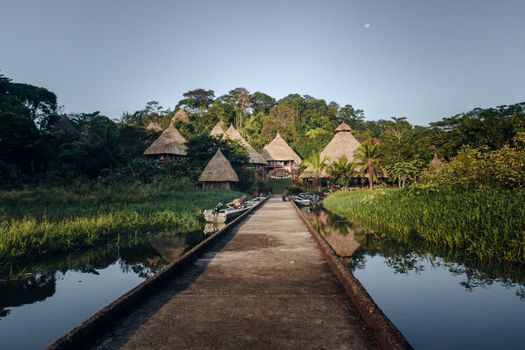
Getting here is half the journey. You fly in a light, single-engine aircraft over an unbroken ocean of green canopy before touching down on a clay landing strip at Capahuari. There are no roads within thousands of square miles.
At Kapawi, you fall asleep to a deafening symphony of tree frogs and awaken at 4:00 AM to join the Achuar elders in the Wayusa tea ceremony, interpreting dreams before the sun clears the rainforest floor.
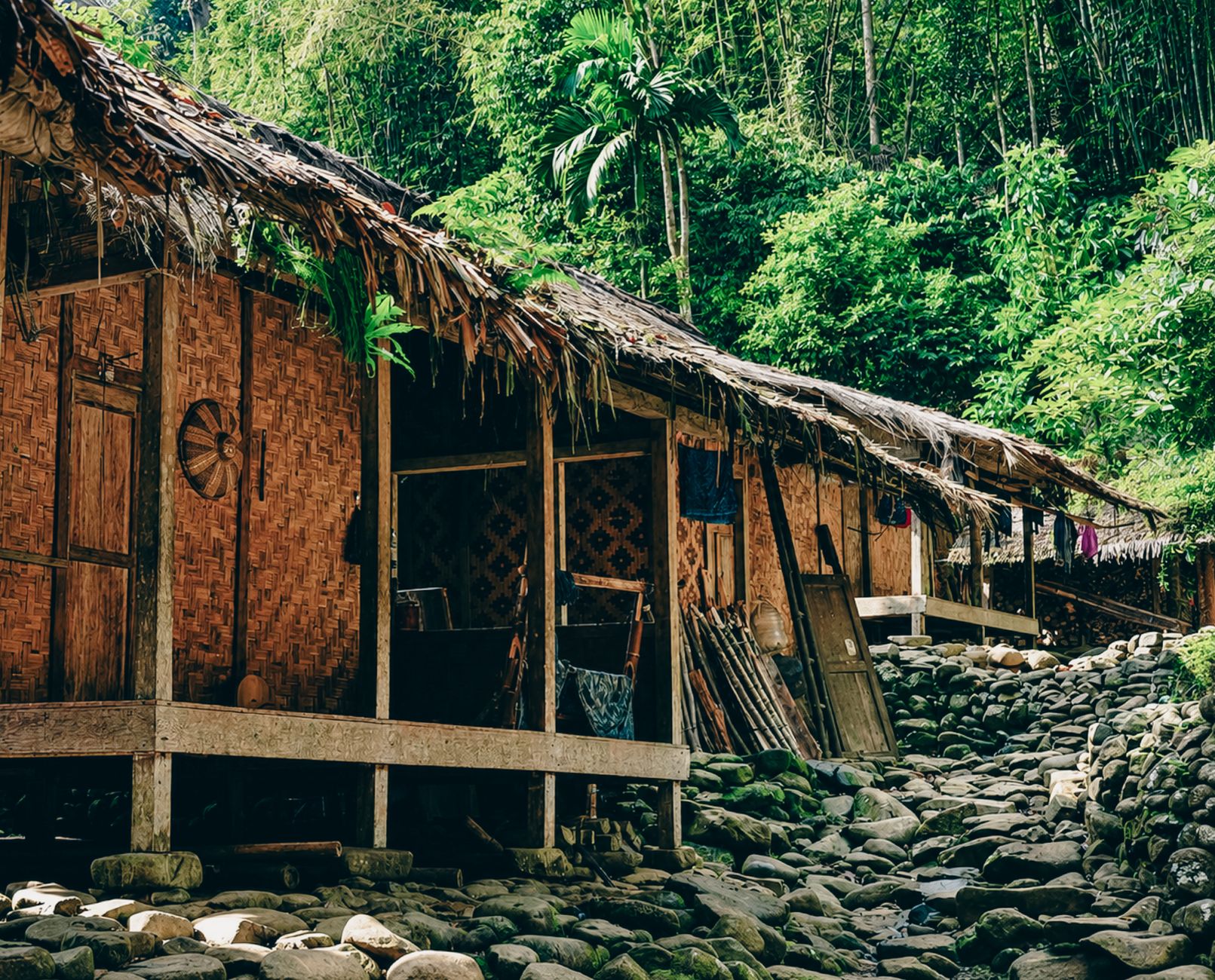
- Authenticity Check: The lodge architecture uses zero nails; every post of local palm wood is hand-bound with forest vines, following traditional Achuar construction geometry designed to catch tropical cross-breezes without air conditioning.
- Advisor Insider Tip: Bring high-grade dry bags (20L minimum) for your cameras and glass. The humidity here hovers above 90%, and standard backpacks will soak through during dugout canoe excursions along the Capahuari River.
---
3. Tierra Atacama & Lickanantay Co-Management (San Pedro de Atacama, Chile)
The Business Model: Land Lease & Indigenous Water-Right Protections
Operating in the world’s driest non-polar desert requires absolute respect for water sovereignty. Tierra Atacama operates under a strict partnership with the local Lickanantay (Atacameño) community of San Pedro. Rather than depleting precious desert aquifers, the lodge operates its own water treatment and reverse-osmosis desalination plant while paying land-lease dividends directly into the local agricultural collective.
The Experience
Set against the backdrop of the Licancabur Volcano, the lodge features adobe-brick architecture that echoes the centuries-old pukaras (fortresses) scattered across the salt flats.
Lickanantay guides lead guests through private sunrise treks across the Moon Valley, sharing oral histories of trade routes that crossed the Andes long before Spanish arrival.
- Pro-Tip: Skip the crowded afternoon tours to Valle de la Luna. Request a private 6:30 AM departure with a Lickanantay guide through the lodge concierge to access the salt domes before commercial tour buses arrive from Calama.
---
4. Maruku Arts & Uluru-Kata Tjuta (Northern Territory, Australia)
The Business Model: Direct National Park Profit-Share & Artist Ownership
Uluru is owned by the Anangu people and leased back to Parks Australia. Under this arrangement:
- 25% of all park entry fees go straight to the Anangu traditional owners.
- Cultural tours and art workshops are run by Maruku Arts, a regional Indigenous-owned art collective representing over 900 Anangu artists across 20 remote desert communities.
```
┌──────────────────────────────────────────────┐
│ Uluru-Kata Tjuta Park Revenue │
└──────────────────────┬───────────────────────┘
│
┌───────────────────────┴───────────────────────┐
▼ ▼
┌───────────────────────────┐ ┌───────────────────────────┐
│ 25% Direct Dividend to │ │ 100% Artist-Owned │
│ Anangu Traditional Owners │ │ Maruku Arts Collective │
└───────────────────────────┘ └───────────────────────────┘
```
The Experience
Instead of simply taking photos of the monolith from a distance, travelers join Anangu artists under the shade of desert oaks to learn dot painting techniques and the Tjukurpa (creation stories and traditional law) that govern the Central Desert.
You learn how to hunt for maku (witchetty grubs) and forge ironwood tools using traditional burnishing methods.
- Logistics Tip: Book your Maruku dot-painting workshop at least 6 weeks in advance during the Southern Hemisphere winter (May–August), as daily slot sizes are strictly capped to prevent cultural burnout among elders.
---
The Travel Advisor Vetting Blueprint: How to Avoid "Redwashed" Tourism
Not every trip advertised as "authentic" passes the ethical test. "Redwashing"—the practice of using Indigenous imagery, art, or surface-level partnerships to sell tours while retaining corporate control—is rampant.
Top luxury travel advisors use this exact 5-point checklist before listing an operator on a client’s itinerary:
```
┌─────────────────────────────────────────┐
│ THE ADVISOR VETTING FRAMEWORK │
└────────────────────┬────────────────────┘
│
┌────────────────────────────────┼────────────────────────────────┐
▼ ▼ ▼
[1. GOVERNANCE] [2. PAY EQUITY] [3. INTELLECTUAL PROP.]
Does the Tribe/Band Are native guides paid Are stories and cultural
hold board seats or at equal expert rates knowledge shared with
veto authority? vs. foreign staff? written community consent?
│ │ │
└────────────────────────────────┼────────────────────────────────┘
│
┌────────────────┴────────────────┐
▼ ▼
[4. BENEFIT %] [5. LAND RIGHTS]
Is there a clear, Does the lodge operate
auditable % returned on unceded land with an
to community funds? active treaty/lease?
```
Key Questions to Ask Your Agent or Tour Company:
1. "What percentage of the night rate stays within the local Indigenous community bank accounts?" (Look for concrete numbers, not vague promises).
2. "Are the cultural guides members of the local traditional community, or are they seasonal outside staff?"
3. "Who holds the land title or water rights where the lodge is built?"
---
Quick Facts & Travel Planning Logistics
Plan your high-impact journey with this streamlined logistics summary:
| Destination | Best Time to Visit | Est. Nightly Cost ($USD) | How to Get There | Primary Equity Structure |
| :--- | :--- | :--- | :--- | :--- |
| Klahoose Wilderness Resort (Canada) | May – October | $1,200 – $1,800 (All-Inclusive) | Floatplane from Campbell River (YBL) or private water taxi from Lund, BC. | 100% Band Owned (Klahoose First Nation) |
| Kapawi Eco-Lodge (Ecuador) | Year-Round (Drier: Dec–Mar) | $450 – $700 (All-Inclusive) | Flight from Shell/Puyo airfield via small aircraft directly to Capahuari strip. | 100% Transferred Ownership (Achuar Nation) |
| Tierra Atacama (Chile) | September – May | $1,100 – $1,600 (All-Inclusive) | Fly to Calama (CJC), followed by a 75-minute lodge van transfer to San Pedro. | Joint Water-Rights & Land Lease Royalties |
| Maruku Arts / Uluru (Australia) | May – September | $150 – $350 (Workshop/Tours) | Direct flights to Ayers Rock Airport (AYQ) from Sydney, Melbourne, or Alice Springs. | 25% National Park Royalty Split + 100% Artist Ownership |
---
How to Book These Experiences Responsibly
If you are ready to plan a trip that balances luxury, immersion, and real financial equity, take these steps:
- Work with Specialist Travel Advisors: Look for advisors affiliated with networks like VIRTUOSO or ASTA who hold certifications in regenerative tourism or explicitly partner with organizations like the Indigenous Tourism Association of Canada (ITAC) or the World Indigenous Tourism Alliance (WINTA).
- Respect Photography Protocols: Many sacred sites—such as specific rock paintings at Uluru or ceremonial houses in the Amazon—are protected under traditional law. Always ask your guide before pulling out a camera or phone.
- Buy Direct From Artisans: Skip airport souvenir shops. Purchase woven baskets, carvings, and paintings directly from community art centers like Maruku Arts or village co-ops where 100% of the sale goes to the creator.
True luxury in travel is no longer about thread count or butler service—it’s about access, integrity, and impact. When you choose Indigenous tourism built on profit-sharing models, you don't just return home with unforgettable memories; you leave behind lasting economic strength for the guardians of the world's most pristine environments.
---