The Frontier Just Got a Whole Lot Closer
I stepped off the electric train into the humid night air of Vang Vieng, Laotian karst mountains silhouetted against a lilac sky. My watch read 8:14 PM. Just two years ago, reaching this jagged limestone paradise required an agonizing, eight-hour ordeal in a suspensionless minibus, bouncing over potholed mountain tracks while breathing in diesel fumes and kicked-up red clay. Tonight? I made the journey from Luang Prabang in fifty-two silent, air-conditioned minutes.
We are living through a quiet golden age of travel access. Across the globe, colossal engineering feats—modern high-speed rail lines, deep-mountain highway tunnels, and upgraded island ferries—are cutting travel times from grueling multi-day slogs down to mere hours. Destinations that travel advisors once reserved for hardy, backpack-toting adventurers are suddenly open to luxury seekers, families, and time-strapped explorers.
I spoke with top luxury travel designers and tested these routes myself. Here are the five newly accessible regions travel advisors suggest you book right now, before the rest of the world catches on.
---
1. Oaxaca’s Pacific Coast, Mexico: The Highway That Shook the Coast
For decades, getting from the culinary capital of Oaxaca City to the Pacific surf breaks of Puerto Escondido meant braving Route 175—a stomach-churning six-to-seven-hour odyssey across switchback mountain passes notorious for motion sickness and rockslides.
That all changed with the full opening of the Barranca Larga-Ventanilla Highway.
```
OLD WAY: 6.5 - 7 Hours (Dangerous Mountain Hairpins)
NEW WAY: 2.5 Hours (Modern Toll Highway)
```
This long-awaited infrastructure marvel cuts directly through the Sierra Madre del Sur via two tunnels and ten viaducts. What used to be a full, wasted day of travel is now a brisk two-and-a-half-hour drive through sweeping alpine-to-coastal landscapes.
The On-The-Ground Vibe
You leave Oaxaca City after an early morning breakfast of tasajo and rich, dark mole negro. Before lunch, you are standing on the sun-baked sands of Punta Zicatela, smelling wood-fired snapper and ozone rolling off ten-foot Pacific swells. The accessibility shift has allowed travel advisors to create seamless multi-stop itineraries combining Oaxaca’s high-culture art scene with the relaxed, barefoot-luxury eco-resorts of Mazunte and San Agustinillo.
- Pro-Tip: Skip the public buses and hire a private driver via local outfitters in Oaxaca City. Ask them to pull off at the Miahuatlán transit station to buy fresh, hot tlayudas packed with stringy quesillo cheese from street vendors before speeding straight to the coast.
---
2. The Northern Hinterlands of Laos: Asia’s New High-Speed Arterial
For decades, inland Laos remained the ultimate Southeast Asian speedbump. Battered asphalt, monsoon mudslides, and winding river transit meant moving between the capital of Vientiane, the eco-hub of Vang Vieng, and the UNESCO-listed city of Luang Prabang took days of endurance travel.
Enter the Boten–Vientiane Railway (LCR), a modern electrified railway that slices straight through the country's northern jungle spine via dozens of mountain tunnels and soaring bridges.
```
OLD WAY: 12 Hours by Bumpy Bus (Vientiane to Luang Prabang)
NEW WAY: 2 Hours 50 Minutes (160 km/h High-Speed Train)
```
What Has Changed
Regions that were once logistical nightmares are now effortless morning rides. Travelers can spend the morning watching the saffron-robed monks receive alms in Luang Prabang, board a sleek 160 km/h train at noon, and spend the afternoon kayaking past the sheer emerald cliff faces of Vang Vieng or venturing further north into the uncharted mountain markets of Oudomxay near the Chinese border.
The Sensory Reality
Inside the modern carriages, the air smells faintly of cold green tea and crisp conditioning. Outside the double-paned glass, wild banana leaves and mist-shrouded limestone towers flash past like scenes from an oil painting.
- Pro-Tip: Train tickets go on sale exactly three days in advance via the official LCR app, and popular morning departures sell out instantly. Have your travel advisor secure business-class seats early—they include access to quieter lounge areas and vast panoramic windows.
---
3. The Deep Maya Jungle, Mexico: The Tren Maya’s Inland Secrets
While coastal Cancún and Riviera Maya have seen decades of overdevelopment, the dense mahogany forests of Campeche and southern Quintana Roo remained isolated. Visiting the colossal, jungle-swallowed Maya pyramids of Calakmul used to demand a grueling ten-hour drive from Cancún, followed by overnight stays in rudimentary roadside motels.
The controversial yet game-changing Tren Maya rail network is reshaping this map completely.
```
OLD WAY: 9-10 Hour Drive from Coastal Hubs
NEW WAY: Direct Express Rail to Xpujil / Calakmul Station
```
Unlocking Ancient Wilderness
The opening of southern train sectors places travelers within striking distance of North America's largest tropical rainforest reserve. Instead of battling coastal traffic, travelers can board comfortable passenger trains in Mérida or Chetumal and arrive at inland eco-stations like Xpujil.
Here, giant strangler figs envelope 1,500-year-old stone temples, and the canopy rings with the guttural roars of howler monkeys and the sharp calls of toucans.
Authentic Encounters
Local Maya communities surrounding the reserve are launching community-based tourism cooperatives. Instead of sanitized resort buffets, you'll eat handmade blue corn tortillas, pikat-spiced chaya leaves, and slow-roasted puerco pibil prepared in underground clay ovens by local families.
- Pro-Tip: Disembark at the Xpujil station on an early morning train. Hire a certified local guide from the Maya Ka'an cooperative directly at the terminal exit to secure sunrise entry permits to Calakmul’s Great Pyramid before the heat hits.
---
4. Fukui Prefecture, Japan: Unlocking the Sea of Japan Coast
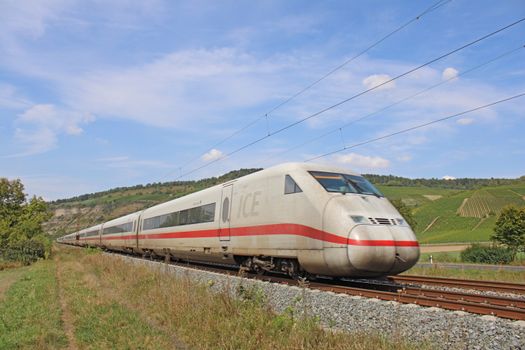
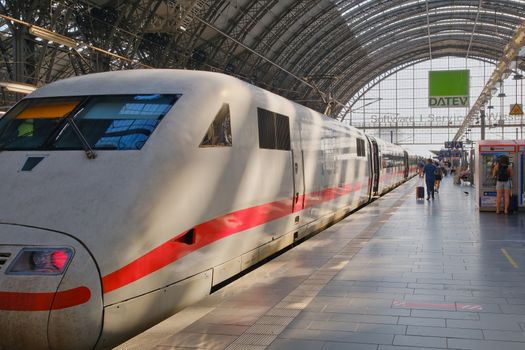
When travelers head to Japan, the iconic "Golden Route" (Tokyo–Mt. Fuji–Kyoto–Osaka) dominates every itinerary. But in March 2024, JR West officially opened the Hokuriku Shinkansen Extension, pushing the bullet train line south from Kanazawa to Tsuruga in Fukui Prefecture.
```
OLD WAY: Multiple Local Train Transfers (3.5+ Hours)
NEW WAY: Direct Shinkansen from Tokyo (under 3 Hours)
```
The Cultural Jackpot
Fukui was long considered one of main-island Japan's most remote coastal prefectures. Now, high-speed bullet trains whisk travelers directly from Tokyo Station straight into the heart of authentic, traditional Japan.
Fukui offers an incredible mix of attractions:
* Eiheiji Temple: A massive 13th-century active Zen monastery nestled under ancient cedar trees.
* The Echizen Coast: Famous for dramatic sea cliffs, rugged rock formations, and world-class seafood.
* Eiheiji Sake & Craft: Centuries-old craft traditions including papermaking, lacquerware, and knife forging.
Taste the Region
Fukui is Japan’s undisputed capital for Echizen gani (snow crab) and handmade Echizen soba noodles. Order a bowl of cold buckwheat noodles drenched in dashi broth and loaded with spicy grated daikon radish—it packs a sharp, refreshing bite you won't find anywhere in Tokyo.
- Pro-Tip: Get off at the newly updated Fukui Station and catch the local Echizen Railway line out to Eiheiji. Stay overnight at Hakukan, a luxury temple-adjacent ryokan where guests can participate in morning Zen chanting ceremonies led by resident monks.
---
5. Upper Svaneti, Georgia: The High Caucasus Unbound
Perched along the jagged border between Georgia and Russia, the high-alpine region of Upper Svaneti is legendary for its 1,000-year-old stone defensive towers (koshki), glacier-fed rivers, and unique Svan culture. Historically, reaching the central town of Mestia meant enduring an eight-to-ten-hour battle against mountain roads prone to washouts and landslides.
Recent infrastructure drives by the Georgian government have modernized the Zugdidi-Mestia Highway Corridor and expanded regional flight links from Tbilisi (via Natakhtari Airport).
```
OLD WAY: 10 Hours on Treacherous Gravel Roads
NEW WAY: 4.5 Hours on Paved Highways OR a 45-Minute Scenic Flight
```
Alpine Majesty Unleashed
The continuous paving of mountain roads and installation of modern avalanche galleries mean high-altitude villages like Ushguli (Europe's highest continuously inhabited settlement) are no longer reserved only for hardcore trekkers. Luxury alpine lodges, boutique guesthouses, and private guided transfers are springing up throughout the valley.
Culinary Mastery
Svaneti's food is mountain comfort at its finest:
* Kubdari: Flatbread stuffed with minced beef and pork spiced with blue fenugreek, garlic, and wild coriander.
* Svanuri Marili: A aromatic local salt blend seasoned with wild garlic and mountain herbs.
* Sulguni: Rich, stringy cheese melted over freshly baked bread.
- Pro-Tip: Book the tiny 17-passenger flight with Vanilla Sky Airlines out of Natakhtari 30 days in advance (tickets drop at midnight local time). If mountain weather grounds the flight, hire a private 4WD vehicle from Zugdidi—the new road cut means you will still arrive before sunset.
---
Advisor Playbook: Logistics & Quick Facts
Navigating newly opened travel corridors requires matching your transit choice with the right season. Use this snapshot to plan your route:
| Region | Primary Infrastructure Upgrade | Transit Time Reduction | Daily Budget Range ($USD) | Ideal Travel Window |
| :--- | :--- | :--- | :--- | :--- |
| Oaxaca Coast, Mexico | Barranca Larga Toll Highway | 7 Hours $\rightarrow$ 2.5 Hours | $80 - $350 / day | November – April |
| Northern Laos Hinterlands | Boten–Vientiane Bullet Train | 12 Hours $\rightarrow$ 3 Hours | $40 - $200 / day | October – March |
| Maya Jungle / Calakmul | Tren Maya Section 5/6 Rail | 10 Hours $\rightarrow$ 3.5 Hours | $70 - $300 / day | December – May |
| Fukui Prefecture, Japan | Hokuriku Shinkansen Line | 3.5 Hours $\rightarrow$ 2.8 Hours | $150 - $600 / day | Year-Round (Winter for Crab) |
| Upper Svaneti, Georgia | Zugdidi Highway & Air Links | 10 Hours $\rightarrow$ 4.5 Hours | $50 - $220 / day | June – October |
---
How to Book These Frontiers Before the Crowds Arrive
Infrastructure upgrades follow a predictable cycle:
1. Phase 1 (The Transit Launch): Local access improves dramatically; early travelers enjoy uncrowded sites and authentic encounters.
2. Phase 2 (Boutique Development): Small eco-lodges, boutique hotels, and specialty tour operators open up.
3. Phase 3 (Mass Tourism): Large resort chains move in, prices jump, and sites become crowded.
Right now, every destination on this list sits squarely in Phase 1 or early Phase 2.
Essential Booking Rules:
* Work with local specialists: Connect with regional travel advisors who hold direct relationships with local transport providers and boutique lodges.
* Build buffer time: Fresh infrastructure can occasionally face operational tweaks—always leave a flexible three-hour window between major transit legs.
* Travel light: Modern high-speed trains (like the LCR in Laos or Tren Maya) feature strict luggage dimension checks and limited overhead rack space.
By taking advantage of these modern transit routes today, you get to experience world-class natural and cultural sites with absolute ease—long before the rest of the world finds out.
---