The Hook: A Whisper of Smoke and a Symphony of Voices
I stepped off the tiny propeller plane onto the tarmac, and the air hit me – a potent, intoxicating blend of woodsmoke, damp earth, and something subtly floral I couldn't quite place. The sun, a molten gold orb, cast long shadows across the dusty airstrip, illuminating the faces of the welcoming committee. Their smiles were warm, genuine, and etched with stories I was eager to hear. This wasn't just a destination; it was an invitation. An invitation to connect, to learn, and to participate in a way that felt profoundly different from any travel I'd experienced before. This is the dawn of a new era in travel: Indigenous tourism with profit-sharing models that are not just ethical, but downright revolutionary.
H2: Beyond the Tourist Gaze: Why Profit-Sharing is the Future
For too long, tourism has been a one-way street. Travelers arrive, consume experiences, and depart, leaving behind a trail of economic leakage and often, a diluted cultural landscape. But a seismic shift is underway. Indigenous communities, reclaiming their narratives and their economies, are pioneering tourism models where the benefits flow directly back to them. This isn't about a token donation; it's about genuine partnership, where the wealth generated by your journey directly empowers the people who call this land home.
H3: The Power of the Shared Dollar
Profit-sharing models in Indigenous tourism are game-changers. They ensure that:
- Economic Empowerment: Direct financial returns allow communities to invest in education, healthcare, infrastructure, and cultural preservation.
- Cultural Preservation: When communities benefit financially, they have a vested interest in safeguarding their traditions, languages, and ancestral lands.
- Authentic Experiences: Empowered communities can offer richer, more nuanced, and deeply personal experiences, free from the pressures of catering to mass tourism demands.
- Sustainable Practices: Profit-sharing incentivizes environmentally responsible tourism, as communities understand the long-term value of their natural resources.
H2: Unveiling the Pioneers: Top Indigenous Tourism Experiences with Profit-Sharing
These aren't just hypothetical ideals; they are vibrant realities. I've had the privilege of experiencing some of these groundbreaking initiatives firsthand, and I'm thrilled to share them with you.
H3: The Amazonian Heartbeat: Kayapo Indigenous Community, Brazil
My journey into the Amazon was more than just a jungle trek; it was an immersion into the soul of the Kayapo people. Here, tourism is meticulously managed by the community itself, with a significant portion of all tour revenue directly funding their conservation efforts and social programs.
- The Experience: Imagine paddling silently down a tributary, guided by a Kayapo elder who knows every rustle in the undergrowth. You'll learn about medicinal plants, traditional hunting techniques (observed, not practiced by tourists), and the intricate social structures that have sustained them for centuries. Evenings are spent under a canopy of stars, listening to ancestral stories around a crackling fire.
- Pro-Tip: Visit during the dry season (July to October) for easier river navigation and higher chances of spotting wildlife. Engage with the guides; their knowledge is encyclopedic.
- Authenticity: The Kayapo don't just "show" you their culture; they invite you to understand it. The intricate beadwork, the body paint designs, the rhythmic chanting – each element has a story and a purpose, explained with a profound sense of pride.
Quick Facts: Kayapo Indigenous Community
- Estimated Costs ($$): $1500 - $3000 per person for a 7-day immersive experience.
- Best Time to Visit: Dry season (July - October).
- How to Get There: Fly into Belém (BEL) or Manaus (MAO), then arrange a charter flight to a local airstrip near the community, coordinated by the Kayapo tourism cooperative.
H3: The Land of the Midnight Sun: Sámi Reindeer Herders, Norway
The stark, breathtaking beauty of the Norwegian Arctic is home to the Sámi, Europe's only recognized Indigenous people. Their traditional way of life, deeply intertwined with reindeer herding, is being carefully opened to respectful tourism, with profit-sharing models that ensure their cultural survival.
- The Experience: Spend a night in a traditional lavvu (Sámi tent), sharing stories and bidos (a hearty reindeer stew) with a Sámi family. Learn about the ancient art of duodji (Sámi handicraft) and, if you're lucky, witness the magical Northern Lights dancing across the inky sky. Some tours even include the opportunity to learn about reindeer tracking.
- Pro-Tip: Book directly with Sámi-owned cooperatives like "Sápmi Nature Camp" or "Nutti Sámi Siida" to ensure your money directly supports the community. Dress in layers – Arctic weather is no joke!
- Authenticity: The connection to the land and the reindeer is palpable. It's not just about seeing reindeer; it's about understanding their vital role in Sámi culture and economy. The intricate patterns in their gákti (traditional clothing) are not just decorative; they signify family lineage and region.
Quick Facts: Sámi Reindeer Herders (Norway)
- Estimated Costs ($$): $300 - $800 per person for a 2-3 day experience.
- Best Time to Visit: Winter (November - March) for Northern Lights and reindeer experiences; Summer (June - August) for hiking and cultural events.
- How to Get There: Fly into Tromsø (TOS) or Alta (ALF). From there, local buses or pre-arranged transfers can take you to specific Sámi communities.
H3: The Whispers of the Outback: Anangu Pitjantjatjara Yankunytjatjara Lands, Australia
Journey to the heart of Australia and connect with the Anangu people, the traditional custodians of Uluru and Kata Tjuta. Their deep spiritual connection to this sacred land is now being shared through carefully managed tourism initiatives that prioritize community benefit and cultural integrity.
- The Experience: Participate in guided walks led by Anangu elders, gaining profound insights into the Tjukurpa (Dreaming stories) that shape their worldview. Learn about bush tucker, ancient rock art sites, and the ecological wisdom that has sustained them for millennia. Many experiences are offered through community-run enterprises, with profits reinvested into Anangu initiatives.
- Pro-Tip: Respect is paramount. Always ask permission before taking photographs, and be mindful of sacred sites. Consider joining tours that are specifically endorsed by the Anangu community.
- Authenticity: The Anangu perspective is one of deep custodianship. You won't just see Uluru; you'll feel its spiritual resonance through the stories and knowledge shared by those who have cared for it for thousands of years. The ochre pigments used in their art are sourced from the land itself, a testament to their enduring connection.
Quick Facts: Anangu Pitjantjatjara Yankunytjatjara Lands
- Estimated Costs ($$): $500 - $1500 per person for a 3-5 day guided experience.
- Best Time to Visit: Shoulder seasons (April-May and September-October) for milder temperatures.
- How to Get There: Fly into Ayers Rock Airport (AYQ) or Alice Springs Airport (ASP). Self-drive is possible with a 4WD, but guided tours often include transport from major hubs.
H2: Navigating the Ethical Landscape: Your Role as a Conscious Traveler
Choosing Indigenous tourism with profit-sharing models is a powerful act. It's about more than just a vacation; it's about participating in a more equitable and sustainable future for travel. But how do you ensure your experience is truly impactful?
H3: Red Flags and Green Lights: What to Look For
- Community Ownership & Management: Is the tourism initiative genuinely owned and managed by the Indigenous community? Look for clear evidence of community leadership and decision-making.
- Transparent Profit-Sharing: Are the profit-sharing mechanisms clearly communicated? Does the community benefit directly from your spending?
- Cultural Respect & Authenticity: Does the experience prioritize genuine cultural exchange over staged performances? Are Indigenous protocols and sacred sites respected?
- Environmental Stewardship: Does the initiative demonstrate a commitment to preserving the natural environment?
- Local Employment & Training: Are Indigenous people employed in all levels of the operation, and are they provided with training and development opportunities?
H3: Insider Tips for an Unforgettable & Ethical Journey
- Do Your Research: Before booking, thoroughly research the tour operator and the community. Look for testimonials and certifications from reputable Indigenous tourism bodies.
- Ask Questions: Don't be afraid to ask about their profit-sharing models, community involvement, and cultural protocols. A genuine operator will be happy to share this information.
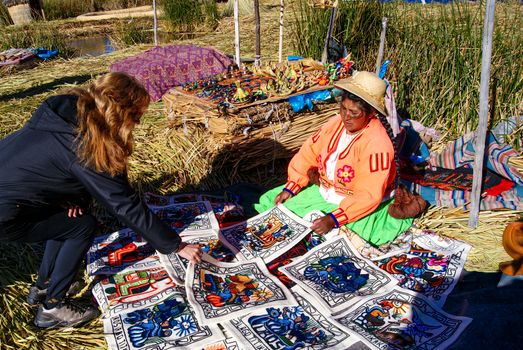
- Support Local Artisans: Purchase souvenirs directly from Indigenous artisans. This ensures that your money goes directly to the creators.
- Be a Learner, Not a Spectator: Approach the experience with humility and a genuine desire to learn. Listen more than you speak, and be open to new perspectives.
- Respect Boundaries: Always adhere to the guidelines set by the community regarding photography, behavior, and access to certain areas.
- Provide Constructive Feedback: After your trip, offer honest and constructive feedback to the tour operator. This helps them to continually improve their offerings.
H2: The Future is Collaborative: Building Bridges Through Travel
Indigenous tourism with profit-sharing models is not just a trend; it's a movement. It's a testament to the resilience, ingenuity, and deep connection to culture and land that Indigenous peoples possess. By choosing these experiences, you're not just creating memories; you're actively contributing to the empowerment and sustainability of communities worldwide.
As I reflect on my journeys, the lingering scent of woodsmoke, the echo of ancient songs, and the warmth of shared laughter are more than just souvenirs. They are a reminder that travel can be a force for good, a bridge between cultures, and a powerful engine for positive change. So, pack your curiosity, your respect, and your adventurous spirit. The world is waiting, and it's ready to share its stories – and its future – with you.