The Hook: A Shift in the Wind
I stepped off the single-prop plane onto the gravel runway of Inuvik, Northwest Territories, and was immediately hit by the scent of cold silt, wild black spruce, and the sharp, metallic tang of the Mackenzie River. The sub-arctic wind didn't just blow; it vibrated. But I wasn't here merely to chase the neon ribbons of the Aurora Borealis or to check another remote destination off my bucket list. I was here to witness a quiet, radical revolution in the travel industry.
For decades, Indigenous tourism was treated by global operators as a passive commodity—a colorful photo-op, a performative dance, or a souvenir shop filled with imported replicas. The money flowed out of the communities as fast as the tourists flowed in.
This year, however, the paradigm has shattered. A bold new wave of Indigenous tourism with profit-sharing models emerging this year is shifting the power balance. Communities are no longer just the hosts; they are the majority shareholders, the CEOs, and the sole beneficiaries.
If you want to travel in a way that respects sovereignty, funds climate resilience, and offers mind-blowing, authentic experiences, these five emerging profit-sharing models are your roadmap.
---
1. The Nihtat Gwich'in Solar Initiative (Northwest Territories, Canada)
The Model: Clean Energy & Cultural Dividends
In the far reaches of northern Canada, the Nihtat Gwich'in Council has pioneered a joint-venture tourism model where 100% of the profits from their wilderness and aurora-viewing tours are split between community infrastructure projects and transitioning local off-grid cabins to solar power. This isn't just charity; it’s direct community equity. By booking a tour, you are directly funding the solar panels that reduce the community’s reliance on expensive, polluting diesel fuel.
The Experience
Imagine standing on a frozen channel of the Mackenzie River Delta, the temperature hovering at a crisp -25°C, wrapped in a heavy beaver-skin parka loaned to you by your guide, Gerry. You aren’t sitting in a crowded tourist yurt. Instead, you are inside a traditional canvas wall tent heated by a crackling spruce-wood stove. Gerry shares stories of Gwich'in hunters navigating the shifting ice, all while you sip hot Labrador tea—an earthy, herbal brew harvested from the muskeg—and watch the sky explode into curtains of violet and emerald green.
- Pro-Tip: Book the 9:00 AM dog-sled run with Gerry. He takes a detour through a frozen willow grove that commercial operators aren't permitted to access, where you have a 90% chance of spotting wild moose grazing in the early light.
---
2. The Living Forest of the Sarayaku (Pastaza Province, Ecuadorian Amazon)
```
+-----------------------------------------------------------------------------+
| "We do not see the forest as a resource to exploit, but as a living entity |
| with rights. Our tourism model is the shield that protects our territory." |
| — Tupac Viteri, Sarayaku Leader |
+-----------------------------------------------------------------------------+
```
The Model: The Sisa Ñampi (Border of Life) Trust
The Kichwa People of Sarayaku have fought oil companies in the Inter-American Court of Human Rights—and won. To protect their ancestral lands permanently, they launched the Sisa Ñampi (Border of Life) project.
Their tourism model operates via a strict communal trust. Every dollar earned from visitors staying at their low-impact forest lodges is split three ways: 40% goes directly to the community’s general fund (funding healthcare and bilingual education), 30% goes to forest conservation patrols, and 30% is distributed as direct dividends to the families hosting and guiding the travelers.
The Experience
To get here, you must paddle for four hours down the winding Bobonaza River in a dugout canoe. The air is thick, humid, and alive with the screech of blue-and-yellow macaws.
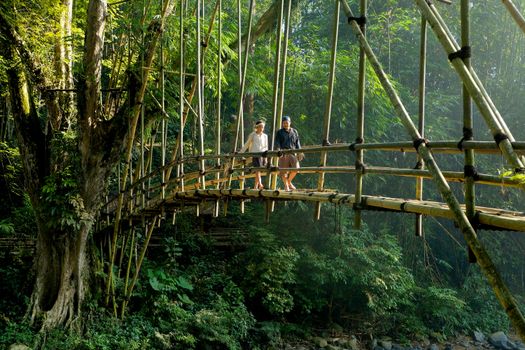
You will stay in hand-built bamboo cabins thatched with toquilla palm leaves. Days are spent hiking through primary rainforest, learning to identify medicinal vines that cure snakebites, and participating in the preparation of chicha—a traditional fermented cassava beverage that serves as the social glue of the community.
- Pro-Tip: The hidden entrance to the ancient clay-beds trail is located directly behind the communal casa grande (meeting house). Ask your guide to show you the clay-painting ritual before you enter the forest; it acts as a traditional spiritual passport to show respect to the forest spirits.
---
3. Lirrwi Tourism and the Yolŋu Homelands (Arnhem Land, Australia)
The Model: Decentralized Homelands Co-op
In the northernmost reaches of Australia’s Northern Territory lies Arnhem Land, a pristine wilderness of red dirt, white sand beaches, and paperbark swamps. Lirrwi Tourism is a 100% Yolŋu-owned and operated cooperative.
Unlike traditional agencies that take a massive cut, Lirrwi’s profit-sharing model ensures that 85% of all tour revenue goes directly to the specific "homeland" (small ancestral family outstations) you visit. This cash flow allows Yolŋu families to remain on their traditional country, preserving their language and culture while avoiding urban drift.
The Experience
This is not a sanitised cultural show. You will sit on the red earth under the shade of stringybark trees, learning the intricate art of weaving pandanus baskets from Yolŋu elders.
You’ll walk along the coastline of the Arafura Sea, learning how to spot the subtle ripples of mud crabs under the mangroves, which you will later roast directly on open coals. The taste is sweet, smoky, and incomparably fresh.
- Pro-Tip: Avoid asking about sacred sites or "dreamtime" stories immediately. In Yolŋu culture, trust must be earned. Instead, sit quietly and join the afternoon spear-shaping workshop at 4:00 PM when the heat breaks. Your genuine interest in their craft will open doors to deeper conversations.
---
4. Nashulai Maasai Conservancy (Maasai Mara, Kenya)
The Model: The Direct-to-Household Digital Dividend
Nashulai is the first conservancy in the Maasai Mara ecosystem to be entirely directed, governed, and operated by the local Maasai people. They have completely eliminated the traditional foreign lodge-owner middlemen.
Using an innovative digital platform, Nashulai distributes tourism profits directly to the mobile money accounts (M-Pesa) of over 2,000 local landowners. This ensures an immediate, transparent, and equal distribution of wealth, which is used to pay school fees, drill clean-water wells, and support women-led micro-enterprises.
The Experience
At Nashulai, there are no fences. Humans, livestock, and wildlife coexist. You will go on walking safaris guided by Maasai warriors who track lions not by GPS, but by the depth of their paw prints in the dry acacia dirt and the warning calls of the superb starling birds.
In the evening, you will gather around a fire at the eco-camp, drinking chai spiced with wild ginger and cardamom, listening to the distant, haunting laugh of spotted hyenas.
- Pro-Tip: Skip the standard morning game drive once and ask to visit the Nashulai cooperative kitchen at noon. Here, Maasai women will teach you how to roast wild ol-kiloriti bark to make a powerful, digestive medicinal tea that has been used for centuries.
---
5. Nutti Sámi Siida (Sápmi, Northern Sweden)
The Model: Reindeer Husbandry Co-op Fund
The Sámi people of northern Scandinavia are facing the frontlines of climate change, with unpredictable winter thaws locking their reindeer’s food sources under thick sheets of ice. Nutti Sámi Siida, based in Jukkasjärvi, operates a profit-sharing model where tourism profits directly fund the purchase of emergency winter fodder for the community’s reindeer herds. When you travel here, you are directly ensuring the survival of one of Europe’s last nomadic herding cultures.
The Experience
You will sleep in a traditional lávvu (Sámi teepee) on thick layers of insulating birch twigs and reindeer skins, warmed by a central hearth. The smell of boiling coffee and smoked reindeer meat (suovas) fills the air.
During the day, you will learn to drive a reindeer-drawn sled through silent, snow-laden pine forests, the only sound being the rhythmic crunch of hooves on fresh powder.
- Pro-Tip: The absolute best view of the Northern Lights is not from the main camp, but from the frozen lake behind the reindeer corral. Walk out there at exactly 11:15 PM when the village generator shuts off for the night; the darkness is absolute, and the sky comes alive.
---
The Logistics: Planning Your Ethical Adventure
To make your planning seamless, we’ve compiled the essential logistics for these five ground-breaking destinations.
| Destination | Community/Operator | Est. Cost (USD/Day) | Best Time to Visit | How to Get There |
| :--- | :--- | :--- | :--- | :--- |
| Inuvik, Canada | Nihtat Gwich'in Council | $350 - $500 | February to April (for Aurora & snow) | Fly to Inuvik (YEV) via Yellowknife. |
| Amazon, Ecuador | Sarayaku (Sisa Ñampi) | $120 - $180 | August to December (drier season) | Bus from Quito to Puyo, then taxi to Latas port, then 4hr canoe. |
| Arnhem Land, Australia| Lirrwi Tourism | $400 - $600 | May to September (the dry season) | Fly to Nhulunbuy (Gove) from Darwin or Cairns. |
| Maasai Mara, Kenya | Nashulai Conservancy | $250 - $400 | July to October (Great Migration) | Fly from Nairobi (Wilson Airport) to Mara Shikar Airstrip. |
| Jukkasjärvi, Sweden | Nutti Sámi Siida | $200 - $350 | December to March (for winter activities) | Fly to Kiruna (KRN), then take a 15-minute bus or taxi. |
---
The Traveler’s Code: How to Vet an Operator
Not every tour that claims to be "indigenous-friendly" actually practices profit-sharing. Before you book any trip this year, send the operator an email with these three pointed questions:
- What percentage of the booking fee stays directly within the local community? (Look for transparency. If they cannot give you a clear percentage or destination of funds, walk away.)
- Who owns the land and the lodging? (Prioritize operators where the land is held in communal title or owned directly by the Indigenous hosts.)
- Are the guides local community members paid a living wage, or are they external contractors? (Authentic, profit-sharing models hire and train exclusively from within the host community.)
By demanding transparency, we as travelers can ensure that our passion for exploration becomes a powerful tool for global equity and cultural preservation.
---