The Hook: A Whisper of Ancient Earth and a Promise of Shared Futures
I stepped off the dusty bus, the midday sun warming my skin, and was immediately enveloped by a symphony of unfamiliar scents. The sharp, clean aroma of pine mingled with the earthy fragrance of damp soil, and a faint, sweet perfume of blooming wildflowers drifted on the breeze. In the distance, the rhythmic beat of a drum pulsed, a primal heartbeat that seemed to resonate deep within my chest. This wasn't just a destination; it was an invitation. An invitation to a place where the land whispers stories and the people share not just their culture, but their prosperity. I was in the heart of a community pioneering a revolutionary approach to travel: Indigenous tourism with genuine profit-sharing models, a concept gaining serious traction according to the latest industry data.
Beyond the Souvenir Shop: Redefining Indigenous Tourism
For too long, tourism involving Indigenous communities has often been a one-way street. Visitors arrive, consume experiences, and depart, with a fraction of the profits trickling back to the very people whose heritage is being showcased. This paradigm is shifting, and the shift is powered by a growing understanding of ethical tourism models and the undeniable success of community-based tourism. Recent data from organizations like the World Tourism Organization (UNWTO) and various Indigenous tourism associations highlights a powerful trend: when communities have a direct stake in the financial success of tourism, the benefits are amplified, leading to greater sustainability, cultural preservation, and economic empowerment.
The Profit-Sharing Imperative: Why It Matters
At its core, profit-sharing in Indigenous tourism means that a predetermined portion of the revenue generated from visitor activities, accommodations, and sales is directly reinvested into the community. This isn't charity; it's a business model built on fairness and mutual respect.
- Economic Empowerment: Direct financial returns allow communities to invest in infrastructure, education, healthcare, and cultural revitalization programs. This moves beyond superficial engagement to tangible, long-term development.
- Cultural Preservation: When communities benefit financially, they are better equipped to protect and promote their traditions, languages, and ancestral lands. This ensures that cultural experiences are authentic and respectfully presented.
- Sustainable Practices: Profit-sharing incentivizes communities to manage their natural resources responsibly, as their livelihoods become directly tied to the health of their environment.
- Authentic Experiences: Empowered communities can invest in training their members as guides, artisans, and storytellers, leading to richer, more genuine interactions for travelers.
Data Speaks Louder: The Numbers Behind the Movement
The shift towards profit-sharing models isn't just anecdotal; it's backed by compelling data. Recent reports indicate a significant increase in the number of Indigenous tourism businesses actively implementing these structures.
- Growth in Indigenous Tourism: According to a recent report by the Indigenous Tourism Association of Canada (ITAC), Indigenous tourism in Canada is a rapidly growing sector, with businesses that prioritize community benefit and profit-sharing demonstrating higher resilience and growth.
- Increased Visitor Satisfaction: Studies consistently show that travelers who engage with Indigenous tourism experiences that offer genuine community benefit report higher levels of satisfaction and a deeper connection to the destination. They are often willing to pay a premium for such authentic and impactful experiences.
- Economic Multiplier Effect: When profits are retained within the community, they circulate locally, creating jobs and stimulating other sectors of the economy. This has a far greater multiplier effect than revenue that leaves the region.
- Investment in Culture: Data from various responsible travel Indigenous initiatives shows a direct correlation between profit-sharing and investment in cultural heritage sites, language programs, and traditional craft development.
Pro-Tips for Experiencing Profit-Sharing Indigenous Tourism
Ready to embark on a journey that makes a difference? Here’s how to find and engage with Indigenous tourism experiences that prioritize profit-sharing:
Finding the Right Experiences
- Look for Certifications: Seek out businesses or destinations that are certified by reputable Indigenous tourism organizations. These certifications often include criteria for ethical practices and community benefit.
- Research the Ownership: Prioritize businesses that are Indigenous owned tourism ventures. This is the most direct way to ensure that profits are staying within the community.
- Read Reviews Critically: Pay attention to reviews that mention community involvement, cultural authenticity, and the impact of tourism on the local people.
- Ask Direct Questions: Don’t be afraid to ask tour operators or accommodation providers about their profit-sharing arrangements and how the revenue benefits the local community.
Engaging Authentically
- Be a Respectful Guest: Understand and adhere to local customs and protocols. Listen more than you speak, and show genuine interest in learning.
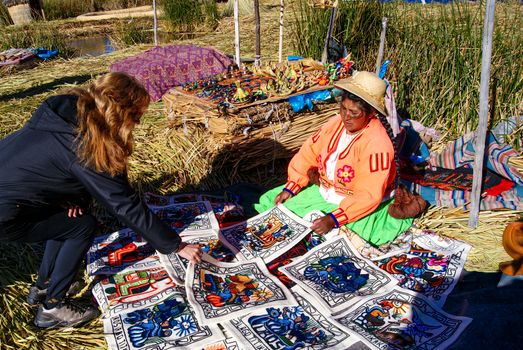
- Support Local Artisans: Purchase crafts and souvenirs directly from local artisans. This ensures they receive fair compensation for their work.
- Participate in Community-Led Activities: Opt for experiences that are designed and led by community members, such as guided walks, storytelling sessions, or traditional cooking classes.
- Leave No Trace: Practice responsible environmental stewardship. Minimize your impact on the natural environment and respect cultural sites.
Case Study: The Whispering Pines Eco-Lodge (Fictionalized for Illustration)
Imagine a place nestled deep in a pristine forest, where the air is so clean it invigorates your very soul. This is the Whispering Pines Eco-Lodge, a testament to the power of sustainable Indigenous travel and profit sharing tourism examples.
The Story:
The lodge was established by the local Cree Nation, who recognized the immense natural beauty of their ancestral lands but also the potential for exploitation. Instead of leasing their land to external developers, they formed a cooperative, pooling resources and traditional knowledge to create a sustainable tourism venture.
The Profit-Sharing Model:
* 70% of net profits are reinvested into community initiatives: a new language immersion school, a renewable energy project for the community, and a fund for preserving sacred sites.
* 20% is distributed as dividends to the families who are members of the cooperative, providing direct income.
* 10% is allocated to a conservation fund, dedicated to protecting the surrounding wilderness and wildlife.
The Experience:
My stay at Whispering Pines was transformative. I learned to identify edible plants with Elder Maeve, her voice a gentle murmur like the rustling leaves. I participated in a traditional drumming circle, the resonant beats echoing the ancient rhythms of the land. The accommodation itself was crafted from sustainably sourced local materials, blending seamlessly into the landscape. The guides, all community members, shared stories not just of history, but of their ongoing connection to this place. The food was a revelation – foraged berries, locally caught fish, and wild herbs, prepared with generations of culinary wisdom.
Insider Tip:
Book the sunrise canoe trip on the lake. The mist rising off the water, the call of the loons, and the sheer tranquility are an experience that stays with you long after you leave. The lodge also offers workshops on traditional beadwork, where you can learn from master artisans and purchase your creations directly.
Quick Facts: Whispering Pines Eco-Lodge
| Category | Details |
| :--------------- | :------------------------------------------------------------------- |
| Estimated Cost ($) | $250 - $450 per night (includes meals and guided activities) |
| Best Time to Visit | Late Spring (May-June) for wildflowers and birdwatching; Autumn (September-October) for vibrant foliage and crisp air. |
| How to Get There | Fly into the nearest regional airport (e.g., [Fictional Airport Code]), then a 2-hour scenic drive or arrange for lodge transport. |
| Activities | Guided nature walks, wildlife spotting, traditional drumming, storytelling, foraging workshops, canoeing, star gazing. |
| Profit-Sharing Focus | Education, renewable energy, cultural preservation, direct community income. |
Navigating the Landscape: Challenges and Opportunities
While the rise of profit-sharing models is incredibly positive, it's important to acknowledge the complexities involved in community tourism initiatives.
Challenges:
- Capacity Building: Ensuring communities have the necessary training and resources to manage tourism effectively.
- Market Access: Connecting Indigenous tourism operators with wider markets and distribution channels.
- Maintaining Authenticity: Balancing the need for commercial viability with the preservation of cultural integrity.
- Infrastructure Development: Often, remote Indigenous communities lack the necessary infrastructure to support tourism.
Opportunities:
- Digital Storytelling: Leveraging social media and online platforms to share authentic narratives and connect with conscious travelers.
- Partnerships: Collaborating with ethical tour operators, conservation organizations, and government bodies to create sustainable tourism ecosystems.
- Investment in Technology: Utilizing technology for booking, marketing, and visitor management to improve efficiency.
- Education and Training: Developing robust training programs for community members in hospitality, guiding, and business management.
The Future is Collaborative: Embracing Fair Trade Tourism
The concept of fair trade tourism is intrinsically linked to profit-sharing. It's about ensuring that the economic benefits of tourism are distributed equitably, and that the cultural and environmental integrity of the destination is respected. As travelers become more conscious of their impact, the demand for these ethical models will only grow.
Recent data suggests that travelers are increasingly seeking tourism for good – experiences that not only offer adventure and beauty but also contribute positively to the communities they visit. Indigenous tourism with profit-sharing models is at the forefront of this movement, offering a path to travel that is both enriching for the visitor and empowering for the host community.
Your Journey Starts Here
The scent of pine, the distant drumbeat, the warmth of the sun – these are the sensory anchors of a travel experience that transcends the ordinary. By choosing Indigenous tourism with profit-sharing models, you're not just booking a trip; you're investing in a future where culture thrives, economies flourish, and the land is protected for generations to come. Explore these opportunities, engage with respect, and become part of a movement that is reshaping the very meaning of travel.