The Hook: A Midnight Arrival in Tbilisi
I stepped off the overnight train from Yerevan into the cool, sulfur-scented air of Tbilisi’s Abanotubani district. The low, melancholic hum of a distant polyphonic choir echoed from a brick dome nearby, mixing with the sweet, yeasty aroma of fresh shoti bread baking in an underground clay oven. Above me, the illuminated Narikala Fortress clung to the cliffs like a sentinel of a bygone era, while down on the street, a hyper-modern glass bridge curved over the Mtkvari River.
This is the intoxicating reality of traveling through the post-Soviet space today. Far from the gray, monolithic stereotypes of the mid-20th century, these nations have spent the last three decades reclaiming their ancient identities, blending them with cutting-edge design, world-class culinary scenes, and a raw, unfiltered hospitality that you simply cannot find in Paris or Rome.
For years, these destinations were the exclusive playground of intrepid backpackers and geopolitical junkies. Today, they are the former USSR countries becoming tourism hotspots experts are recommending to anyone seeking authenticity, value, and jaw-dropping landscapes.
Here are the six nations you need to add to your bucket list immediately, along with the insider secrets to navigating them like a pro.
---
1. Georgia: Where Ancient Wine Meets Techno Beats
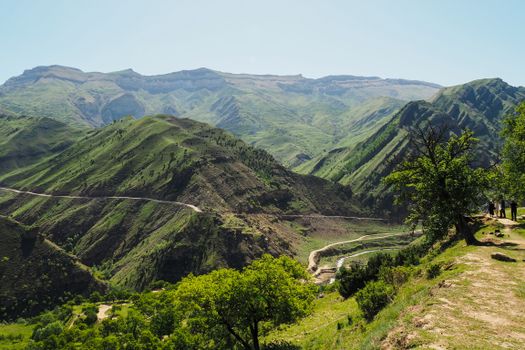
Georgia is no longer a secret, but it remains peerless. Straddling the intersection of Eastern Europe and Western Asia, this Caucasus gem offers dramatic mountain peaks, a Mediterranean-style coastline, and a culinary tradition that will ruin all other food for you.
```
▲ Caucasus Mountains (Kazbegi)
/ \
/ \ [Tbilisi: Sulfur Baths & Techno Clubs]
/_____\ │
│ ▼
└───► [Kakheti: 8,000 Years of Qvevri Winemaking]
```
The Vibe:
Imagine a place where 8,000-year-old winemaking traditions live alongside one of the world's most underground techno scenes. Tbilisi, the capital, is a labyrinth of Italianate courtyards with carved wooden balconies, Soviet-era brutalist monuments, and bohemian cafes.
What to Eat & Drink:
You cannot leave without trying khachapuri (specifically the Adjarian version: a bread boat filled with molten cheese, butter, and a raw egg yolk) and khinkali (spiced meat dumplings designed to be eaten with your hands, sucking the hot broth out first). Wash it down with amber wine fermented in clay vessels called qvevri.
- Pro-Tip: To find the best khinkali in Tbilisi, skip the tourist traps on Rustaveli Avenue. Head down the unmarked stairs into the basement of Sofia Melnikova’s Fantastic Doura, a courtyard restaurant hidden behind the State Silk Museum. Order the wild mushroom khinkali.
---
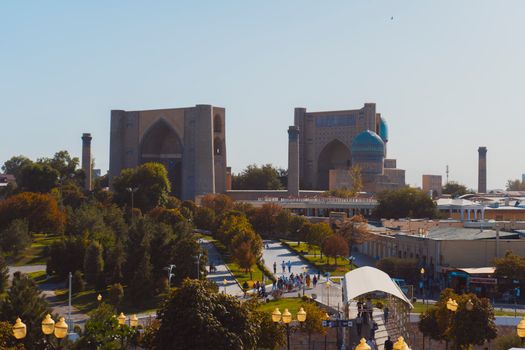
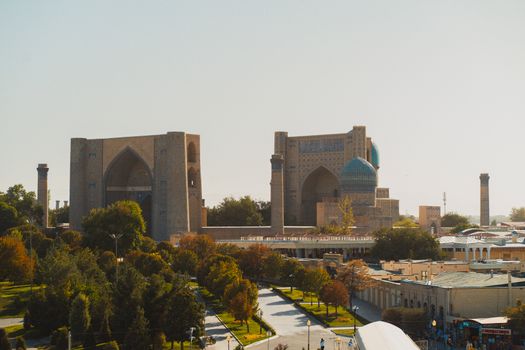
2. Uzbekistan: The Silk Road’s Neon-Blue Renaissance
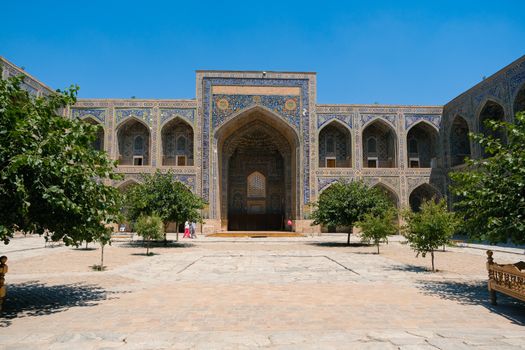
For centuries, the ancient oasis cities of Uzbekistan were the glittering centers of global trade, science, and Islamic architecture. Thanks to a recent easing of visa restrictions and the introduction of high-speed rail, the cities of Samarkand, Bukhara, and Khiva are finally accessible to the modern explorer.
```
[Tashkent] ──(Afrosiyob Bullet Train)──► [Samarkand] ──► [Bukhara] ──► [Khiva]
```
The Vibe:
Stepping into Samarkand’s Registan Square feels like walking into a living turquoise dream. The scale of the towering madrasahs, covered in intricate majolica tiles and gold leaf, is utterly dizzying. It’s a desert fairytale meets modern Central Asian efficiency.
What to Eat & Drink:
Plov is the undisputed king of Uzbek cuisine. This hearty dish of rice, tender lamb, yellow carrots, and raisins is cooked in massive iron cauldrons (kazans) over open fires.
- Pro-Tip: For the ultimate photo of the Shah-i-Zinda mausoleum complex in Samarkand without another soul in sight, arrive at the gate at precisely 7:15 AM. Slip a 20,000 Uzbek Som note (about $1.50 USD) to the gatekeeper if they hesitate to let you in before the official 8:00 AM opening time. The morning light hitting the blue tiles is pure magic.
---
3. Kyrgyzstan: Alpine Lakes and Nomadic Culture
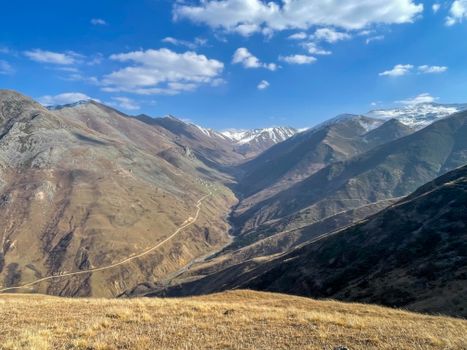
If you want to escape civilization entirely, Kyrgyzstan is your sanctuary. Over 90% of this Central Asian country is covered by mountains—specifically the snow-capped Tian Shan range.
```
▲ Tian Shan Range (7,000m+)
/ \
/ \ ◄─── [Yurt Camps & Horse Trekking]
/ \
/_______\
[Song-Kul Lake: 3,016m Altitude]
```
The Vibe:
This is the land of the nomad. Here, the roads are shared with herds of semi-wild horses, and the hospitality is legendary. Traveling here is made incredibly easy by the CBT (Community Based Tourism) network, which connects travelers directly with local families for yurt stays and mountain treks.
What to Eat & Drink:
Try beshbarmak (literally "five fingers," because it is traditionally eaten by hand), a dish of boiled horse meat or mutton served over handmade noodles in a rich broth. Pair it with shoro, a fermented barley drink that tastes sour, salty, and carbonated all at once.
- Pro-Tip: When booking a yurt stay at the high-altitude Song-Kul Lake, request Camp CBT-3. It is positioned on the northern shore, away from the larger tour group camps, offering an unobstructed view of the sunset reflecting off the water and the purest stargazing on earth.
---
4. Estonia: Digital Innovation Wrapped in Medieval Stone
Estonia is the anomaly of the former Eastern Bloc. It has successfully rebranded itself as a Nordic tech utopia, boasting more startups per capita than almost anywhere else in Europe, while fiercely preserving its ancient forests and medieval heart.
```
[Tallinn Old Town (13th Century)] ──(15-Min Walk)──► [Telliskivi Creative City]
│ │
▼ ▼
(Cobblestones & Turrets) (Craft Beer & Tech Hubs)
```
The Vibe:
Tallinn’s Old Town is a remarkably preserved 13th-century UNESCO World Heritage site, complete with cobblestone alleys and turreted walls. Yet, just a fifteen-minute walk away lies Telliskivi Creative City, a former Soviet railway yard turned hip district packed with craft breweries, organic restaurants, and design studios.
What to Eat & Drink:
Estonian cuisine is heavily influenced by Scandinavian minimalism. Think dark rye bread with salted butter, smoked Baltic herring, and wild chanterelles foraged from the nearby bogs.
- Pro-Tip: Skip the crowded viewing platforms of Toompea Hill at sunset. Instead, buy a local craft sour beer from the Põhjala bottle shop and head to the Patkuli viewing platform at 6:00 AM. You’ll watch the morning mist rise off the Baltic Sea and wrap around the medieval towers in absolute silence.
---
5. Armenia: The Pink City in the Shadow of Ararat
Armenia is one of the oldest Christian nations on earth, home to thousands of stone monasteries perched precariously on the edges of deep gorges.
```
[Yerevan: Pink Tuff Architecture]
│
▼ (45-Min Drive)
[Khor Virap Monastery] ──► Direct View of Mt. Ararat (Turkey Border)
```
The Vibe:
The capital, Yerevan, is affectionately known as the "Pink City" because most of its Soviet-era buildings were constructed using local pink volcanic tuff stone. The city has a surprisingly Mediterranean street life, with outdoor cafes spilling onto wide boulevards and locals drinking brandy late into the warm night.
What to Eat & Drink:
Order fresh lavash (flatbread) baked in a deep clay oven (tonir), served with fresh herbs and salty goat cheese. Armenia is also famous for its apricots and its legendary Ararat Brandy, which was famously favored by Winston Churchill.
- Pro-Tip: The most iconic view of the Khor Virap monastery with Mount Ararat looming in the background is often ruined by haze in the afternoon. Take a local marshrutka (shared minibus) from Yerevan’s Gortsaranayin station at 8:00 AM sharp to arrive when the air is crisp and the mountain is crystal clear.
---
6. Kazakhstan: Soviet Modernism and Wild Canyons
Kazakhstan is massive—the ninth-largest country in the world—and its former capital, Almaty, is the cultural heart of Central Asia.
```
[Almaty City: Soviet Modernism] ──(30-Min Drive)──► [Medeu High-Altitude Ice Rink]
│
▼ (3-Hour Drive)
[Charyn Canyon: Red Sandstone Formations]
```
The Vibe:
Almaty feels like a leafy European city dropped at the foot of the towering Trans-Ili Alatau mountains. It is a fascinating mix of Soviet modernist architecture (like the iconic Hotel Kazakhstan), chic third-wave coffee shops, and wild natural wonders located just a short drive from the city center.
What to Eat & Drink:
Visit the Zelyony Bazar (Green Bazaar) to sample kazy (horse meat sausage spiced with garlic and black pepper) and kurt (salty, dried cheese balls that nomadic shepherds eat for energy).
- Pro-Tip: When visiting the stunning, pastel-colored Zenkov Cathedral in Almaty’s Panfilov Park, take a close look at the wooden joinery. The cathedral was built entirely of wood in 1907 without using a single metal nail. It was one of the few buildings to survive the devastating 1911 earthquake.
---
Budget & Logistics: Planning Your Journey
Traveling to these countries is incredibly cost-effective compared to Western destinations. Below is a quick-reference guide to help you budget and plan.
| Country | Best Time to Visit | Avg. Daily Budget (USD) | How to Get There | Signature Experience |
| :--- | :--- | :--- | :--- | :--- |
| Georgia | May to October | $40 - $60 | Fly into Tbilisi (TBS) or Kutaisi (KUT) | Wine tasting in a 300-year-old stone cellar in Kakheti. |
| Uzbekistan | April to May, Sept to Oct | $50 - $70 | Fly into Tashkent (TAS), take Afrosiyob train | Watching the sunset over the Registan in Samarkand. |
| Kyrgyzstan | July to September | $30 - $50 | Fly into Bishkek (FRU), hire a local 4x4 driver | Sleeping in a felt yurt under the Milky Way at Song-Kul. |
| Estonia | June to August | $90 - $130 | Fly into Tallinn (TLL) or ferry from Helsinki | Bog-shoeing in Lahemaa National Park at dawn. |
| Armenia | May to June, Sept to Oct | $35 - $55 | Fly into Yerevan (EVN) | Riding the "Wings of Tatev" cable car over the Vorotan Gorge. |
| Kazakhstan | May to September | $50 - $80 | Fly into Almaty (ALA) | Hiking through the red rock labyrinths of Charyn Canyon. |
---
Authenticity: The Travel Journalist's Verdict
What makes these former Soviet republics so compelling is that they do not cater to mass tourism—at least, not yet. You won't find souvenir shops selling plastic keychains on every corner. Instead, you'll find a local grandmother offering you fresh plums from her garden in Kyrgyzstan, or a winemaker in Georgia pouring you his personal stash of Saperavi directly from the clay earth.
These nations are rewriting their narratives on their own terms. They are bold, complex, incredibly safe, and deeply rewarding for those willing to look beyond the usual tourist trail.
Pack your bags before the rest of the world catches on.
---