How to Live Like a Local in Any Country That Will Blow Your Mind
I remember standing in front of the Eiffel Tower years ago, camera in hand, jostling for space among hundreds of other tourists. The iconic landmark was breathtaking, no doubt, but as I snapped my photos and moved on, a strange hollowness settled in. Was this it? Was this truly experiencing Paris? I felt like an observer, a consumer of famous sights, not a participant in the vibrant life pulsating around me.
That trip was a turning point. It sparked a quest for something deeper, something more authentic. I wanted to peel back the layers of a destination, to taste its true flavors, hear its real stories, and feel its everyday rhythm. I wanted to live like a local.
Since then, I’ve navigated bustling markets in Marrakech, shared homemade pasta with a family in a tiny Italian village, sipped chai with shopkeepers in Jaipur, and learned to ride a scooter through the chaotic beauty of Hanoi. These weren't just trips; they were immersions, transformations. And let me tell you, the difference between seeing a place and living it is truly mind-blowing.
This isn't about ditching your favorite landmarks entirely – they’re famous for a reason! But it is about enriching your journey, connecting on a human level, and discovering the soul of a place far beyond the glossy postcards. If you’re ready to trade superficial snapshots for unforgettable stories, to swap tourist traps for genuine cultural immersion, then buckle up. This is your ultimate guide to living like a local, anywhere in the world.
1. The Mindset Shift: From Tourist to Temporary Resident
Before you even book your flight, the most crucial step to living like a local is a fundamental shift in your mindset. You're not just passing through; you're temporarily moving in. This means cultivating patience, curiosity, and an open heart.
Ditch the "Checklist" Mentality:
Forget the frantic race to tick off every major attraction. Instead, allow for spontaneity. Wander aimlessly. Sit in a park and people-watch. Let serendipity guide you. I once spent an entire afternoon in Lisbon just watching old men play cards in a sun-drenched square, and it was more memorable than any museum visit.
Embrace Discomfort:
Things won't always go smoothly. You'll get lost, misunderstand customs, or order something unexpectedly spicy. These are not failures; they are opportunities for growth and genuine stories. My first attempt at ordering coffee in Rome resulted in a very confused barista and a lukewarm glass of milk. Embarrassing? A little. Hilarious? Absolutely. And it taught me a valuable lesson in trying again.
Be a Learner, Not a Judge:
Every culture has its quirks, its unique ways of doing things. Resist the urge to compare everything to "back home." Instead, approach every new experience with a beginner's mind, eager to learn and understand. Ask questions, observe, and listen more than you speak.
Practical Tip: Start a travel journal not just for sights, but for observations about daily life, conversations you have, and new things you learn about the local culture. This reinforces the "learner" mindset.
2. Master the Art of Local Living: Accommodation & Transport
Your choice of where you sleep and how you move directly impacts your ability to integrate. Ditch the generic hotel chains and tour buses – they’re designed to keep you in a comfortable, insulated bubble.
Accommodation: Your Home Away From Home:
- Airbnb/Local Guesthouses: Opt for an Airbnb with a local host who can offer recommendations and insights. Even better, look for guesthouses or pensiones run by families. I stayed in a beautiful riad in Fes, Morocco, where the owner, Fatima, taught me how to make traditional mint tea. This kind of personal connection is priceless.
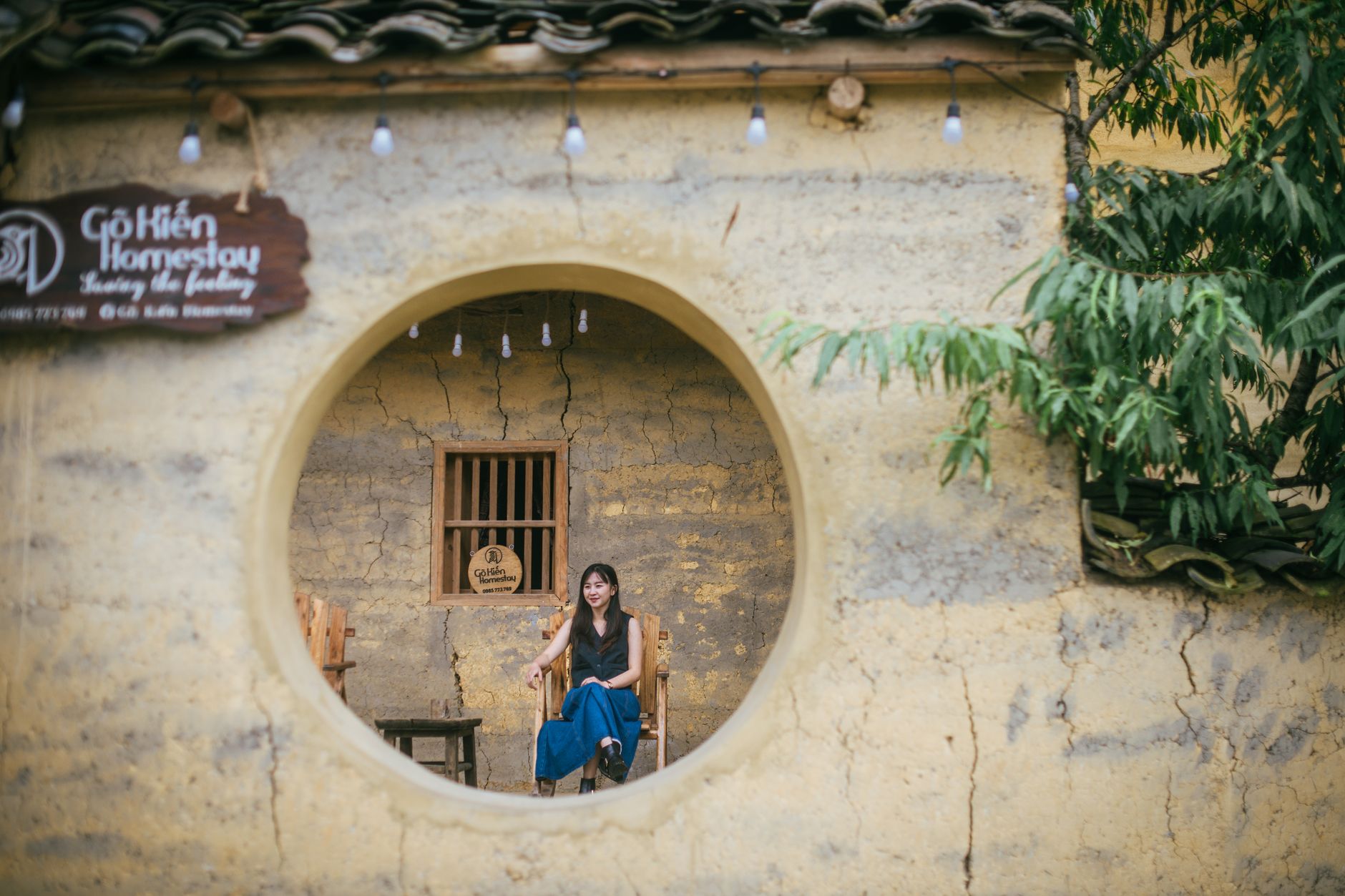
- Homestays: If you’re truly committed to immersion, a homestay is unparalleled. You'll live with a local family, share meals, and participate in their daily routines. Sites like Homestay.com or even language exchange programs often facilitate these.
- Longer Stays: The longer you stay in one place, the deeper you can go. Consider spending a week, a month, or even longer in a single city or region. This allows you to establish routines, make local friends, and truly settle in.
Transport: Navigating Like a Native:
- Public Transportation is Your Best Friend: Buses, subways, trams, trains – these are the arteries of any city. They're cheap, efficient, and offer a window into local life. You’ll see commuters, students, families, and street vendors, giving you a real sense of the daily grind. In Tokyo, I mastered their intricate subway system, which not only saved me a fortune but also made me feel incredibly self-sufficient.
- Walk or Cycle: Whenever possible, explore on foot or by bike. You'll discover hidden alleys, charming cafes, and street art you'd never see from a car window. Renting a bicycle in Amsterdam wasn't just transport; it was the quintessential Amsterdam experience.
- Avoid Taxis & Ride-Shares (Initially): While convenient, taxis isolate you. Use them sparingly, perhaps for late-night returns or when carrying heavy luggage. When you do, try to use local ride-sharing apps if available, as they often have local drivers who might share tips.
Specific Detail: In Medellín, Colombia, I bought a daily metro pass for about 6,000 COP ($1.50 USD), which allowed me to crisscross the city and explore neighborhoods far beyond the tourist zones, including the vibrant Comuna 13.
3. Eat Like a Local: Culinary Immersion Beyond the Tourist Trap
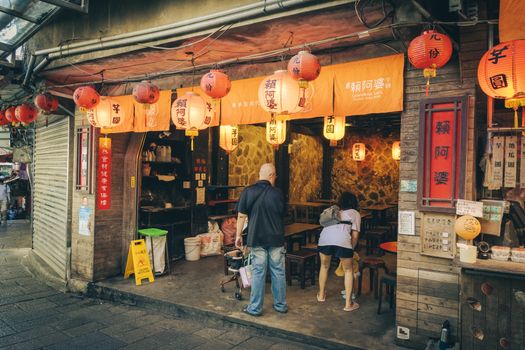
Food is the universal language of culture. To truly live like a local, you must eat like one. This means venturing far beyond the restaurant strips with English menus and glossy photos.
Hit the Local Markets:
This is my absolute favorite tip. Food markets are a sensory explosion and the heart of any community. You’ll find fresh produce, local delicacies, and often the best street food stalls. Don't be afraid to try new things! At the La Boqueria Market in Barcelona, I spent hours just sampling olives, cheeses, and freshly squeezed juices, chatting with vendors using broken Spanish and hand gestures.
Seek Out Street Food:
In many countries, street food isn't just a snack; it's a way of life. It's often incredibly delicious, cheap, and a fantastic way to mingle with locals. Look for stalls with long lines of locals – that’s your sign. In Ho Chi Minh City, I found a pho stall with plastic stools overflowing with people; for roughly 30,000 VND ($1.20 USD), I had the most authentic, soul-warming bowl of pho I've ever tasted.
Dine Where the Locals Dine:
How do you find these places? Ask! Your Airbnb host, a friendly shopkeeper, or even a fellow commuter can point you to their favorite hole-in-the-wall eateries. Avoid places with "Tourist Menu" signs. Often, the best spots are unassuming, perhaps a little rough around the edges, but bursting with flavor and local character.
Take a Cooking Class:
This is an incredible way to learn about local ingredients, techniques, and culinary traditions. I took a pasta-making class in Bologna, Italy, and not only did I learn to make tagliatelle from scratch, but I also shared stories and laughter with my Italian instructor and fellow students.
Practical Tip: Learn the names of a few local dishes before you go. This shows respect and helps you navigate menus. Don't be afraid to point or use a translation app if language is a barrier.
4. Speak the Language of Connection: Basic Phrases & Body Language
You don't need to be fluent, but making an effort to speak the local language is a game-changer. Even a few words can open doors and hearts.
Learn the Essentials:
"Hello," "please," "thank you," "excuse me," "how much," and "yes/no" are non-negotiables. These simple courtesies show respect and a willingness to connect. In Thailand, knowing "Sawasdee ka/krap" (hello) and "Khob khun ka/krap" (thank you) made every interaction warmer and more genuine.
Use Translation Apps Wisely:
Apps like Google Translate are invaluable tools, but don't hide behind them. Use them to bridge gaps, not to replace your own attempts. Try to speak the phrase first, then use the app if you get stuck.
Observe and Imitate Body Language:
Non-verbal cues are just as important as words. Pay attention to how locals greet each other, their personal space, hand gestures, and expressions. In Argentina, I quickly learned that a warm handshake and direct eye contact were key to a friendly introduction.
Be Patient with Yourself (and Them):
You will make mistakes. You will mispronounce words. Locals will appreciate your effort, even if it's imperfect. A smile and a genuine attempt go a long way. I once tried to order "agua sin gas" (still water) in Spain but accidentally said something like "agua con gas" (sparkling water) with a very confused look on my face. The waiter and I had a good laugh, and he kindly corrected me.
Instagram-worthy moment: Capture a candid photo of yourself trying to communicate with a local, perhaps at a market or a small shop, showing the genuine interaction and shared smiles.
5. Embrace the Everyday: Activities Beyond the Guidebook
Living like a local means participating in the daily rhythm of life, not just visiting tourist hotspots.
Find Local Hangouts:
Spend time in local cafes, parks, and community centers. These are places where people gather, relax, and interact. In Rome, I discovered a small piazza where elderly residents played bocce ball every evening. I'd grab a gelato, sit on a bench, and just soak in the atmosphere.
Attend Local Events:
Check local newspapers, community boards, or ask your host about festivals, concerts, markets, or sporting events. These are fantastic opportunities to see a culture in full swing. I stumbled upon a vibrant local carnival in a small Portuguese town, complete with traditional music, dancing, and food, which was far more exciting than any pre-booked tour.
Volunteer or Take a Class:
If you have more time, consider volunteering for a day or two, or taking a short course – a language class, a pottery workshop, or a dance lesson. This offers a structured way to meet locals with shared interests. I once joined a local yoga class in Bali, and it was a wonderful way to connect with both expats and Balinese women.
Explore "Working" Neighborhoods:
Venture beyond the picturesque old towns and into the more residential or industrial areas. These often reveal a different, grittier, but equally fascinating side of a city. In Berlin, exploring the street art and independent shops of Kreuzberg gave me a much deeper understanding of its contemporary culture than just visiting the Brandenburg Gate.
Practical Tip: Use apps like Meetup.com or Facebook groups for expats/locals to find events and activities that align with your interests. Your host or guesthouse owner is also an invaluable resource for local happenings.
6. Budgeting Like a Local: Smart Spending for Deeper Experiences
One of the beautiful side effects of living like a local is that it often saves you money, allowing you to travel longer and experience more.
Avoid Tourist Premiums:
Tourist areas often have inflated prices for food, souvenirs, and activities. By eating where locals eat, shopping where locals shop, and taking local transport, you naturally avoid these markups.
Haggle Respectfully (Where Appropriate):
In many cultures, haggling is expected, especially in markets. Do it with a smile, good humor, and respect. Don’t be aggressive or rude. Know when to walk away, but also know when a price is fair. In the souks of Marrakech, I learned to enjoy the playful banter of haggling, often resulting in a fair price and a shared laugh.
Cook Your Own Meals:
If you have access to a kitchen (common in Airbnbs and homestays), buy ingredients from local markets and cook some of your own meals. This is not only budget-friendly but also a fantastic way to experiment with local produce and flavors.
Look for Free Activities:
Many cities offer free walking tours (tip your guide!), public parks, free museum days, and open-air markets that are rich in cultural experience without costing a dime.
Specific Detail: While a tourist restaurant in Rome might charge €15-20 for a basic pasta dish, a local trattoria tucked away on a side street will often offer a delicious, authentic meal for €8-12, often including a glass of house wine. The difference adds up!
7. The Art of Asking: Connecting with Locals
The true magic of living like a local lies in the connections you make. But how do you initiate these without being intrusive?
Be Approachable and Friendly:
A simple smile and open body language can invite conversation. People are generally more willing to help or chat if you appear friendly and respectful.
Ask for Recommendations:
This is a fantastic icebreaker. "Excuse me, I'm looking for the best coffee shop around here – where do you go?" or "What's a local dish I absolutely have to try?" People love to share their favorites.
Show Genuine Interest:
When a local shares something, listen attentively. Ask follow-up questions. Be curious about their lives, their culture, and their perspectives. This isn't just about getting information; it's about building a bridge. I was once invited for tea by a shopkeeper in Jordan after expressing genuine interest in the intricate patterns of his rugs. We talked for an hour about his family, his craft, and Jordanian life.
Be Open to Invitations (with caution):
Sometimes, your genuine interest might lead to an invitation – for a meal, a drink, or a local event. Use your judgment and trust your gut, but often these are the moments that turn into the most cherished memories. Always prioritize your safety.
Give Back:
If someone helps you, offer a small token of appreciation – a compliment, a small gift from your home country (if appropriate), or simply a heartfelt "thank you."
Responsible Travel Tip: Always be mindful of local customs and traditions. Dress appropriately, ask for permission before taking photos, and be respectful of religious sites and local beliefs. Your presence should be enriching, not disruptive.
Your Mind-Blowing Local Adventure Awaits!
Living like a local is more than just a travel style; it's a philosophy. It's about slowing down, opening up, and allowing a place to truly unfold before you. It's about trading the superficial for the profound, the generic for the authentic, and the fleeting for the truly unforgettable.
The moments that will blow your mind aren't found in guidebooks; they're found in the shared laughter over a street food meal, the quiet conversation with a new friend, the thrill of navigating a city like a seasoned resident. These are the experiences that reshape your understanding of the world and yourself.
So, are you ready to ditch the tourist bubble and dive deep? What country will be your next temporary home? Share your local living tips and dream destinations in the comments below! And don't forget to bookmark this guide for your next authentic adventure. The world is waiting for you to truly live it.
---