The Unexpected Journey: How Living Like a Local Changed My Life Forever
I remember my first "big" trip. I meticulously planned every museum, every landmark, every highly-rated restaurant from a guide book. I saw the sights, took the photos, and checked off the boxes. Yet, something felt... missing. I returned home with beautiful memories, yes, but also a lingering sense that I hadn't truly connected with the places I'd visited. I'd been an observer, not a participant.
Then came the turning point. It was during a spontaneous decision to extend a two-week trip to Cartagena, Colombia, into a two-month stay. Instead of a fancy hotel, I rented a small apartment in a residential neighborhood. Instead of guided tours, I started taking the local bus. Instead of tourist traps, I found myself haggling for mangoes at the bustling Bazurto market, stumbling upon hole-in-the-wall eateries serving the most incredible arepas de huevo, and spending evenings practicing my terrible Spanish with the friendly shop owner downstairs.
That two-month stint wasn't just a trip; it was an awakening. It wasn't about the landmarks I saw, but the lives I touched, the flavors I savored, the rhythms I absorbed. It was messy, sometimes challenging, often uncomfortable, and utterly, profoundly transformative. It taught me that the real magic of travel isn't in seeing the world, but in living it. And that, my friends, is how living like a local changed my life forever.
If you’re ready to move beyond the tourist façade and truly immerse yourself, to forge deeper connections and discover a more authentic, enriching way to explore our incredible planet, then read on. This isn't just a travel hack; it's a philosophy.
1. The Mindset Shift: Ditching the Checklist & Embracing the Unknown
The first, and arguably most crucial, step to living like a local is a mental one. You need to shed the "tourist checklist" mentality. Forget the pressure to see every single famous monument. Instead, cultivate curiosity, patience, and an open heart.
My Personal Aha! Moment:
For years, I felt a strange guilt if I didn't visit the major attraction. In Paris, I once spent an entire afternoon stressing about getting to the Louvre before closing, only to rush through it, barely absorbing anything. On a later trip, after adopting the "local" mindset, I spent that same afternoon simply sitting in the Jardin du Luxembourg, watching families play, reading a book, and sipping coffee. That second experience was infinitely more enriching.
- Embrace Slow Travel: This isn't a race. Give yourself permission to stay longer in one place. A week is good, a month is better, and several months can be life-changing. The longer you stay, the more natural your rhythm becomes, and the more opportunities arise for genuine local interactions. I recommend a minimum of two weeks in a new city to truly begin to settle in.
- Let Go of Expectations: You won't always find what you're looking for, and that's okay. Some of the best experiences are the ones you stumble upon when you're not actively searching. Be flexible, be adaptable, and be ready for delightful surprises.
- Cultivate Curiosity: Ask questions. Observe. Listen. Why do people do things a certain way? What's the story behind that street vendor's cart? Every interaction is an opportunity to learn.
2. Finding Your Home Away From Home: Accommodation & Community Roots
Where you sleep profoundly impacts how you experience a place. Hotels, while convenient, often create a barrier between you and local life. To truly live like a local, you need to find a "home."
Practical Tips for Accommodation:
- Apartment Rentals (Airbnb, Booking.com, Local Sites): This is my go-to. Look for apartments in residential neighborhoods, not just the hyper-touristy zones. You'll often find better prices and a more authentic feel. In Lisbon, Portugal, instead of staying in Baixa, I rented a charming apartment in the Graça neighborhood for about €800/month (vs. €1500+ for a similar central spot). I woke up to the smell of fresh bread from the padaria downstairs and became a regular at the local pastelaria.
- House Sitting (TrustedHousesitters.com, MindMyHouse.com): If you're flexible and love animals, house sitting can provide free accommodation in exchange for caring for pets and homes. I once spent three weeks house-sitting in a beautiful villa in Tuscany, Italy, looking after two adorable dogs. It was an incredible way to experience rural Italian life without the cost of a rental.
- Homestays: Websites like Homestay.com connect you with local families. This is an unparalleled way to gain immediate cultural insight and language practice. You become part of a family, sharing meals and daily routines.
- Co-Living Spaces: Popular with digital nomads, these offer private rooms but shared common areas, often fostering a strong sense of community with both locals and other long-term travelers.
Building Your Local Network:
Once you have a base, start building connections.
- Befriend Your Neighbors: A simple "hello" or "good morning" can open doors. Offer to help. Share a smile. My landlord in Oaxaca, Mexico, became a dear friend, inviting me to family dinners and teaching me how to make mole. These connections are priceless.
- Frequent Local Spots: Find a local coffee shop, a small bar, or a corner store and become a regular. The staff will start to recognize you, and conversations will naturally follow.
- Join Local Groups/Classes: Whether it's a language exchange, a yoga class, a cooking workshop, or a hiking club, these are fantastic ways to meet like-minded locals. Meetup.com is excellent for this. In Bogotá, Colombia, I joined a free salsa class at a local community center – not only did I learn to dance, but I made fantastic local friends.
3. Eat Like a Local: A Culinary Journey Beyond the Tourist Menu
Food is the soul of a culture. To truly live like a local is to eat like one. This means venturing far beyond the polished menus and inflated prices of tourist-centric restaurants.
My Culinary Adventures:
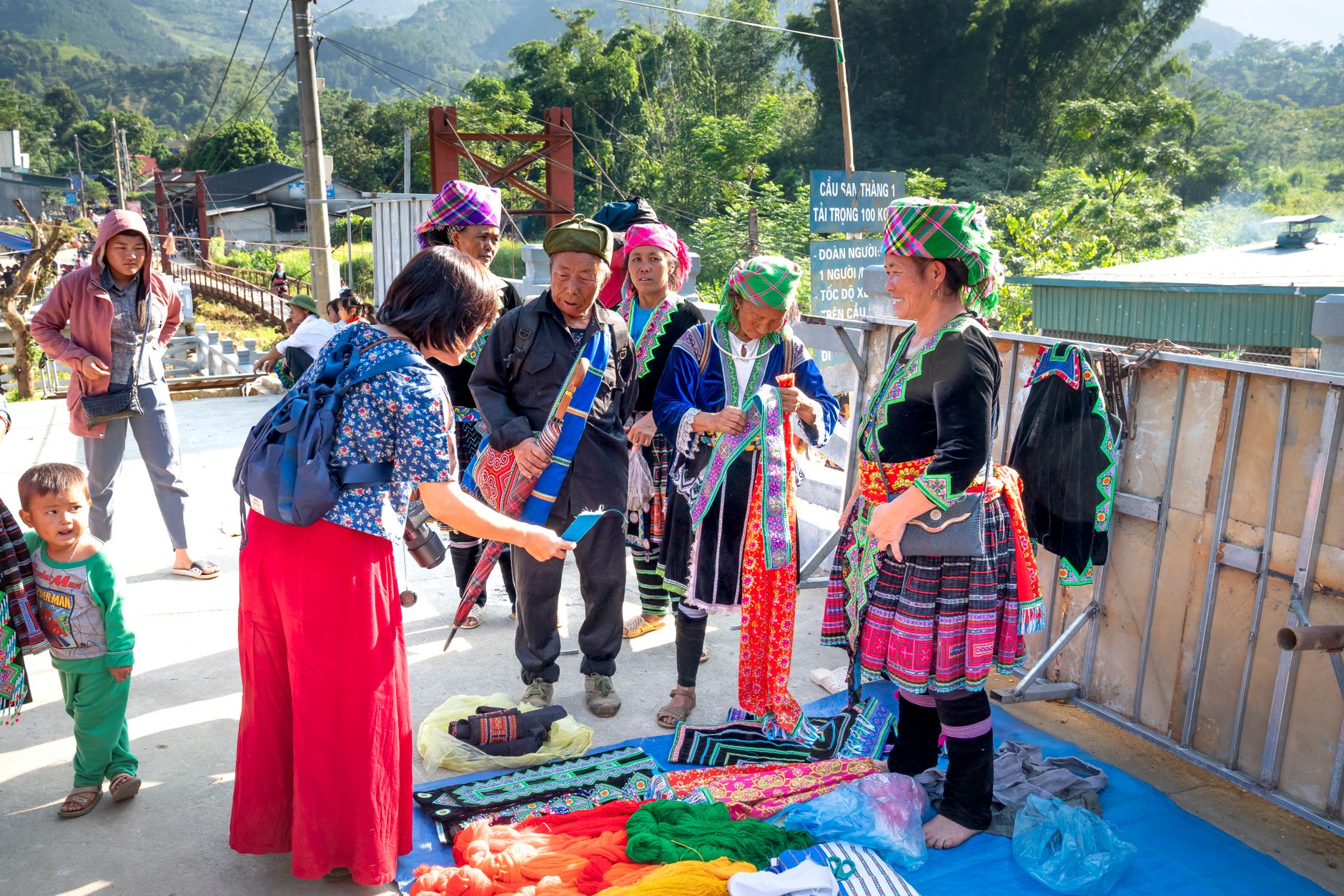
- Markets are Your Classroom: My absolute favorite way to understand a local food scene is to visit the markets. From the vibrant chaos of Istanbul's Spice Bazaar to the fresh produce stalls in Hoi An, Vietnam, markets offer an unfiltered glimpse into daily life. Talk to the vendors, ask what’s in season, learn about local ingredients. In Chiang Mai, Thailand, I’d spend hours at Warorot Market, trying exotic fruits for literally a dollar or two, and picking up ingredients to experiment with back in my rented kitchen.
- Street Food is King: Don't be afraid! If you see locals lining up, it's usually a good sign. Street food is often the most authentic, delicious, and budget-friendly way to eat. In Mexico City, I discovered tacos al pastor from a street cart that quickly became my daily ritual, costing about $1 per taco. It was far superior to any sit-down restaurant version.
- Ask for Recommendations (in the local language if possible!): Ask your landlord, a shopkeeper, or a new local friend for their favorite non-touristy eatery. "Donde comen los locales?" (Where do the locals eat?) is a phrase that has served me well across Latin America.
- Cook Your Own: Renting an apartment with a kitchen allows you to buy fresh ingredients from local markets and try your hand at cooking local dishes. This is an incredibly immersive experience. I took a cooking class in Florence, Italy, and then spent the rest of my stay recreating those dishes using ingredients from the Mercato Centrale. It felt incredibly satisfying.
Cost Insight:
While a tourist meal in a popular area might cost $20-30, a delicious, authentic local meal (street food or a small local eatery) can often be found for $3-10, depending on the country. This significantly impacts your budget for longer stays.
4. Navigate Like a Native: Embracing Local Transport & Daily Rhythms
Forget taxis and ride-sharing apps for every journey. To live like a local means understanding and utilizing the local transport system and integrating into the daily flow of life.
Getting Around:
- Public Transport is Your Friend: Buses, subways, trams – learn the routes, buy a local transport card, and use them. Not only is it significantly cheaper (often just a dollar or two per ride), but it’s where you truly observe local life. You’ll see people commuting, going about their day, and experience the city's pulse. In Berlin, Germany, I bought a monthly U-Bahn/S-Bahn pass for around €80, which allowed me unlimited travel and truly made me feel like a resident.
- Walk, Walk, Walk: Many cities are best explored on foot. It allows you to notice details you'd miss from a vehicle – a beautiful piece of street art, a hidden courtyard, a bustling local shop.
- Bicycles: In bike-friendly cities like Amsterdam or Copenhagen, renting a bike for an extended period is a fantastic way to blend in and get around efficiently. Many cities also have bike-sharing programs.
Daily Life & Errands:
- Supermarkets & Pharmacies: Skip the convenience stores in tourist areas and find the larger local supermarkets. You'll find better prices, a wider selection, and get a feel for what locals buy. Similarly, learn where the local pharmacies are.
- Understand Siestas/Opening Hours: In many cultures, businesses close for a few hours in the afternoon. Understand these rhythms to avoid frustration. In Spain, I quickly learned to plan my errands around the siesta and embrace the later dinner times.
- Embrace the Pace: Some cultures move faster, some slower. Adjust your internal clock to match the local rhythm. Don't rush or get impatient if things take longer than you're used to.
5. Language & Connection: Breaking Down Barriers, Building Bridges
Language is the ultimate key to unlocking a deeper local experience. Even a few basic phrases can make an enormous difference.
My Language Mishaps & Triumphs:
- Learn the Basics: "Hello," "thank you," "please," "excuse me," "how much?" and numbers. Even a few words show respect and a willingness to connect. Google Translate is a fantastic tool for on-the-spot translations, but don't rely solely on it. I use apps like Duolingo and Memrise for daily practice before and during my trips.
- Don't Be Afraid to Make Mistakes: Locals appreciate the effort, even if your pronunciation is terrible. I once tried to order a "hot dog" in Spanish in Peru, and due to my accent, it came out sounding like "dog with heat." The vendor and I had a good laugh, and he kindly corrected me. It's these moments that forge genuine connections.
- Engage in Conversation: Strike up conversations. Ask for directions, comment on the weather, compliment a dish. Even simple interactions can lead to surprising connections. In Vietnam, I found myself chatting with a street vendor about her family and her life, simply because I learned a few phrases in Vietnamese.
- Body Language & Non-Verbal Cues: Pay attention to how locals communicate non-verbally. A nod, a smile, a gesture – these can be just as important as words. Observe and adapt.
Finding Language Exchange & Practice:
- Language Exchange Meetups: Many cities have groups where locals want to practice English, and you can practice their language. It's a win-win.
- Local Cafes/Bars: These are natural places for casual conversation.
- Volunteer Opportunities: A fantastic way to practice language and contribute to the local community.
6. Work & Play: Integrating into Local Rhythms
To live like a local means doing more than just sightseeing; it means participating in the daily fabric of life, including work and leisure.
Work & Purpose:
- Digital Nomad Life: If your work is remote, you're already halfway there. Seek out local co-working spaces. Not only do they provide a productive environment, but they're also fantastic hubs for meeting both local professionals and other long-term travelers. I spent a month at a co-working space in Medellín, Colombia, and the networking opportunities and friendships I made were invaluable.
- Volunteering: Sites like Workaway.info or HelpX.net offer opportunities to volunteer in exchange for accommodation and sometimes food. This is a profound way to give back, learn new skills, and immerse yourself deeply in a local community. I volunteered at an animal sanctuary in Costa Rica, and it was one of the most rewarding experiences of my life, allowing me to connect with the local community on a deeper level.
- Temporary Local Work: Depending on visa regulations, some travelers find temporary work (e.g., teaching English, hospitality). Always check local laws and visa requirements first.
Leisure & Play:
- Attend Local Events: Look for local festivals, concerts, sporting events, or community gatherings. These are where locals truly let loose and celebrate their culture. In Seville, Spain, I was lucky enough to be there for Semana Santa (Holy Week), a deeply traditional and moving experience that felt miles away from any tourist show.
- Adopt a Local Hobby: Join a local running club, take a dance class (salsa, tango, flamenco!), learn a traditional craft, or simply frequent a local park for people-watching.
- Read Local News/Blogs: Staying informed about local issues and events helps you understand the community's concerns and celebrations.
7. Embracing the Uncomfortable: Growth & Transformation
Living like a local isn't always glamorous. There will be moments of frustration, confusion, loneliness, and even outright discomfort. But it's in these challenging moments that the most profound growth occurs.
My Moments of Discomfort & Discovery:
- The Power of Being Lost: I remember getting hopelessly lost on a local bus in Delhi, India. No English speakers, no GPS signal, just a bus full of curious, smiling faces. Instead of panicking, I simply embraced it. Eventually, a kind woman used hand gestures to guide me, and though it took hours, I saw parts of the city I never would have otherwise. It taught me resilience and trust in humanity.
- Cultural Misunderstandings: There will be times when you inadvertently say or do the wrong thing. In Japan, I once accidentally pointed with my foot, a gesture considered rude. Instead of being offended, the person gently corrected me. These moments are learning opportunities. Apologize sincerely, learn, and move on.
- Loneliness & Self-Reliance: Especially if you're traveling solo, there will be moments of loneliness. Embrace them. Use them for self-reflection, journaling, or simply enjoying your own company. Living like a local often means navigating situations independently, which builds incredible self-reliance and confidence.
The Ultimate Reward:
When you push past the comfort zone, you're rewarded with a deeper understanding of yourself and the world. You learn adaptability, empathy, and resilience. You realize that despite our differences, humanity shares so much in common. You'll return home not just with souvenirs, but with stories that truly live within you, perspectives that have shifted, and a heart expanded by genuine connection.
This isn't just about seeing new places; it's about seeing the world through new eyes, through the eyes of the people who call that place home. It's about becoming a part of their story, even if just for a little while. And that, my friends, is a travel experience that will change your life forever.
Ready to Live Like a Local? Your Adventure Awaits!
Don't wait for the "perfect" trip. Start small. Choose one destination for a longer stay, commit to learning a few local phrases, and seek out a local market. The world is waiting for you to truly live in it.
What's your favorite tip for living like a local? Share your stories and advice in the comments below! And don't forget to share this guide with your fellow adventurers – let's inspire more authentic travel!