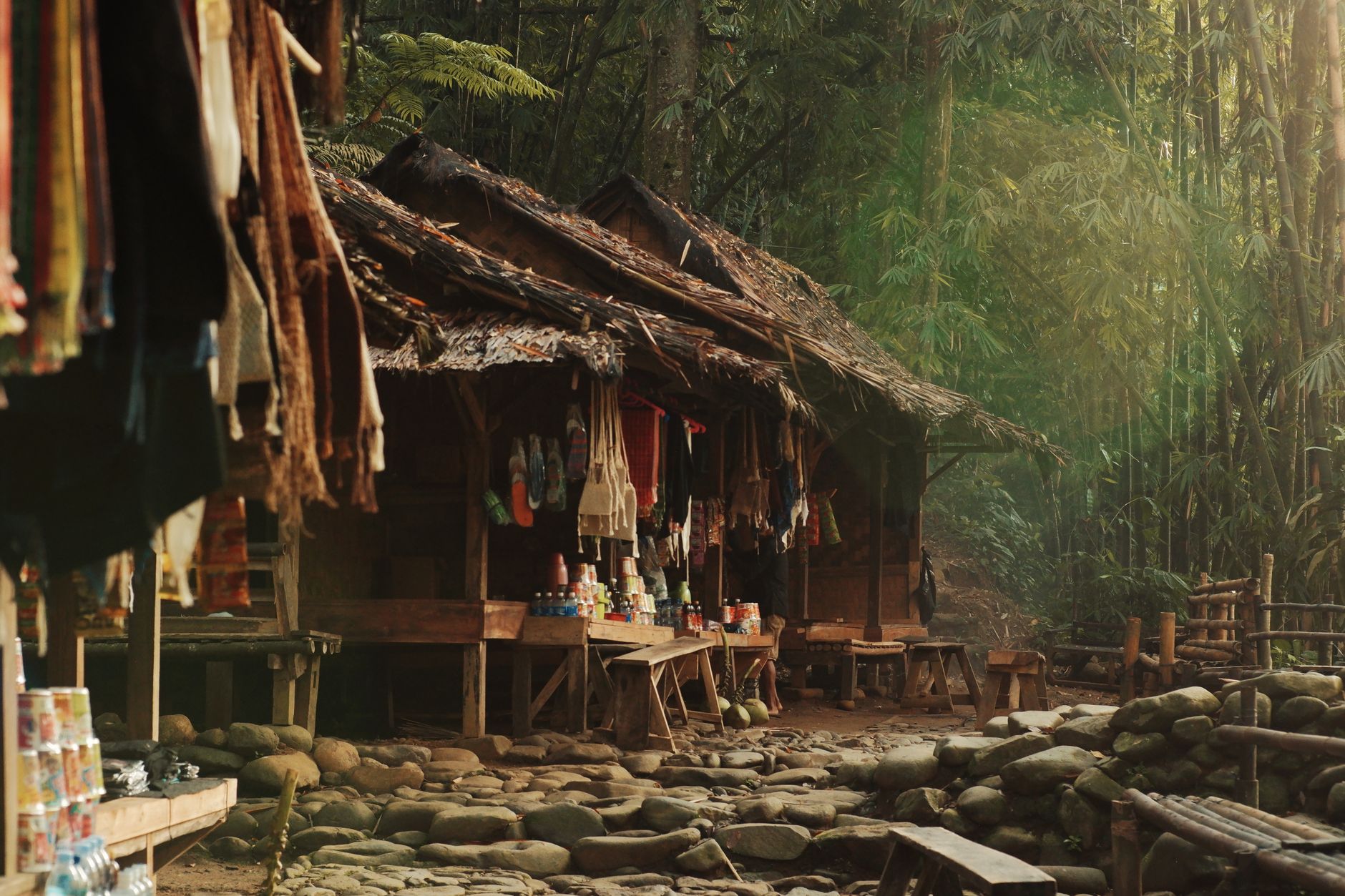
The Sweet Spot: How to Live Like a Local in Any Country Before They Become Mainstream
There’s a moment every seasoned traveler craves. It’s not the postcard perfect selfie in front of a famous landmark. It’s not the five-star resort experience. It’s that fleeting, almost spiritual connection you make when you stumble upon something truly authentic, something untouched by the relentless march of mass tourism. It’s the feeling of belonging, even just for a few days, in a place that feels utterly, wonderfully real.
I remember my first taste of this. It was nearly a decade ago, in a tiny, almost forgotten village nestled high in the Svaneti region of Georgia. Back then, the road to Mestia was a treacherous dirt track, and Ushguli, the highest inhabited village in Europe, felt like stepping back a thousand years. There were no English menus, no souvenir shops, just ancient stone towers, hardy villagers, and the breathtaking, silent majesty of the Caucasus mountains. I stayed in a family guesthouse, where my host, Nana, cooked the most incredible khachapuri I’ve ever tasted, taught me a few Georgian phrases with a patient smile, and shared stories through gestures and broken English. I spent my days hiking untouched trails, sharing homemade wine with shepherds, and feeling the profound quiet of a place that hadn't yet been "discovered."
That trip ignited a fire in me, a passion for seeking out these moments, these places, before the world catches on. Because let’s be honest, while popular destinations have their charm, there's a unique magic in experiencing a culture in its raw, unfiltered state. It's about genuine connection, unexpected discoveries, and memories that truly last a lifetime.
So, how do you find that magic? How do you live like a local in a country before it lands on every travel influencer's feed? It takes a bit more effort than booking a package tour, but I promise you, the rewards are immeasurable. Let's dive in.
1. The Art of Discovery: Unearthing Hidden Gems Beyond the Guidebooks
Forget the "Top 10 Countries to Visit" lists. The secret to finding truly undiscovered places lies in looking where others aren't. This is where your inner explorer needs to shine.
Ditch Google for Niche Research:
* Academic Papers & Anthropological Studies: Seriously. Search for cultural or historical research on regions that intrigue you. These often highlight remote communities, unique traditions, and places far from the tourist trail.
* Specialized Forums & Expat Blogs: Seek out communities of long-term travelers, digital nomads, or expats living in less-traveled regions. They often share invaluable insights into local life, hidden spots, and practical advice. Reddit's r/travel or niche travel forums can be goldmines.
* Geo-Guessing & Map Exploration: Spend hours on Google Maps, zooming into remote areas. Look for small towns, national parks, or coastlines that don't have obvious tourist infrastructure. Then, cross-reference with local news sites (translated, of course) or social media.
* Word-of-Mouth from the Right People: Talk to people who live abroad, not just travel there. Ask them where they go for a weekend escape, or where their local friends take them. My friend, who's lived in Southeast Asia for years, once pointed me towards the stunning, untouched beaches of Palawan's northern islands in the Philippines – long before they became Instagram sensations.
* Local Media & Art: Explore local newspapers, music, and art scenes from a country you're interested in. What are the locals talking about? What are their artists creating? This can reveal emerging cultural hotspots or areas of local pride.
Consider Emerging Economies & Regions:
Often, countries that are still developing their tourism infrastructure offer the most authentic experiences. Think parts of the Balkans (Albania, Bosnia & Herzegovina, North Macedonia), Central Asia (Kyrgyzstan, Uzbekistan), or even lesser-known regions within popular countries (e.g., Eastern Turkey, rural parts of Colombia beyond Medellín/Cartagena, or the northern islands of Japan). These places might require a bit more grit and flexibility, but they deliver unparalleled authenticity.
- Actionable Tip: Pick a country that sparks your interest, then spend a week just researching it without looking at mainstream travel blogs. Dive into its history, current events, and local art. Look for regions mentioned in local news that aren't tourist-focused.
2. Ditch the Hotel, Embrace the Home: Authentic Accommodation Choices
Your choice of accommodation is perhaps the most critical step in living like a local. Hotels, especially international chains, are designed to insulate you from the local culture.
Go Local with Your Stay:
* Homestays & Family Guesthouses: This is my absolute top recommendation. Platforms like Airbnb (use filters to find "private room" or "entire home" with a local host and read reviews carefully for genuine interaction) or specialized local homestay networks are perfect. You'll often get insights into local customs, home-cooked meals, and invaluable advice. In Vietnam, staying with a family in Mai Chau gave me a glimpse into traditional White Thai life, sharing meals and stories around their communal fire pit.
* Couchsurfing (for Connection, not just a Free Bed): While it's known for being free, Couchsurfing's true value lies in connecting with locals. Many hosts are eager to share their city, introduce you to their friends, and offer a truly immersive experience. Just remember to be a respectful guest and offer to contribute.
* Local B&Bs & Boutique Guesthouses: Look for small, independently run establishments that clearly cater to a local or regional clientele. These are often family-owned and operated, providing a more intimate atmosphere than larger hotels.
* House-Sitting: For longer stays, house-sitting can be a fantastic way to live in a residential neighborhood, care for pets, and experience daily life in a foreign country without the cost of rent. Websites like TrustedHousesitters or HouseCarers are good starting points.
Location, Location, Location:
Even within a city, choose your neighborhood wisely. Avoid the central tourist districts. Instead, look for residential areas with local markets, small cafes, and public transport links. You'll wake up to the sounds of local life, not tour buses. My apartment in Lisbon was in Alfama, but not the touristy lower part – it was higher up, nestled among tiny, winding streets where neighbors chatted from balconies and kids played soccer in the squares. The local tascas (small taverns) were my go-to for cheap, delicious food and genuine conversations.
- Actionable Tip: When searching for accommodation, prioritize reviews that mention host interaction, local neighborhood vibes, and proximity to local markets or public transport, rather than tourist attractions.
3. Eating Your Way In: Culinary Immersion Beyond the Tourist Trap
Food is the universal language, and there’s no better way to understand a culture than through its cuisine. But forget the restaurants with English menus and glossy photos.
Follow Your Nose, Not Your Guidebook:
* Local Markets: This is your holy grail. Head to the local wet markets, farmers' markets, or street food markets. Observe what locals are buying, what's in season, and where the queues are longest. Don't be afraid to try new things – that's where the magic happens! In Oaxaca, Mexico, I spent hours at Mercado Benito Juárez, sampling everything from tlayudas to grasshoppers, guided by the friendly vendors.
* Street Food Stalls: Often the most authentic and delicious food comes from humble street vendors. Look for cleanliness, fresh ingredients, and again, where the locals are eating. A bowl of pho from a tiny stall in Hanoi for $1.50 will blow any fancy restaurant version out of the water.
* Ask Locals (the Right Locals): Don't ask your hotel concierge. Ask your Airbnb host, a shopkeeper, or a friendly barista where they eat. Ask for their favorite "hole-in-the-wall" spot. They'll often point you to unassuming eateries that serve incredible, authentic dishes at local prices.
* Learn to Cook: Take a local cooking class. This is an incredible way to learn about ingredients, techniques, and cultural significance of dishes. Plus, you get to eat your creations! I once took a cooking class in Chiang Mai, Thailand, and learned to make a green curry from scratch – a skill I still cherish.
* Avoid English Menus: If a restaurant has an English menu prominently displayed, it's likely catering to tourists. Seek out places with only local language menus, or better yet, no menu at all – just point to what others are eating or ask for the "chef's special." A little adventure is part of the fun!
- Actionable Tip: Dedicate at least one meal a day to exploring a local market or a small, unassuming eatery recommended by a local. Be adventurous with your choices!
4. Navigate Like a Native: Mastering Local Transport & Daily Rhythms
How you get around profoundly impacts your experience. Ditch the private taxis and tour buses.
Embrace Public Transport:
* Buses, Trains, Metros, Trams: These are the lifeblood of local communities. They're cheap, efficient (usually), and offer a fantastic window into daily life. You'll see commuters, schoolchildren, and vendors going about their day. Navigating Istanbul's intricate public transport system (metro, tram, ferry, dolmuş) was an adventure in itself and revealed so much about the city's pulse.
* Shared Taxis/Vans (e.g., Collectivos, Marshrutkas, Jeepneys): In many parts of the world, shared transport is the norm. It’s an incredibly social way to travel, often leading to unexpected conversations and insights. Just be aware of local customs regarding payment and seating. Riding a crowded jeepney in Manila is an experience you won't soon forget!
* Walk & Cycle: For shorter distances, walking or cycling allows you to truly absorb your surroundings, discover hidden alleys, and stumble upon local gems. Many cities now have bike-sharing programs.
Observe & Adapt to Local Rhythms:
* Meal Times: Locals eat at different times than tourists. Embrace the late Spanish dinner or the early Southeast Asian breakfast.
* Siestas & Opening Hours: Respect local customs like siestas (afternoon closures) in many Mediterranean and Latin American countries. Don't expect everything to be open 24/7.
* Pace of Life: Some cultures move slower, others faster. Try to match the local rhythm rather than imposing your own. This is especially true in rural areas. Spending a month in a small fishing village in Portugal taught me the true meaning of "slow living."
- Actionable Tip: Before you arrive, research the local public transport system. Download relevant apps, learn how to buy tickets, and try to use it exclusively for at least one full day.
5. Speak the Silence, Learn the Lingo: Connecting Beyond Words
You don't need to be fluent, but making an effort goes a long way.
The Power of Basic Phrases:
* "Hello," "Please," "Thank You," "Excuse Me," "Sorry": These five phrases are your passport to goodwill. Learning them in the local language shows respect and opens doors.
* "How much?", "Where is?", "Delicious!": A few more practical phrases can make your daily interactions smoother and more enjoyable.
* Language Exchange Apps: Apps like HelloTalk or Tandem allow you to chat with native speakers and practice your phrases before you even leave home.
Beyond Words: Observation & Non-Verbal Cues:
* Body Language: Observe how locals interact. Is direct eye contact common or avoided? How do people greet each other? A simple nod, a bow, or a hand gesture can communicate volumes.
* Dress Code: While you don't need to completely overhaul your wardrobe, dressing respectfully, especially in religious sites or conservative areas, shows you care about local customs.
* Cultural Etiquette: Research basic cultural norms. Is it customary to tip? Should you remove your shoes indoors? Are certain topics of conversation taboo? A little research prevents awkward situations and fosters respect. In Japan, understanding the nuances of bowing and gift-giving made my interactions so much richer.
- Actionable Tip: Before your trip, learn at least 10 essential phrases. Carry a small notebook to jot down new words you hear. Don't be afraid to make mistakes – locals appreciate the effort!
6. The Slow Travel Mindset: More Than Just a Trip, It's a Lifestyle
To truly live like a local, you need time. Ditch the whirlwind itinerary.
Embrace Longer Stays:
* Minimum One Week, Ideally Two Weeks or More: A weekend trip is a vacation; a longer stay is an immersion. It gives you time to unpack, settle into a routine, get to know your neighborhood, and form connections. My month-long stay in a small town in rural Montenegro transformed my understanding of Balkan culture.
* Single Destination Focus: Instead of hopping between five cities, pick one region or city and explore it deeply. Take day trips from a central base, but spend your evenings and mornings in your chosen local hub.
Be Present & Mindful:
* Disconnect: Put your phone down. Resist the urge to constantly document everything. Sometimes the most beautiful moments are the ones you experience fully, without a screen between you and the world.
* Journal: Keep a travel journal. Write down your observations, feelings, and the small, everyday interactions that make your trip unique. This helps you process and remember the nuances of local life.
* Support Local Businesses: Buy your groceries from the local market, your coffee from the corner cafe, and your souvenirs from independent artisans. This directly supports the local economy and fosters positive relationships.
Give Back & Engage:
* Volunteer: For longer stays, consider short-term volunteering opportunities. This is an incredible way to contribute to the community, meet locals, and gain a deeper understanding of the challenges and triumphs of daily life.
* Attend Local Events: Look for local festivals, concerts, sporting events, or community gatherings. These are fantastic opportunities to witness cultural traditions and mingle with locals. I once stumbled upon a vibrant village festival in Sicily, complete with traditional music, dancing, and incredible food – an experience far more memorable than any tourist attraction.
- Actionable Tip: Plan an itinerary with ample "free time." Don't overschedule. Allow yourself to wander, get lost, and follow spontaneous opportunities.
Your Next Adventure Awaits: Beyond the Mainstream
Living like a local before a destination becomes mainstream isn't just a way to travel; it's a philosophy. It's about curiosity, respect, and a willingness to step outside your comfort zone. It's about seeking connection over convenience, authenticity over Instagram fame, and profound experiences over superficial sightseeing.
The world is vast and full of incredible, untouched corners waiting for you to discover them. They won't stay hidden forever, so now is the time to embark on that adventure. Ditch the crowds, embrace the unknown, and unlock a truly transformative way to see the world.
What's your next hidden gem? Share your tips for finding undiscovered places in the comments below! Let's inspire each other to travel deeper, live more authentically, and create memories that truly matter.
---