Unlock Travel Magic: How Supporting Local Businesses Will Blow Your Mind (and Your Instagram Feed!)
I remember it like it was yesterday. I was lost – truly, wonderfully, utterly lost – down a cobblestone alleyway in a small town in Tuscany. My GPS had given up, my Italian was rudimentary at best, and the grand piazza I was aiming for felt miles away. Just as a flicker of panic started to set in, a warm, buttery aroma wafted from an open doorway. Inside, an elderly woman, her face a roadmap of smiles and wrinkles, was kneading dough with practiced ease in what looked like a tiny, ancient bakery.
She saw my bewildered face, chuckled, and beckoned me in. With gestures and a few broken words, she offered me a freshly baked focaccia, still warm from the oven, drizzled with olive oil and sprinkled with sea salt. It cost me less than a euro. But that simple, unplanned interaction, that moment of genuine human connection over a piece of bread, tasted infinitely better than any Michelin-starred meal I'd ever had. It wasn't just food; it was a story, a welcome, a glimpse into the heart of a place.
That day, I learned a profound truth: the real magic of travel isn't found in the grand monuments or the glossy brochures. It’s found in the unassuming corners, in the hands of the locals, in the everyday businesses that are the very pulse of a community. And supporting them? That's how you truly blow your mind and unlock experiences you never knew existed.
Welcome to Tripsora, and get ready to trade predictable for profound. Let's talk about how to travel better, deeper, and more authentically by putting your dollars where they truly count.
The Soul of a Destination: Why Local Matters More Than Ever
Before we dive into the "how," let's talk about the "why." When you choose a global chain hotel, a mass-produced souvenir, or a fast-food joint, your money often leaves the local economy as quickly as it entered. But when you spend your hard-earned cash at a family-run guesthouse, a local artisan's shop, or a neighborhood eatery, you’re doing so much more than just making a purchase.
You're:
* Empowering local economies: Your money directly supports families, creates jobs, and helps small businesses thrive. It's a tangible investment in the community's future.
* Preserving unique culture: Local businesses are often custodians of traditions, crafts, and culinary heritage. By supporting them, you help keep these vital aspects of a culture alive and vibrant.
* Fostering authentic experiences: Forget the sanitized, tourist-trap versions of a destination. Local businesses offer genuine insights, real stories, and unfiltered interactions that connect you directly to the heart of a place.
* Reducing your environmental footprint: Often, local businesses source locally, have smaller operational footprints, and are more sustainable by nature than their larger counterparts.
Think of it this way: your wallet is a powerful tool. Use it to build bridges, not just buy things.
Taste the Authenticity: Culinary Adventures Beyond the Tourist Traps
Let's be real: food is a huge part of travel. But are you truly eating a destination, or just consuming calories? Ditch the "international" menus and dive headfirst into the local culinary scene. This is where your mind, and your taste buds, will truly be blown.
How to find them:
* Ask a local: The best advice comes from those who live there. Ask your guesthouse owner, a shopkeeper, or even a friendly stranger where they eat. "Where would your grandmother go for the best [local dish]?" is my go-to question.
* Wander off the main drag: Tourist restaurants tend to cluster around major attractions. Venture a few blocks away, down a side street, and you’ll often find the real gems.
* Look for queues: If locals are lining up, it’s usually a good sign.
* Check local blogs/foodie forums: Beyond big-name review sites, look for local food bloggers or online communities that highlight hidden spots.
Personal Anecdote:
In Bangkok, a street food vendor introduced me to a dish called "Khao Kha Mu" (braised pork leg with rice). It was a tiny stall, just a few plastic tables, tucked away from the main road. The owner, a woman named Preeya, had been making it for over 30 years, using her grandmother's recipe. She painstakingly explained the ingredients (through charades and broken English) and even gave me extra chili. That meal, costing about $2 USD, was an explosion of sweet, savory, and spicy – a flavor profile I still dream about. It wasn't just food; it was a masterclass in local tradition.
Actionable Advice:
* Eat street food: Often the freshest, most authentic, and cheapest way to experience local cuisine. Don't be afraid – follow the crowds, look for high turnover, and trust your gut (literally!).
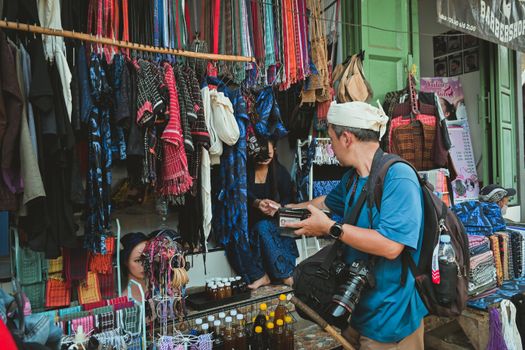
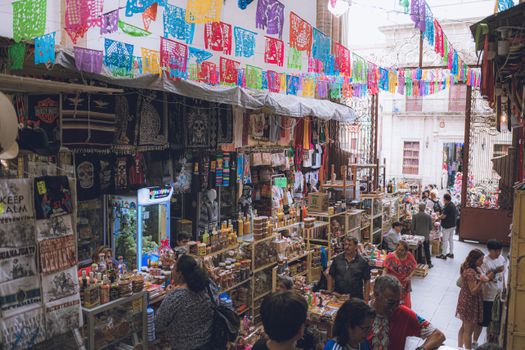
* Visit local markets: Not just for produce, but for ready-to-eat snacks, baked goods, and local delicacies. In many cultures, markets are the heart of daily life.
* Take a cooking class from a local: Learn to make traditional dishes in someone's home or a small local school. This is an incredible way to connect with culture and bring a piece of your trip home. Expect to pay anywhere from $40-$100+ depending on the location and length, but it’s worth every penny.
* Support family-run restaurants: Look for places with handwritten menus, a limited number of dishes (often a sign of specialization), and a warm, inviting atmosphere.
Instagram-worthy moment:
A vibrant plate of street food, a bustling market scene, or your own creation in a cooking class! Use hashtags like #EatLocal #AuthenticEats #FoodieAdventures.
Crafting Memories: Artisanal Treasures & Unique Souvenirs
Forget the mass-produced keychains and "I ♥ [City]" t-shirts. The most meaningful souvenirs are those with a story, crafted by local hands, and reflective of the destination's unique heritage. These aren't just objects; they're memories made tangible.
How to find them:
* Seek out craft markets: Beyond the main tourist markets, look for weekend or specialized craft fairs.
* Visit artist studios: Many towns have districts where artists and artisans have their workshops. Look for signs, or ask locals.
* Explore small boutiques: Often, independent boutiques curate local designs and handmade goods.
* Look for cooperatives: In many developing countries, artisan cooperatives empower local communities, particularly women, to sell their crafts fairly.
Personal Anecdote:
While exploring the winding streets of Oaxaca, Mexico, I stumbled upon a small textile shop. Inside, a woman named Elena was weaving an intricate pattern on a backstrap loom, a technique passed down through generations. She explained the symbolism of the colors and motifs in her Zapotec culture. I bought a beautifully embroidered cushion cover for about $30 USD. Every time I see it on my couch, it's not just a cushion; it's Elena's story, her family's heritage, and a vibrant reminder of my time there. It’s a far cry from a generic fridge magnet.
Actionable Advice:
* Prioritize handmade: Look for items that show the touch of a human hand – slight imperfections, unique designs.
* Ask about the process: Engaging with the artisan about how they create their work adds immense value to your purchase and enriches your experience.
* Bargain respectfully (if culturally appropriate): In many cultures, gentle bargaining is part of the experience, but always be fair and remember you're supporting someone's livelihood.
* Avoid mass-produced "cultural" items: If you see the same item in every single tourist shop, it’s likely imported and not genuinely local.
Instagram-worthy moment:
A close-up of a unique handcrafted item, an artisan at work, or a vibrant craft market scene. Use hashtags like #SupportArtisans #HandmadeTravel #UniqueSouvenirs #Craftsmanship.
Beyond the Guidebook: Experiences That Connect You
While guidebooks are great for landmarks, they rarely lead you to the truly transformative experiences. For that, you need local insights. Hiring a local guide or participating in a community-led tour can turn a generic sightseeing trip into a profound cultural immersion.
How to find them:
* Check local tourism boards: Sometimes they list smaller, independent guides or niche tour operators.
* Word-of-mouth: Ask your guesthouse owner or other travelers for recommendations.
* Online platforms focusing on local experiences: Websites like Airbnb Experiences, Withlocals, or local community tourism initiatives often feature small-group tours led by locals.
* Look for specialized interests: Are you into street art, history, photography, or hiking? There's likely a local expert offering a bespoke tour.
Personal Anecdote:
In Rome, instead of a big bus tour, I booked a "Hidden Rome" walking tour through a small, local company. Our guide, Marco, was a history student who grew up in the city. He took us to ancient Roman laundromats, secret gardens, and explained the graffiti as much as the frescoes. He shared personal stories of growing up in the Eternal City, pointing out his favorite gelato shop (which, naturally, became mine). The tour cost around $35, and it felt like exploring the city with a knowledgeable friend, not a canned lecture. It brought Rome to life in a way no major attraction ever could.
Actionable Advice:
* Opt for small group or private tours: These allow for more personalized interaction and flexibility.
* Engage with your guide: Ask questions, share your interests, and let them know what you're hoping to experience.
* Look for themed tours: Food tours, street art tours, photography tours, historical walks – these often reveal unique perspectives.
* Consider community-based tourism: Some organizations facilitate visits to local villages or indigenous communities, ensuring your money directly benefits them. Research these carefully to ensure they are ethical and respectful.
Instagram-worthy moment:
A candid shot with your amazing local guide, a unique angle of a famous landmark revealed by a local, or a hidden alleyway discovery. Use hashtags like #LocalPerspective #AuthenticExperiences #TravelWithLocals #BeyondTheGuidebook.
Stay Small, Live Big: Boutique Stays & Homestays
Where you lay your head at night can dramatically shape your travel experience. While large hotel chains offer consistency, they often lack the character and connection that local accommodations provide.
How to find them:
* Booking platforms with filters: Use filters on sites like Booking.com or Expedia to search for "guesthouses," "B&Bs," "boutique hotels," "homestays," or "apartments."
* Specialized booking sites: Websites like Sawadee (for Southeast Asia), or local tourism websites often list smaller, independent properties.
* Read reviews carefully: Look for mentions of friendly owners, local tips, and authentic charm.
* Google Maps exploration: Zoom in on neighborhoods you like and look for smaller pins that aren't big hotel brands.
Personal Anecdote:
In a small village in Portugal, I booked a room in an "Alojamento Local" (local accommodation). It was a beautiful old house converted into a guesthouse, run by a retired couple, Maria and João. Every morning, Maria would bake fresh bread and serve homemade jams for breakfast on their sunny terrace. João would share stories about the village and give me hand-drawn maps to his favorite viewpoints. The room was simple but charming, costing about $60 a night. It felt less like a hotel and more like staying with beloved relatives. That personal touch, the warmth of their hospitality, made my entire trip to Portugal unforgettable.
Actionable Advice:
* Embrace the unique character: Don't expect cookie-cutter amenities. Each local stay has its own charm and quirks.
* Engage with your hosts: They are a goldmine of local information, from the best restaurants to hidden sights.
* Consider homestays for deep immersion: Living with a local family offers an unparalleled cultural exchange, though it requires an open mind and willingness to adapt.
* Check for direct booking options: Sometimes booking directly with the property can save them commission fees and sometimes get you a better rate.
Instagram-worthy moment:
A charming facade of your guesthouse, a delicious homemade breakfast spread, or a cozy corner of your unique room. Use hashtags like #BoutiqueStay #HomestayAdventures #SupportLocalHotels #TravelAuthentically.
The Unsung Heroes: Local Services You Didn't Know You Needed
Beyond the obvious, there's a whole world of local businesses that can unexpectedly enrich your travels. These are the everyday services that, when utilized, deepen your understanding of local life and often lead to delightful interactions.
Examples:
* Local laundromats: Instead of expensive hotel laundry, find a neighborhood laundromat. You might strike up a conversation with a local, or simply observe daily life.
* Independent bookstores: Discover local authors, unique publications, or simply enjoy a quiet moment surrounded by local literature.
* Neighborhood coffee shops/tea houses: Skip the global chains and find a local spot. It’s often where locals gather, chat, and start their day.
* Local barbershops/hair salons: Need a trim? This can be a surprisingly fun and immersive experience, even with a language barrier.
* Bike rental shops: Instead of a tour bus, rent a bike from a local shop and explore at your own pace. They often have great route suggestions.
* Small grocery stores/delis: Perfect for picking up local snacks, drinks, or ingredients for a picnic.
Personal Anecdote:
In Hanoi, Vietnam, my backpack zipper broke. Instead of trying to find a Western-style repair shop, I walked into a tiny, cluttered tailor's shop I'd seen on a side street. The elderly tailor, with nimble fingers, fixed it perfectly in 15 minutes for about $1.50 USD. While waiting, I watched him meticulously mend other items, surrounded by bolts of fabric and the whir of his ancient sewing machine. It was a small interaction, but it felt so much more real and satisfying than simply buying a new bag. It was a reminder of the ingenuity and resourcefulness of local communities.
Actionable Advice:
* Embrace small needs: Don't automatically default to what's familiar. Look for local solutions to everyday problems.
* Be open to interaction: These are often the places where you'll have organic conversations and witness daily life unfold.
* Carry small bills: Many small local businesses prefer cash.
* Say "thank you" in the local language: A simple gesture goes a long way.
Instagram-worthy moment:
A quirky local shop facade, a candid shot of a unique local service, or a delicious local pastry from a neighborhood cafe. Use hashtags like #LocalLife #HiddenGems #EverydayAdventures #SupportSmallBusiness.
Your Journey to Mind-Blowing Travel Starts Now!
The world is full of incredible people and their stories, waiting to be discovered beyond the well-trodden paths. By consciously choosing to support local businesses, you're not just a tourist passing through; you become a participant, a contributor, and a recipient of genuine human connection. You'll collect memories richer than any souvenir, taste flavors that linger long after you've returned home, and experience a depth of culture that will truly blow your mind.
So, on your next adventure, challenge yourself. Skip the chain, seek out the small, and let your curiosity lead the way. You won't just see the world; you'll feel its heartbeat.
What are your favorite local businesses you’ve supported on your travels? Share your stories and inspire fellow Tripsora readers in the comments below!
---