Monsoon Magic: How Embracing the Rain Unlocked the Most Transformative Travels of My Life
The travel forums screamed, the guidebooks whispered warnings, and every seasoned traveler I knew shook their head: "Don't go to India during monsoon season!" The image painted was one of relentless downpours, flooded roads, mosquito swarms, and general misery. It was the common wisdom, the unwritten rule of travel. And for years, I heeded it.
But then, something shifted. Maybe it was the yearning for a truly authentic experience, a desire to escape the tourist hordes, or perhaps a tight budget dictating off-peak travel. Whatever the impetus, I found myself booking a flight to India in July – smack dab in the middle of monsoon season. My friends thought I was mad. My family worried. I, too, had a knot of apprehension in my stomach. What if they were right? What if I'd traded sunny beaches and clear skies for a soggy, miserable mess?
Spoiler alert: They were wrong. So incredibly, wonderfully wrong.
That trip wasn't just an adventure; it was a revelation. It wasn't just a journey through landscapes; it was a journey within. The monsoon season, far from being a deterrent, became the very catalyst for some of the most profound, beautiful, and life-changing travel experiences I've ever had. It taught me to embrace the unpredictable, to find beauty in imperfection, and to see the world through a lens of vibrant, rain-washed wonder.
If you’re tired of crowded landmarks, inflated prices, and the generic tourist trail, then lean in. Because I'm about to tell you why avoiding monsoon travel might just be the biggest mistake you're making, and how you can unlock your own life-changing rainy season adventure.
The Myth of Monsoon Misery: Why I Dared to Defy
The narrative around monsoon travel is usually one of inconvenience and disappointment. Images of washed-out roads and cancelled plans dominate. But this narrative often overlooks the incredible transformation the rain brings. For me, the decision to challenge this myth came from a confluence of factors:
- Budget: Off-season travel almost always means lower prices. Flights are cheaper, accommodation deals abound, and even local transport can be more economical. My limited travel fund stretched further, allowing for richer experiences.
- Authenticity: I craved a deeper connection with the places I visited. Monsoons strip away the veneer of mass tourism. You see locals living their daily lives, adapting to the weather, and the interactions feel more genuine, less transactional.
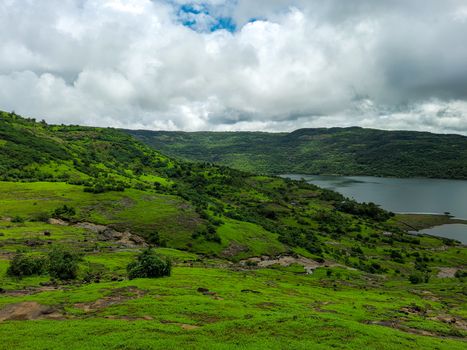
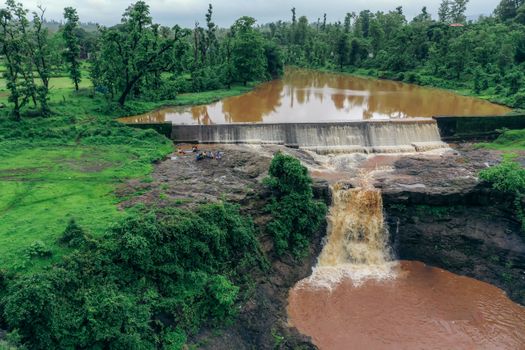
- Lush Landscapes: I'd seen pictures of India's dry season, but the idea of witnessing the land explode into vibrant greens, of waterfalls roaring to life, was too enticing to ignore. I wanted to see nature at its most dramatic.
- Escape the Crowds: Let's be honest, fighting through throngs of tourists can detract from the magic of a place. Monsoon season promised solitude, quiet moments, and unobstructed views – a luxury in popular destinations.
My first destination was Kerala, the "God's Own Country," famous for its backwaters and Ayurvedic traditions. It was a baptism by rain, and it set the tone for an entirely new way of traveling.
Kerala's Emerald Embrace: A Backwater Revelation
Kerala during monsoon is not just green; it's a thousand shades of emerald, jade, and chartreuse. The very air hums with life, thick with the scent of wet earth, blooming jasmine, and fresh spices. The moment my feet touched the rain-kissed soil of Kochi, I knew I’d made the right choice.
Instead of the blazing sun, a gentle drizzle often accompanied me as I explored Fort Kochi's colonial charm. The Chinese fishing nets stood silhouetted against dramatic, bruised skies – a photographer's dream. But the true magic unfolded in the backwaters of Alleppey (Alappuzha).
The Houseboat Experience:
I booked a one-night stay on a traditional Kettuvallam (houseboat). During peak season, these can be pricey and booked solid. In monsoon, I found a fantastic deal for ₹7,000 (approx. $85 USD) for a private, air-conditioned boat with three meals included. As we glided through the narrow canals, the rain pattered softly on the thatched roof, creating a soothing symphony. The world outside was a canvas of moving art: villagers fishing, children splashing, women washing clothes by the water's edge. The usual tourist boats were few and far between, giving me an unparalleled sense of peace and intimacy with the landscape.
- Practical Tip: Look for deals directly with houseboat operators in Alleppey or Kumarakom. Don't be afraid to negotiate, especially if you're traveling midweek. Many offer day trips if an overnight stay isn't in your budget.
- Local Delight: I remember stopping at a small village shop where a kind woman served me the freshest, spiciest fish curry with red rice, all for ₹150 (less than $2 USD). The warmth of the food, the simple setting, and the genuine smile of the vendor felt more authentic than any fancy restaurant.
This quiet, contemplative journey through Kerala's backwaters was deeply meditative. It taught me to slow down, to observe, and to simply be.
Trekking Through the Clouds: Meghalaya's Living Root Bridges
From the serene backwaters, I journeyed north-east to Meghalaya, the "Abode of Clouds," a state that truly comes alive during the monsoon. This region receives some of the highest rainfall in the world, and it transforms into a mystical, ethereal wonderland. My target: the living root bridges of Cherrapunji and Mawlynnong.
The trek to the Double Decker Living Root Bridge in Nongriat village was challenging but utterly exhilarating. The path was slick with rain, the air thick with mist, and the sound of cascading waterfalls echoed through the valley. What would have been a hot, dusty hike in summer was a cool, invigorating adventure.
I hired a local guide, Suresh, for ₹1,200 (approx. $15 USD) for the day. He navigated the slippery steps and suspension bridges with ease, sharing stories of the Khasi people and their incredible ingenuity in growing these organic bridges. The bridges themselves, woven from the aerial roots of rubber fig trees, were slick and dark, glistening with rain – truly a marvel of bioengineering.
- Personal Anecdote: Halfway through the trek, a sudden downpour hit. Instead of seeking shelter, Suresh simply grinned, pulled out a large banana leaf, and held it over his head. I did the same with my poncho, and we continued, laughing as the rain plastered our hair to our faces. It was a moment of pure, unadulterated joy, feeling completely immersed in nature's power.
- Practical Tip: Essential gear for Meghalaya: sturdy waterproof hiking shoes with good grip, a reliable rain jacket and pants, a dry bag for electronics, and a hiking pole for stability. Don't underestimate the slipperiness!
- Accommodation: I stayed at a charming guesthouse in Mawlynnong, "The Asia's Cleanest Village," for ₹1,500 (approx. $18 USD) a night. Waking up to the misty views and the sound of rain on the tin roof was magical.
Meghalaya taught me resilience, the power of human connection with nature, and the sheer awe that comes from witnessing such unique natural wonders. It was an adventure that pushed my physical limits and rewarded me with unparalleled beauty.
Goa Beyond the Beaches: A Different Kind of Chill
Goa. The name conjures images of sun-kissed beaches, rave parties, and bustling markets. But what about Goa in the monsoon? Most tourists flee, deeming it "closed." This, my friends, is where the real magic happens.
I spent a week in South Goa, opting for a quiet guesthouse in Palolem for ₹800 (approx. $10 USD) a night – a fraction of peak season prices. The beach shacks were packed away, the crowds were gone, and the usually bustling beach was a serene expanse of grey sand and crashing waves.
Instead of sunbathing, I embraced the green. Goa transforms into a lush paradise. Waterfalls that are mere trickles in summer roar to life. I rented a scooter (₹300/day, approx. $3.50 USD) and explored the hinterlands.
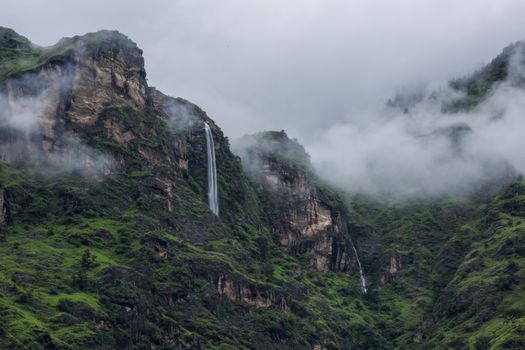
- Dudhsagar Falls: This majestic four-tiered waterfall, which translates to "Sea of Milk," is an absolute spectacle during the monsoon. The journey involves a thrilling jeep safari through muddy, forest trails (approx. ₹500 per person for the jeep share). The sight of millions of gallons of water thundering down amidst the vibrant greenery was breathtaking.
- Spice Plantations: The rain invigorates the spice farms. I visited the Sahakari Spice Farm (entry ₹400, approx. $5 USD, including lunch) and learned about pepper, cardamom, nutmeg, and vanilla cultivation. The air was fragrant, and the guided tour felt intimate with fewer visitors.
- Local Food: With fewer tourists, the local eateries cater more to residents. I discovered small, family-run restaurants serving authentic Goan fish thali and prawn curries that were incredibly fresh and flavorful, at prices that would make peak-season visitors weep with envy.
Goa in the monsoon is a different beast entirely – quieter, greener, more introspective. It allowed me to see the heart of the state, beyond the commercialized beaches, and appreciate its natural beauty and rich culture. It taught me that even the most famous destinations hold hidden depths if you're willing to look beyond the obvious.
Practical Magic: Your Monsoon Travel Toolkit
So, convinced to try a monsoon adventure yet? Great! Here’s what I learned you absolutely need to make your rainy season journey comfortable and incredible:
- Waterproof Everything:
- Rain Jacket & Pants: A good quality, breathable, waterproof set is non-negotiable. Forget flimsy ponchos unless they're just for quick showers.
- Waterproof Backpack Cover: Essential for protecting your gear.
- Dry Bags: Multiple sizes for electronics, important documents, and anything you absolutely can't get wet.
- Waterproof Shoes/Sandals: Hiking sandals (like Keen or Teva) are great for walking through puddles and drying quickly. For serious treks, waterproof hiking boots with good ankle support are a must.
- Umbrella: A compact, sturdy umbrella is surprisingly useful for light drizzles or walking around towns.
- Quick-Drying Clothes: Say goodbye to denim. Opt for synthetic fabrics, merino wool, or lightweight cotton blends that dry fast. Pack more socks than you think you need!
- Insect Repellent: With lush greenery and standing water, mosquitoes are more prevalent. Carry a strong repellent and consider light, long-sleeved clothing for evenings.
- First-Aid Kit: Band-aids, antiseptic wipes, pain relievers, and any personal medications. Cuts and scrapes can get infected quicker in humid conditions.
- Power Bank: Charging points might be less reliable in remote areas, and you'll be using your phone/camera more for photos.
- Flexible Itinerary: Rain can sometimes delay transport or close certain routes. Be prepared to adapt and embrace the unexpected. This flexibility is key to enjoying monsoon travel.
- Positive Attitude: This is the most important tool! Embrace the rain, laugh when you get soaked, and appreciate the unique beauty it brings.
The Unseen Perks: Why Off-Season is the Best Season
My monsoon adventures weren't just about navigating the rain; they were about discovering a wealth of advantages I never anticipated:
- Fewer Crowds: This is perhaps the most significant benefit. Imagine visiting iconic sites with only a handful of other people, allowing for peaceful contemplation and incredible photo opportunities without strangers in every shot.
- Lower Prices: As mentioned, everything from flights and accommodation to tours and local transport often comes with a significant off-season discount. This makes dream trips more accessible.
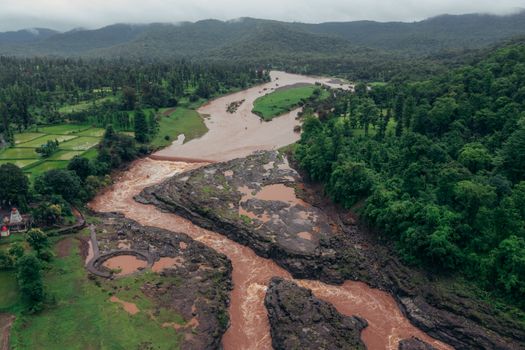
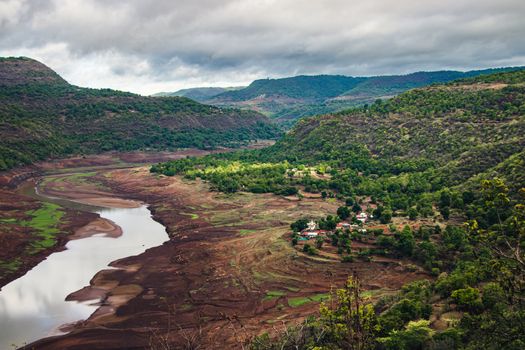
- Lush, Vibrant Landscapes: The world awakens during monsoon. Greens are greener, flowers bloom riotously, and waterfalls thunder with renewed vigor. It's a photographer's paradise and a nature lover's dream.
- Authentic Local Interactions: With fewer tourists, locals are often more relaxed, open, and eager to share their culture. I found myself having longer conversations, being invited for tea, and experiencing genuine hospitality.
- Unique Photo Opportunities: Dramatic skies, mist-shrouded mountains, glistening foliage, and vibrant reflections create stunning, moody photographs that stand out from the typical sunny vacation shots.
- A Sense of Discovery: You're venturing off the beaten path, experiencing a destination in a way most people don't. This fosters a deeper sense of adventure and personal accomplishment.
Embracing the Unpredictable: A Mindset Shift
My monsoon travels fundamentally changed my approach to life and travel. I learned that true beauty often lies beyond our comfort zones, in the unexpected, and in the imperfect. The rain, initially a source of apprehension, became a symbol of renewal, vitality, and cleansing.
I learned to let go of rigid plans, to trust my instincts, and to find joy in the present moment, even if that moment involved getting completely drenched. This mindset shift has permeated other areas of my life, making me more adaptable, resilient, and open to new experiences.
It's about understanding that travel isn't always about chasing perfect weather or postcard-perfect scenes. Sometimes, it's about embracing the raw, untamed beauty of a place, connecting with its true rhythm, and allowing it to transform you.
So, the next time someone tells you to avoid the monsoon, smile. Because you'll know that they're missing out on a world of adventure, beauty, and profound personal growth. You'll know that the real magic often happens when you dare to step outside the conventional, and into the rain.
Ready to get wet?
Share your thoughts in the comments below! Have you ever traveled during monsoon season? What was your experience like? Or are you now inspired to plan your own rainy season adventure? Let us know! And don't forget to share this post with your fellow wanderlusters who might be ready to embrace the monsoon magic!
---