The Unseen Currency of Connection: How a Simple Gift Changed Everything
I still remember the dusty, bustling market in Hoi An, Vietnam. It was my first solo trip to Southeast Asia, and I was feeling a mixture of exhilaration and overwhelm. I’d just checked into a charming homestay, a modest but immaculately kept place run by a sweet, elderly couple, Ông and Bà Nguyễn. As I handed over my passport, I also offered Bà Nguyễn a small, beautifully wrapped package – a tin of premium Earl Grey tea from my home country, a brand known for its distinctive aroma and delicate flavor. It cost me about $12 back home, a small sum, but chosen with care.
Her eyes widened, a genuine smile lighting up her face as she delicately unwrapped it. She didn't speak much English, and my Vietnamese was rudimentary, but the warmth in her gaze transcended language. Later that evening, I wasn't just a paying guest; I was invited to share a home-cooked dinner with their family, a spread of dishes I wouldn't find in any restaurant. We communicated through gestures, shared laughter, and the universal language of good food. That night, sitting on a low stool, sipping freshly brewed tea (my gift!), and listening to the melodic chatter of their family, I realized something profound: travel isn't just about seeing places, it's about connecting with people. And often, the quickest, most heartfelt way to bridge cultures is through the simple, thoughtful act of giving.
That moment in Hoi An wasn't an isolated incident. It was the first of many times a carefully chosen gift became a key, unlocking doors to experiences, insights, and friendships that transformed my travels from mere sightseeing into deep, meaningful immersion. From impromptu cooking lessons in Tuscany to being invited to a traditional wedding in rural India, these experiences weren't listed in any guidebook. They were gifts, in return for a gift.
This isn't about grand gestures or expensive presents. It's about understanding the subtle, powerful art of gift-giving etiquette – a skill that has truly changed my life on the road. And today, I’m sharing my most valuable lessons with you.
The Golden Rules of Global Gifting: More Than Just an Item
Before you even think about what to give, it's crucial to understand the philosophy behind it. In many cultures, a gift isn't just an object; it's a symbol of respect, gratitude, and a desire to build rapport.
- Research is Your Best Friend (and Saves You Blushes!): This is paramount. What's perfectly acceptable in one country can be deeply offensive in another. Before every trip, I dedicate time to researching local customs. A quick Google search for "gift-giving etiquette in [country name]" is a great starting point. For example, in China, clocks symbolize death, and green hats can imply infidelity. In Japan, giving four of anything is bad luck, and knives symbolize cutting ties. Knowing these nuances prevents awkwardness and shows you've made an effort.
- It’s the Thought (Truly!): Cliché, but absolutely true. The value isn't in the price tag, but in the thoughtfulness. A small, locally-sourced item from your hometown, chosen specifically for its uniqueness, often holds more weight than an expensive, generic brand. When I gave the Nguyễn family that tea, it wasn't the most expensive tea, but it was from my home, a piece of my world shared with theirs.
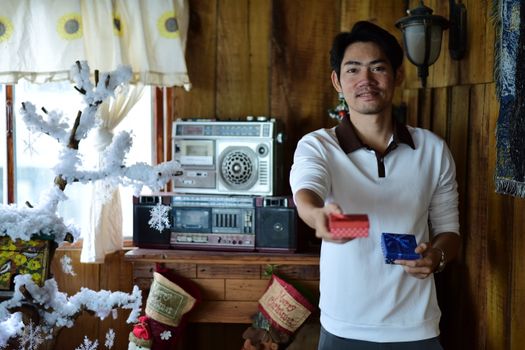
- Presentation Matters: How you present a gift can be as important as the gift itself. In Japan, exquisite wrapping is a sign of respect, and gifts are often given and received with both hands. In many Middle Eastern cultures, gifts are offered and accepted with the right hand. A little effort in presentation – a nice bag, a simple ribbon – elevates the gesture. I always carry a few small, reusable gift bags or some decorative paper with me for this very reason.
- Reciprocity & Refusal: In some cultures, refusing a gift (initially) is a sign of modesty, while in others, it's polite to accept immediately. Similarly, expecting a gift in return can be rude. The key is to observe and adapt. If a gift is offered to you, accept it gracefully, even if you don't open it immediately (which is often polite in Asia). The focus should always be on the act of giving, not on what you might receive.
Beyond Souvenirs: Gifts That Truly Open Doors
So, what kind of gifts work best? Forget the mass-produced keychains and "I Heart [Your City]" t-shirts. The most impactful gifts are often small, consumable, practical, or deeply personal.
- Consumables (The Universal Language of Taste): These are my absolute favorites. They're often culturally neutral, don't take up space long-term, and can be shared.
- High-quality coffee/tea: A small bag of specialty coffee from your region (e.g., a single-origin roast from Latin America, or an artisan blend from Europe) or an interesting tea blend is almost always a hit. I once gave a bag of ethically sourced Kenyan coffee (about $15) to my host family in a small village outside Cusco, Peru. They were thrilled, as good quality coffee is often expensive locally.
- Artisan chocolates/sweets: A small box of unique chocolates or local candies from your home country. Avoid anything with alcohol unless you are absolutely certain it's appropriate for the culture and recipient. In Italy, a small box of gourmet dark chocolate (around $10) for a B&B owner led to an invitation to a family dinner and a secret recipe for her grandmother's tiramisu!
- Local spices/condiments: If your region is known for a particular spice blend or a unique condiment (e.g., a special hot sauce, a local jam), these can be wonderful. Just make sure they're sealed and travel-friendly.
- Practical Small Items (Subtle Utility): These are great for people you might interact with briefly but want to show appreciation, like guides, drivers, or guesthouse staff.
- Quality pens: A nice, smooth-writing pen (not a cheap plastic one) is surprisingly appreciated worldwide. They're useful, easy to carry, and don't take up much space. I always have a few good quality retractable pens (around $3-5 each) in my bag.
- Small notebooks: Paired with a pen, a small, attractive notebook can be very useful.
- Bookmarks: Especially if they feature local art or landmarks from your home country.
- Postcards/Stamps: A postcard of your hometown or country, perhaps with a stamp, can be a lovely, simple gesture, especially for children or anyone interested in geography.
- Local Crafts from Your Home (A Piece of Your World): This is where thoughtfulness truly shines.
- Handcrafted items: A small, unique piece of pottery, a carved wooden figurine, or a piece of textile art from your local artisans. I once carried a small, intricately carved wooden bird (costing about $20 from a local market) from my home state to a temple elder in Kyoto, Japan. He seemed genuinely touched by the craftsmanship and the story behind it.
- Books/Picture Books: For families with children, a beautifully illustrated children's book about your country or a classic tale can be wonderful, especially if it's bilingual or has little text.
- Small flags/pins: A small flag or a lapel pin of your country can be a simple, symbolic gift.
- Children's Gifts (Always a Winner): If you know there are children in the household, a small gift for them can melt hearts.
- Educational items: Crayons, small coloring books, stickers, or simple puzzles.
- Small, durable toys: Think small, non-gender specific toys like bouncy balls, small cars (if appropriate), or even a deck of cards for older kids. Avoid anything too noisy or requiring batteries.
- No candy: Unless you know the family well, avoid candy as dietary restrictions or parental preferences can vary widely.
- Digital Gifts (The Modern Touch): Sometimes the best gift isn't tangible.
- Shared photos: After a wonderful homestay or experience, offering to send high-quality digital photos you've taken of them, their family, or their home can be incredibly meaningful. Always ask permission first. I’ve often emailed a link to a shared album, and the joy on their faces when they see the photos is priceless. It's a lasting memory of your connection.
Pro-Tip:
Always carry a few small, beautifully wrapped items in your bag. You never know when you'll encounter someone who goes above and beyond, and being prepared allows you to make an immediate, heartfelt gesture.
Cultural Compass: Navigating Specific Nuances
Cultural norms around gift-giving are incredibly diverse. Here are a few region-specific insights I've gathered over the years:
- Japan: Presentation is paramount. Use both hands when giving and receiving. Gifts are often opened later, in private, to avoid showing disappointment. Avoid knives (cutting ties), clocks (death), and anything in sets of four (bad luck). White flowers are for funerals. High-quality sweets, tea, or small, beautifully packaged items from your home are excellent choices.
- China: Similar to Japan, use both hands. Gifts are usually opened later. Avoid clocks, green hats, handkerchiefs (symbolize saying goodbye), and anything white or black (associated with funerals). Red is a lucky color for wrapping. Fruits, tea, and local specialty items from your home are good.
- Southeast Asia (e.g., Thailand, Vietnam, Cambodia): Modesty and respect are key. Avoid overly extravagant gifts. Gifts are often opened later. For elders, show extra respect. Fresh fruit, local sweets, or small, practical items like pens are often appreciated. In Buddhist countries, avoid anything that could be seen as disrespectful to religious figures or symbols.
- Middle East: Gifts are typically given and received with the right hand. Avoid alcohol unless you are absolutely certain the recipient drinks and it's culturally acceptable. Pork products are a definite no-go. Dates, sweets, or small decorative items from your home can be good choices.
- Europe: Gift-giving traditions vary widely by country.
- Italy/France: A good bottle of wine (if they drink), high-quality chocolates, or flowers are common. For flowers, avoid chrysanthemums (funerals in Italy/France), red roses (romance only), or an even number of flowers.
- Germany: Punctuality and quality are valued. A good book, fine chocolates, or a small, quality item for the home.
- Scandinavia: Simplicity and quality are appreciated. A good book, a small design item, or gourmet food.
- Latin America: Often less formal than Asia, but thoughtfulness is still key. Small tokens of appreciation are common. Avoid overly expensive gifts, which can make recipients uncomfortable. Sweets, small crafts from your home, or practical items are usually well-received. For children, school supplies are a wonderful gesture.
These are generalizations, of course, and individual preferences always vary. When in doubt, err on the side of simplicity and sincerity.
The "Oh No!" Moments: When Gifts Go Wrong (and How to Recover)
Trust me, I've had my share of gift-giving blunders. The most memorable was in China, early in my travels. I’d bought a beautiful, intricate wall clock as a thank you gift for a family friend. Thankfully, my local guide intervened just in time, explaining that giving a clock ("sòng zhōng") sounds like "attending a funeral" and is considered extremely bad luck. My face went scarlet! I quickly swapped it for a beautifully packaged box of specialty tea.
Another time, in a small village in India, I accidentally gave a small, brightly colored toy car to a young girl. Her grandmother gently took it from her, explaining that it wasn't appropriate for girls. I quickly apologized and offered a small notebook and some colored pencils instead, which were happily accepted.
My lessons from these moments:
- Don't panic: Mistakes happen. Apologize sincerely if you realize you've made a faux pas. Most people appreciate the effort and understand cultural differences.
- Have backups: Always carry a few generic, universally acceptable backup gifts (like pens, small notebooks, or individually wrapped gourmet chocolates).
- Learn and adapt: Each mistake is a learning opportunity. It made me even more diligent about my research.
- Observe local interactions: Watch how locals exchange gifts among themselves. This is often the best, most authentic guide.
The Priceless Returns: How Gifting Transformed My Travels
These small acts of giving have opened doors I never imagined.
- The Tuscan Cooking Masterclass: In a small town in Tuscany, I offered my Airbnb host, Maria, a small, handcrafted olive wood bowl from my home region (about $25). She was so delighted that she insisted on teaching me to make fresh pasta from scratch, a multi-hour, hands-on lesson in her rustic kitchen, complete with her family's secret sauce recipe. It was an experience far more authentic and intimate than any paid tour could offer.
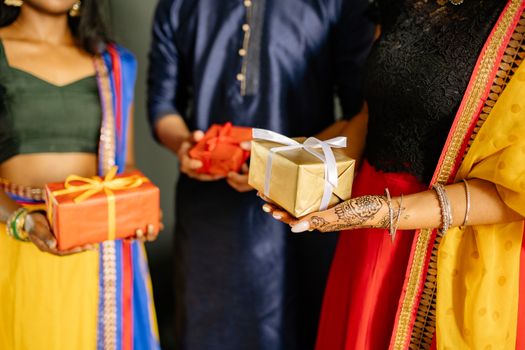
- The Indian Wedding Invitation: While volunteering at a rural school in Rajasthan, India, I regularly brought small packets of educational stickers and quality pencils (total cost about $10-15 per visit) for the children. The headmistress, a formidable but kind woman, eventually invited me to her niece’s wedding – a multi-day, vibrant celebration that was an absolute feast for the senses and a profound cultural immersion. I was treated like family, a guest of honor, all because of small gestures of appreciation.
- The Moroccan Storyteller: In Fes, Morocco, I was utterly lost in the labyrinthine medina. A kind shopkeeper, Abdul, not only guided me back to my riad but also invited me for mint tea. I offered him a small, beautifully illustrated book of famous landmarks from my country (about $18). He was fascinated. For the next hour, he shared incredible stories of Fes, its history, and his family’s traditions, stories no guidebook could ever convey. It felt like I was sitting with a living historian.
These weren't transactions. They were genuine connections, built on mutual respect and a shared moment of human kindness. The gifts were simply the catalysts, the initial bridge. The real treasures were the stories, the laughter, the shared meals, and the feeling of truly belonging, even for a brief moment, in someone else's world.
Sustainable & Ethical Gifting: A Conscious Traveler's Guide
As responsible travelers, our choices matter. When selecting gifts, consider their impact.
- Support Local Artisans (at Home): When buying gifts to take with you, prioritize items from local artisans or fair-trade producers in your home country. This supports your own community and ensures the item has a unique story.
- Avoid Plastic & Excess Packaging: Opt for gifts with minimal, recyclable, or reusable packaging. A beautifully wrapped gift doesn't need to be wasteful.
- Think Longevity/Consumability: Consumable items are great because they don't add to clutter. If it's a non-consumable item, choose something durable and genuinely useful or decorative.
- No "Charity" Gifts: While well-intentioned, avoid giving money or items that could be perceived as charity. This can be demeaning. Instead, if you want to help, research reputable local charities or support local businesses directly through your purchases.
- Small Footprint: Consider the environmental impact of transporting the gift. Lightweight, compact items are ideal.
Your Passport to Deeper Connections
Gift-giving etiquette isn't just about avoiding cultural faux pas; it's about embracing the richness of human connection. It's about showing respect, gratitude, and a willingness to engage beyond the surface. It's about recognizing that every person you meet on your journey has a story, a life, and a culture worth honoring.
My travels changed forever when I understood this. The world opened up in ways I never imagined, transforming my trips from mere vacations into profound, soul-enriching adventures. So, on your next journey, pack a few thoughtful tokens. Do your research. Be sincere. And watch as doors you didn't even know existed swing wide open, inviting you into the heart of a culture, one heartfelt gift at a time.
What's your favorite travel gifting story? Share your experiences and tips in the comments below! Let's inspire each other to connect more deeply with the world.