The crisp air, the golden light, the earthy scent of turning leaves – autumn isn't just a season; it's an invitation. An invitation to slow down, to gather, to reflect. For years, my autumns were a blur of pumpkin spice lattes and leaf-peeping drives. Beautiful, yes, but missing a certain je ne sais quoi. I yearned for something deeper, something that would connect me to the land, to tradition, to the very essence of human endeavor.
Then, one serendipitous trip, I stumbled upon a grape harvest in Tuscany. I traded my camera for pruning shears, my comfortable shoes for mud-caked boots, and my tourist gaze for a focused determination to pick every last ripe berry. That week, sticky-fingered and utterly exhausted, something shifted within me. It wasn't just about the wine; it was about the sweat, the laughter, the shared meals with strangers who quickly became family. It was about touching history, feeling the rhythm of the earth, and understanding the profound effort behind every drop of liquid gold.
That first harvest wasn’t just a travel experience; it was a revelation. It cracked open a door to a world I never knew existed – a world where travelers don't just observe, but participate. Since then, seeking out autumn harvests has become my passion, my pilgrimage, and frankly, the most life-changing aspect of my travels. These aren't just vacations; they are immersive cultural exchanges that feed the soul, educate the mind, and leave you with a profound sense of accomplishment and connection. If you're ready to trade your spectator seat for a hands-on adventure, read on. These are the autumn harvests that changed my life forever, and how you can join them.
1. The Grape Harvest in Tuscany, Italy: Where Wine is a Way of Life
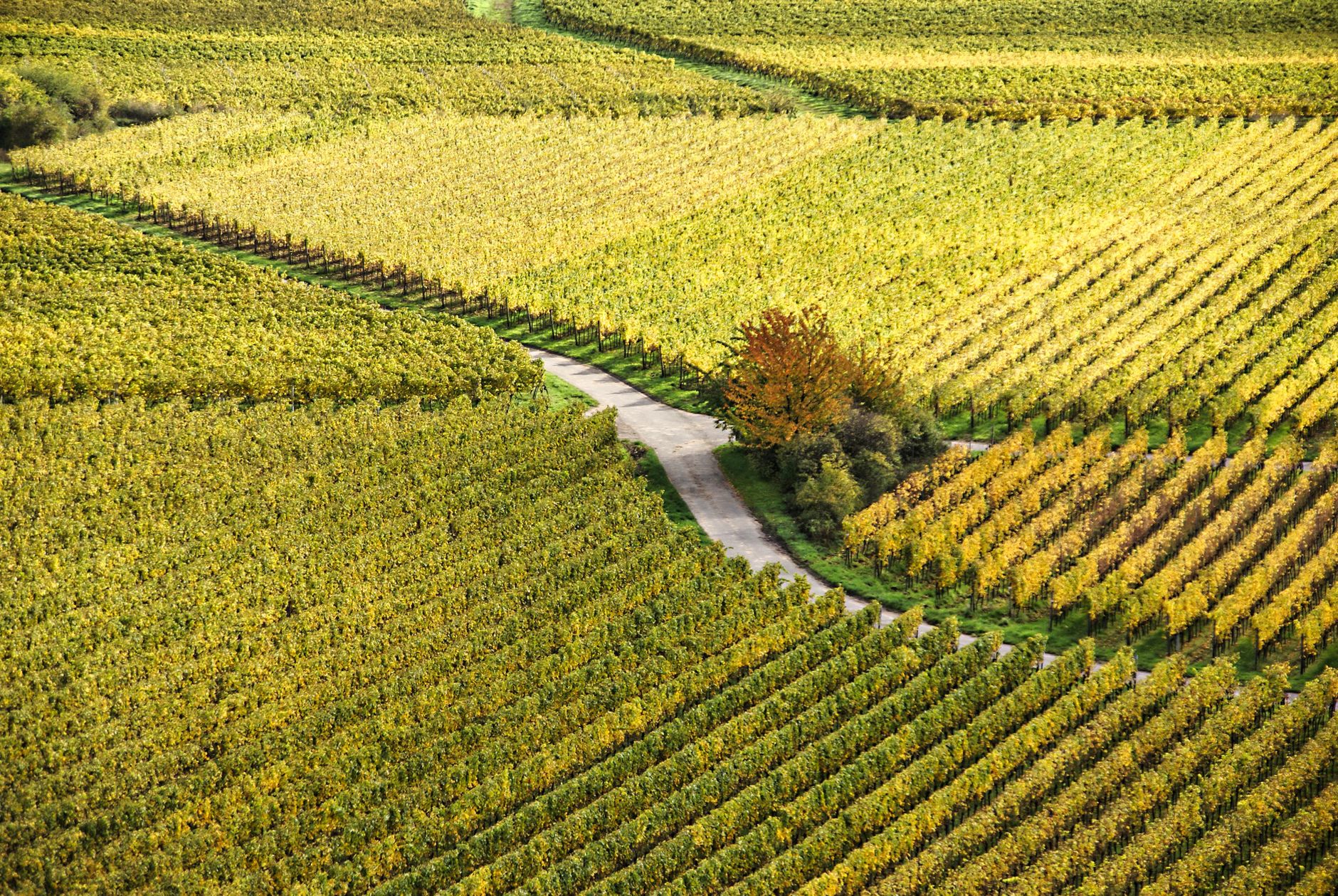
My journey into the world of participatory harvests began in the sun-drenched vineyards of Tuscany, specifically in the heart of the Chianti region. I found myself at an agriturismo – a working farm that also hosts guests – near Greve in Chianti. I’d booked it almost on a whim, drawn by the promise of authentic Italian countryside, but the grape harvest was an unexpected bonus.
The Experience:
We rose before dawn, the air cool and damp, the scent of earth and ripening grapes heavy around us. Armed with small, curved knives and sturdy baskets, we ventured into the rows of Sangiovese vines. The work was surprisingly meditative. Snip, place, snip, place. My hands quickly became stained with juice, my back ached, but the rhythmic motion, the quiet chatter of fellow pickers, and the rising sun painting the hills in hues of gold and amber made it utterly magical.
The best part? The shared meals. After hours in the fields, we’d gather at long wooden tables, feasting on homemade pasta, local cheeses, freshly baked bread, and, of course, plenty of the previous year's wine. These weren't just meals; they were celebrations of hard work, community, and the bounty of the land. I learned more about Italian culture, history, and the art of living from those conversations than from any guidebook. Later, we even participated in a symbolic grape stomping – a messy, joyous affair that made me feel like I was stepping back in time.
Practical Tips for Your Grape Harvest:
* When to Go: Late September to early October is prime time for grape harvesting in most of Italy. Specific dates vary by region and climate, so check with farms.
* Finding a Farm: Look for agriturismi in renowned wine regions like Tuscany, Piedmont, or Veneto. Websites like Agriturismo.it are excellent resources. Many offer "harvest packages" that include accommodation, meals, and participation.
* What to Expect: Expect early mornings and physical work. Wear comfortable, durable clothing that you don’t mind getting dirty (or stained!). Sturdy, closed-toe shoes are essential. Most farms provide equipment.
* Cost: Participation is often included in the price of a farm stay, which can range from €80-€200 per night, depending on the luxury level and duration. Some vineyards offer day experiences for €50-€150.
* Instagram-Worthy Moment: Golden hour photos in the vineyards, baskets overflowing with purple grapes, the joyful mess of grape stomping, and rustic communal meals.
2. Golden Olives in Crete, Greece: Liquid Gold and Ancient Wisdom
My next autumn adventure led me to the sun-drenched island of Crete, Greece, where the silver-green olive groves stretch as far as the eye can see. This was a different kind of harvest – slower, perhaps more contemplative, but equally profound. I stayed with a family in the hills above Chania, who had been cultivating Koroneiki olives for generations.
The Experience:
Olive picking in Crete, typically from November through December, is less about frantic speed and more about a steady, methodical rhythm. We spread large nets under the ancient trees, some of which looked centuries old, their gnarled trunks telling stories of countless seasons. Then, using long poles and sometimes even small hand rakes, we gently encouraged the ripe, dark olives to fall onto the nets. It's a dance between human and tree, a testament to patience and respect for nature.
What struck me most was the sense of continuity. I was working alongside grandparents, parents, and children, all engaged in the same timeless ritual. The conversations flowed easily – stories of past harvests, local legends, and the simple joys of life. The smell of the freshly picked olives, a slightly bitter, peppery aroma, mingled with the scent of wild herbs in the air. Later, we’d transport the olives to a local press, watching as the green fruit was transformed into a shimmering, emerald-green oil – the "liquid gold" that is the lifeblood of the Mediterranean diet. Tasting that warm, peppery, fresh-pressed oil for the first time was an unforgettable moment of pure, unadulterated flavor.
Practical Tips for Your Olive Harvest:
* When to Go: November to December is the peak olive harvest season in Greece.
* Finding a Farm: Many small, family-run farms (especially in regions like Crete, Peloponnese, or Lesbos) welcome volunteers or paying guests. Websites like Workaway or local tourism boards can help, or simply ask around in smaller villages.
* What to Expect: The work is less strenuous than grape picking but still requires stamina. Wear old clothes as olive oil stains can be tough to remove. Be prepared for cooler, potentially rainy weather in late autumn.
* Cost: Many experiences are part of a farm stay (similar to Italy, €70-€150/night) or a cultural tour package. Some smaller farms might offer free participation in exchange for room and board.
* Instagram-Worthy Moment: Silvery olive groves bathed in autumn light, nets full of dark olives, close-ups of freshly pressed emerald oil, and shared meals featuring the farm's own produce.
3. The Earth's Hidden Treasure: Truffle Hunting in Dordogne, France
If harvests are about bounty, truffle hunting is about mystery and the thrill of the chase. My adventure into the world of the "black diamond" took me to the ancient, forested lands of the Périgord Noir region in Dordogne, France. This wasn't a harvest of visible fruit, but of a subterranean treasure, unearthed with the help of a very special four-legged friend.
The Experience:
I joined a local truffière (truffle hunter) named Jean-Pierre and his incredibly intelligent Lagotto Romagnolo dog, Belle. The hunt began in the early morning, the forest floor damp and fragrant. Belle, with her keen sense of smell, moved with a focused intensity, nose to the ground. Suddenly, she’d stop, begin to dig frantically, and Jean-Pierre would gently intervene, carefully excavating the precious fungal treasure.
The moment of discovery, unearthing a fragrant black truffle from the damp earth, was utterly exhilarating. It felt like finding buried gold. Jean-Pierre explained the delicate ecosystem required for truffles to grow, the symbiotic relationship with oak trees, and the immense value of these culinary gems. Later, back at his rustic farmhouse, we savored thin slices of fresh truffle over scrambled eggs and crusty bread, the earthy, musky aroma filling the air. It was an experience of exquisite rarity, connecting me to the hidden wonders of the forest and the ancient craft of those who seek them. It taught me patience, observation, and a profound appreciation for the subtle gifts of nature.
Practical Tips for Your Truffle Hunt:
* When to Go: Black truffle season in France generally runs from November to March, with late autumn being an excellent time.
* Finding a Hunt: Book with reputable local truffières or through specialized tour operators. Many vineyards or guesthouses in truffle regions (like Dordogne, Provence, or Burgundy) can arrange hunts.
* What to Expect: Hunts are typically 1-2 hours. Wear warm, waterproof clothing and sturdy boots, as you'll be walking through potentially muddy forests. Be respectful of the hunter and their dog – they are the true stars!
* Cost: Truffle hunts usually cost between €50-€150 per person, often including a tasting afterwards. Some might include a meal for a higher price.
* Instagram-Worthy Moment: A dog sniffing intently, muddy hands holding a freshly unearthed truffle, close-ups of the truffle's intricate surface, and a rustic table laden with truffle-infused dishes.
4. Apple Picking in Upstate New York, USA: A Sweet Taste of Home
While my European harvest adventures were about cultural immersion, my apple-picking experience in Upstate New York brought a different kind of fulfillment: a reconnection to simpler joys and a sense of nostalgic Americana. I visited an orchard in the Hudson Valley, a region renowned for its autumn bounty and stunning fall foliage.
The Experience:
This was a "U-Pick" experience, meaning you wander the orchards and pick your own fruit. The air was crisp and cool, filled with the sweet scent of ripe apples and woodsmoke. Rows of apple trees, laden with crimson, green, and golden fruit, stretched across rolling hills. I picked Honeycrisps, Fujis, and Granny Smiths, filling my basket to the brim. It was less about hard labor and more about the simple pleasure of connecting with nature, choosing the perfect fruit, and enjoying the beauty of the season.
What made this life-changing was the sheer, unadulterated joy it brought. It wasn't about exotic lands or ancient traditions, but about rediscovering the magic in my own backyard. There were families laughing, children running through corn mazes, and the irresistible aroma of freshly baked cider donuts wafting from the farm store. I spent the afternoon sipping warm cider, eating a piping hot donut, and feeling a profound sense of peace and gratitude. It reminded me that transformative experiences aren't always grand or far-flung; sometimes, they're found in the simplest, most accessible moments of connection.
Practical Tips for Your Apple Picking Adventure:
* When to Go: September to October is prime apple-picking season across the USA.
* Finding an Orchard: Search for "U-Pick apple orchards" in your region. Websites like PickYourOwn.org are great resources.
* What to Expect: Dress in layers as autumn weather can be unpredictable. Wear comfortable walking shoes. Bring your own bags or be prepared to purchase them at the farm. Many orchards offer other autumn activities like corn mazes, hayrides, and pumpkin patches.
* Cost: Entry is often free, and you pay by the pound for the apples you pick (typically $2-$4 per pound). Activities like corn mazes might have separate fees.
* Instagram-Worthy Moment: Bright red apples hanging from branches, baskets overflowing with colorful fruit, scenic views of autumn foliage, and classic cider donuts.
5. Beyond the Basket: The Profound Impact of Participatory Travel
Each of these harvest experiences, though vastly different, shared a common thread: they forced me to slow down, to engage all my senses, and to connect deeply with the source of our food and the communities that produce it. This isn't just travel; it's a form of active learning, a way to understand the world from the ground up.
- Understanding Food Systems: You gain an intimate appreciation for where your food comes from, the labor involved, and the environmental factors that influence its growth. This fosters a deeper sense of gratitude and encourages more conscious consumption.
- Cultural Immersion: Working alongside locals, sharing meals, and hearing their stories provides an unparalleled insight into their daily lives, traditions, and values. You move beyond being a tourist and become a temporary member of their community.
- Physical and Mental Well-being: The physical activity, fresh air, and disconnection from screens are incredibly rejuvenating. There's a primal satisfaction in working with your hands and seeing the tangible results of your efforts.
- Sustainable Travel: By supporting local farms and participating in their practices, you contribute directly to sustainable agriculture and rural economies.
- Personal Growth: Stepping out of your comfort zone, learning new skills, and adapting to different environments builds resilience, open-mindedness, and a profound sense of accomplishment.
How to Find Your Own Harvest Adventure (Beyond My Examples):
* Agritourism Websites: Many countries have national or regional agritourism associations (e.g., Agriturismo.it in Italy, WWOOF.net for worldwide farm volunteering).
* Local Tourism Boards: Contact the tourism office of a specific region you're interested in; they often have lists of farms or events.
* Food Festivals: Many autumn food festivals are centered around harvests (e.g., pumpkin festivals, cranberry harvests).
* Word of Mouth & Social Media: Follow travel bloggers, local food pages, and farm accounts. Don't be afraid to reach out directly to farms you admire!
* Consider other harvests: Think about cranberry harvests in Massachusetts, rice harvests in Asia, saffron harvests in Spain, or even mushroom foraging tours. The possibilities are endless!
Harvest Your Own Transformation
My life before these harvests feels almost like a different era. I was a traveler, yes, but often a passive observer. Now, I seek out opportunities to engage, to contribute, to learn with my hands as much as with my eyes. These experiences didn't just change my perspective on food; they changed my perspective on life itself, imbuing it with a deeper sense of connection, purpose, and gratitude.
This autumn, don't just watch the leaves change. Don't just admire the bounty from afar. Get your hands dirty. Feel the earth, smell the fruit, share a meal with strangers, and discover the profound satisfaction of participating in something ancient and essential. I promise you, it will be more than just a trip; it will be a transformation.
Which autumn harvest calls to your soul? Share your dream harvest adventure in the comments below, or better yet, start planning your own life-changing journey today!