What is shoulder season?
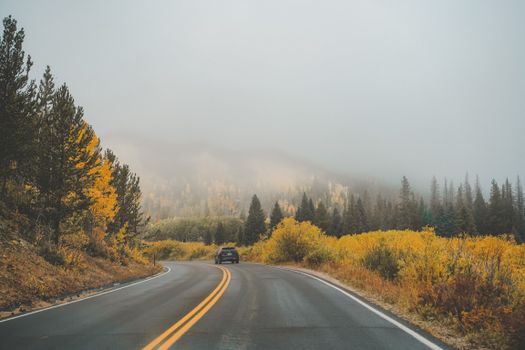
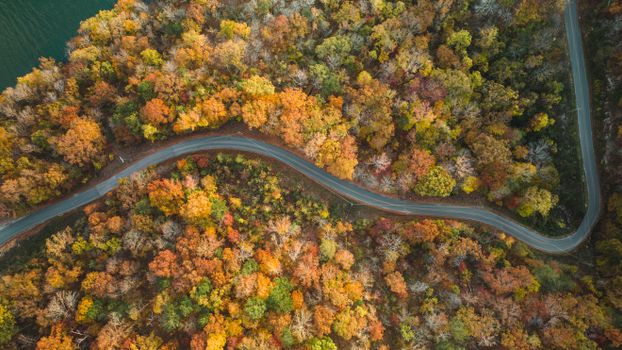
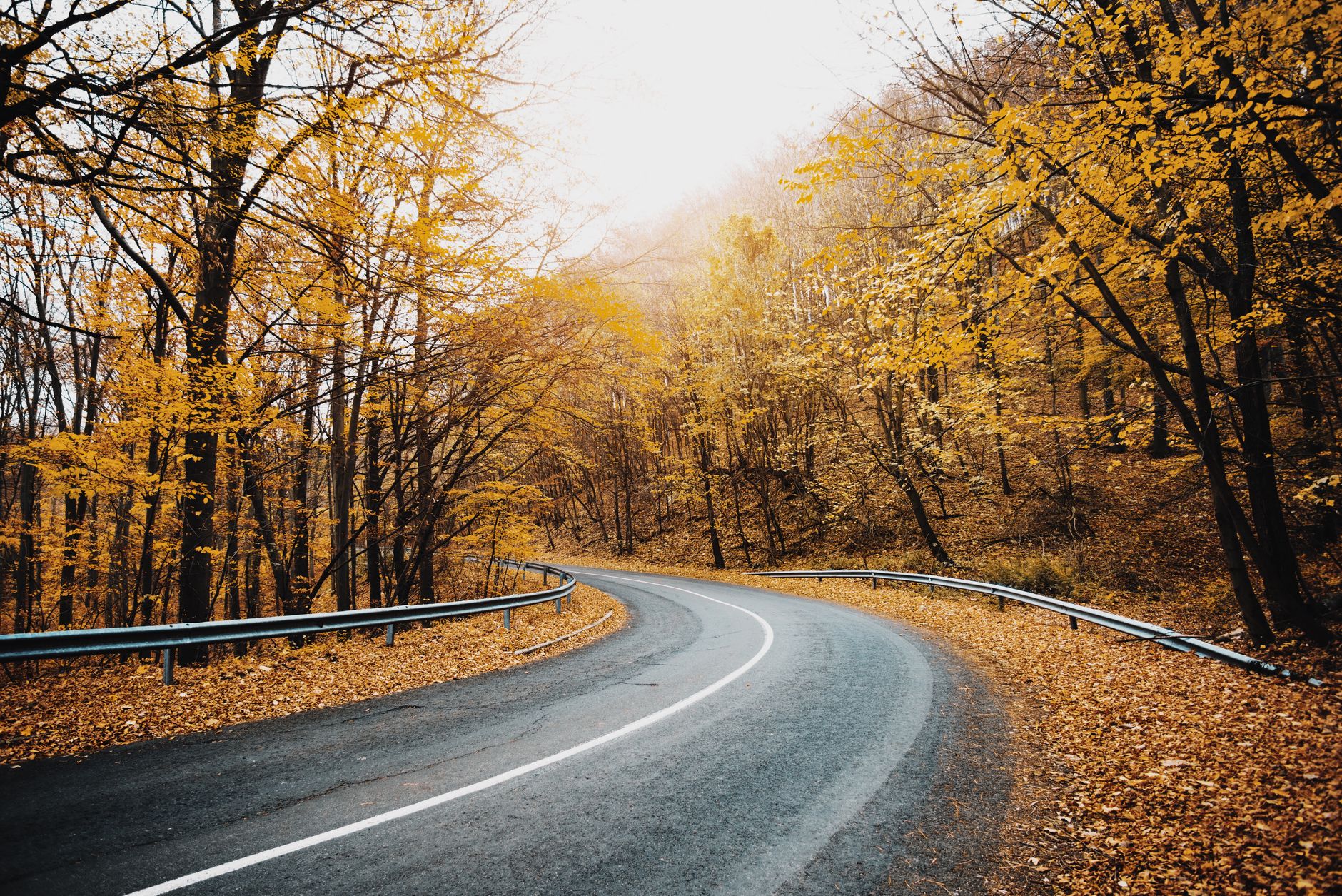
Shoulder season is the period between high and low season, usually spring and autumn in many destinations. Weather is often pleasant, prices fall and attractions are less crowded.
Examples by region
- Mediterranean: May to June and September to October.
- Japan: Late autumn can be quieter than the peak of foliage; spring has cherry blossom crowds, so look at the days either side.
- Southeast Asia: Transition months before and after the rainy season.
- Northern Europe: May and September.
- Caribbean: Late spring and early winter, outside hurricane risk.
Benefits
- Lower prices on flights and accommodation.
- Fewer crowds and shorter queues.
- More local atmosphere.
- Better availability.
Trade-offs
- Some attractions have shorter hours.
- Weather is less predictable.
- Some restaurants and transport run reduced schedules.
Tips
Check opening hours, bring layers and book refundable options where possible.
Seasons vary by place, so research your destination.