Beyond the Postcard: How to Truly Live Like a Local in Today's Hottest Destinations
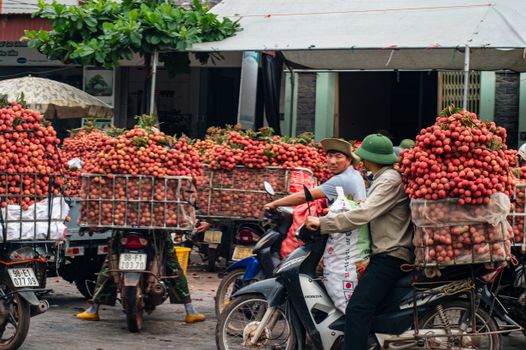
I remember standing on a bustling street corner in Hanoi, Vietnam, the scent of pho and strong Vietnamese coffee filling the air. Motorbikes whizzed past in a dizzying ballet, and I, initially, felt completely overwhelmed. My first instinct was to pull out my map, find the nearest tourist landmark, and tick it off my list. But then I saw her – an elderly woman, her face etched with a lifetime of stories, meticulously arranging fresh herbs at her street stall, sharing a laugh with a passing neighbor. In that moment, something clicked. I folded my map, put away my phone, and simply watched. I bought a small bunch of fragrant mint from her, fumbled a "cảm ơn" (thank you), and received a warm, toothless smile in return. That simple exchange, far from any famous monument, was my first taste of truly living like a local, and it changed the way I travel forever.
In an age where "authentic travel" is more than just a buzzword – it's a yearning – travelers are increasingly seeking experiences that go beyond the superficial. We want to feel the pulse of a city, understand its rhythm, and connect with its people. The good news? It's entirely possible, even in the most trending destinations like the vibrant streets of Lisbon, the ancient alleys of Marrakech, or the serene temples of Kyoto. You don't need to move there for a year; you just need to shift your perspective and embrace a few key strategies. Ready to shed the tourist skin and dive deep? Let's go!
1. The Mindset Shift: Embrace Curiosity, Ditch the Itinerary
The first, and arguably most crucial, step to living like a local is a mental one. You need to swap your rigid itinerary for a flexible mindset of curiosity and openness. Forget the "must-see" lists dictated by guidebooks and social media. Instead, ask yourself: What would someone who lives here do on a Tuesday afternoon?
Practical Tip:
Start by choosing "slow travel." Instead of hopping from city to city every two days, pick one or two destinations and spend a minimum of 5-7 days in each, if not longer. This allows you to settle in, observe, and discover the nuances of daily life. My most profound local experiences have always come from spending more time in one place. In Oaxaca, Mexico, I spent a week simply exploring different neighborhoods on foot, popping into small tortillerías for fresh tortillas, and watching local kids play soccer in the park. It was during one of these aimless wanders that I stumbled upon a hidden mezcalería, tucked away in a courtyard, where I spent an evening learning about the spirit from the distiller himself – an experience far richer than any organized tour.
Actionable Advice:
* Allocate "Discovery Days": Dedicate at least one full day per trip segment to simply wandering without a plan. Let your feet lead you.
* Embrace Discomfort: Getting a little lost, trying a food you can't identify, or navigating public transport in a foreign language are all part of the adventure. These are the moments where real learning happens.
* Observe, Don't Just See: Sit at a local cafe for an hour, just watching people. How do they interact? What are their daily routines?
2. Master the Local Lingo (Even Just a Little Bit)
You don't need to be fluent, but making an effort to speak the local language is a game-changer. Even a few basic phrases can unlock smiles, open doors, and transform a transactional interaction into a genuine connection. Locals appreciate the effort, and it immediately signals that you're interested in their culture, not just their tourist attractions.
Personal Anecdote:
My attempts at speaking Thai in Bangkok were often met with laughter – mostly at my expense, but always good-natured! I'd confidently order "pad krapow gai" (stir-fried basil chicken) only to realize I'd probably asked for basil anything chicken. But the vendors always corrected me kindly, and the effort created a bond. Suddenly, I wasn't just another tourist; I was the slightly clumsy, but endearing, farang trying his best. This often led to extra chili in my dish (just how I like it!) or a recommendation for a lesser-known stall down the alley.
Practical Tip:
Before you go, download Duolingo or Babbel and learn 10-15 essential phrases:
* Hello/Good morning/Good evening
* Please/Thank you
* Excuse me/Sorry
* Yes/No
* How much?
* Can I have...?
* Where is...?
* I don't understand.
Actionable Advice:
* Use Google Translate: It's an invaluable tool for quick translations, especially the camera function for menus or signs. But always try the phrase yourself first!
* Listen Actively: Pay attention to how locals speak, their intonation, and common expressions.
* Don't Be Afraid to Make Mistakes: Laughter is a universal language, and a shared giggle over a mispronunciation often leads to a warmer interaction.
3. Dive into Local Flavors: Eat Where the Locals Eat
This is perhaps the most delicious way to live like a local. Food is the heart of a culture, and avoiding tourist traps means experiencing authentic flavors and often saving a lot of money. The rule of thumb? If you see more locals than tourists, you’re likely in the right spot.
Specific Details & Anecdotes:
* Street Food is Your Best Friend: In places like Penang, Malaysia, or Ho Chi Minh City, Vietnam, street food isn't just cheap; it's a way of life. For less than $3-5 USD, you can get a bowl of Laksa or a Banh Mi that's infinitely more flavorful than anything in a fancy restaurant. Look for stalls with long lines of locals, or those with just one or two dishes they specialize in. In Hanoi, I found a small "pho" stall with tiny plastic stools, no English menu, and the most incredible broth I've ever tasted, all for about 60,000 VND (approx. $2.50 USD). It was bustling, chaotic, and utterly perfect.
* Local Markets: Beyond street food, local markets are a sensory feast. Think La Boqueria in Barcelona, but then seek out the smaller, neighborhood markets where grandmothers haggle over vegetables. Buy fresh produce, local cheeses, or artisanal bread. It's not just about the food; it's about the vibrant community hub they represent.
* Ask for Recommendations: Don't just ask your hotel concierge (they often have agreements with touristy places). Ask your Airbnb host, a friendly shopkeeper, or even a local you strike up a conversation with on public transport. "Where do you go for the best [local dish]?" is a golden question. In Rome, my Airbnb host pointed me to a tiny trattoria in Trastevere, Osteria da Zi Umberto, where I had the most sublime Cacio e Pepe, surrounded by boisterous Italian families, far from the main tourist drag.
Actionable Advice:
* Look for Local Menus: If a restaurant has a menu in 10 languages with pictures of every dish, it's probably a tourist trap.
* Embrace the Unfamiliar: Don't shy away from dishes you can't quite identify. Point, smile, and trust your adventurous palate.
* Coffee Culture: Immerse yourself in the local coffee scene. Whether it's a traditional café com leite in Lisbon, a strong Turkish coffee in Istanbul, or a creamy flat white in Melbourne, it's a window into daily life.
4. Navigate Like a Native: Public Transport & Walking
The fastest way to understand a city's layout and daily rhythm is to use its public transport. It's often the most economical choice, and it thrusts you right into the flow of local life. Plus, you'll see parts of the city you'd never experience from a taxi window.
Personal Anecdote:
Getting around Tokyo using the JR Pass and the intricate subway system was an adventure in itself. Initially daunting, I quickly learned the unspoken rules: silence on trains, efficient queuing, and the fascinating world of station snacks. I saw salarymen napping, students engrossed in manga, and elderly couples holding hands – snapshots of real life that painted a much richer picture of Japan than any guide could. Similarly, in Mexico City, mastering the Metrobus system and the affordable Metro was key to exploring diverse neighborhoods like Roma Norte and Coyoacán, allowing me to save my budget for incredible food experiences.
Practical Tip:
* Download Local Transport Apps: Apps like Citymapper, Moovit, or Google Maps (with public transport selected) are indispensable. Many cities also have their own dedicated apps (e.g., "Lisboa Viagem" for Lisbon).
* Get a Reusable Card: Purchase a local transport card (e.g., Oyster Card in London, OV-chipkaart in Amsterdam, VIVA Viagem in Lisbon) and top it up. It's cheaper than single tickets and much more convenient.
* Walk, Walk, Walk: Many cities are best explored on foot. You'll stumble upon hidden parks, charming cafes, and street art that you'd miss otherwise. Wear comfortable shoes!
Actionable Advice:
* Observe Local Etiquette: Pay attention to how people behave on public transport. Is it quiet? Is it acceptable to eat?
* Consider Bikes/Scooters: In many cities, renting a bike or scooter for a day is a fantastic way to cover more ground like a local. Just be aware of traffic laws and safety.
5. Beyond the Guidebook: Discover Hidden Gems & Local Hangouts
The most Instagram-worthy moments often aren't at the main attractions. They're in the unscripted, unexpected discoveries that happen when you venture off the well-trodden path. This is where the magic of "living like a local" truly shines.
Specific Details & Anecdotes:
* Local Events and Festivals: Research local event listings before you arrive. I once stumbled upon a spontaneous Fado performance in a tiny, packed bar in Alfama, Lisbon, that wasn't listed in any tourist guide. The raw emotion and soulful music, shared with a room full of locals, was an unforgettable experience. Similarly, finding a local art fair in a park in Berlin or a neighborhood block party in Brooklyn (even if not international, the principle applies) offers a genuine glimpse into community life.
* Coffee Shops & Parks: These are natural gathering spots. Find a local coffee shop that isn't a chain, become a regular for a few days, and observe. Strike up conversations with baristas. Spend an afternoon in a local park, watching families, friends, and couples enjoying their day. In Kyoto, instead of only visiting the famous temples, I spent hours in smaller, lesser-known gardens, sharing quiet moments with local residents.
* Utilize Community Resources: Check out local community boards, ask your Airbnb host for recommendations for local markets or unique shops, or even browse local Facebook groups (using Google Translate if needed) for events. Meetup.com can also connect you with local interest groups, from hiking to photography.
Actionable Advice:
* Support Local Artisans: Instead of buying mass-produced souvenirs, seek out local craft markets or small boutiques. You'll get a unique item and directly support the local economy.
* Visit Neighborhood Libraries or Bookstores: These are often cultural hubs and can provide insights into local literature and intellectual life.
* Embrace Serendipity: Leave room for unexpected encounters. The best stories often come from the moments you didn't plan.
6. Sustainable & Respectful Immersion: Give Back to the Community
Living like a local isn't just about what you gain; it's also about how you contribute and respect the community you're visiting. This means being a conscious and responsible traveler.
Personal Anecdote:
In Japan, I quickly learned the importance of bowing, the ritual of removing shoes before entering homes or certain establishments, and the meticulous care taken with waste separation. While these might seem like small details, observing and respecting them showed a genuine appreciation for their culture. In turn, locals were incredibly welcoming and patient with my occasional faux pas. Similarly, in many Mediterranean countries, understanding and respecting the "siesta" (afternoon rest) and the slower pace of life is key to blending in.
Practical Tips:
* Support Local Businesses: Choose locally owned restaurants, shops, and tour operators over international chains. Your money directly benefits the community.
* Learn Local Etiquette: Research basic customs, dress codes (especially for religious sites), and social norms. For example, avoid overly loud conversations in quiet public spaces, be mindful of public displays of affection, and always ask before taking photos of people.
* Minimize Your Impact: Reduce plastic waste, conserve water and energy, and leave no trace. Carry a reusable water bottle and shopping bag.
* Consider Ethical Volunteering: If you have an extended stay, look into reputable local organizations that offer volunteer opportunities. Ensure they are truly beneficial to the community and not just "voluntourism."
Actionable Advice:
* Dress Appropriately: Observe how locals dress and try to blend in, especially in conservative areas.
* Be Mindful of Noise: Keep your voice down in public, especially late at night in residential areas.
* Engage Respectfully: Ask questions about local life and traditions with genuine interest, not judgment.
Your Next Adventure Awaits: Live More, Tour Less!
The beauty of living like a local isn't just about finding cheaper food or avoiding crowds; it's about forging deeper connections, gaining richer perspectives, and experiencing the true soul of a destination. It's about those spontaneous moments – the shared laugh with a street vendor, the unexpected conversation with a local on a bus, the discovery of a hidden alleyway that feels entirely your own. These are the memories that truly last, the stories you'll tell for years to come.
So, next time you plan a trip to one of the world's trending locales, challenge yourself. Ditch the rigid itinerary, embrace the unknown, and open yourself up to the extraordinary everyday. Your adventure isn't just a trip; it's a transformation waiting to happen. Which trending destination will you immerse yourself in next?
Share your best local living tips with us in the comments below! And don't forget to tag #TripsoraLocalLiving on your Instagram posts to show us how you're embracing authentic travel!
---