The Great Wall You Weren’t Supposed to See
I stepped off the local bus in a village that smelled of woodsmoke and fermented bean paste, far from the neon signs and megaphone-wielding tour guides of Beijing. The air was crisp, tasting of pine needles and ancient dust. As I began the vertical scramble up a narrow, dirt-packed trail, the silence was absolute—broken only by the rhythmic thwack of my boots and the distant cry of a mountain hawk.
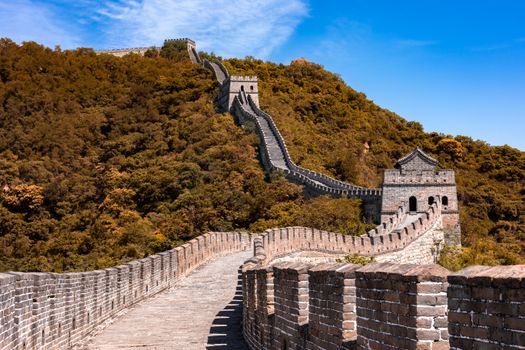
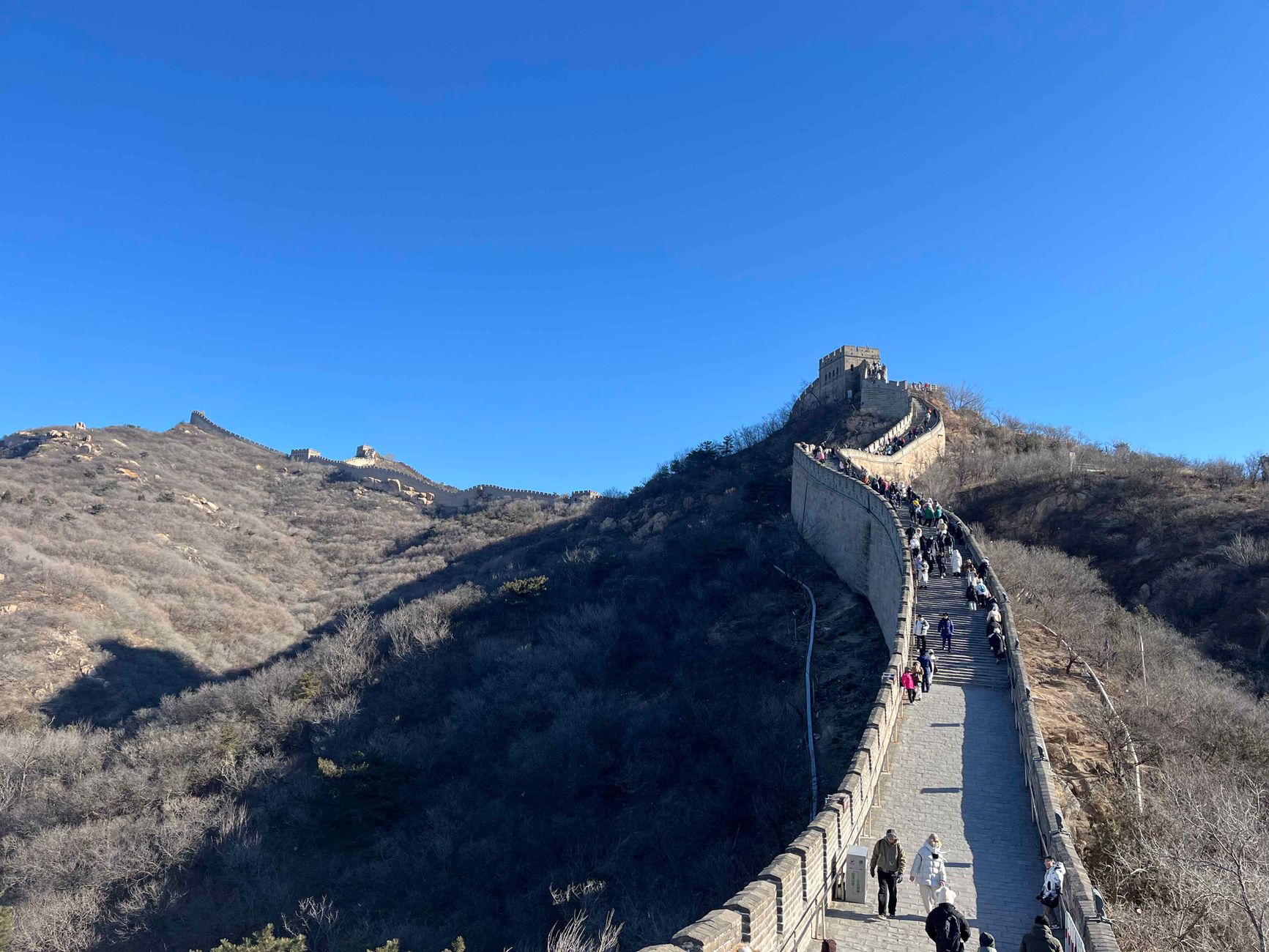
When I finally crested the ridge, I didn't see a renovated walkway with handrails. I saw a dragon made of stone, broken and beautiful, winding its way across the jagged spine of the mountains until it dissolved into the morning mist. This is the Great Wall travel advisors suggest when you tell them you want the real China.
Most tourists see 0.01% of the Wall. They go to Badaling, they stand in line, they buy a "I Climbed the Great Wall" t-shirt, and they leave. You? You’re going to the places where the wall is still reclaiming the earth.
1. Jiankou: The Photographer’s Perilous Paradise
If you ask any elite travel advisor for the most dramatic section of the wall, Jiankou is the immediate answer. This isn't a "walk"; it’s a scramble.
Constructed from local white dolomite, Jiankou is famous for its "Sky Stairs"—sections so steep they are practically vertical. The stone has buckled over centuries, creating a jagged silhouette that looks like the teeth of a saw.
- The Vibe: Raw, dangerous, and heart-stoppingly beautiful.
- The Insider Detail: Look for the "Eagle Flies Facing Upward" tower. It’s the highest point in the region, and the view offers a 360-degree panorama of the "Wild Wall" snaking toward the horizon.
- Pro-Tip: Do not attempt this in the rain. The dolomite becomes slicker than ice. Start at the village of Xizhazi (the northern side) to avoid the most treacherous vertical climbs while still getting the epic views.
2. Huanghuacheng: The Sunken Dragon
Imagine the Great Wall, but partially submerged in a crystal-clear lake. That is Huanghuacheng. During the Ming Dynasty, the construction of a dam flooded the valley, causing three sections of the wall to dive into the water and resurface on the other side.
- The Vibe: Serene, cinematic, and surprisingly lush.
- The Insider Detail: This section is surrounded by ancient chestnut orchards dating back to the Ming Dynasty. In the spring, the scent of blossoms is intoxicating.
- Pro-Tip: Hire a local boatman to take you right up to the submerged ramparts. Touching the 500-year-old bricks while floating on the water is a surreal experience most travelers miss.
3. Gubeikou: The Unrestored Frontier
Gubeikou is for the history buffs. Unlike the polished stones of Mutianyu, Gubeikou has never been restored. It is "Wild Wall" in its purest form. This stretch was a vital military pass, seeing over 130 battles throughout Chinese history.
- The Vibe: Haunting and evocative. You can still see bullet holes from the 1933 battle against the Japanese army.
- The Insider Detail: The "Spider Section" (Panlongshan) features a unique triple-layered watchtower design that you won't find anywhere else.
- Pro-Tip: There is a section of the wall that cuts through a military zone. Look for the "detour" signs that lead you through local cornfields and back onto the wall—it’s a quirky, authentic detour that adds to the adventure.
4. Jinshanling: The Architect’s Masterpiece
While Jinshanling is gaining some traction among serious hikers, it remains a "travel advisor suggest" staple because of its architectural diversity. It boasts 67 watchtowers, each with a different style—some with circular roofs, others with square, some with two stories, others with three.
- The Vibe: The ultimate "Goldilocks" section—partially restored but still rugged enough to feel adventurous.
- The Insider Detail: The "Letter Bricks." If you look closely at the masonry, some bricks are stamped with the date they were made and the name of the troop that manufactured them.
- Pro-Tip: Stay overnight in a local guesthouse and hit the wall at 5:30 AM. You’ll have the sunrise over the "Black Dragon" all to yourself before the day-trippers arrive from Beijing.
5. Zhuangdaokou: The Local’s Secret
If you want to see the wall without seeing a single other foreigner, head to Zhuangdaokou. This is where the "Stone Wall" meets the "Brick Wall." To the east, the wall is made of rough-hewn mountain stone; to the west, it transitions into the classic smooth grey brick of the Ming era.
- The Vibe: Like walking through a forgotten backyard of history.
- The Insider Detail: The "V-shaped" valley here creates a natural acoustic chamber. If you shout from one tower, the echo carries for nearly a mile.
- Pro-Tip: The hidden entrance is located behind a small, blue-painted door in the village. Ask a local "Changcheng?" (Great Wall?) and they’ll point you to the path behind the orchards.
Quick Facts & Logistics
| Section | Difficulty | Distance from Beijing | Best Time | Estimated Cost (Private Driver/Entry) |
| :--- | :--- | :--- | :--- | :--- |
| Jiankou | Extreme | 2.5 Hours | Oct - Nov | $80 - $120 |
| Huanghuacheng | Moderate | 1.5 Hours | May - June | $60 - $90 |
| Gubeikou | Moderate | 2.5 Hours | Sept - Oct | $70 - $100 |
| Jinshanling | Moderate/Hard | 3 Hours | Year-round | $90 - $130 |
| Zhuangdaokou | Easy/Moderate | 1.5 Hours | April - May | $50 - $80 |
How to Get There
Don't bother with the "Tourist Bus" lines at Dongzhimen. For these sections, you have two real options:
1. Hire a Private Driver: This is the gold standard. A driver will wait for you at the trailhead and meet you at the exit point. It saves 4+ hours of transit time.
2. The "Didi" + Train Combo: Take the high-speed rail to the nearest major town (like Huairou or Miyun) and then use the Didi app (China's Uber) to get to the trailhead.
The Authentic Experience: What to Eat
After a day of hiking the wild wall, skip the tourist restaurants. Look for a village Nongjiale (Farm House). Order:
* Zha Jiang Mian: Thick wheat noodles with fermented soybean paste.
* Wild Herb Omelet: Made with greens foraged directly from the mountainside.
* Huairou Chestnuts: Roasted over open coals until they are sweet and smoky.
Why These Sections Matter
The Great Wall isn't just a monument; it’s a testament to time. When you visit the sections tourists never visit, you aren't just seeing a wall—you’re seeing the struggle between man-made ambition and the relentless power of nature. You’ll see trees growing through watchtowers and bricks being slowly reclaimed by moss.
It’s quiet. It’s heavy with history. And it’s exactly what a travel advisor means when they say "essential."
---