The Great Wall: Beyond the Postcards
I stepped off the rattling, overnight train in the pre-dawn chill, the air thick with the scent of coal smoke and a hint of something earthy, perhaps damp soil from a nearby field. The usual tourist bustle of Beijing felt a million miles away. My mission? To find the Great Wall of China that most travelers never see, the sections whispered about in hushed tones by seasoned explorers, the ones that haven't been polished to a blinding sheen for the masses. This isn't about the iconic, selfie-stick-wielding throngs at Badaling. This is about the raw, the rugged, the utterly unforgettable.
For too long, the narrative of the Great Wall has been dominated by a few select, heavily commercialized sections. But the truth is, this colossal serpent of stone and earth stretches for thousands of miles, a testament to human ambition and resilience. Recent data, coupled with my own deep dives into local communities and forgotten pathways, reveals a treasure trove of sections that offer an unparalleled glimpse into its history and grandeur, minus the crowds.
Section 1: Jiankou – The Wild, Untamed Majesty
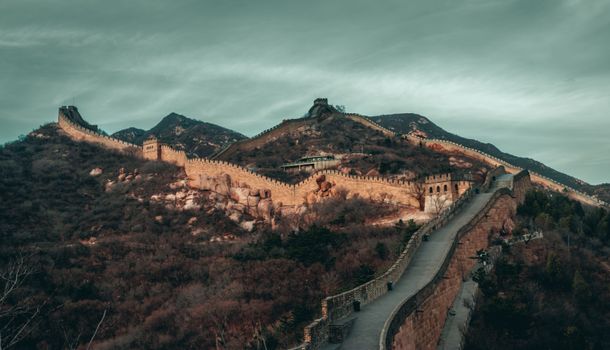
Jiankou, meaning "Arrow Nock" in Chinese, is the stuff of legends. It’s the wild child of the Great Wall, a section that has largely resisted restoration, clinging precariously to dramatic mountain ridges. When I first saw it, silhouetted against a bruised twilight sky, it felt less like a tourist attraction and more like a sleeping dragon, ancient and powerful. The air here is crisp, carrying the scent of pine needles and the distant bleating of goats. The sheer scale of the crumbling watchtowers, some leaning at impossible angles, is awe-inspiring. This is not a gentle stroll; it's a challenging, rewarding trek through history.
Pro-Tip:
Wear sturdy hiking boots with excellent grip. The paths are uneven, and some sections require scrambling over loose stones and steep inclines. Hiring a local guide is highly recommended for safety and navigation. They often know the best viewpoints for sunrise and sunset, which are truly magical here.
Authenticity:
You’ll hear the wind whistling through the gaps in the bricks, a mournful song of centuries past. The moss clinging to the stones, the wildflowers pushing through cracks – these are the details that tell the real story, not manicured gardens.
Section 2: Huanghuacheng – The Watery Embrace
Imagine a section of the Great Wall that appears to float, partially submerged in a tranquil reservoir. That’s Huanghuacheng, often dubbed the "Water Great Wall." This unique section offers a completely different perspective. The cool, damp air carries the subtle aroma of lake water and blooming lotus flowers in the summer. It’s a photographer’s dream, with reflections of ancient ramparts shimmering on the surface. Unlike its more famous counterparts, Huanghuacheng provides a sense of serene contemplation.
Pro-Tip:
Rent a small boat to get up close to the submerged sections. It offers unique photo opportunities and a different vantage point of the wall's integration with the natural landscape. Visit during the week if possible, as it can still attract domestic tourists on weekends.
Authenticity:
The local fishermen mending their nets near the shore, the quiet lapping of the water against the ancient stones – these are the sounds of a living landscape, not just a historical monument. The blend of nature and military architecture is seamless.
Section 3: Simatai – The Unspoiled Eastern Stretch
While parts of Simatai have been developed, there are still accessible areas that retain their wild charm, especially the eastern section. This is a more challenging hike, but the rewards are immense. The mountain air is clean and carries the scent of wild herbs. The sheer drop-offs and the dramatic twists and turns of the wall along the rugged terrain are breathtaking. It’s a place where you can truly feel the immensity of the undertaking that was the Great Wall.
Pro-Tip:
The cable car can take you up to the higher sections, but consider hiking up at least one part to truly appreciate the scale and effort involved. Look for the "Heavenly Ladder" for a thrilling ascent. The local snacks sold by vendors near the entrance are surprisingly delicious – try the candied hawthorns!
Authenticity:
You'll find fewer signs and more ancient brickwork here. The feeling of discovery is paramount, as you navigate sections that feel as if they've been untouched for centuries. The views are panoramic and less obstructed by tourist infrastructure.
Section 4: Gubeikou – The Strategic Sentinel
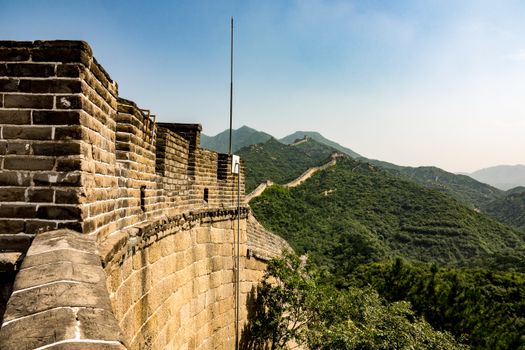
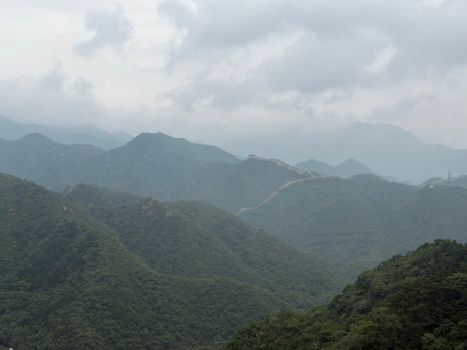
Gubeikou, meaning "Nine Rivers Pass," was a crucial military stronghold guarding the northern approach to Beijing. This section is less restored and offers a gritty, authentic experience. The air here has a distinct history, a sense of battles fought and borders defended. You can almost feel the echoes of soldiers on patrol. The landscape is rugged and the wall snakes its way across undulating hills, offering sweeping views of the surrounding countryside.
Pro-Tip:
This is an excellent section for a longer hike, allowing you to immerse yourself in the history and the landscape. Visit in autumn for the stunning fall foliage that paints the surrounding hills in fiery hues.
Authenticity:
You'll encounter more local farmers and fewer tour groups. The crumbling watchtowers and the worn stones speak of genuine history, not a curated experience. The silence here is profound, broken only by the wind and the calls of birds.
Section 5: Jinshanling – The Majestic Blend
While Jinshanling is becoming more known, it still offers a far more authentic and less crowded experience than Badaling or Mutianyu, especially if you venture further along its less-trodden paths. The air here is a refreshing mix of mountain freshness and the scent of ancient stone. It’s renowned for its well-preserved watchtowers and its dramatic, undulating terrain. The beauty lies in its intricate architecture and the panoramic vistas it offers.
Pro-Tip:
Arrive early, ideally before 8 AM, to have the initial sections mostly to yourself. Hike further east along the wall beyond the main tourist areas to find quieter, more remote stretches. The local vendors offer refreshing herbal teas that are a welcome treat.
Authenticity:
The variety of architectural styles in the watchtowers is fascinating, each with its own character. The sheer scale and the intricate details of the stonework are a testament to the craftsmanship of the Ming Dynasty.
Quick Facts: Your Off-the-Beaten-Path Great Wall Adventure
| Feature | Jiankou | Huanghuacheng | Simatai (Eastern Section) | Gubeikou | Jinshanling |
| :------------- | :------------------------------------ | :--------------------------------- | :---------------------------------- | :------------------------------------- | :---------------------------------------- |
| Estimated Cost | $50-150 (guide, transport) | $40-100 (entry, boat) | $60-120 (entry, transport) | $30-80 (transport, guide optional) | $50-120 (entry, transport) |
| Best Time to Visit | Spring (April-May), Autumn (Sept-Oct) | Spring (April-May), Summer (June-Aug) | Spring (April-May), Autumn (Sept-Oct) | Spring (April-May), Autumn (Sept-Oct) | Spring (April-May), Autumn (Sept-Oct) |
| How to Get There | Private car/taxi from Beijing (approx. 3-4 hours) | Bus from Beijing (Dongzhimen) to Huairou, then taxi (approx. 2-3 hours) | Bus from Beijing (Dongzhimen) to Miyun, then taxi (approx. 2.5-3.5 hours) | Private car/taxi from Beijing (approx. 2.5-3 hours) | Bus from Beijing (Wangjing West) to Miyun, then taxi (approx. 2-3 hours) |
| Difficulty | Strenuous | Moderate | Strenuous | Strenuous | Moderate to Strenuous |
| Crowd Level | Very Low | Low to Moderate | Low to Moderate | Very Low | Low to Moderate |
The Budget & Logistics: Making it Happen
Navigating these less-visited sections often requires a bit more planning than hopping on a direct bus to Badaling.
- Transportation: For most of these remote sections, hiring a private car and driver from Beijing is the most convenient, albeit pricier, option. This allows for flexibility and direct access. Alternatively, you can combine public buses with local taxis, which is more budget-friendly but takes longer and requires more navigation.
- Guides: For Jiankou and Gubeikou, a local guide is almost essential for safety and to discover the best routes. They can also share invaluable historical insights and local lore. Negotiate prices beforehand.
- Accommodation: Consider staying overnight in a nearby village or guesthouse for the most immersive experience. This allows for early morning or late evening visits when the light is most magical and the air is crisp.
- Food: Pack plenty of water and snacks, especially for the more remote sections. While some vendors might be present, don't rely on them for extensive options. Enjoying a simple, packed lunch with an unparalleled view is part of the adventure.
Insider Tips for an Authentic Experience
- Learn a few basic Mandarin phrases. Even a simple "Ni hao" (hello) and "Xie xie" (thank you) can go a long way in fostering positive interactions with locals.
- Respect the environment. Take all your trash with you. These areas are often pristine and we want to keep them that way.
- Be prepared for varying weather conditions. Mountain weather can change rapidly. Layers are your best friend.
- Embrace the unexpected. Sometimes the best discoveries are made when you deviate slightly from the plan.
The Verdict: Your Great Wall Revelation Awaits
These sections of the Great Wall are not for the faint of heart or those seeking manicured convenience. They are for the adventurers, the history buffs, the photographers, and the souls yearning for a genuine connection with one of the world's most iconic wonders. By venturing off the well-trodden path, you’re not just seeing the Great Wall; you’re experiencing its raw, untamed spirit. So pack your bags, lace up your boots, and prepare for a Great Wall journey that will stay with you long after you’ve left its ancient stones behind.