The Hook: Smelling Rain on 600-Year-Old Brick
I stepped off the local bus at the edge of Xizaozi village, and the sound hit me before the view did: absolute, ringing silence, punctuated only by the electric buzz of summer cicadas and the rustle of wild walnut trees.
It was 7:15 AM on a scorching Tuesday in mid-August. Ninety minutes south, thousands of domestic tour groups were already clogging the turnstiles at Badaling, marching up slick granite slopes under relentless summer humidity. But up here, perched on a limestone precipice overlooking the mist-shrouded peaks of Huairou, I had 600 years of untamed Ming Dynasty architecture entirely to myself.
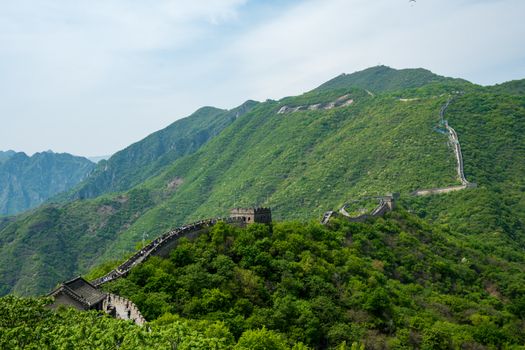
The air smelled of damp pine needles, wild mint, and wet, ancient grey clay brick—a distinct, mineral scent borne from a flash monsoon rain that had swept through the valley at dawn. As the morning sun cut through the cloud cover, burning off the fog to reveal a zigzagging spine of crumbling ramparts stretching to the horizon, I didn't see a single soul. No neon baseball caps. No megaphones. Just the raw, wild majesty of one of humanity's greatest architectural marvels, reclaimed by nature.
If you know where to look, this is what the Great Wall of China feels like in August 2026. You just have to break away from the tour bus routes.
---
Why August Requires a Strategic Blueprint
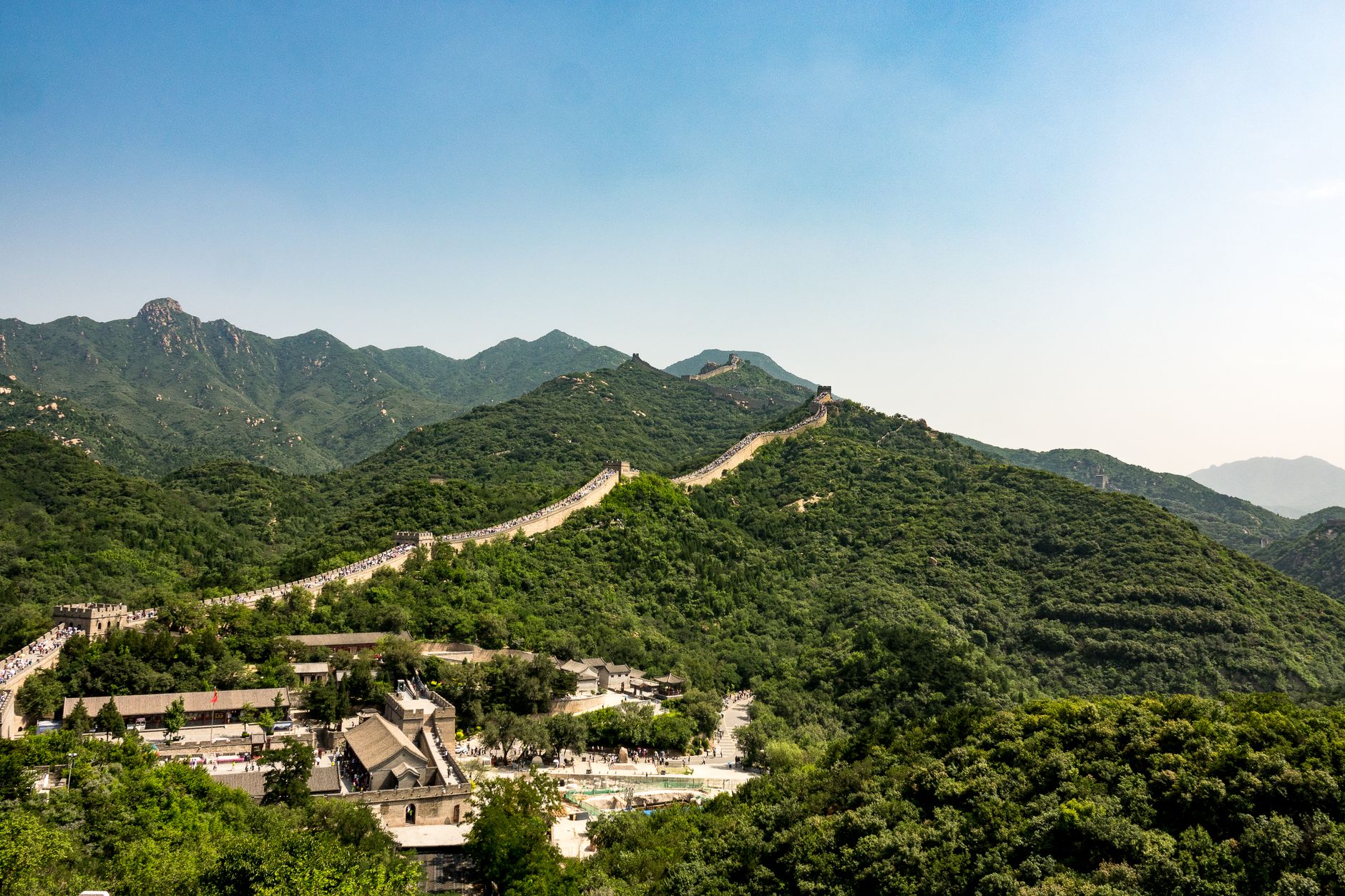
Visiting the Great Wall during peak summer is notoriously tricky. August brings China's domestic summer holiday rush, highs hovering around 32°C to 35°C (90°F–95°F), and sudden, intense afternoon rainstorms. Most travelers default to restored sections like Mutianyu or Badaling, where heat retention off the paved surfaces creates a literal sauna effect alongside wall-to-wall crowds.
To experience the wall in its pure, atmospheric state, you must target the "Wild Wall" (ye changcheng)—unrestored, original sections where vegetation weaves through original masonry, and local village trailheads replace commercial entrance gates.
Here are the five secret, untouched sections of the Great Wall you can actually have to yourself in August 2026.
---
1. Jiankou (The Ox Horn Edge to Zhengbeilou)
If you want sheer drama, dramatic drops, and wild beauty, Jiankou is the crown jewel of the unrestored wall. Built on jagged white dolomite mountains, its white stone base sets it apart from the grey brick sections found elsewhere around Beijing.
```
[ Zhengbeilou Tower ] <--- Ultimate Sunrise Spot
/
[ The Ox Horn Edge ] <--- Steep, dramatic curve
/
[ Sky Stairs ] <--- Near 70-degree climb (Proceed with caution)
/
(Xizaozi Village Trailhead)
```
The August Vibe
While the lower access points near Mutianyu see occasional hikers, the upper ridge from Zhengbeilou Tower toward the Ox Horn Edge (Niujiaobian) remains quiet in August. The dense summer foliage creates a green canopy along the lower access trails, shielding you from the morning sun.
Architectural Highlight
Look closely at the mortar between the granite blocks at Zhengbeilou. Ming Dynasty builders mixed sticky rice flour with slaked lime to create an ultra-durable mortar that has weathered over five centuries of freeze-thaw cycles and monsoon seasons.
- Pro-Tip: Start your ascent from Xizaozi Village no later than 5:30 AM. You’ll reach Zhengbeilou just as the morning mist lifts out of the valleys, giving you cool climbing temperatures and incredible photo lighting.
- Hidden Access: Pass the primary village sign in Xizaozi and look for a small dirt track behind the village head’s orchard marked by a faded blue ribbon tied to a walnut branch.
---
2. Gubeikou: The Unrestored Twin Peaks (Panlongshan)
Located near the border of Miyun District and Hebei Province, Gubeikou guarded a crucial mountain pass leading directly to Beijing. It is divided into two parts by the Chao River: Wohushan (Crouching Tiger Mountain) and Panlongshan (Coiling Dragon Mountain).
```
[ Wohushan ]
|
(Chao River)
|
[ Panlongshan ] <--- Easiest navigate / Zero crowds
|
[ 24-Eye Tower (Border Zone) ]
```
Why It’s Empty in August
Because Gubeikou sits roughly 120 kilometers (75 miles) northeast of central Beijing, standard day-tour buses refuse to drive the distance. While Mutianyu gets 10,000 visitors a day, Panlongshan rarely sees more than 20.
The Hike
The section along Panlongshan is entirely unrestored, displaying the battle scars of both 16th-century Mongol raids and the 1933 anti-Japanese defense campaign. Bullet holes still pepper the brickwork of the 24-Eye Tower (Eershisiyan Lou).
- Pro-Tip: Do not try to cross through the military exclusion zone at the end of Panlongshan. Follow the well-marked detour down into the cornfields and loops back toward Jinshanling if you are doing a long-distance trek.
- August Local Delicacy: Stop at a Gubeikou village home-stay (nongjiale) after your hike for fresh, sun-ripened wild mountain apricots and cold chestnut flour noodles—the ultimate cure for summer heat exhaustion.
---
3. Chenjiapu: The Forgotten Western Sentinel
Far to the northwest in Yanqing District lies Chenjiapu, a stretch of the wall built during the reign of Emperor Wanli (1572–1620). Unlike the towering precipices of Jiankou, Chenjiapu snakes across rolling, sage-covered hills.
```
[ Trailhead: Chenjiapu Village ]
|
(30-Min Scrub Oak Climb)
|
[ Watchtower #3 (Intact Inscriptions) ]
|
[ Rolling Ridge Walk to Dayancheng ]
```
The August Vibe
Chenjiapu is completely overlooked by commercial tourism. In mid-August, the hillside is alive with wild lavender, yellow alpine wildflowers, and small orchards of mountain apples.
What Makes It Special
The brickwork here includes clear inscribed bricks stamped with the names of the military units that manufactured them (e.g., "Left Division of Changping Construction"). Because this section sees almost no foot traffic, these historic stamps remain crisp and un-eroded.
- Pro-Tip: The trail passes through dense scrub oak. Wear lightweight, breathable hiking pants rather than shorts, or the summer vegetation will scratch your legs.
- Getting In: Park near the Chenjiapu village committee building. Walk past the village dry-goods store, turn left up the concrete drainage ditch, and hit the dirt path leading directly up the ridge line.
---
4. Wild Huanghuacheng: Where Water Meets Granite
Most people who visit Huanghuacheng go to the paid "Lakeside Great Wall" tourist park. However, if you skirt around the eastern reservoir perimeter toward the unrestored West Peak, you enter a serene wilderness where the wall dives straight into emerald green waters.
```
(Paid Tourist Park Area)
X <-- AVOID THIS CROWDED ZONE
|
[ Haizi Reservoir Dam ]
|
[ Secret Trailhead behind Chestnut Orchard ]
|
[ Wild Ridge Above Lake ] <-- Total Solitude
```
The August Vibe
August is the best month to visit this specific sub-section because the high water levels from summer rains cause the reservoir to submerge lower watchtower arches, creating a striking mirror image on calm mornings.
The Experience
Walking along this wild ridge, you are surrounded by giant 500-year-old chestnut trees planted by the Ming soldiers who originally garrisoned the wall. The scent of sweet wood smoke and mountain springs fills the fresh breeze blowing off the lake.
- Pro-Tip: Rent a private car from Beijing at 5:00 AM. Ask to be dropped off near Xishuiyu Village (West Gate Side), bypassing the main commercial carpark entirely.
- Insider Access: A local farmer named Master Zhang maintains a small orchard path that connects directly to the wild ridge. He charges a 5-10 RMB ($0.70-$1.40 USD) "clean-up fee" to cross his private lane—bring small cash bills.
---
5. Shixiaguan (Stone Gorge Wall): The Hidden Wilderness
Located just southwest of the heavily commercialized Badaling section lies Shixiaguan. While it sits on the same geological ridge, it feels worlds away.
```
[ Badaling Tourist Trap ] <=== 10 km gap ===> [ Shixiaguan Ruin Zone ]
|
(Crumbling Ramparts & Wild Sage)
```
The August Experience
Shixiaguan was built to defend a narrow, treacherous mountain pass. Today, much of the brick outer skin has collapsed, leaving the raw stone and rammed-earth core exposed. In August, wild mountain vine and ivy cover the ramparts, creating a lush, green contrast against the dark gray stone.
It is extremely rare to spot another foreigner here; you are far more likely to encounter local shepherds guiding herds of goats past ancient arrow slits.
- Pro-Tip: The heat peaks between 12:00 PM and 3:00 PM. Hike Shixiaguan from 3:30 PM to 7:00 PM. The late afternoon light casts golden hues across the raw mountain valley, and temperatures drop sharply as the sun dips behind the ridge.
---
Logistical Survival Matrix: August 2026
To help you plan your budget and transport, here is an insider logistics breakdown for navigating these alternative sections:
| Wall Section | Driving Time from Central Beijing | Transport Recommendation | Estimated Cost (CNY / USD) | Crowd Factor (August) | Difficulty Rating |
| :--- | :--- | :--- | :--- | :--- | :--- |
| Jiankou | 2.5 Hours | Private Driver or Express Bus + Didi | ¥600-800 ($85-$110) Full Day Driver | Ultra Low (1/10) | Strenuous (5/5) |
| Gubeikou | 2.5 - 3 Hours | High-Speed Train (Miyun) + Local Taxi | ¥120 ($17) Train + Taxi | Zero (0/10) | Moderate (3/5) |
| Chenjiapu | 2 Hours | Hired Private Car | ¥500-700 ($70-$98) Full Day Driver | Zero (0/10) | Moderate (2.5/5) |
| Wild Huanghuacheng| 1.5 - 2 Hours | Bus 916 Express to Huairou + Taxi | ¥150 ($21) Public + Taxi | Very Low (1.5/10) | Moderate (3/5) |
| Shixiaguan | 1.5 Hours | High-Speed Train to Badaling Lidao + Didi | ¥80 ($11) Train + Ride App | Very Low (1/10) | Challenging (4/5) |
---
Essential Safety & Packing Protocols for the Wild Wall
Hiking unrestored sections (ye changcheng) requires self-sufficiency. There are no gift shops, ropeways, or bottled water sellers on these cliffs.
1. Hydration & Electrolytes
August in Beijing is sweltering. Carry a minimum of 3 liters of liquid per person for a half-day hike. Plain water isn’t enough; pack electrolyte powders or local Pocari Sweat to replenish salt lost through heavy sweating.
2. Weather Alert Protocol
August is China's rainy season (meiyu season influence). Flash mountain thunderstorms can develop quickly in the afternoon.
* Rule of Thumb: If you hear thunder, immediately descend from the wall ridge. Watchtowers are the highest stone points on mountain peaks and act as natural lightning rods.
* Check local weather apps like Amap (Gaode) or Windy set to high-resolution radar for Huairou/Miyun districts before setting out.
3. Footwear Requirements
Do not attempt wild wall hikes in smooth-soled running shoes. The combination of loose, rolling gravel (scree), crumbling brick mortar, and steep gradients requires trail running shoes or mid-cut hiking boots with deep Vibram-style lugs.
```
[ RECOMMENDED FOOTWEAR ]
Deep Lugs + Ankle Support
VS
[ NEVER WEAR ]
Smooth-Soled Street Sneakers
```
4. Digital Navigation
Cell service on the wild wall is surprisingly good (often full 5G coverage on ridge tops), but valley access trails can lose signal.
* Download Maps.me or Astrill/VPN-enabled Baidu Maps with offline map packages for Beijing Municipality before leaving your hotel.
* Save key phrases in Chinese: "Where is the path to the wild wall?" (去野长城的路在哪里? - Qù yě chángchéng de lù zài nǎlǐ?).
---
Final Thoughts: The True Magic of the Wall
It’s easy to look at photos of crowded tourist sites in China and assume the magic of exploration is gone. But standing on the crumbling, weed-covered watchtowers of Gubeikou or Jiankou on a warm August morning proves otherwise.
When the mountain breeze blows through the arrow slits, and you look out across miles of ancient, quiet parapets winding over lush green peaks, you aren't just looking at history—you are living it. Leave the crowded tour buses to the masses, pack your gear early, and claim your own private piece of the Great Wall in 2026.
---