The Hook: A Morning on the Edge of Eternity
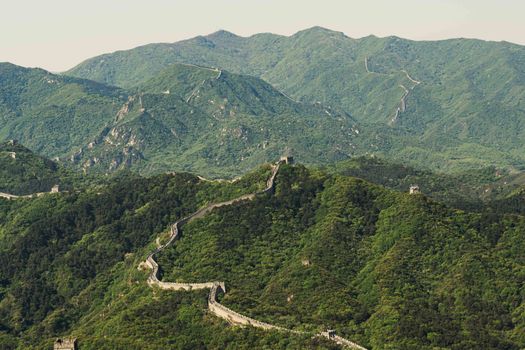
I stepped out of the hired minivan into the crisp, pine-scented air of Xizhazi Village at 5:30 AM. The valley was still bathed in indigo shadow, smelling faintly of woodsmoke, damp earth, and fermented soybean paste simmered in local farm kitchens. Above me, clinging to jagged granite peaks like the spiky spine of a sleeping dragon, was Jiankou.
There were no tour buses idling in asphalt lots. No vendors shouting about plastic souvenirs. Just the crunch of dry pine needles beneath my hiking boots, the rhythmic hum of cicadas in the valley, and the faint, melancholic song of an unseen cuckoo bird echoing off 500-year-old masonry.
When I reached the Sky Stairs—a near-vertical staircase of decaying dolomite where pine roots burst through cracked mortar—I sat on a crumbling parapet. Looking out over a sea of mist-shrouded green peaks, I didn't see another human soul for four hours.
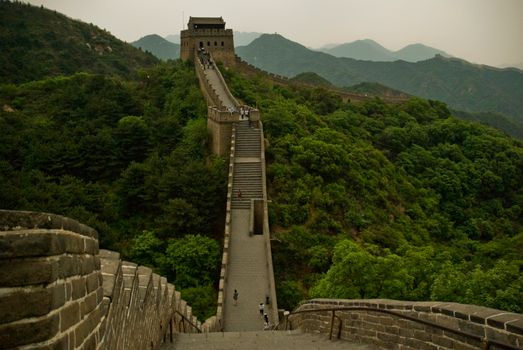
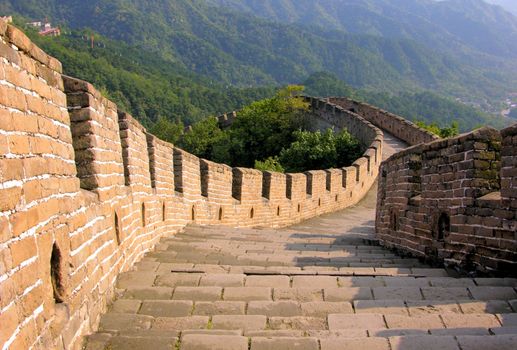
While millions of travelers pay to stand shoulder-to-shoulder on the slick, restored concrete of Badaling, a quiet revolution is happening among adventure seekers. Travelers this summer are ditching the tourist traps for the "Wild Wall" (Ye Changcheng)—raw, atmospheric, and breathtakingly untamed sections of the Ming Dynasty frontier. Here are the exact sections trending among insiders, and how you can experience them before the rest of the world catches on.
---
1. Jiankou: The Photographer’s Vertical Thrill
If Mutianyu is a polished museum exhibit, Jiankou is a living, breathing jungle ruin. Built in 1368, this section was constructed entirely from bright white local dolomite rock, making it stand out starkly against the deep green mountain canopy. It was never restored, meaning nature has spent five centuries reclaiming it.
The Terrain and Architecture
Jiankou translates to "Arrow Nock" because the mountain ridge swoops down into a dramatic V-shape resembling the notch of an arrow. You won't find smooth walking paths here. Instead, you'll scrambling up near-vertical rock faces, navigating giant gaps in broken watchtowers, and stepping over ancient brick walls intertwined with wild walnut trees. The highlight is the Zhengbei Tower, perched atop a precipitous cliff, offering 360-degree views of the entire Beijing mountain range.
Field Notes & Pro-Tips
* Secret Access Point: Avoid the heavily monitored front entrances where forest rangers occasionally block hikers. Instead, start from Xizhazi Village Section 5. Walk past Mr. Zhang’s guesthouse, follow the small dirt track through his apple orchard, and take the trail marked with red ribbons up through the pine forest.
* Timing: Arrive at the summit by 6:30 AM. Golden hour lights up the white dolomite, creating a radiant glow you won't get anywhere else.
* Safety Warning: Do not attempt the "Eagle Flies Facing Upward" tower unless you have alpine scrambling experience. The drop-offs are sheer, and loose mortar can give way.
---
2. Gubeikou: The Living Historic Battlefield
Located 120 kilometers northeast of Beijing, Gubeikou is a massive, rambling fortress system that saw 130 major battles, from Genghis Khan’s invasions to WWII clashes against imperial Japanese forces. Despite its colossal history, it receives less than 1% of the visitors that flock to Badaling.
```
[ Wohushan Section ]
|
(Chaohe River)
|
[ Panlongshan Section ] ---> [ 24-Eye Tower ] ---> (Trail to Jinshanling)
```
The Panlongshan and Wohushan Ridges
Gubeikou is divided into two distinct sections separated by the Chaohe River: Wohushan (Crouching Tiger Mountain) and Panlongshan (Coiling Dragon Mountain). Panlongshan remains almost entirely original. The bricks here are stamped with Chinese characters indicating which Ming army unit baked them and sent them up the mountain—a 16th-century quality control system you can touch with your bare fingers.
Field Notes & Pro-Tips
* The Highlight: The 24-Eye Tower (Ershisi Kong Lou), the largest watchtower in the region with 24 observation windows. Though the top floor collapsed during artillery bombardments in 1933, the remaining arches frame the rolling hills beautifully.
* Sensory Details: In mid-summer, the entire ridge of Panlongshan blossoms with wild purple mint and mountain lavender. The air smells intensely herbal when stepped on.
* Insider Route: Hike from Gubeikou straight through to Jinshanling. It’s an 8-mile trek through farm orchards, forgotten military garrisons, and quiet ridges that takes roughly 5 hours.
---
3. Huanghuacheng Wild Extension: The Submerged Wall
Huanghuacheng is famous for having sections of its wall dip directly into the clear waters of the Haiming Lake. While the official lake park draws local day-trippers, the secret lies in hiking beyond the dam into the wild western extension.
```
+-----------------------------------------------------------------+
| WEST EXTENSION (Wild & Free) |
| - Raw Ming masonry |
| - Ancient Ming Chestnut Orchard |
| - Zero commercial vendors |
+-----------------------------------------------------------------+
|
[ Haiming Lake Reservoir ]
|
+-----------------------------------------------------------------+
| EAST PARK (Commercial Zone) |
| - Paid entry gates |
| - Paddle boats & paved walkways |
+-----------------------------------------------------------------+
```
Where Brick Meets Water
During the Ming Dynasty, General Cai Kai spent 20 years building this fortress. Imperial officials accused him of extravagant spending and had him executed, only to realize later that the wall was so extraordinarily solid it was impenetrable. They posthumously honored him, carving "Jin Bian Xi Zhao" (Metal Wall Splendid in the Setting Sun) into the rock face. When the nearby reservoir was flooded in the 1970s, low-lying wall sections were submerged, creating a surreal landscape where stone ramparts plunge directly into deep emerald water.
Field Notes & Pro-Tips
* The Secret Entrance: Drive past the main scenic entrance to Zhuangdaokou Village. Look for the small, white-painted bridge across the stream. Behind a local courtyard house serving farm meals, a hidden trail heads up into the ancient Ming Dynasty Chestnut Orchard.
* Culinary Reward: Stop at the base of the mountain to eat at a roadside Nongjiaye (Farmhouse Restaurant). Order the local specialty: fresh rainbow trout caught straight from the lake springs, grilled over wild walnut wood, and rubbed with coarse salt, dried chili flakes, and fragrant Sichuan peppercorns.
---
4. Zhuangdaokou: The Marble Wall of Absolute Silence
Tucked between Huanghuacheng and Xiangshuihu lies Zhuangdaokou, a stretch of wall virtually ignored by commercial tour operators. What makes this section unique is its foundational material: large slabs of local white marble cut with razor precision.
Why It’s Trending
Zhuangdaokou offers a sweet spot for travelers who want an untouched, atmospheric experience without the life-threatening vertical climbs of Jiankou. The ramparts here are wide, framed by blooming hawthorn trees and wild berry bushes. Moss coats the shaded northern walls, while the parapets offer panoramic views of deep, silent farming valleys.
Field Notes & Pro-Tips
* Best Time to Visit: Arrive at 4:30 PM in late afternoon. The setting sun turns the marble foundations an amber shade, casting dramatic shadows along the watchtower arches.
* Photography Spot: Walk up to the third western tower (Watchtower of the Big White Face). Position your tripod inside the dark vaulted chamber and frame the glowing mountain range through the arched window opening.
---
5. Xiangshuihu: Roaring Springs and Ancient Rock Carvings
Xiangshuihu translates to "Roaring Spring Lake," named after the underground freshwater springs that rush out of the limestone caves at the base of the mountain. While local tourists visit the spring pool, few venture up the mountain path to the crumbling Muping Castle and the high-altitude wall above it.
The Atmosphere
Xiangshuihu feels like an open-air historical sanctuary. The valley below is filled with wild medicinal herbs—ginseng, astragalus, and wild mint—which fill the warm summer air with a soothing aroma. Ancient calligraphic inscriptions are carved directly into the sheer cliffs below the wall, left by Ming generals who were inspired by the wild beauty of the frontier.
Field Notes & Pro-Tips
* The Route: Skip the main asphalt path near the entrance. Follow the stream bed upward toward the ancient stone carver’s cliff. Look for a steep dirt path marked by stone cairns that ascends sharply up through the fruit trees to the ruined watchtowers.
* Pro-Tip: Bring a water filtration bottle. You can fill up at the natural spring outlet at the base of the mountain; the water is ice-cold, crystal-clear, and mineral-rich.
---
6. Simatai East Wild Ridge: The Dragon’s Spine Beyond the Resort
Most visitors to Simatai purchase a ticket to the heavily restored Gubei Water Town at the base, ride the cable car to Towers 5 through 8, and head back to Beijing. But the secret to experiencing the true power of Simatai lies in accessing the Wild Eastern Ridge (Towers 12 through 16).
Unmatched Scale
This section hangs off cliff faces so steep that the bricks were laid using goats with stones strapped to their backs. Tower 12, known as the Fairy Tower, is arguably the most elegant watchtower ever built on the Great Wall, featuring twin arched doorways carved with lotus patterns. Beyond it lies the Heavenly Ladder—a razor-thin ridge wall climbing at an 80-degree angle with thousand-foot drops on either side.
Field Notes & Pro-Tips
* Bypassing the Resort: Instead of entering through Gubeikou Water Town, hire a private driver to take you to Tangjiazhai Village on the back side of the mountain. From there, local trails lead directly up to Tower 12 without going through commercial turnstiles.
* Important Note: The Heavenly Ladder section between Towers 14 and 15 is technically restricted due to crumbling brickwork. Respect all local barrier signs and stick to the ridge bypass paths created by local villagers.
---
Quick Facts & Logistics Comparison
Planning a trip to wild, un-restored sections requires more logistics than taking an organized tour bus. Use this handy table to pick the right section for your travel style and budget:
| Great Wall Section | Hiking Difficulty | Distance from Beijing | Estimated Cost (USD) | Highlights | Best Access Point |
| :--- | :--- | :--- | :--- | :--- | :--- |
| Jiankou | Challenging / Technical | 2.5 Hours (85 km) | $50 - $70 (Private Car) | White dolomite, vertical cliffs, raw ruins | Xizhazi Village (Section 5) |
| Gubeikou | Moderate | 2 Hours (120 km) | $15 (Bus) / $60 (Car) | Intact history, zero crowds, wild lavender | Gubeikou Town Main Entrance |
| Huanghuacheng Wild| Moderate | 1.5 Hours (75 km) | $40 - $60 (Private Car) | Submerged walls, ancient chestnut orchards | Zhuangdaokou Village Bridge |
| Zhuangdaokou | Easy to Moderate | 1.5 Hours (78 km) | $40 - $50 (Private Car) | Marble foundations, serene nature trails | Zhuangdaokou South Trailhead |
| Xiangshuihu | Moderate | 1.5 Hours (80 km) | $10 (Gate) + $50 (Car) | Natural springs, medicinal herbs, carvings | Muping Castle Path |
| Simatai East Ridge | Challenging | 2.5 Hours (130 km) | $60 - $80 (Private Car) | High altitude, drama, extreme photo ops | Tangjiazhai Back Trail |
---
Practical Survival Guide for Wild Wall Hiking
Hiking the un-restored Great Wall is an incredible experience, but it comes with real risks. There are no handrails, safety nets, or medical stations on these ridges. Follow these field rules:
1. What to Pack
* Footwear: Wear trail-running shoes or light hiking boots with deep rubber lugs. The slick, loose mortar on 45-degree brick slopes acts like ball bearings under smooth sneakers.
* Hydration: Carry at least 3 liters of water per person in summer. The wall runs along exposed mountain ridges with zero shade, and temperature swings on the brick can easily exceed 95°F (35°C).
* Navigation: Download Avenza Maps or Maps.me offline topographical maps before leaving Beijing. Cellular service on wild ridges can be spotty.
2. Transport Secrets
Public buses to rural villages exist, but they run infrequently and can swallow up to three hours each way.
* The Best Option: Hire a driver for the full day via your hotel or a Chinese app like Didi (the Chinese Uber). A full-day private car rental costs roughly 400 to 600 RMB ($55–$85 USD). The driver will wait at the trailhead all day with your dry clothes and cold drinks.
3. Local Etiquette & Conservation
* Leave No Trace: Pack out every piece of trash, including food scraps.
* Do Not Move Bricks: The integrity of these ruins is fragile. Never pull loose bricks from watchtowers or write graffiti on the ancient masonry.
* Support the Locals: Buy your water, fruit, and post-hike meals from village vendors at the base. They act as informal caretakers of the wall, and your money helps sustain rural mountain communities.
---
Culinary Encounters: How to Eat Like a Local After the Hike
After spending 5 hours scrambling over crumbling ramparts, skip the Western fast food on the highway and stop at a rural mountain home. Summer in the mountains outside Beijing brings a feast of fresh, wild ingredients you won't find in urban restaurants.
```
[ Fresh Mountain Trout ] ----> Grilled over walnut wood with chili & salt
[ Wild Leek Dumplings ] ----> Foraged daily from shadow valleys
[ Salted Black Beans ] ----> Simmered with mountain pork belly
[ Ice-Cold Yanjing ] ----> Crisp local draft beer served in green glass
```
Ask the local farmhouse cook (Nongjia) for these seasonal dishes:
1. Chuan Chuan Xiang Trout (Kao Hongtai Yu): Rainbow trout pulled live from mountain streams, split open, and flash-roasted over walnut wood coals.
2. Wild Mountain Leek Dumplings (Ye Jiucai Jiaozi): Hand-rolled dumplings stuffed with pungent wild mountain leeks gathered from the shady valleys below the wall, scrambled eggs, and sesame oil.
3. Stir-Fried Wild Fern Fronds (Chao Juecai): Young mountain ferns cooked over high heat with garlic, fresh red chilies, and soy sauce.
4. Cold Yanjing Beer: A light, crisp local lager served ice-cold out of heavy green glass bottles—the ultimate cure for trail fatigue.
---
Final Thoughts: The True Magic of the Wild Wall
As I made my way down from the heights of Jiankou, the sun began to dip behind the serrated western peaks, washing the ancient masonry in a warm rose-gold glow. Looking back up at the ridge, the crumbling watchtowers didn't look like monuments to military power. They looked like natural extensions of the mountain itself—imperfect, weather-beaten, and grand.
The Great Wall was built to keep the world out. But on these wild, forgotten ridges, far from the tourist crowds and souvenir stalls, it does something far better: it lets you in.
---